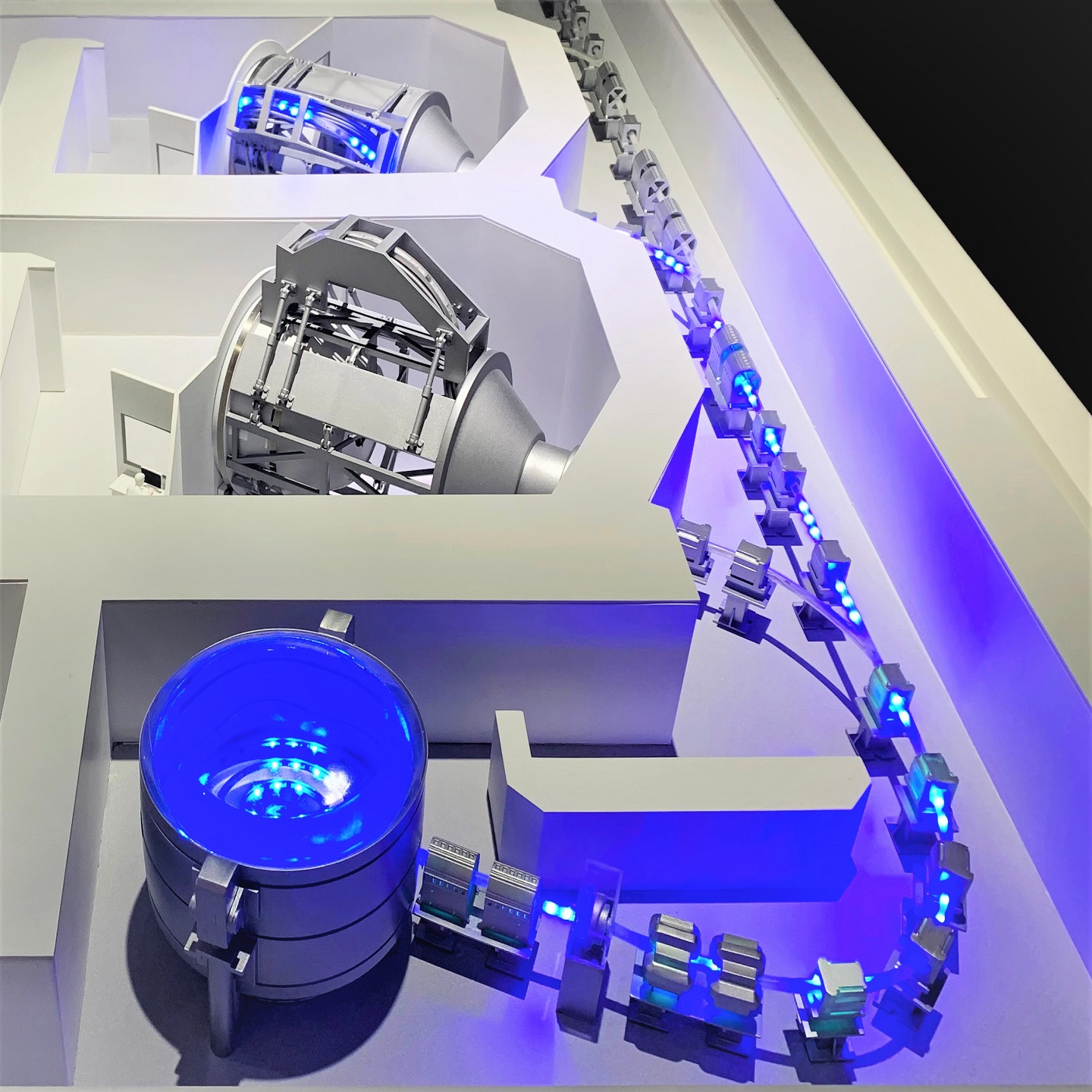
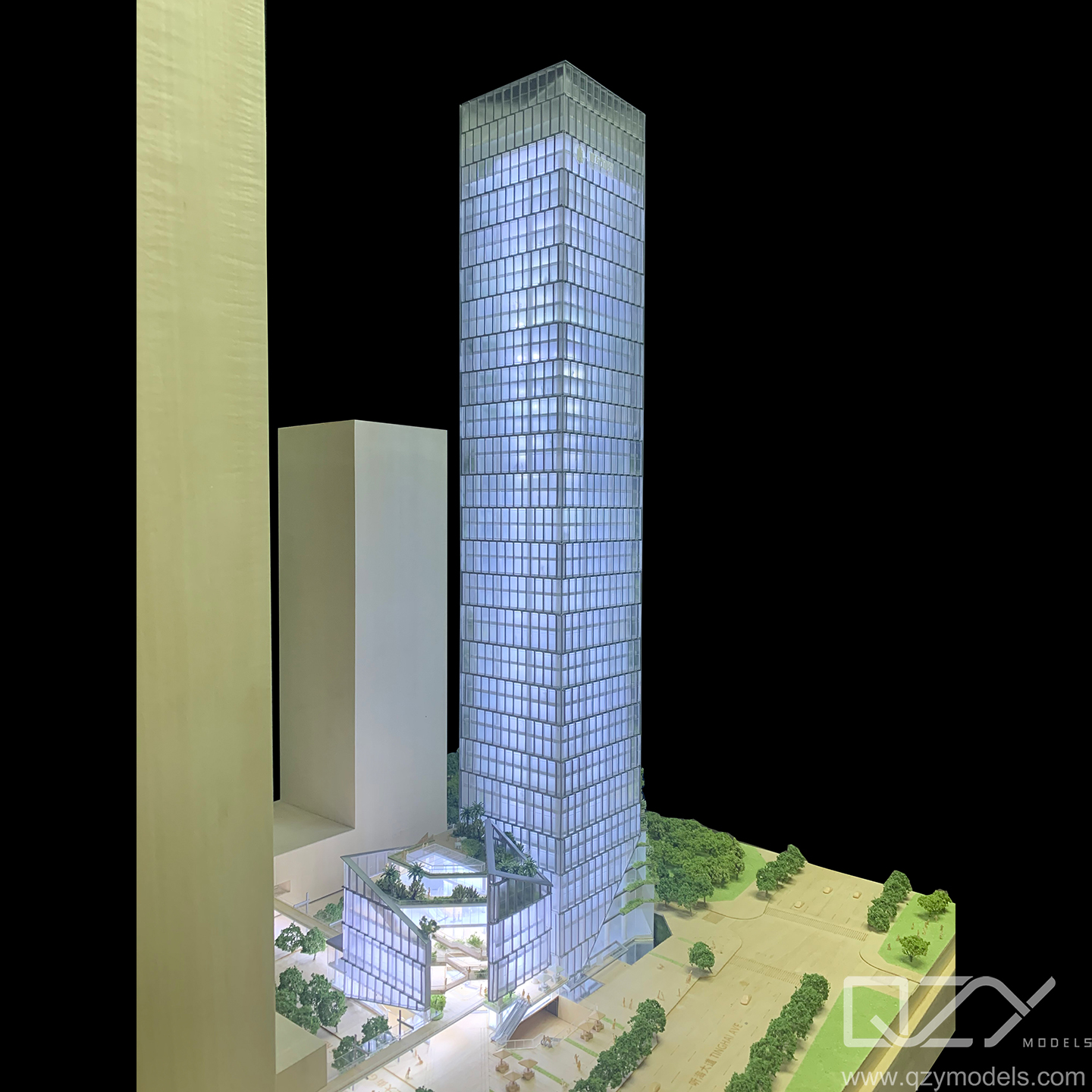
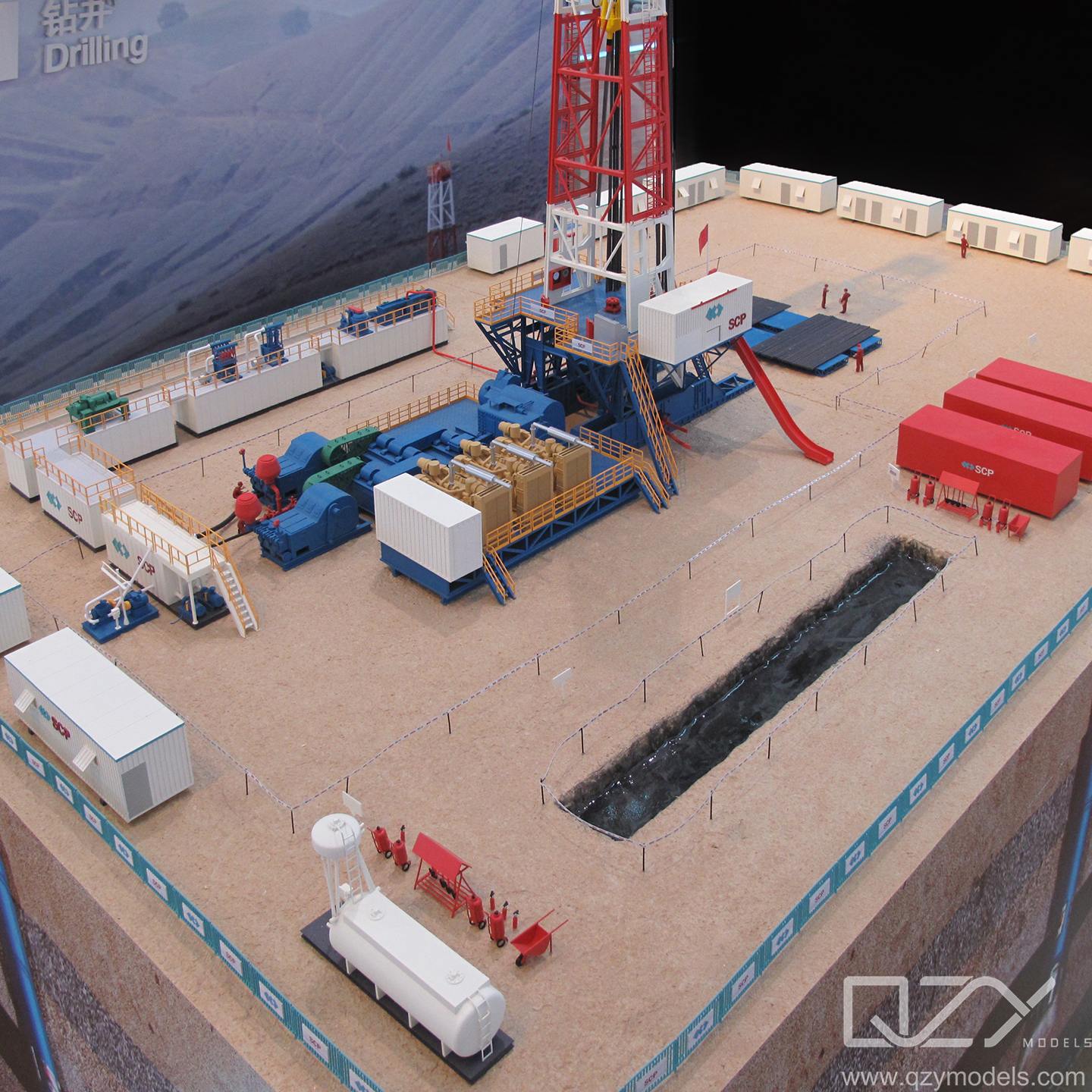
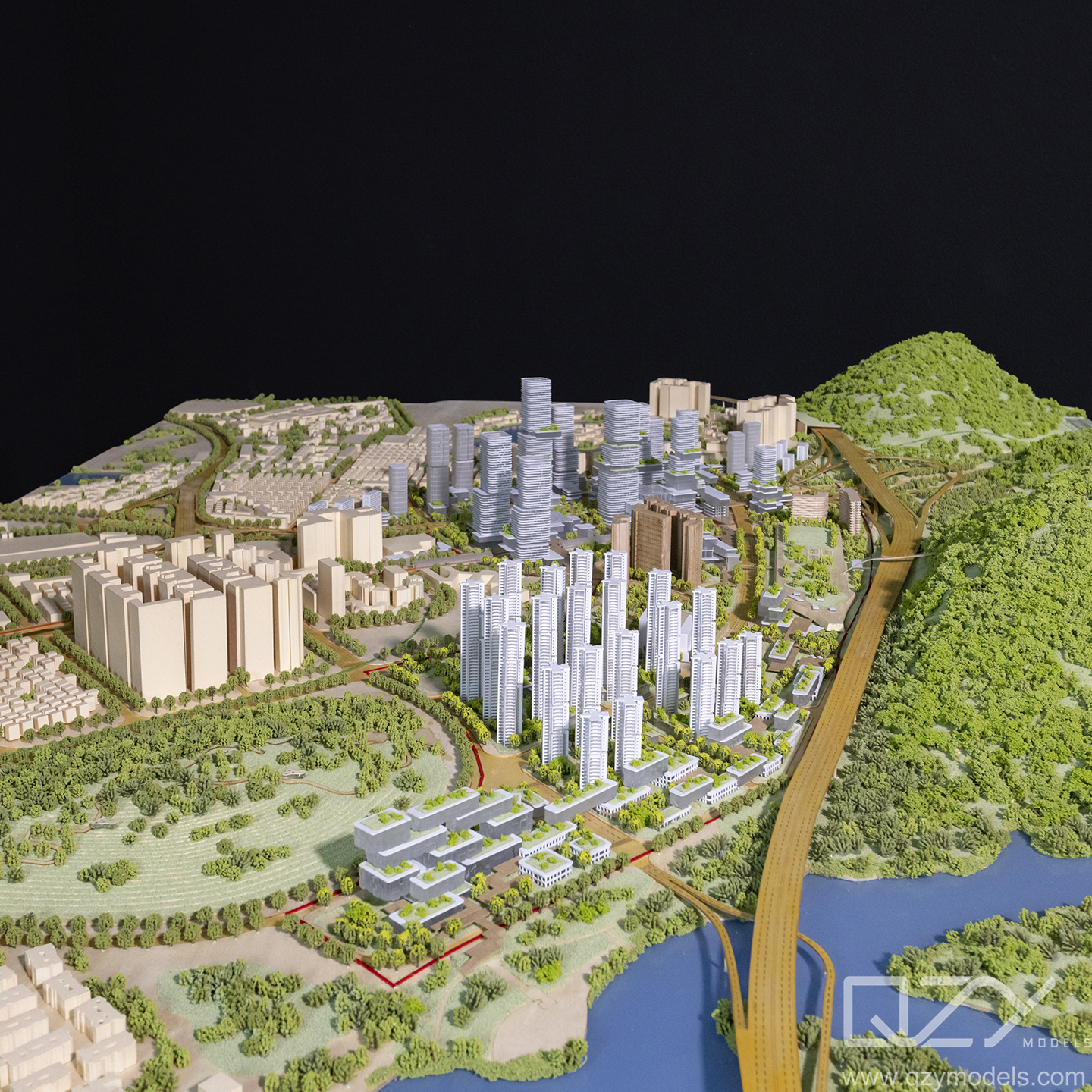
Custom massing models allow architects and planners to visualize building form, scale, and spatial relationships early in the design process. Simplified yet precise, these models support zoning analysis, daylight studies, and urban context evaluation. China-based manufacturers like QZY Models provide OEM, wholesale, and custom fabrication services for firms seeking high-quality, presentation-ready models.
What Is a Massing Model in Architecture?
A massing model represents the overall shape, volume, and spatial organization of buildings without focusing on fine details.
It serves as a design and study tool to explore building relationships, site integration, and surrounding context. QZY Models produces massing models at various scales suitable for conceptual design, planning, and development approval.
How Do Custom Massing Models Support Design and Planning?
Custom massing models enable evaluation of building volumes, height restrictions, and spatial composition.
By visualizing mass and proportion, architects can optimize sunlight exposure, sightlines, and urban integration. QZY Models’ custom solutions allow rapid simulation of alternative designs, improving decision-making before detailed modeling begins.
Why Choose a China-Based Manufacturer for Massing Model Production?
China-based manufacturers like QZY Models provide cost-effective, high-precision massing models with fast turnaround.
Advanced facilities use CNC cutting, 3D printing, and laser engraving for accuracy. Partnering directly with OEM suppliers offers wholesale pricing, bulk production, and international delivery options.
| Advantage | Description | Impact |
|---|---|---|
| Cost Efficiency | Reduced labor and materials | Budget optimization |
| Advanced Technology | CNC and 3D printing | High precision and consistency |
| Global Logistics | Air and sea shipment | Reliable delivery |
Which Materials Are Best for Massing Model Fabrication?
Common materials include acrylic, PVC, wood, resin, and foam board.
-
Acrylic: Transparent or modern aesthetics.
-
PVC/Resin: Lightweight and durable.
-
Wood/Foam Board: Economical for conceptual studies.
QZY Models selects materials based on scale, purpose, and presentation requirements.
How Does Scale Influence Model Detail and Visualization?
Scale determines the level of detail and spatial interpretation.
-
1:1000 for city zoning and masterplans
-
1:500 for district-level analysis
-
1:200 for building-level studies
-
1:100 for detailed conceptual models
QZY Models advises on the optimal scale to accurately convey proportions without unnecessary detail.
| Scale | Application | Model Type |
|---|---|---|
| 1:1000 | Urban zoning & masterplans | City massing |
| 1:500 | District-level studies | Mixed-use zones |
| 1:200 | Single development | Building massing |
| 1:100 | Detailed architectural form | Concept modeling |
What Role Do 3D Printing and CNC Technology Play in Massing Models?
3D printing reproduces complex geometries with precision, while CNC milling ensures accurate base cutting.
QZY Models combines these technologies to accelerate production, reduce errors, and maintain consistency across multiple models.
Can Massing Models Include Lighting or Interactive Elements?
Yes. LED lighting can highlight key zones or simulate night scenes, and AR overlays or projection mapping can provide interactive experiences. QZY Models customizes lighting and digital features according to client needs.
Who Uses Custom Massing Models in the Architecture Industry?
Massing models are commonly used by:
-
Architectural design firms
-
Urban planners and city authorities
-
Real estate developers presenting masterplans
-
Educational institutions and research programs
QZY Models provides OEM and white-label services for global B2B clients in all these sectors.
Why Are Massing Models Important in Sustainable and Smart City Design?
Massing models aid in shadow analysis, airflow assessment, and green integration.
Urban designers use models to plan sustainable density, energy efficiency, and mobility systems. QZY Models incorporates environmental and sustainability considerations into massing models to support smart city initiatives.
QZY Models Expert Views
“A massing model is more than a study object—it’s a communication tool connecting vision to reality. At QZY Models, we focus on clarity, proportion, and context. Each model demonstrates how buildings interact with their environment, guiding architects, planners, and developers toward informed design decisions.”
— Richie Ren, Founder of QZY Models
How Does the Production Process Work for Custom Massing Models?
QZY Models follows six professional steps:
-
Review design files (CAD, BIM, Rhino)
-
Digital modeling and scale verification
-
Material and color selection
-
CNC or 3D print fabrication
-
Assembly and finishing
-
Quality control and packaging for shipment
This structured workflow ensures project-ready models within weeks.
When Should Architects Commission a Massing Model?
Massing models are ideal during early schematic or conceptual design stages.
They allow testing of building mass, height, and positioning before detailed facade or interior work. QZY Models supports phased modeling for easy updates as projects evolve.
Could Digital and Physical Massing Models Work Together?
Yes. Digital 3D models complement physical massing models.
While digital simulations allow rapid iteration, physical models provide tangible scale perception and spatial context. QZY Models integrates both workflows for comprehensive visualization with AR and 3D-printed massing models.
Conclusion
Custom massing models are crucial for design clarity, stakeholder communication, and urban planning insight. Partnering with a China-based manufacturer like QZY Models ensures precision, efficiency, and cost-effectiveness. By combining digital tools with expert craftsmanship, QZY Models delivers models that convey scale, form, and context for architects and developers worldwide.
FAQs
1. What is the lead time for a massing model?
Typically 2–6 weeks depending on size and complexity.
2. Does QZY Models provide international delivery?
Yes, with customized packaging for safe global shipment.
3. Can finishes and colors be customized?
Yes, clients can choose finishes to match presentation requirements.
4. Can models be updated after design revisions?
Yes, digital files allow quick modifications and re-fabrication.
5. Does QZY Models offer OEM services?
Yes, OEM manufacturing is available for design studios and distributors.