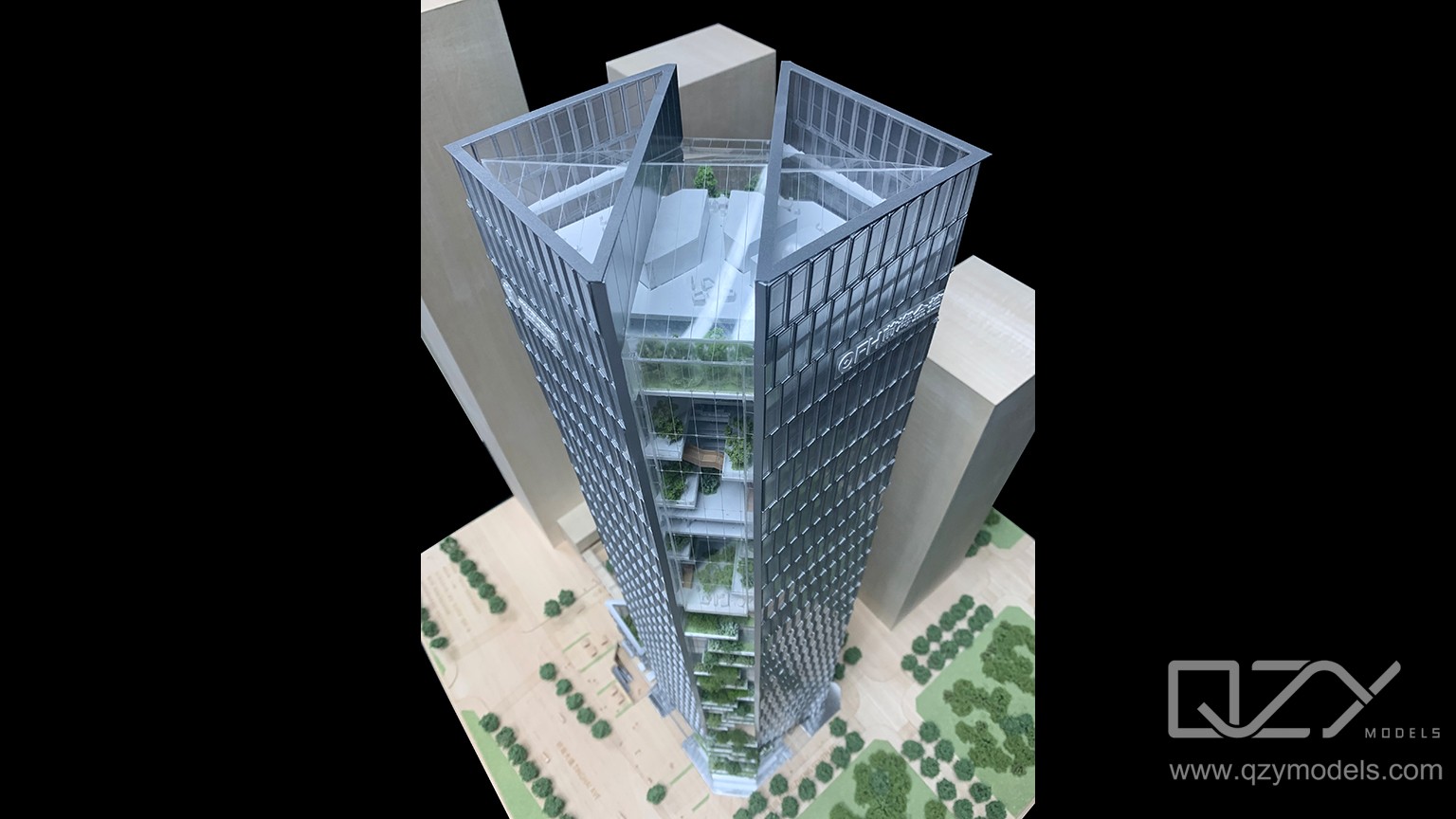
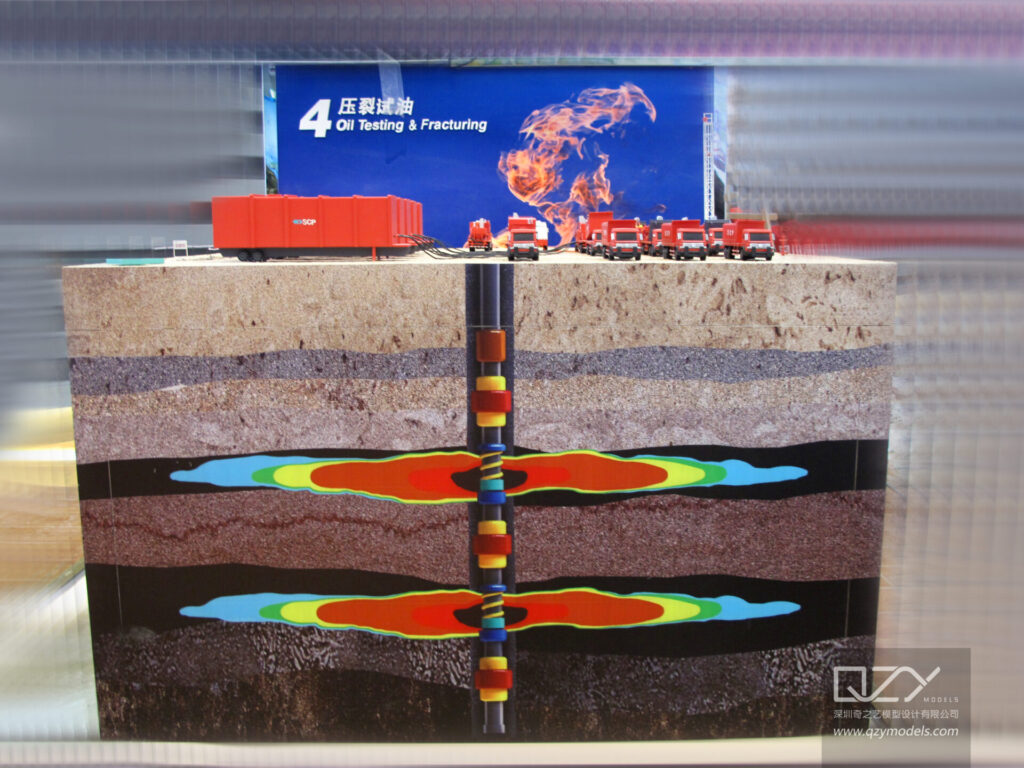
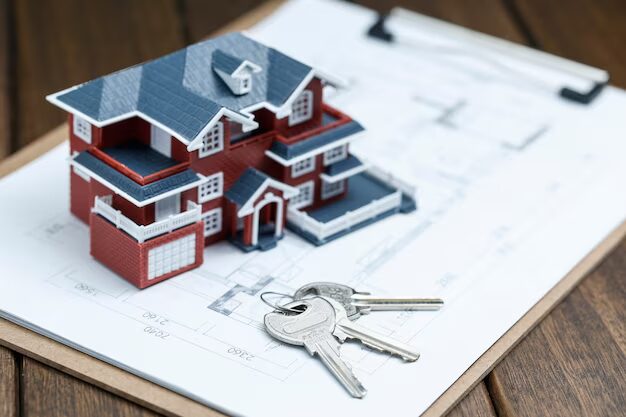
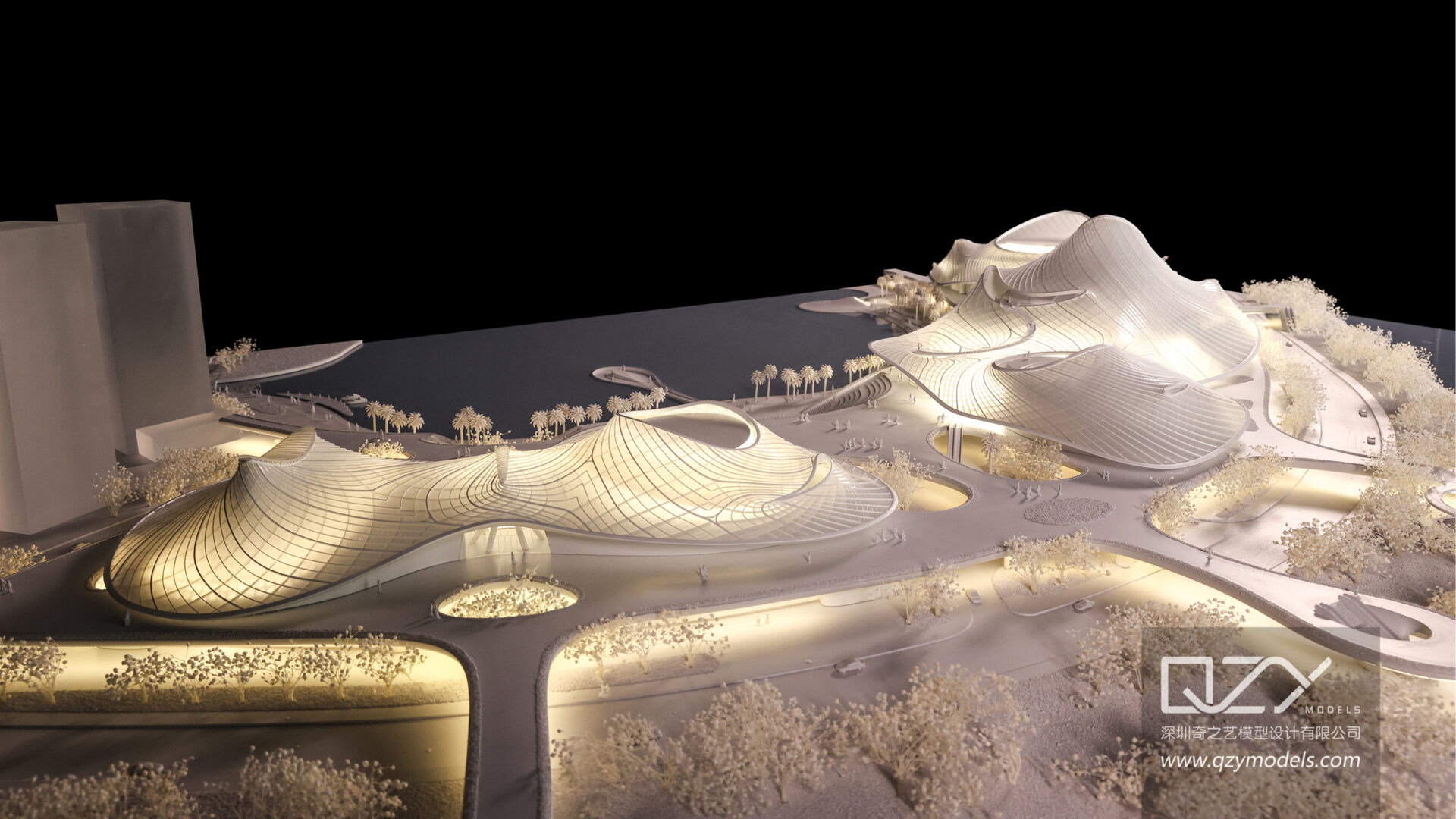
High-quality massing models by QZY Models enable architects, developers, and urban planners to visualize building volumes, spatial relationships, and design proportions before moving into detailed modeling. As a China-based professional manufacturer, QZY Models delivers precision massing models that enhance concept communication, support client approvals, and improve presentation outcomes for international design and real estate projects.
What Are Massing Models and Their Purpose?
Massing models are simplified physical representations of architectural forms used to study shape, scale, and spatial composition.
These models allow architects and planners to evaluate building volume, orientation, and integration with surrounding environments. QZY Models produces massing models for concept studies, feasibility analyses, planning approvals, and client presentations, emphasizing geometry and proportion over decorative detail—ideal for early design stages and master planning reviews.
Why Are High-Quality Massing Models Essential for Architects?
High-quality massing models allow architects to quickly assess volume relationships, site integration, and zoning impacts. Physical models facilitate intuitive understanding of scale and encourage collaborative discussion. QZY Models ensures precise geometry, clean material finishes, and consistent scaling—supporting competition entries, feasibility studies, and urban design evaluations.
| Purpose | Architectural Advantage |
|---|---|
| Volume and scale study | Enhanced spatial planning and proportional accuracy |
| Light and shadow analysis | Effective environmental modeling |
| Client approvals | Clear visual communication for stakeholders |
| Competition entry | Strong presentation impact |
How Are Massing Models Produced in Professional Factories?
Massing model production begins with digital design coordination. QZY Models employs CNC milling, laser cutting, and 3D printing to achieve geometric precision. Materials such as acrylic, ABS, polyurethane, and MDF are selected for durability and visual balance. Each model undergoes assembly, finishing, and quality inspection before delivery. OEM workflows allow global design firms to submit 3D files directly to the Shenzhen factory for precise manufacturing.
Which Materials Are Best for Massing Models?
Materials vary according to purpose, aesthetics, and budget. Polyurethane or MDF works well for large-scale master plans, while acrylic is suitable for premium display models. Foam is ideal for fast, cost-effective iterations in early design phases.
| Material Type | Application | Key Benefits |
|---|---|---|
| Polyurethane board | Conceptual massing | Lightweight and easy to machine |
| MDF and wood | Large-scale models | Structural stability and robustness |
| Acrylic | Display and lighting integration | Professional visual finish |
| Foam board | Study models | Affordable and quick to produce |
How Does QZY Models Maintain Precision and Quality?
QZY Models achieves accuracy through digital fabrication combined with strict quality control. Components are produced within sub-millimeter tolerances, with multi-level inspections ensuring geometric consistency, material uniformity, and clean assembly. As a China OEM supplier, QZY Models integrates packaging and export standards to deliver reliable products to international design firms, universities, and developers.
Why Is China the Leading Hub for Model Manufacturing?
China’s combination of skilled labor, advanced machinery, and manufacturing scale makes it a global center for architectural model production. Shenzhen-based factories like QZY Models integrate precision equipment with artisan craftsmanship. Wholesale and OEM workflows allow both one-off competition models and bulk educational or exhibition production. Reliable logistics and cost efficiency further support international client needs.
Who Uses Professional Massing Models from QZY Models?
QZY Models serves design firms, urban planning institutes, real estate developers, and academic institutions worldwide. Clients include global architecture leaders such as Foster + Partners, Vanke, and China Resources. With regional offices in the UAE, Saudi Arabia, and Egypt, QZY Models maintains close communication and delivery consistency for international projects.
What Is the Difference Between Massing Models and Detailed Architectural Models?
Massing models focus on geometry, volume, and proportion, while detailed models include textures, materials, and lighting. Massing models are ideal for early design validation, whereas detailed models support marketing and investor presentations. QZY Models produces both types, allowing seamless progression from concept to presentation.
QZY Models Expert Views
“A massing model is more than a study of forms—it is a tool for architects to understand spatial relationships, evaluate proportions, and communicate design intent. At QZY Models, precision, collaboration, and efficiency are our priorities, bridging creativity and manufacturing excellence for every project.”
— QZY Models Production Team
How Long Does It Take to Produce a Massing Model?
Production ranges from 5 days for small conceptual models to 15–25 days for large master planning models. QZY Models’ multi-team workflow in Shenzhen ensures parallel fabrication, assembly, and finishing, enabling timely delivery for competitions, exhibitions, and client reviews.
Are Custom OEM Orders Available for Massing Model Projects?
Yes. QZY Models offers OEM and ODM services for architecture firms requiring private-label production. Clients provide 3D files or drawings for direct quotation and manufacturing. Confidentiality, secure file handling, and international shipping are standard practices.
How Can QZY Models Support Overseas Real Estate Developers?
QZY Models acts as a visualization partner for global developers and planning firms. Digital designs are transformed into scaled physical models for exhibitions, investor presentations, or planning meetings. English-speaking project managers provide continuous updates, ensuring precision from design handover to international delivery.
Could Massing Models Enhance Architectural Education?
Yes. Massing models are effective teaching tools in design schools and planning programs. They help students understand spatial composition, form hierarchy, and urban context. Many educational institutions commission QZY Models for durable, consistent teaching models suitable for repeated classroom use.
What Are the Key Advantages of Working with QZY Models for Massing Projects?
QZY Models combines craftsmanship and technology with flexible OEM options. Advantages include:
-
High digital-to-physical accuracy meeting international standards
-
Scalable production for single or bulk massing models
-
Diverse material selection for different project needs
-
Global shipping with protective packaging
-
Proven track record with leading design firms
Conclusion
High-quality massing models are essential for effective architectural communication. QZY Models, with over 20 years of expertise, provides precise, reliable, and globally compliant models. For architects, developers, and educators seeking accuracy, speed, and professional presentation, QZY Models transforms early design concepts into tangible, insightful architectural studies.
FAQs
1. What scale is most common for massing models?
1:500, 1:1000, and 1:2000 scales are typical, depending on site size and project context.
2. Does QZY Models export worldwide?
Yes. The company ships globally with professional packaging and logistics.
3. Can materials be customized?
Yes. Foam, wood, acrylic, and mixed media options are available for tailored project needs.
4. Do you provide OEM services for other brands?
Yes. OEM and private-label production is available for architecture and development clients.
5. Can QZY Models assist with design adjustments before production?
Yes. Engineers review files and provide recommendations for manufacturability and structural optimization.