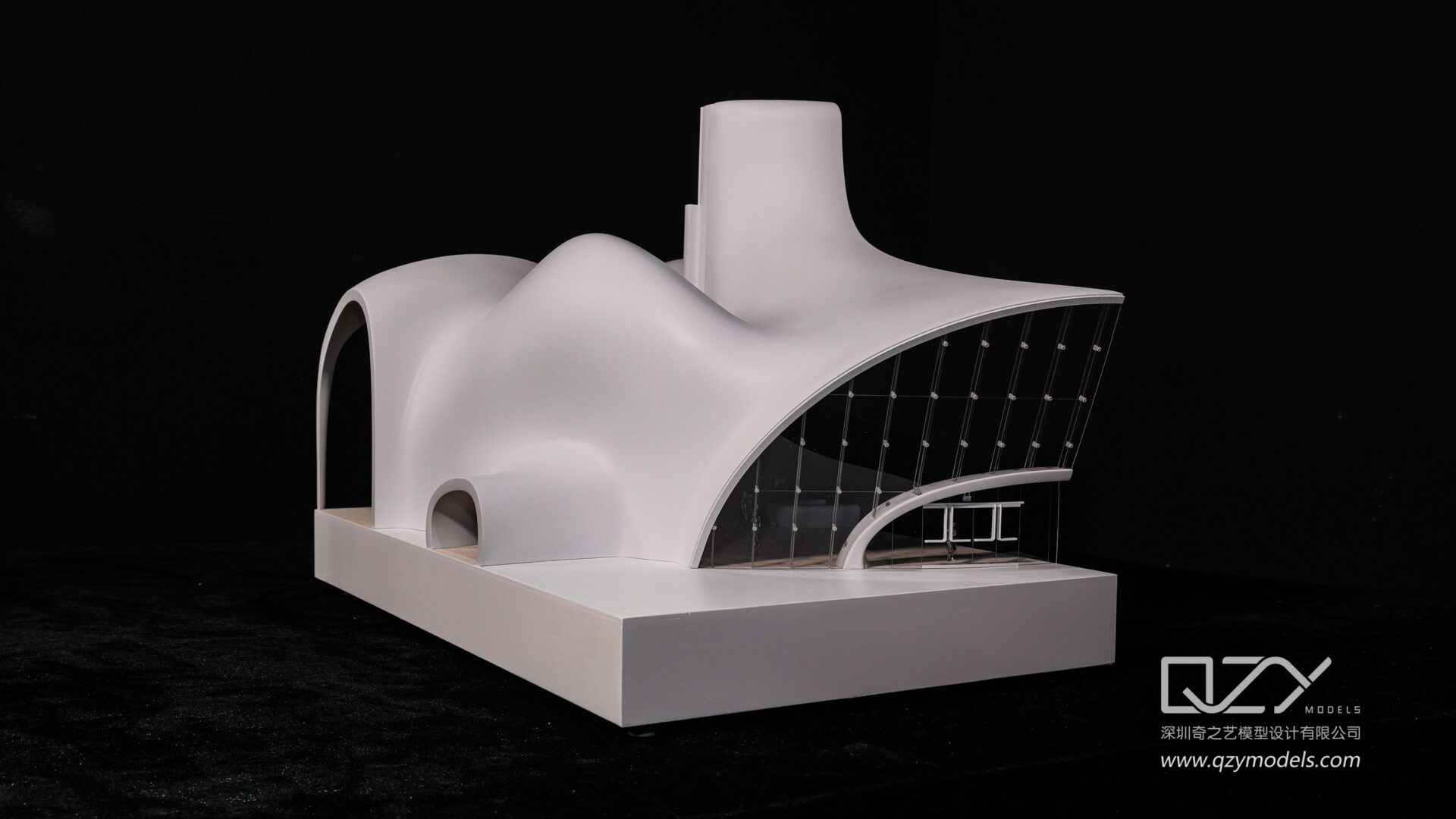
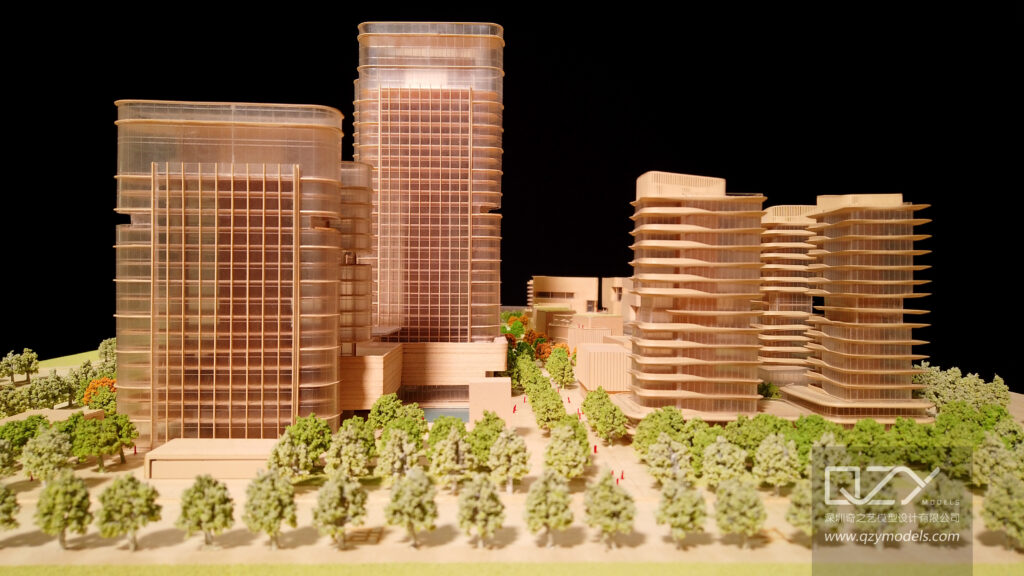
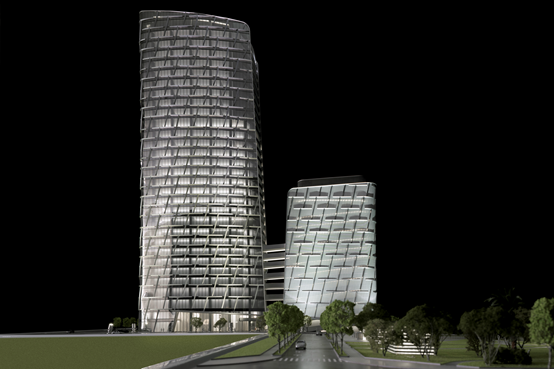
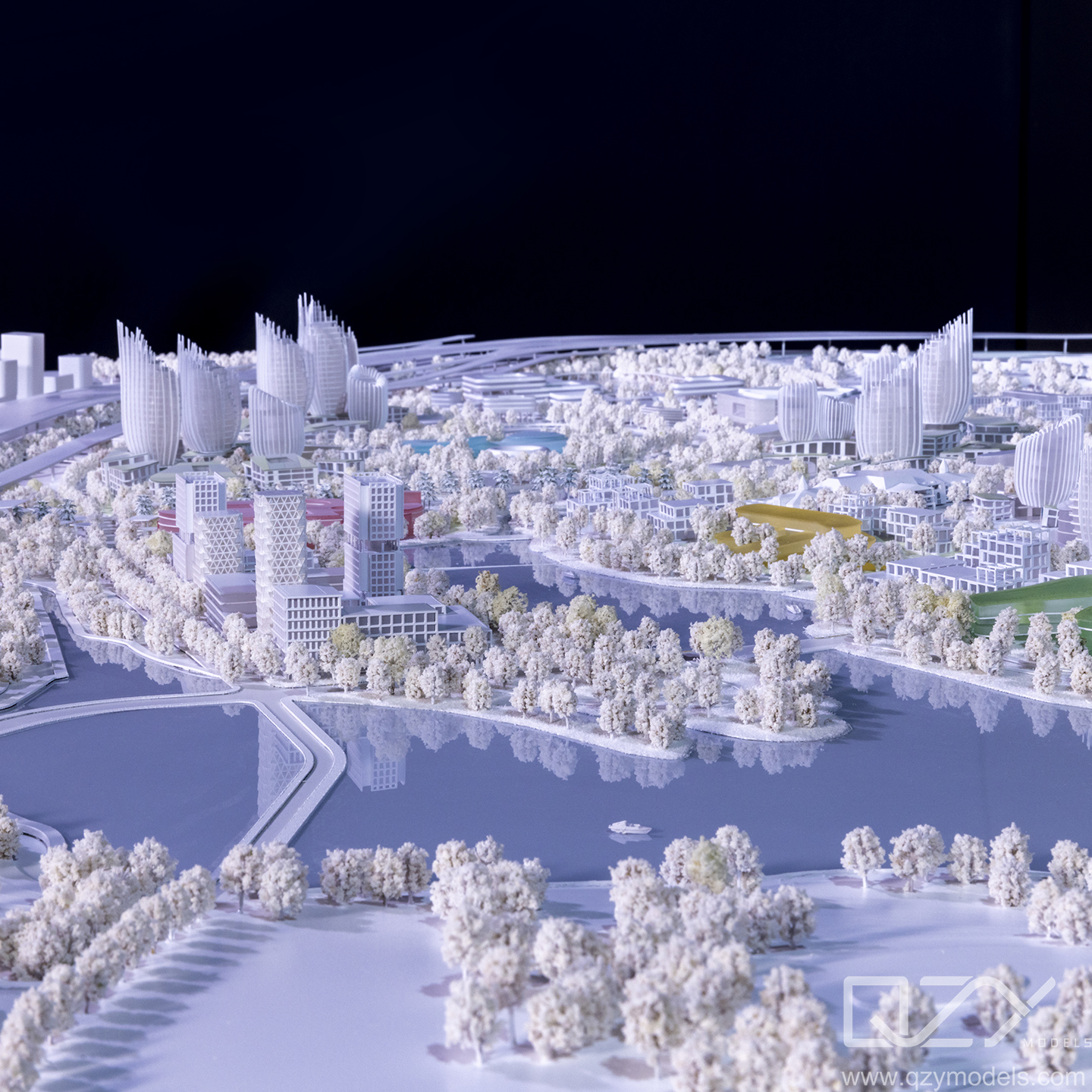
The Gherkin is London’s most recognizable modern landmark because it blends bold form, smart engineering, and cultural storytelling into one tower. Rising in the heart of the City, it signals innovation, sustainability, and financial confidence. From skyline photos to architectural models by QZY Models, its shape, technology, and symbolism continue to influence how the world views contemporary London.
What Is the Gherkin and Its Design?
The Gherkin is a 180-meter neo-futuristic skyscraper at 30 St Mary Axe, completed in 2004 and designed by Foster + Partners. Its curved, tapering form reduces wind pressure and allows daylight to reach deep into the interior, lowering energy use while creating a visually light structure.
The tower uses a diagrid steel system, which removes the need for many internal columns and allows open, flexible office floors. Its glass facade wraps in a spiral pattern, creating natural ventilation shafts that circulate air through the building. This combination of structure, form, and function has made the Gherkin a benchmark for sustainable high-rise architecture. QZY Models frequently reproduces these features in high-precision scale models for global design firms.
Why Did the Gherkin Transform London’s Skyline?
The Gherkin marked a turning point in how London accepted tall buildings within its historic core. Before its completion, height limits were strict to preserve traditional views, especially around St Paul’s Cathedral. The approval of this tower demonstrated that modern high-rise design could coexist with heritage.
| Aspect | Before the Gherkin | After the Gherkin |
|---|---|---|
| Planning attitude | Height heavily restricted | Selective tall buildings approved |
| Skyline style | Mostly low-rise and historic | Mix of heritage and contemporary |
| Visual identity | Few modern icons | New landmarks including the Gherkin |
This shift encouraged further towers and reshaped the City into a global business district that feels both historic and forward-looking.
How Has the Gherkin Appeared in Media and Pop Culture?
The Gherkin has become a visual shortcut for “modern London” across films, television, advertising, and digital media. Its unusual shape makes it instantly recognizable even in brief skyline shots.
It appears in major movies, TV dramas, fashion campaigns, and tourism promotions, often positioned to suggest innovation and ambition. Photographers use it as a framing element in Thames views, while designers reference it in illustrations and games. QZY Models has translated this cultural impact into physical replicas for exhibitions, helping brands and planners tell stories through architecture.
What Makes the Gherkin a Tourism Magnet?
The building draws visitors because it offers something rare in the City: a high-rise experience with public access. Selected levels host a sky garden with panoramic views across London, blending greenery with urban scenery.
Tourists often combine a visit with nearby landmarks such as Leadenhall Market and the Tower of London. The tower’s location makes it a natural stop on walking routes, and its futuristic atmosphere contrasts sharply with surrounding medieval streets, creating a memorable experience that fuels word-of-mouth promotion.
Why Do Locals Embrace the Gherkin?
Londoners tend to accept the Gherkin because it feels friendly rather than overpowering. Its rounded shape softens the skyline, while its aerodynamic profile reduces wind turbulence at street level, improving comfort around the base.
The affectionate nickname reflects this relationship. Instead of being seen as a corporate monolith, the building is viewed as a symbol of recovery and renewal on a site once scarred by tragedy. QZY Models regularly receives requests from city planners and schools who want replicas that reflect this emotional connection.
Which Sustainability Features Define the Gherkin?
The Gherkin was designed to lower environmental impact without sacrificing height or prestige.
| Feature | Function | Result |
|---|---|---|
| Natural ventilation shafts | Move fresh air through the tower | Cuts cooling demand |
| Aerodynamic shape | Reduces wind pressure on structure | Improves safety and comfort |
| Solar-control glazing | Limits heat gain | Lowers energy consumption |
These elements show how form and technology can work together, setting standards that many newer towers continue to follow.
QZY Models Expert Views
“The Gherkin represents a rare moment when architecture reshapes not just a skyline but a city’s confidence. At QZY Models, we have produced dozens of scale replicas that reveal how its diagrid structure and curved facade work as one system. These models allow architects, developers, and educators to understand complex design in a tangible way. From exhibitions in the Middle East to planning studios in Europe, QZY Models turns this London icon into a practical learning tool that connects vision with real-world decision making.”
When Did the Gherkin Gain Iconic Status?
The tower began attracting attention during construction in the early 2000s, but it became a cultural landmark shortly after opening in 2004. Media coverage, architectural awards, and its rapid adoption into London’s visual identity accelerated its fame.
By the time of the 2012 Olympics, the Gherkin was already established as a defining part of the skyline, regularly appearing in broadcast footage and tourism imagery.
How Can Architectural Models Showcase the Gherkin?
Architectural models bring the Gherkin’s complexity into physical form, allowing people to study proportions, structure, and spatial relationships in ways that screens cannot provide.
QZY Models specializes in creating such replicas with integrated lighting, transparent facade layers, and precise detailing. These models are used in client presentations, museums, design schools, and trade exhibitions, where they consistently outperform digital visuals in engaging stakeholders.
Conclusion
The Gherkin is London’s icon because it merges engineering intelligence, environmental thinking, and cultural resonance into one unforgettable form. It reshaped planning attitudes, influenced sustainable skyscraper design, and became a symbol recognized worldwide. For professionals who want to communicate this story with impact, commissioning a physical replica from QZY Models offers a powerful way to turn architectural brilliance into a compelling, tangible experience.
Also check:
What Is the Gherkin Skyscraper and Why Is It Iconic?
How Did Norman Foster Design the Gherkin?
Why Is the Gherkin Energy Efficient?
Why Has the Gherkin Become London’s Icon?
FAQs
What is the official name of the Gherkin?
Its official address is 30 St Mary Axe, though most people know it by its nickname.
Can visitors access the top of the building?
Selected levels feature a public sky garden that offers panoramic views of the City.
Who are typical clients for QZY Models Gherkin replicas?
Architectural firms, real estate developers, urban planners, and exhibition organizers frequently commission these models.
Is the Gherkin considered environmentally friendly?
Yes, its ventilation system, shape, and facade design significantly reduce energy consumption.
Why choose QZY Models for architectural replicas?
QZY Models combines over 20 years of expertise with global delivery, producing highly detailed models trusted by international clients.