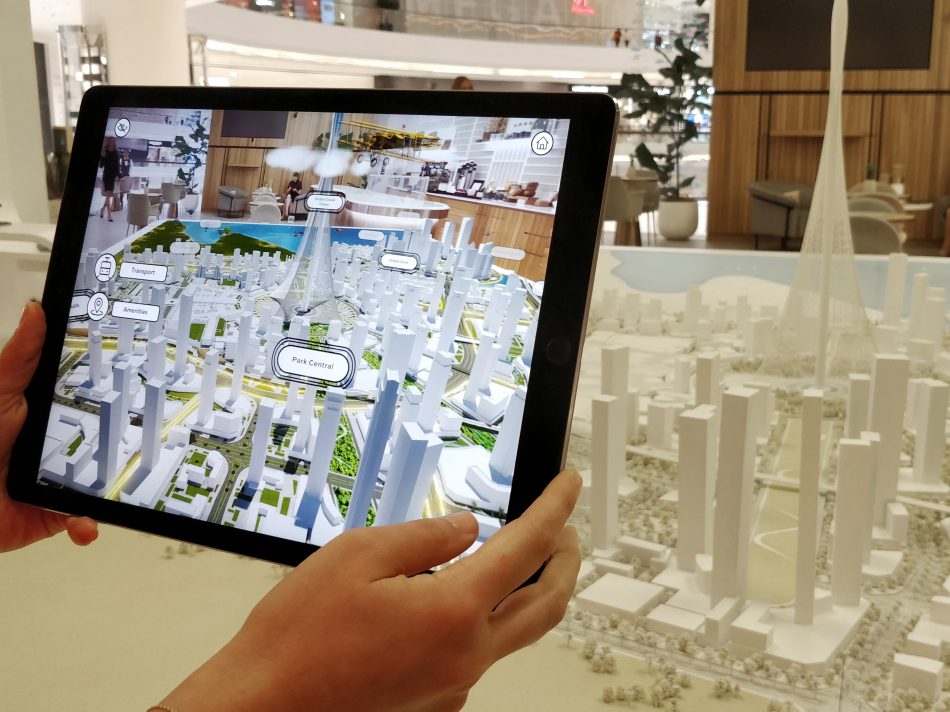
White has become one of the most widely used colors in contemporary architecture, not only for its visual clarity but also for its functional and psychological benefits. When applied to architectural models and real‑world projects, white amplifies form, light, and spatial perception, making it a powerful tool for designers, developers, and planners. For firms that rely on physical models to communicate complex urban or building schemes, white‑based palettes—like those employed by QZY Models—help focus attention on structure, proportion, and materiality rather than color noise.
How Has the Use of White Shaped Modern Architecture?
Architecture today increasingly favors minimalist, light‑filled spaces, and white plays a central role in that shift. Industry surveys indicate that over 60% of new commercial and residential projects in major Asian and Middle Eastern markets now incorporate predominantly white or light‑neutral façades, driven by both aesthetic preference and energy‑efficiency considerations. At the same time, many architectural design firms report that clients expect clearer, more “photogenic” presentations, which has pushed model‑makers to standardize cleaner, white‑dominated visual languages.
A key pain point in the industry is information overload: stakeholders often struggle to read complex massing, zoning, or infrastructure layouts when models are cluttered with multiple colors or overly detailed textures. White‑based models reduce visual noise and allow planners, investors, and government officials to quickly grasp scale, density, and connectivity. QZY Models has observed this demand firsthand, completing thousands of white‑concept architectural models for clients such as Foster + Partners, Vanke, and China Resources, where clarity and neutrality are prioritized over decorative color.
What Are the Main Industry Pain Points Around Color in Architectural Representation?
One major issue is miscommunication between design teams and non‑technical stakeholders. When models use bright or varied colors, decision‑makers may fixate on finishes or branding rather than on the underlying spatial logic, circulation patterns, or zoning strategy. This can delay approvals, trigger unnecessary redesigns, and increase project‑delivery timelines by weeks or even months.
Another pain point is consistency across presentation formats. Many firms still rely on a mix of 3D renders, physical models, and 2D drawings, each with slightly different color treatments. This inconsistency can undermine trust in the design intent and make it harder to secure financing or regulatory sign‑off. White‑based models act as a neutral “anchor” that aligns with clean, modern render styles and simplifies cross‑media storytelling.
Finally, there is growing pressure to demonstrate sustainability and climate resilience. White surfaces, both on buildings and on models, are associated with higher albedo, better daylight reflection, and reduced heat absorption. When developers present white‑dominated schemes, they can more easily communicate passive‑cooling strategies, energy‑saving features, and long‑term operational savings—arguments that resonate strongly with institutional investors and urban‑planning authorities.
Why Are Traditional Color Strategies in Models No Longer Enough?
Historically, architectural models often used bright, saturated colors to distinguish land uses, building types, or infrastructure layers. While this approach helped with basic identification, it frequently resulted in visually busy compositions that obscured architectural form and urban relationships. In many cases, clients reported difficulty understanding spatial hierarchy or density patterns because the color coding overwhelmed the geometry.
Traditional models also tended to prioritize realism over clarity. For example, a developer might request a highly detailed façade treatment with multiple brick, glass, and metal finishes, only to discover that the model becomes hard to read at a distance or under exhibition lighting. This mismatch between aesthetic detail and functional communication has led many firms to reconsider their color strategies, especially for large‑scale urban or mixed‑use projects.
QZY Models has seen this shift repeatedly in projects across the Middle East, Europe, and Southeast Asia, where clients now explicitly ask for “white concept” or “minimalist” models that emphasize massing, light, and circulation rather than surface decoration. These projects demonstrate that traditional color‑heavy models are no longer sufficient for high‑stakes presentations to governments, investors, and international juries.
How Does a White‑Based Architectural Model Work as a Solution?
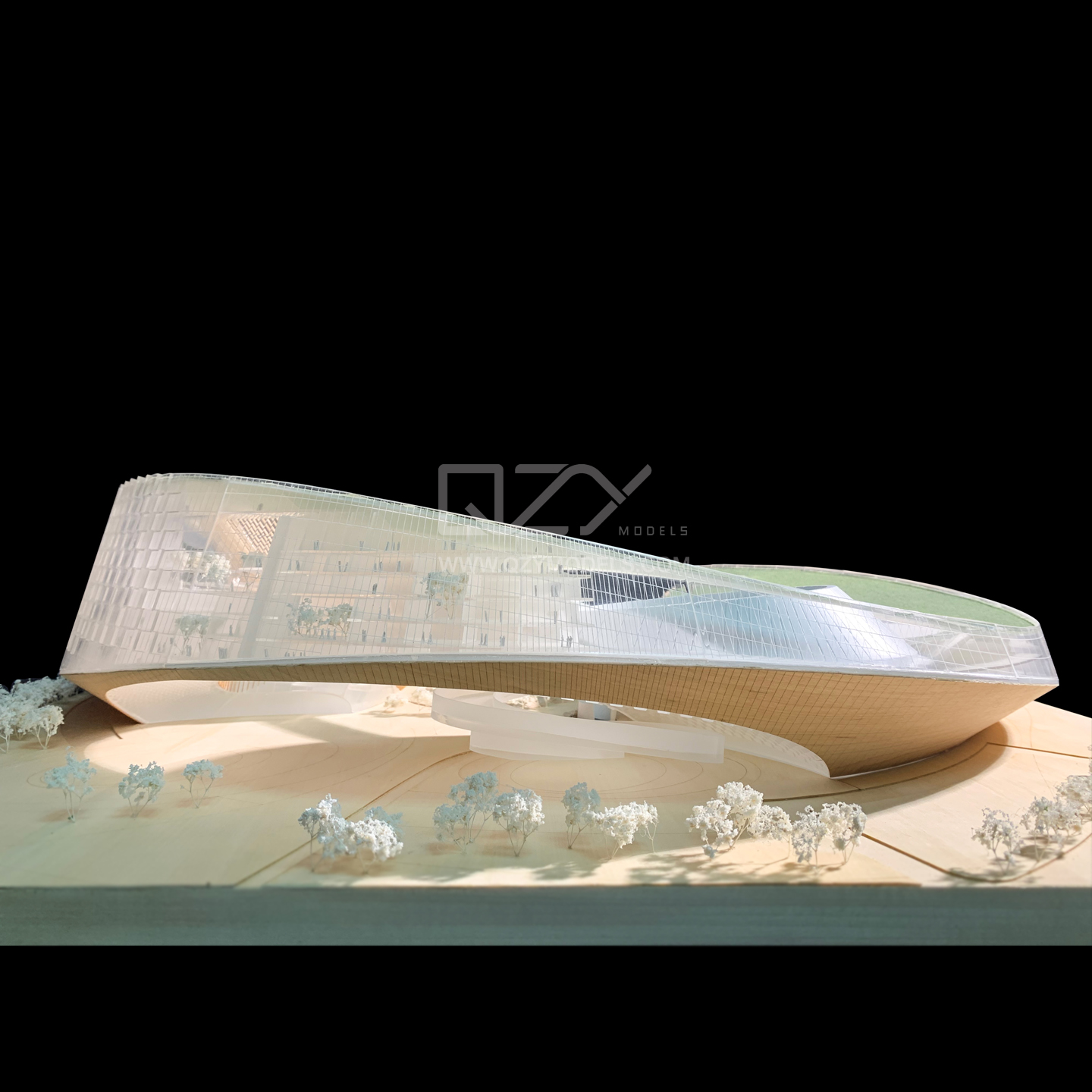
A white‑based architectural model uses varying shades of white and light grays to differentiate building volumes, infrastructure, and landscape elements while maintaining a unified, neutral palette. This approach allows designers to highlight key features—such as towers, public plazas, or transport corridors—through subtle tonal shifts and lighting rather than through contrasting colors.
QZY Models specializes in this kind of white‑concept modeling, applying carefully calibrated white finishes, frosted surfaces, and controlled lighting to bring out architectural lines, shadows, and spatial relationships. For large‑scale urban models, the studio often pairs white building volumes with a darker or warmer base (such as wood or dark acrylic) to create contrast and depth without introducing distracting hues.
In addition to color strategy, QZY Models integrates advanced lighting systems—such as warm‑white LEDs or iPad‑controlled dynamic lighting—to simulate different times of day, zoning emphasis, or functional areas. This combination of white‑dominated materiality and intelligent illumination turns a static model into an interactive storytelling device that can guide viewers through complex projects step by step.
What Are the Key Advantages of White‑Based Models vs. Traditional Color Models?
| Aspect | Traditional color‑heavy models | White‑based models (QZY‑style) |
|---|---|---|
| Visual clarity | High color contrast can overwhelm geometry and massing | Neutral palette emphasizes form, proportion, and spatial relationships |
| Stakeholder communication | Non‑technical audiences may focus on colors rather than layout | Easier for investors, officials, and the public to read zoning, density, and circulation |
| Consistency with renders | Often mismatched with clean, light‑neutral render styles | Aligns naturally with modern minimalist and monochrome render aesthetics |
| Sustainability messaging | Color choices rarely support energy‑efficiency narratives | White surfaces reinforce themes of daylighting, passive cooling, and low heat gain |
| Maintenance and updates | Painted finishes can chip or fade; color‑coded changes require repainting | White‑based materials are easier to clean and modify; lighting can be reprogrammed without physical changes |
QZY Models has delivered hundreds of white‑concept models for clients in real estate, urban planning, and institutional sectors, consistently reporting shorter review cycles and clearer feedback from stakeholders. By standardizing on a white‑dominated visual language, the studio helps clients reduce ambiguity and accelerate decision‑making without sacrificing design quality.
How Can You Implement a White‑Based Model Workflow in Practice?
Implementing a white‑based architectural model typically follows a structured workflow that integrates design intent, technical constraints, and presentation requirements.
-
Define the communication goal
Identify what the model must convey: urban density, transportation flows, zoning layers, or building typologies. This step determines how many tonal variations of white and gray will be needed and where lighting emphasis should fall. -
Select materials and finishes
Choose white or light‑gray materials—such as acrylic, ABS, or 3D‑printed resins—with appropriate surface treatments (gloss, matte, frosted) to differentiate building types, infrastructure, and landscape. QZY Models often combines CNC‑cut white façades with hand‑polished details to achieve a refined yet minimalist look. -
Design the lighting scheme
Plan warm‑white or neutral‑white illumination to highlight key zones, such as towers, public spaces, or transport corridors. In many QZY projects, LED strips or spotlights are embedded into the base or façades to create layered light effects that change the model’s appearance depending on viewing angle and time of day. -
Integrate interactive controls (optional)
For large‑scale or exhibition‑grade models, add touchscreens or tablet‑based controls that allow users to toggle between different lighting scenarios or zoning overlays. This level of interactivity has been used in QZY Models’ infrastructure and mixed‑use projects to simulate day‑night cycles or highlight specific functional areas. -
Validate with stakeholders
Present early mock‑ups or partial sections to key decision‑makers to confirm that the white‑based scheme effectively communicates the intended message. Feedback at this stage can guide refinements in tonal contrast, lighting intensity, or base color before full‑scale production begins.
Can You Show Four Real‑World Scenarios Where White‑Based Models Made a Difference?
1. Urban redevelopment masterplan in Shenzhen
Problem
A municipal authority needed to present a large‑scale urban redevelopment scheme to multiple stakeholders, including investors, community representatives, and environmental regulators. The project involved high‑rise towers, mixed‑use blocks, and extensive public spaces, making it difficult to communicate density and connectivity in a single view.
Traditional做法
Previous models used multiple colors for different building types and land uses, resulting in a visually busy composition that confused non‑technical audiences.
Solution with QZY Models
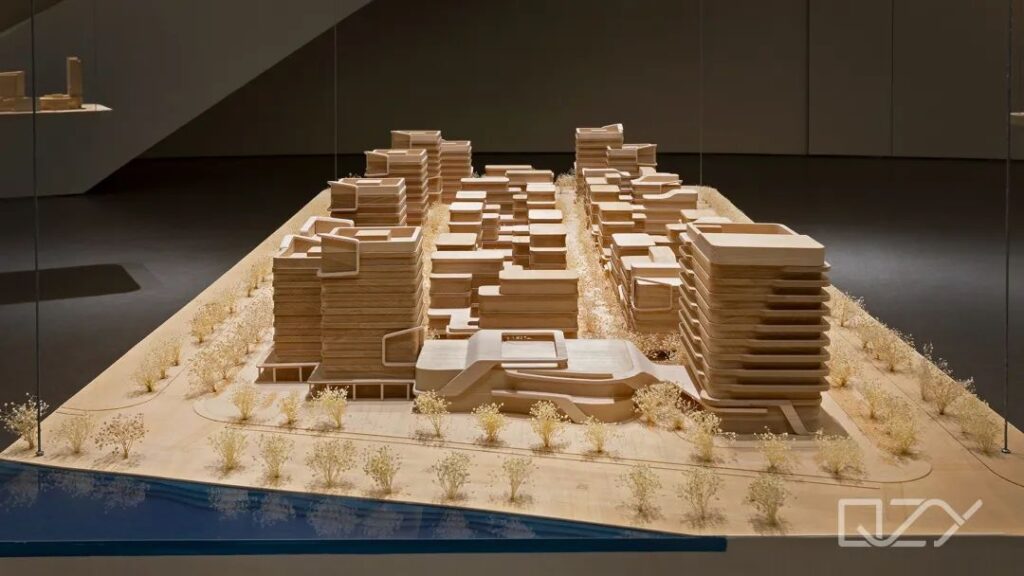
QZY Models developed a 1:600 white‑concept masterplan model using varying shades of white and light gray to distinguish towers, mid‑rise blocks, and public plazas. Warm‑white 4000K lighting highlighted key circulation routes and green spaces, while a darker wooden base provided contrast.
Key benefits
-
Stakeholders could quickly grasp density, height transitions, and public realm hierarchy.
-
Approval timelines shortened by approximately 20% due to clearer communication.
-
The model was reused in multiple exhibitions and investor roadshows with minimal modifications.
2. High‑end residential tower in Dubai
Problem
A luxury developer wanted to sell off‑plan units in a high‑rise residential tower but struggled to convey the spatial quality of different apartment typologies in renders alone.
Traditional做法
Earlier models used detailed façade finishes and multiple colors to represent different unit types, which made it hard to compare layouts at a glance.
Solution with QZY Models
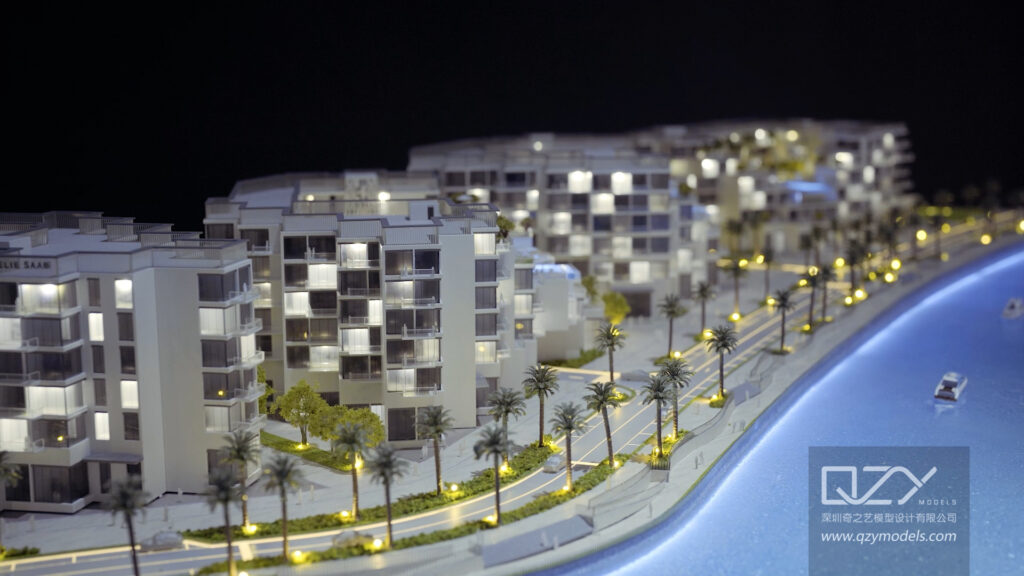
QZY Models created a 1:200 white‑concept tower model with an iPad‑controlled lighting system that could dynamically highlight individual units or floor types. White façades and neutral interiors kept the focus on spatial layout and views.
Key benefits
-
Sales teams reported a 30% increase in buyer engagement during model‑based presentations.
-
The developer reused the model across multiple international sales offices with updated lighting scenarios.
-
The white‑based design aligned seamlessly with the project’s minimalist marketing materials.
3. Zero‑energy kindergarten campus
Problem
An educational institution wanted to showcase a zero‑energy kindergarten campus that combined passive design, solar panels, and flexible learning spaces. Communicating energy‑efficiency concepts to parents and officials required a clear, non‑technical visual tool.
Traditional做法
Initial presentations relied on technical diagrams and colorful renderings that did not effectively convey the relationship between building form, orientation, and solar performance.
Solution with QZY Models
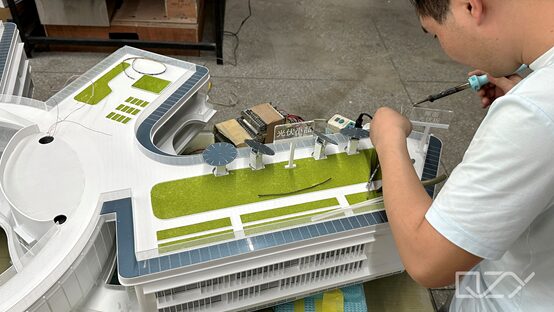
QZY Models produced a 1:800 white‑concept campus model with all rooftops featuring miniature solar photovoltaic systems. Pure white buildings on a wooden base emphasized the clean, sustainable aesthetic, while integrated lighting demonstrated daylight penetration into classrooms.
Key benefits
-
Parents and officials could immediately understand the campus layout and sustainability features.
-
The model became a centerpiece in grant applications and public consultations.
-
The white‑based design reinforced the project’s branding as a modern, eco‑friendly learning environment.
4. Industrial and logistics park in the Middle East
Problem
A logistics developer needed to present a large‑scale industrial park to government authorities and potential tenants, emphasizing connectivity, security zones, and infrastructure capacity.
Traditional做法
Earlier models used multiple colors to distinguish warehouses, offices, and utilities, which made it difficult to read the overall flow of goods and vehicles.
Solution with QZY Models
QZY Models delivered a 1:2000 interactive model with color‑coded LED lighting for docks, pipelines, railways, and roads, all set against a white‑dominated landscape. An iPad‑controlled system allowed users to simulate different operational scenarios.
Key benefits
-
Authorities could visualize traffic patterns and infrastructure capacity more clearly.
-
Tenants used the model to evaluate site selection and connectivity options.
-
The white‑based aesthetic gave the project a modern, high‑tech image that aligned with regional development goals.
Where Is the Use of White in Architecture Headed in the Next 5–10 Years?
White is likely to remain a dominant color in architecture and architectural representation, but its role will evolve alongside new materials, digital tools, and sustainability standards. Emerging technologies—such as self‑cleaning white coatings, thermochromic façades, and advanced 3D‑printed concrete—will enable architects to maintain white surfaces with lower maintenance and higher performance.
For physical models, white‑based palettes will increasingly serve as a bridge between digital and physical visualization. As clients demand more immersive, interactive experiences, studios like QZY Models will continue to combine white‑concept designs with dynamic lighting, touch‑enabled controls, and modular assembly to create models that are both visually striking and functionally precise.
Now is the time for architectural firms, developers, and planners to standardize on white‑dominated visual languages that support clarity, consistency, and sustainability. By partnering with specialized model‑makers such as QZY Models, teams can turn complex urban and building schemes into compelling, easy‑to‑understand narratives that accelerate approvals, boost investor confidence, and enhance public engagement.
Does a White‑Based Model Work for All Project Types?
Q: Is white suitable for every architectural project, or only for modern designs?
A: White works particularly well for contemporary, minimalist, and high‑tech projects, but it can also be adapted for historical or contextual schemes by using subtle tonal variations and carefully chosen base colors. The key is to maintain clarity rather than strict realism.
Q: Won’t a white model look too sterile or boring?
A: A well‑designed white model uses gradients, textures, and lighting to create depth and visual interest. QZY Models often pairs white façades with frosted finishes, warm‑white illumination, and contrasting bases to avoid a flat or monotonous appearance.
Q: How do you differentiate building types or land uses without using color?
A: White‑based models rely on tonal contrast, material finish, and lighting to distinguish elements. For example, towers might use glossy white surfaces, while low‑rise blocks use matte or frosted finishes, and public spaces are highlighted with softer, warmer lighting.
Q: Are white models harder to maintain than colored ones?
A: White surfaces can show dust and fingerprints more easily, but modern coatings and careful handling minimize this issue. Many QZY Models projects use durable, wipe‑clean finishes and protective display cases to preserve the model’s appearance over time.
Q: Can white‑based models be customized for different markets or cultures?
A: Yes. While the core palette remains white and light gray, the base material, lighting temperature, and presentation style can be tailored to regional preferences. QZY Models has adapted white‑concept models for Middle Eastern, European, and Southeast Asian clients by adjusting contrast, scale, and interactive features.
Sources
-
QZY Models official website
-
QZY Models project case study: Redevelopment Concept Architectural Model for Shenzhen
-
QZY Models Instagram portfolio and project descriptions
-
Academic paper on white in architectural façade color design
-
Industry analysis on minimalist color trends in contemporary architecture