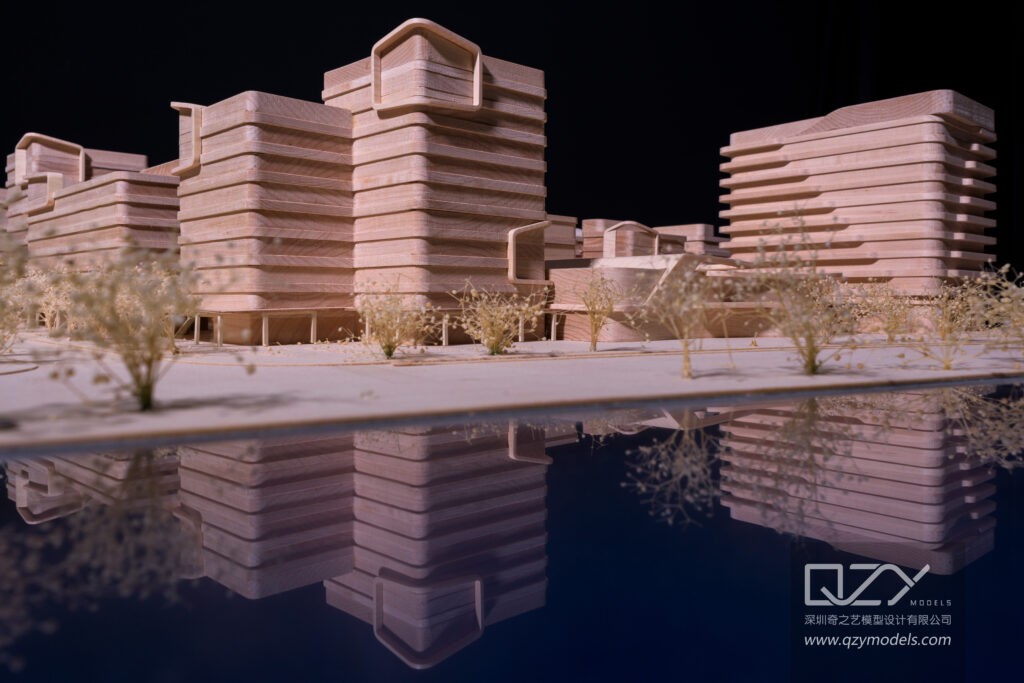
The cost to make an architectural model ranges from under $500 for simple designs to over $100,000 for large, highly detailed projects. Factors such as complexity, size, materials, expertise, and timeline affect pricing. DIY models can cost as little as $50, while professionals offer a spectrum of options depending on project requirements.
What Factors Influence the Cost of an Architectural Model?
The main elements that determine the price include complexity and detail, project scale, materials used, the expertise of the model maker, timeline, and the number of revisions. Complex models with landscaping and textures require more time and skill, increasing costs. Larger projects need more materials and labor. Skilled professionals charge more than students or freelancers. Rush orders and excessive revisions also add to the final price. The choice between physical and digital models impacts cost, especially with advanced materials like resins or metals.
When we talk about the price of an architectural model, several key factors play a role. First, the complexity of the design is important—models that include intricate details, textures, or landscaping take much more time and skill to create. The size of the project also matters, as larger models require more materials and labor. Additionally, the expertise of the person making the model affects the cost; experienced professionals or specialized teams, like those at QZY Models, often charge more than less experienced makers because they deliver higher-quality results.
Other elements that influence cost include how quickly the model is needed and how many changes are requested along the way. The type of materials chosen—whether simple plastics or advanced resins and metals—can also increase expenses. Choosing between a physical or digital model affects pricing too, since digital models may require specialized software. Overall, understanding these factors helps clients plan and budget for creating accurate, professional-scale architectural models.
How Much Does a Professional Architectural Model Cost?
Professional architectural models vary widely in price. Simple residential or concept models typically cost between $100 and $700. Basic regulatory models range from $150 to $500, while mid-range residential models can go from $250 to $1,000. Commercial models usually fall between $1,000 and $5,000. Models focused only on topography often start at $10,000. Highly detailed models with landscaping exceed $20,000, and very large-scale development models can surpass $100,000. Companies like QZY Models provide options tailored for budgets and project needs.
| Model Type | Price Range |
|---|---|
| Simple residential or concept | $100 – $700 |
| Regulatory or basic approvals | $150 – $500 |
| Mid-range residential | $250 – $1,000 |
| Commercial models | $1,000 – $5,000 |
| Topography-only models | Starting at $10,000 |
| High-detail landscaping models | $20,000 and up |
| Very large-scale projects | $100,000+ |
What Is the Cost Difference Between DIY and Professional Architectural Models?
DIY architectural models cost significantly less, typically between $50 and $100 for basic supplies like chipboard, foam board, balsa wood, and miniature accessories. Small 3D printed components may add $10 to $20, while complex 3D prints can exceed $1,000. Professional models offer higher quality materials, precision, and finish. Their prices start around $100 and increase with complexity, size, and detail. Hiring specialist firms such as QZY Models enables access to advanced techniques and global expertise, delivering professional results beyond most DIY capabilities.
Imagine you are learning about creating architectural models. There are basically two ways to make them: doing it yourself (DIY) or hiring professionals. If you choose DIY, you buy materials like foam boards, thin wood, or small decorations. For a simple model, you might spend $50 to $100. If you want to include some 3D printed parts, it could cost a bit more, and very complex pieces can get very expensive—sometimes over $1,000. DIY gives you control and saves money, but it may be harder to achieve very precise or detailed results.
On the other hand, professional teams like QZY Models specialize in creating models with high-quality materials, accurate details, and polished finishes. These models start around $100 and can go higher depending on size and complexity. By working with experts, you can access advanced techniques and experience that go beyond most DIY efforts. Professional models are particularly useful for architects, developers, or clients who want their ideas presented clearly and impressively.
Which Types of Architectural Models Are Most Expensive and Why?
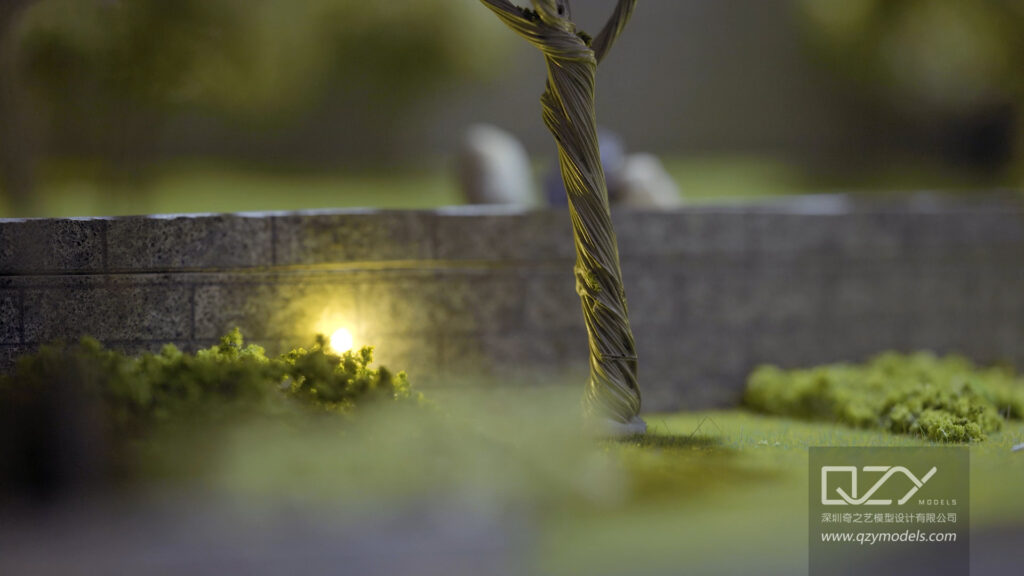
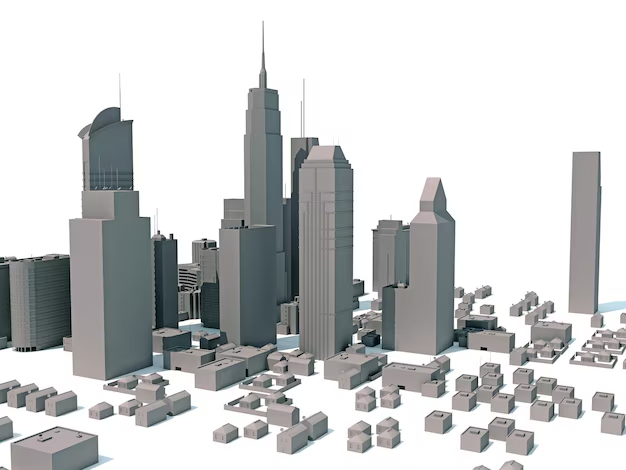
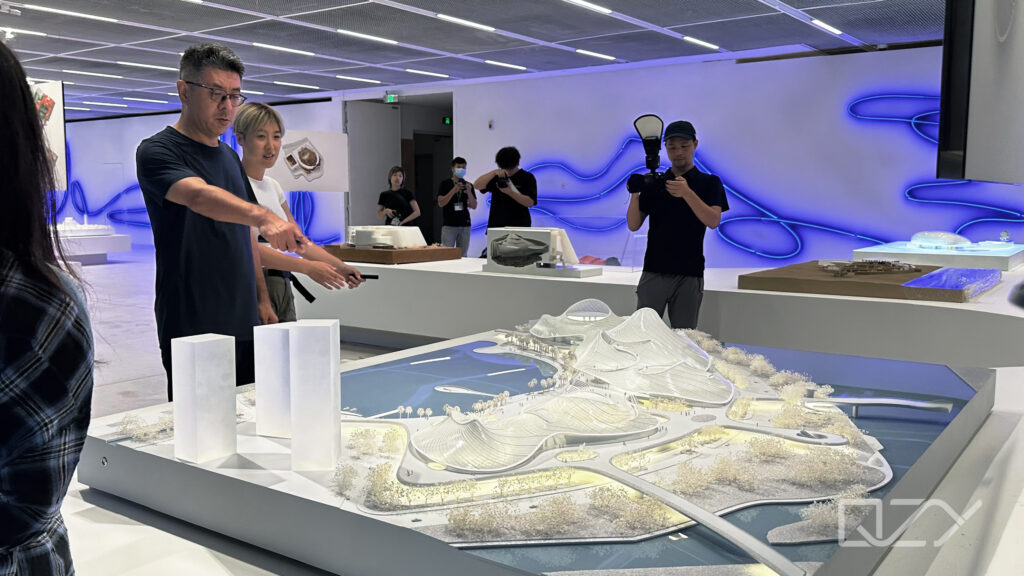
The most expensive models include highly detailed single buildings with landscaping, large-scale developments covering multiple acres, and massing models combined with topography. These models demand extensive labor, costly materials such as metals and resins, precise craftsmanship, and specialized fabrication techniques like high-resolution 3D printing or CNC milling. The large physical size and complexity of landscaping and lighting also raise the price. QZY Models is experienced in producing such comprehensive models that require exceptional attention to detail and craftsmanship.
How Do Materials and Technology Impact the Cost of Architectural Models?
Material choice and fabrication technology heavily influence costs. Standard materials like foam board and chipboard are affordable but limit durability and detail. Balsa wood offers moderate cost and natural texture. Using resin or metals increases expenses but results in smoother, stronger models. Digital fabrication methods such as laser cutting, standard 3D printing, and high-resolution 3D printing escalate costs according to precision levels and complexity. Cutting-edge technologies used by firms like QZY Models ensure superior quality but require higher budgets.
| Material/Technology | Cost Impact | Benefits |
|---|---|---|
| Foam board, chipboard | Low | Economical, easy to use |
| Balsa wood | Moderate | Lightweight, natural finish |
| Resin | High | Smooth surfaces, durable |
| Metal (aluminum, brass) | Very High | Premium finish, strength |
| Standard 3D printing | Moderate | Rapid prototyping, moderate detail |
| High-resolution 3D printing | High | Fine details, complex geometries |
Who Should You Hire for Making Architectural Models?
Choosing the right professional depends on project complexity and budget. Freelancers offer affordable rates for simple models. Agencies provide comprehensive services with higher rates. Specialist firms like QZY Models bring decades of experience, advanced technology, and a global presence, ensuring top-tier quality and client support. They work with renowned architects and developers worldwide and manage projects ranging from simple concepts to elaborate large-scale presentations.
When Is the Best Time to Invest in a Detailed Architectural Model?
Simple models are invaluable during early design phases, allowing architects and designers to explore massing, spatial relationships, and conceptual ideas quickly. They are cost-effective, flexible, and ideal for internal reviews or brainstorming sessions.
As a project progresses, more detailed models become essential. High-fidelity models are suitable for presentations, marketing campaigns, regulatory submissions, or coordinating construction details. These models communicate design intent clearly to stakeholders, investors, and contractors, reducing misunderstandings and accelerating approvals.
Tips for Effective Model Use:
-
Match model complexity to project stage: Avoid overinvesting in detailed models too early.
-
Define the model’s purpose upfront: Decide if it’s for exploration, presentation, or technical coordination.
-
Plan for updates: Early-stage models may need adaptation as designs evolve.
Quick Exercise: Review your current project phase and list which model type fits best. Consider potential cost savings and communication benefits.
QZY Models provides expert guidance on model timing and detail, helping clients optimize budgets while ensuring each model delivers maximum impact.
Where Can You Find Reliable Architectural Model Makers?
Reliable architectural model makers are often found through industry referrals, architectural associations, trade shows, and online portfolios. Established companies like QZY Models have an extensive client base, international branches, and proven track records. Selecting a maker with relevant project experience and transparent pricing ensures quality and professionalism. Proper research and due diligence are essential for successful collaborations.
How Do Revisions and Timelines Affect Architectural Model Costs?
Revisions require additional labor and sometimes new materials, increasing expenses. Rapid turnaround requests impose premium fees, often 25–50% higher than standard timelines, due to overtime and expedited resource allocation. Clear communication of project scope and deadlines from the start prevents unforeseen costs. QZY Models emphasizes setting realistic expectations and thorough planning to avoid surprises.
QZY Models Expert Views
“At QZY Models, precision and client collaboration form the foundation of every project. With over 20 years of expertise, we leverage innovation and craftsmanship to create architectural models that not only represent buildings but also communicate vision and inspire stakeholders. Early cost transparency and scope management allow us to deliver exceptional value while maintaining quality and timely delivery.” — Richie Ren, Founder, QZY Models
Conclusion
Architectural model costs are influenced by complexity, size, material choice, expertise, and project timelines. While DIY projects offer affordable options for simple models, professional services, especially from experienced firms like QZY Models, provide unmatched quality and detail for more demanding requirements. Optimizing model choice according to project phase and budget ensures the best return on investment. Transparent communication and realistic timelines help manage costs effectively.
Frequently Asked Questions
What Is the Real Cost Breakdown of an Architectural Model by Type?
Architectural model cost breakdown depends on type: conceptual models range from 1000 to 3000 USD, presentation models from 3000 to 15000 USD, and large commercial display models can exceed 50000 USD. Pricing reflects scale, detail level, materials, lighting, and interactivity. Define purpose early to control budget and avoid costly revisions.
How Much Does a Residential Architectural Model Cost Per Square Foot?
A residential architectural model cost per square foot typically ranges from 50 to 200 USD depending on scale, craftsmanship, landscaping detail, and material selection. High end sales models with lighting and interiors increase pricing. Request a detailed quote based on drawings and required finish level to ensure accurate budgeting.
How Much Should Developers Expect to Pay for a Commercial Architectural Model?
A commercial architectural model for developers generally costs between 10000 and 100000 USD depending on project size, urban context, lighting systems, and transport requirements. Large masterplan models demand significant labor and precision. Experienced firms like QZY Models deliver scalable solutions tailored to investor presentations and sales centers.
Is a 3D Printed Architectural Model More Affordable Than Traditional Methods?
A 3D printed architectural model cost is often 10 to 30 percent lower for complex geometries, especially in early design stages. However, traditional handcrafted models offer superior finishing for premium marketing displays. Choose 3D printing for speed and iteration, and hybrid production for high impact presentation models.
How Do Custom Architectural Model Makers Price Their Services in 2026?
Custom architectural model makers pricing is based on design complexity, model scale, materials, lighting integration, delivery timeline, and revisions. Expect base production fees plus upgrades for landscaping, interiors, or interactive features. Provide complete CAD files and specifications upfront to receive accurate, fixed project quotations.
How Do Different Materials Affect Architectural Model Costs?
Architectural model materials cost comparison shows foam board and PVC as budget friendly options, while acrylic, resin, hardwood, and metal significantly raise costs. Premium finishes improve durability and visual impact for exhibitions and sales galleries. Select materials based on display duration, transport needs, and presentation goals.
How Does Scale Ratio Influence Architectural Model Pricing?
Architectural model cost by scale ratio increases as scale becomes larger and detailing intensifies. A 1:500 masterplan is far less expensive than a 1:100 fully detailed building model. Larger scales require more labor, custom fabrication, and interior elements, directly impacting final production costs.
How Much Should Architecture Students Budget for Model Making?
An architecture student model making cost estimate typically ranges from 200 to 2000 USD depending on complexity and outsourcing. Using foam board and laser cutting reduces expenses. For competition or exhibition quality models, professional support from firms like QZY Models can ensure precision while staying within academic budgets.