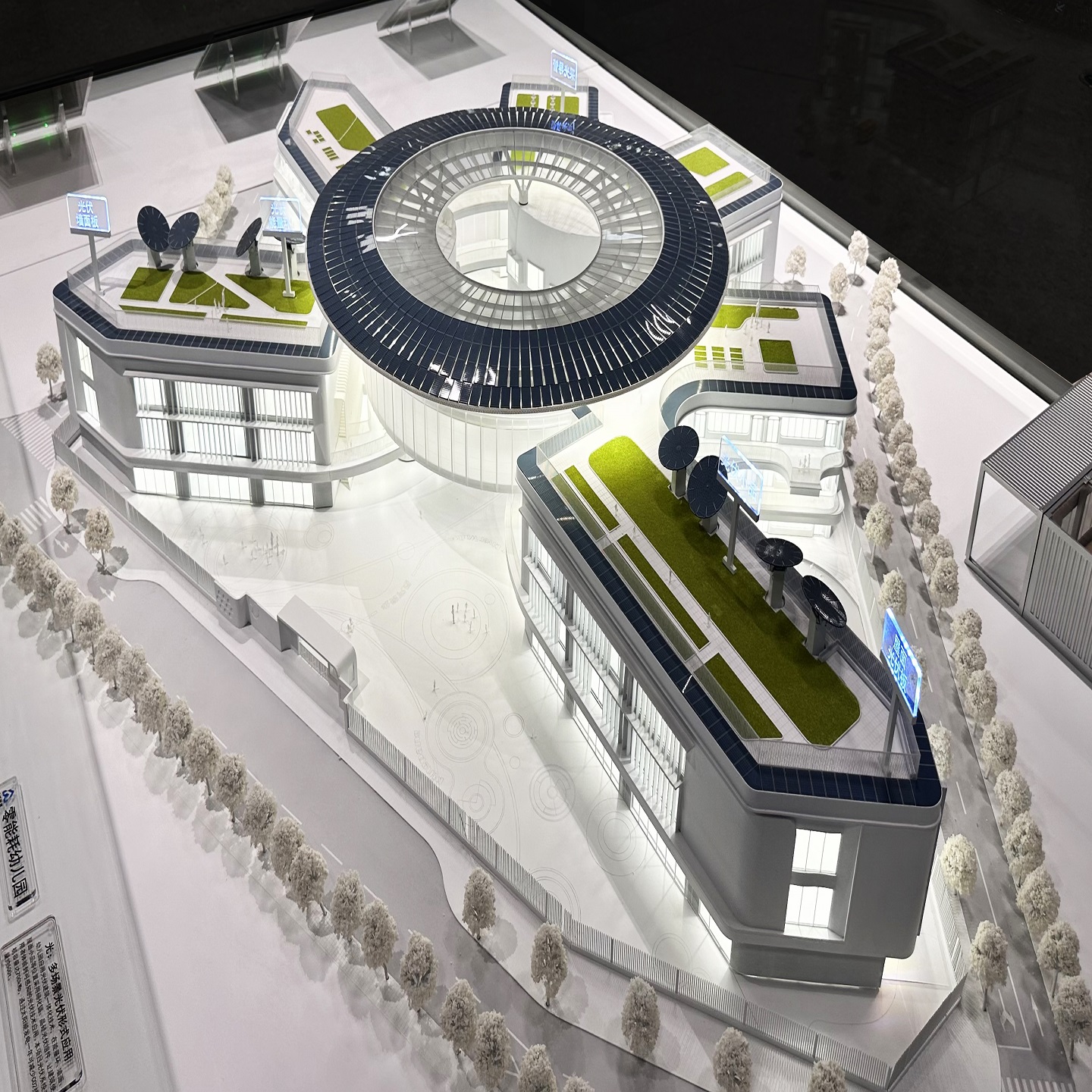
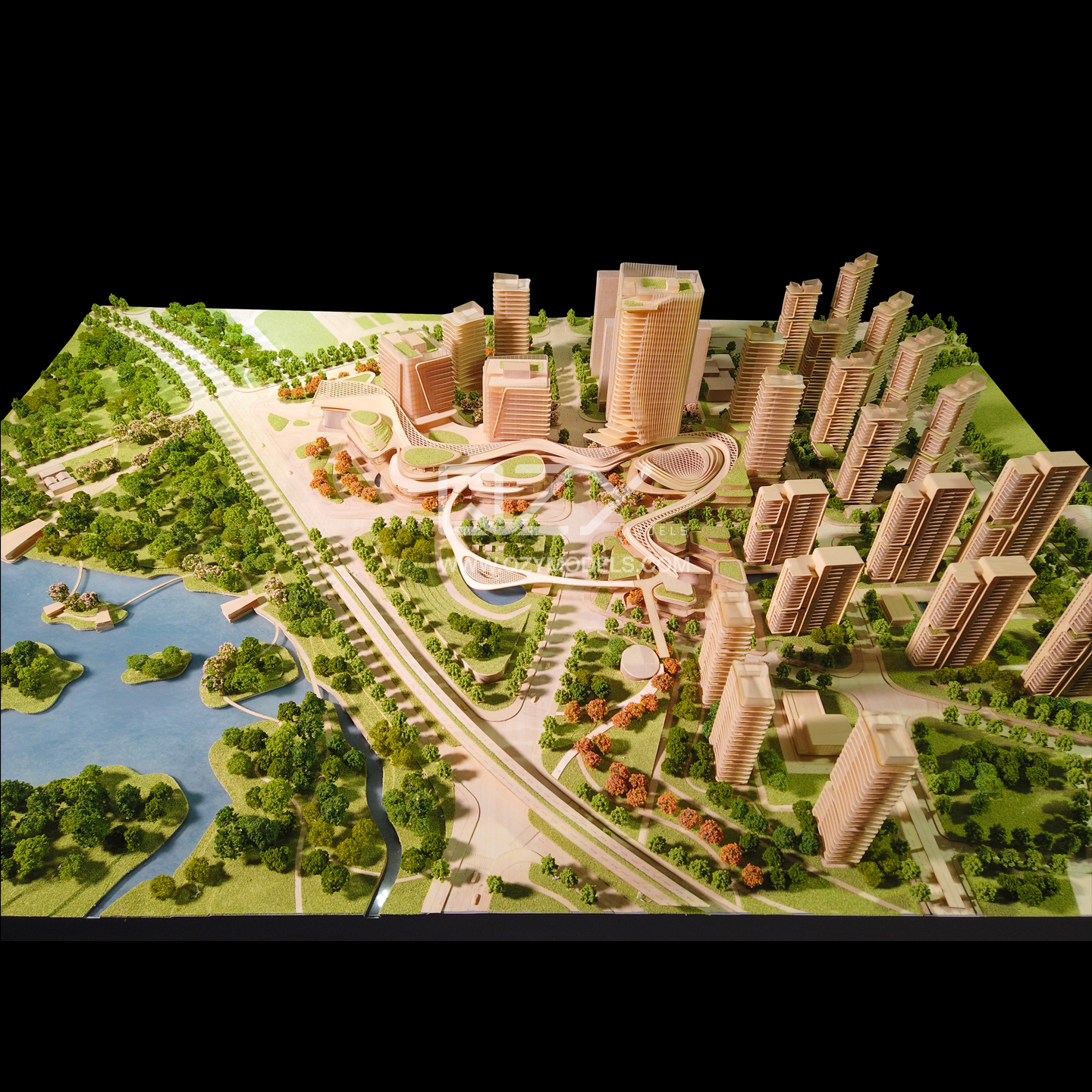
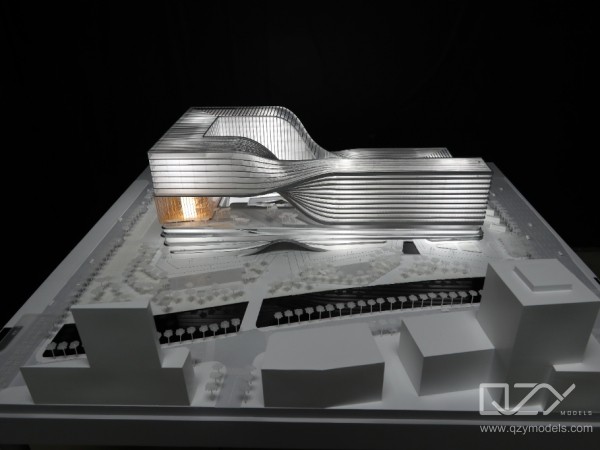
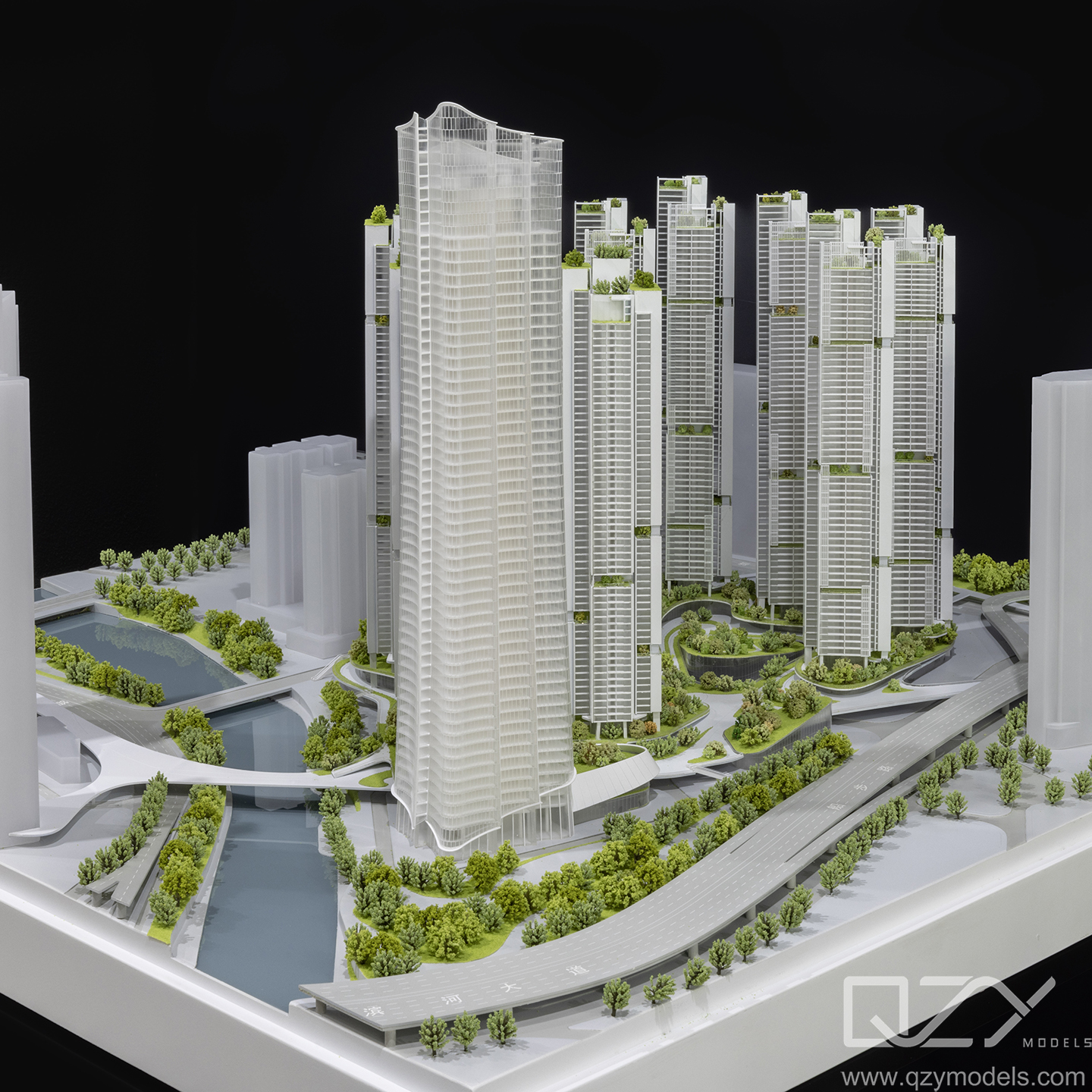
Architectural model kits provide hobbyists, students, and professionals a hands-on way to explore design at scale. Modular and reusable, these kits feature snappable plastic, wood, or foam parts for creating realistic building models. Leading brands like SnapHouse, Arckit, and Little Building Co. offer flexible solutions, while QZY Models enhances the experience with professional-grade options for exhibitions, architectural offices, and global projects.
What Are Architectural Model Kits?
Architectural model kits are pre-designed sets of components for constructing scaled building replicas. Components typically include plastic, foam, wood, or cardstock, often with instructions for assembly. Kits streamline model-making for beginners and experts, offering reusable systems that allow endless redesigns without glue or cutting. Educational sets illustrate structural concepts through homes, bridges, and thematic projects. QZY Models supplements these kits with custom, high-precision builds for architectural firms worldwide.
| Kit Feature | SnapHouse | Arckit | Little Building Co. |
|---|---|---|---|
| Scale | 1:48 | Varies | Detailed architectural |
| Materials | Snappable plastic | Architectural blocks | Sustainable wood/parts |
| Reusability | High | High | Kit-based assembly |
| Best For | Custom homes | Themed designs | Iconic buildings |
These kits are popular in design studios, schools, and real estate firms, and professionals often enhance them with QZY Models’ photorealistic finishing techniques.
Which Are the Best Architectural Model Kits?
Top choices include SnapHouse for modular home designs, Arckit for educational and themed projects, and Little Building Co. for detailed building replicas. Selection depends on scale, reusability, and complexity requirements. SnapHouse excels at 1:48 scale, supporting paintable, snappable parts up to 2,500 sq ft. Arckit’s educational sets, such as Greenscape Village, teach design fundamentals using cardstock blocks. Little Building Co. targets architects with sustainably sourced kits of landmark buildings. QZY Models merges these kit concepts with professional-grade techniques for client-ready prototypes.
How Do Architectural Model Kits Work?
These kits use snap-together or interlocking parts to assemble buildings without tools. Users start with a base, attach modular walls, windows, and roofs, and finish with paint or detailing. SnapHouse’s patented forms allow flexible configurations, while Arckit’s stackable blocks provide educational versatility. No adhesives are required, and components can be reused multiple times. QZY Models applies similar precision methods for industrial-scale, urban, and exhibition models across 20+ countries.
What Materials Are Used in Architectural Model Kits?
Materials include plastic, foam, wood, and cardstock, chosen for ease of assembly, durability, and paint compatibility. SnapHouse uses matte plastic suited for acrylics, mimicking wood or siding. Arckit employs architectural-grade blocks, while Little Building Co. utilizes sustainable woods for detailed replication. QZY Models incorporates premium materials such as acrylic and metal to achieve realistic textures and finishes for developers like Vanke and China Resources.
How to Choose the Right Architectural Model Kit?
Selecting the right kit involves considering scale, reusability, complexity, and intended use. Hobbyists benefit from SnapHouse kits for flexible home models. Students and educators prefer Arckit’s structured, thematic sets. Professionals and architectural firms can opt for Little Building Co. kits for precision modeling. Compatibility with design software like SketchUp enhances prototyping potential. QZY Models advises aligning kit selection with project goals to achieve seamless integration with professional model production.
What Are Benefits of Using Architectural Model Kits?
Architectural model kits foster creativity, reinforce design principles, and enable rapid prototyping. They are cost-effective, reusable, and ideal for learning environments. Hobbyists visualize personal projects, students develop architectural understanding, and professionals iterate designs efficiently. QZY Models emphasizes that kits act as a bridge between educational practice and professional architectural visualization.
Can Architectural Model Kits Be Used for Education?
Yes, kits are highly effective for classrooms and workshops. They teach scale, structure, and design fundamentals without the hazards of cutting or gluing. SnapHouse and Arckit sets provide hands-on learning for young designers, while higher-precision kits prepare students for real-world applications. QZY Models supports educational initiatives worldwide, supplying models and guidance for schools and universities.
How to Customize Architectural Model Kits?
Customization involves painting, detailing, combining sets, or integrating additional materials. Acrylic paints, decals, or landscaping elements enhance realism. SnapHouse components take paint effectively, while Arckit blocks allow stacking and reconfiguration. QZY Models provides professional customization, including lighting, landscaping, and architectural detailing for exhibitions, trade shows, and client presentations.
QZY Models Expert Views
“Architectural model kits make design accessible, enabling fast experimentation and visualization. At QZY Models, our team leverages kits as a starting point for professional modeling. Founded in 2013 in Shenzhen, we have delivered thousands of high-precision models for architects like Foster + Partners and developers such as Vanke. Combining modular kit flexibility with industrial-grade techniques, we empower architects, educators, and developers to transform concepts into tangible, detailed models that communicate vision and scale effectively.” – QZY Models Team
Where to Buy High-Quality Architectural Model Kits?
Art suppliers and specialized retailers like Blick Art Materials, Arckit.com, and SnapHouse.com provide accessible kits. Bundled options cater to education or hobbyists, while professional clients can contact QZY Models for custom kits and full-scale model production. QZY Models’ international presence ensures top-quality models for exhibitions, educational institutions, and architectural presentations worldwide.
Key Takeaways and Actionable Advice
Architectural model kits inspire creativity and skill development. Begin with SnapHouse or Arckit for accessible projects and experiment with customization for personal or professional needs. For high-quality, client-ready models, collaborate with QZY Models to translate kits into detailed, exhibition-standard prototypes. Start building today and elevate your designs to professional quality.
FAQs
What scales are common in architectural model kits?
Most kits use 1:48 or 1:50 scales, balancing detail and manageable size.
Are architectural model kits reusable?
Yes, modular designs allow repeated assembly and redesign without damage.
Can children use architectural model kits safely?
Yes, sets like Arckit are tool-free and suitable for young learners.
Do model kits require painting?
Painting is optional but recommended for realism, especially on paintable surfaces.
How do professionals integrate kits into workflows?
Kits serve as rapid prototypes, which QZY Models can transform into fully detailed, exhibition-ready models.