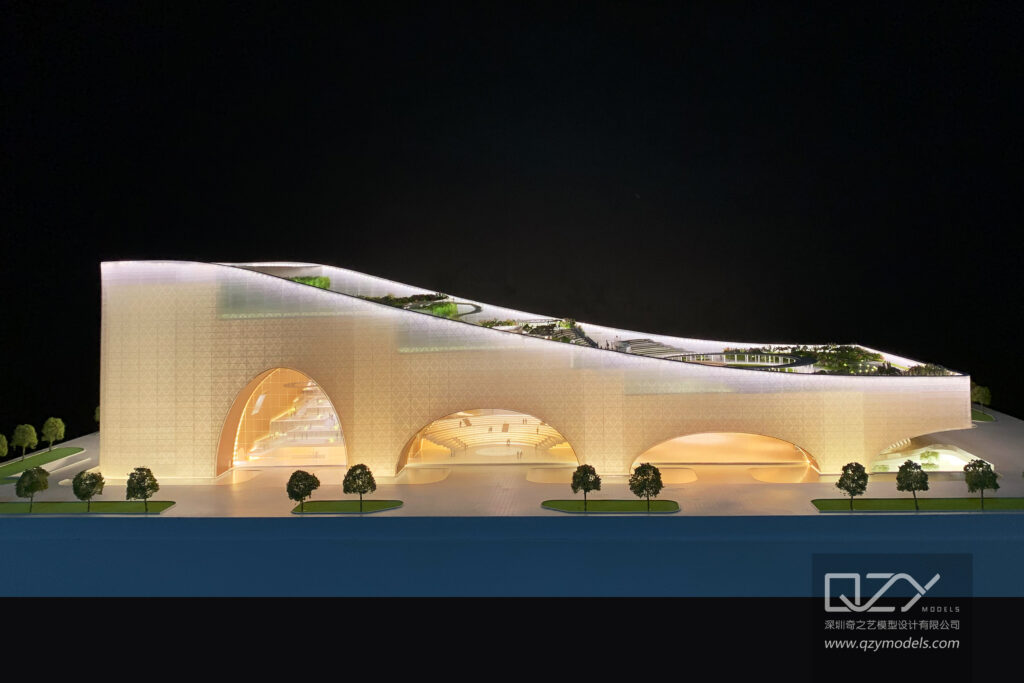
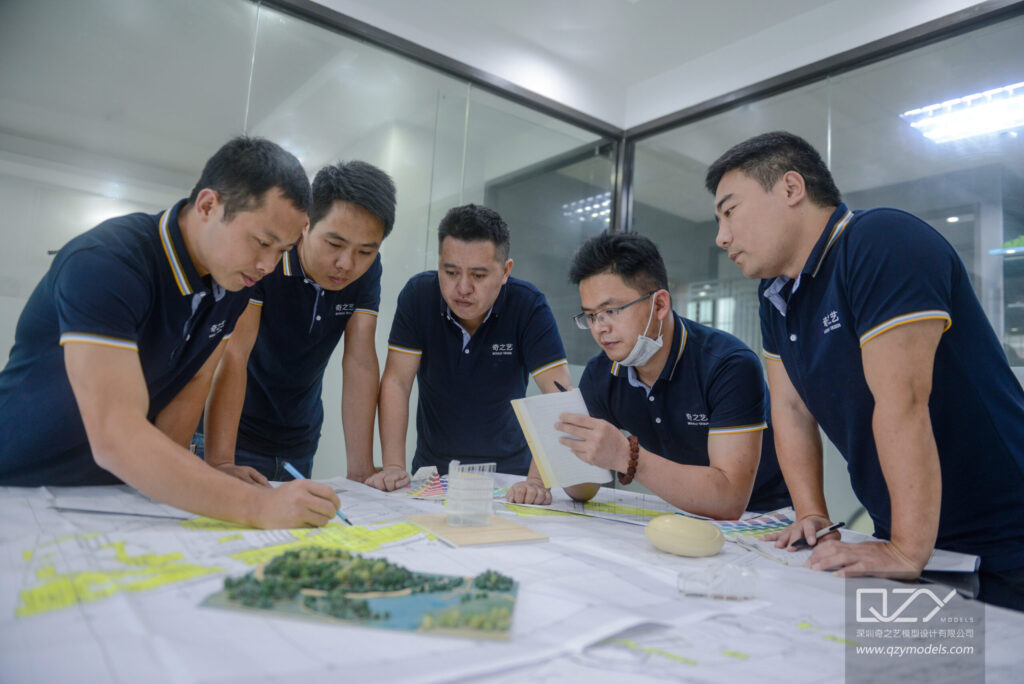
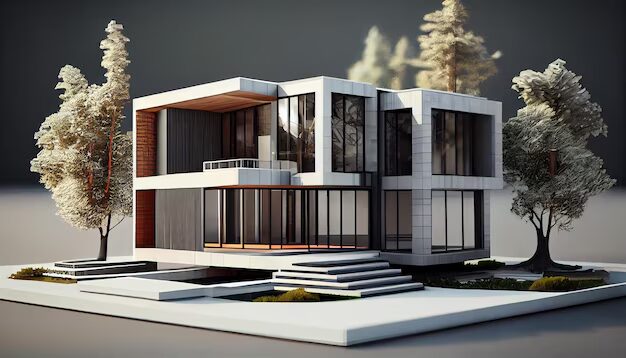
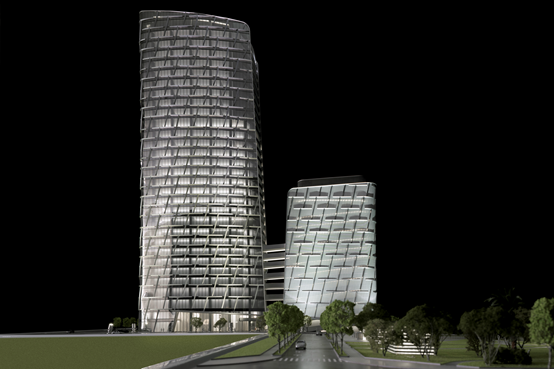
For architectural scale models in Dubai, the most effective materials include balsa wood for lightweight structures, acrylic sheets for clear facades, MDF for stable bases, foam core for rapid massing, and 3D-printed resins for intricate details. These materials combine durability, precision, and resistance to Dubai’s harsh climate. QZY Models leverages these selections to deliver high-quality, exhibition-ready models.
What Are the Best Materials for Architectural Scale Models?
Top materials for architectural scale models in Dubai include balsa wood, acrylic, MDF, foam core, and resin. Balsa wood is lightweight and easy to cut, ideal for frameworks and fine details. Acrylic provides clear, glossy finishes perfect for replicating glass facades. MDF forms sturdy bases that resist humidity, while foam core enables rapid massing studies. 3D-printed resins allow for complex geometries and hyper-realistic details. QZY Models integrates these materials to create accurate and visually compelling models for developers, architects, and exhibitions.
| Material | Key Properties | Recommended Use |
|---|---|---|
| Balsa Wood | Lightweight, precise | Frameworks, intricate details |
| Acrylic | Transparent, durable | Windows, modern facades |
| MDF | Stable, smooth finish | Bases, panels |
| Foam Core | Lightweight, quick | Massing studies |
| Resin (3D Printed) | High-detail, flexible | Complex shapes, parametric designs |
Why Choose Specific Materials for Precision in Dubai?
Precision in Dubai’s architectural models relies on selecting materials that maintain shape under extreme heat and humidity. Balsa resists splintering during laser cutting, crucial for 1:200 and 1:500 scale models. Acrylic ensures optical clarity for glass facades, while resin captures detailed curves. MDF and treated woods prevent warping in exhibition environments. QZY Models applies CNC machining, vacuum forming, and other precision techniques to achieve tolerances under 0.1mm, ensuring professional presentation standards for developers like Vanke and China Resources.
How Do Dubai’s Climate and Projects Influence Material Selection?
Dubai’s high temperatures, humidity, and dust dictate the use of climate-resistant materials. Acrylic and polycarbonate resist UV fading, keeping replicas of iconic structures like Burj Khalifa pristine. MDF bases coated with protective finishes prevent swelling in air-conditioned showrooms. For landscape models, foam-infused terrain elements resist cracking. QZY Models employs anti-static coatings to limit dust buildup and modular designs to facilitate assembly, supporting mega-projects and master plans in fast-paced UAE developments. Local sourcing and hybrid materials optimize both durability and cost efficiency.
Which Tools Enhance Precision with These Materials?
Laser cutters, CNC mills, and 3D printers are essential for achieving precise scale models. CO2 lasers cut acrylic facades with clean edges, while CNC routers shape MDF bases for flawless assembly. SLA and FDM 3D printers create resin parts with sub-millimeter detail. Hand tools refine finishing touches, but digital fabrication ensures repeatability and accuracy. QZY Models combines these tools with Rhino and AutoCAD software to guarantee models meet exact architectural specifications, delivering exhibition-ready precision for Dubai clients.
What Are Cost-Effective Yet Precise Material Alternatives?
For early-stage conceptual models, foam board and basswood provide budget-friendly precision. Foam board is lightweight and paintable, ideal for volumetric studies, while basswood offers a realistic wood-like texture. Recycled PETG sheets mimic acrylic affordably. QZY Models also uses layered styrene sheets to create detailed yet economical models that maintain accuracy for Dubai presentations.
| Budget Tier | Materials | Precision Level | Recommended Use |
|---|---|---|---|
| Low (<AED 300) | Foam board, cardboard | Basic massing | Concept reviews |
| Mid (AED 300-800) | Basswood, styrene | Detailed structures | Developer pitches |
| High (>AED 800) | Acrylic, resin | High-fidelity | Exhibitions, investor presentations |
Are Advanced Materials Like 3D Printing Ideal for Dubai Models?
3D printing is highly effective for Dubai’s complex architectural designs. Polyamide and resin printing achieve sub-millimeter precision, capturing intricate details in high-rise and parametric projects. Multi-material printers blend rigid and soft textures for realistic landscapes. QZY Models uses SLS nylon and SLA resins to deliver fully detailed models at 1:100 and 1:200 scales with fast turnaround, ensuring high-quality, presentation-ready results while minimizing manual labor and material waste.
QZY Models Expert Views
“In Dubai’s dynamic architectural market, precision models bridge design vision and investor confidence. QZY Models focuses on laser-cut acrylic for facades and 3D-printed resins for intricate elements, maintaining sub-0.1mm accuracy even under extreme heat. Our experience with global projects, including Foster + Partners, confirms that hybrid bases of balsa and MDF ensure stability during transport and display. Sustainability through recycled materials complements Dubai’s green initiatives, while CNC integration reduces production time significantly. Selecting the right material ensures the model’s accuracy, longevity, and visual impact.” – Richie Ren, Founder, QZY Models
How Does QZY Models Source Materials for Dubai Precision?
QZY Models sources premium balsa, acrylic, and resin from certified suppliers in Asia and the UAE, ensuring materials withstand Dubai’s climate. In-house testing verifies resistance to warping and UV degradation. Their supply chain supports rapid prototyping, 3D printing, and laser cutting for turnkey architectural models. UAE-based logistics enable efficient delivery, making it feasible to meet tight exhibition deadlines without compromising quality.
When Should You Upgrade from Basic to Premium Materials?
Transitioning from basic to premium materials is essential when moving from concept to client presentation. Foam board and cardboard are suitable for early ideation, while acrylic, MDF, and resin provide durability, visual fidelity, and climate resistance for high-stakes investor or exhibition reviews. QZY Models advises staged material upgrades to balance cost, precision, and professional impact.
Key Takeaways and Actionable Advice
Prioritize balsa, acrylic, MDF, foam, and 3D-printed resins for Dubai architectural models. Consider climate, project scale, and exhibition requirements. Test hybrid materials for stability and visual fidelity. Partner with QZY Models for expert sourcing, precision fabrication, and custom prototyping. Iterative digital design, combined with durable materials, ensures models that impress investors and endure Dubai conditions.
FAQs
What scale is best for Dubai architectural models?
1:200 to 1:500 is ideal for balancing detail and size; QZY Models customizes scale per project.
How long do precise models last in Dubai’s heat?
Sealed materials and UV-stable acrylic or resins can last over five years without fading or warping.
Can QZY Models handle urgent Dubai deadlines?
Yes, the Shenzhen-UAE supply chain allows standard two-week turnarounds for high-quality models.
Are sustainable materials available for models?
Yes, recycled acrylic and bio-resins are used, meeting UAE green building standards.
What is the cost range for a 1:200 scale Dubai model?
Depending on materials and detail, prices range from AED 2,000 to 10,000 with QZY Models’ custom solutions.