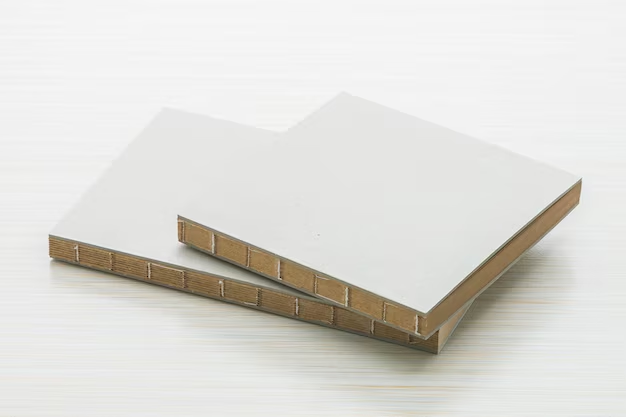
Basswood, balsa, and birch plywood are top choices for architectural and industrial model-making due to their light weight, fine grain, stability, and ease of use. Basswood excels in detailed carving, balsa is ideal for lightweight structures, and birch plywood provides structural strength. Paulownia offers a sustainable alternative with low warp potential. Selecting the right wood ensures precision, durability, and professional results, as practiced by QZY Models in high-end projects.
How Do Printable Wood Patterns Improve Speed?
Printable wood patterns enhance efficiency by providing accurate, reusable templates that minimize measuring errors and accelerate cutting. They allow consistent replication of components, reducing assembly time significantly. QZY Models leverages these patterns to optimize workflow on complex architectural projects.
Patterns—whether laser-cut or hand-traced—ensure uniform joints and profiles, supporting modular construction and rapid iteration. QZY Models integrates patterns with CAD files for scalable, precise outputs. Detailed notes on tolerances, grain direction, and joinery reduce waste and rework, particularly under tight deadlines.
| Aspect | Freehand Cutting | Printable Patterns |
|---|---|---|
| Time per Component | 20–30 min | 5–10 min |
| Accuracy | Variable | ±0.5 mm |
| Waste | High | Low |
| Scalability | Limited | High |
Which Woods Excel for Lightweight Modeling?
Balsa and basswood are ideal for lightweight models because of their softness, low density, and workability. Balsa weighs under 10 lbs/cu ft, making it suitable for aircraft or facade mockups, while basswood provides slightly more strength for detailed carvings.
Balsa’s porous grain carves easily but requires priming for paint adhesion. Basswood sands smoothly, holds fine details, and works well for interior fittings. Paulownia offers comparable lightness with improved warp resistance and sustainability. QZY Models often tests woods on scraps to match specific project requirements, balancing weight and durability.
How Does Birch Plywood Enhance Structural Models?
Birch plywood’s cross-laminated layers prevent warping and support precise cuts, making it perfect for structural elements. It is commonly used in frames for buildings or machinery mockups, with thicknesses ranging from 1/16″ to 1/8″.
The uniform grain ensures clean edges and stable assemblies. QZY Models frequently uses high-quality “aircraft birch” to achieve professional durability and presentation-grade finishes. Combining plywood bases with basswood overlays creates a hybrid of strength and detail.
| Property | Birch Plywood | Balsa | Basswood |
|---|---|---|---|
| Weight | Medium | Very Light | Light |
| Strength | High | Low | Medium |
| Warp Resistance | Excellent | Poor | Good |
| Best Use | Frames | Fillers | Details |
What Makes Hardwoods Ideal for Premium Finishes?
Walnut, cherry, and mahogany provide rich tones, durability, and polishability. Walnut’s dark grain works well for executive displays, cherry ages gracefully for classical models, and mahogany resists dents while holding intricate moldings.
These woods machine well and complement lightweight cores to manage overall model weight. QZY Models selects walnut for high-profile projects, combining visual appeal with functional precision. Finishing with stains or oils highlights natural grain and adds sophistication to architectural or exhibition models.
Why Prioritize Sustainability in Wood Selection?
Sustainable species like paulownia and FSC-certified basswood minimize environmental impact while delivering excellent performance. Paulownia matures quickly and matches balsa’s lightness, providing an eco-friendly alternative.
QZY Models sources responsibly for global clients, ensuring green compliance and reducing carbon footprints. Using rapid-growth woods also safeguards future availability, aligning modeling practices with environmentally conscious standards.
How Can QZY Models Optimize Wood Choices?
QZY Models strategically pairs woods: birch for bases, basswood for skins, and walnut or cherry for highlights. This approach balances weight, strength, and aesthetics across scales. Their team tests combinations for clients including Vanke and projects in the UAE, providing detailed material specifications to aid replication and ensure consistency.
QZY Models Expert Views
“Selecting woods for models demands balancing project needs with craftsmanship. At QZY Models, we start with basswood for precision carving, layer birch plywood for stability, and finish with sustainable paulownia for lightness. This approach, honed across thousands of builds, ensures durability, realism, and client satisfaction—from prototypes to exhibition pieces.”
— Richie Ren, Founder, QZY Models
Conclusion
Basswood offers versatility, balsa saves weight, birch plywood strengthens structures, and hardwoods elevate finishes. Building a material library, testing samples, and hybridizing woods optimizes model performance. Partnering with experienced studios like QZY Models ensures professional-grade results, accurate scaling, and visually compelling presentations for architectural and industrial projects.
FAQs
What wood is easiest for modeling beginners?
Basswood is forgiving, with fine grain and smooth cutting, ideal for learning techniques.
Can balsa support structural model parts?
No, balsa should be combined with birch plywood for load-bearing elements; use it alone only for non-structural areas.
Is paulownia better than balsa?
Paulownia provides similar lightness with superior warp resistance and sustainability.
How should modeling woods be finished?
Prime porous grains like balsa, sand basswood smooth, and apply oil or stain to hardwoods for a polished appearance.
Where does QZY Models source its woods?
From certified global suppliers, prioritizing sustainability and quality for architectural and industrial models.