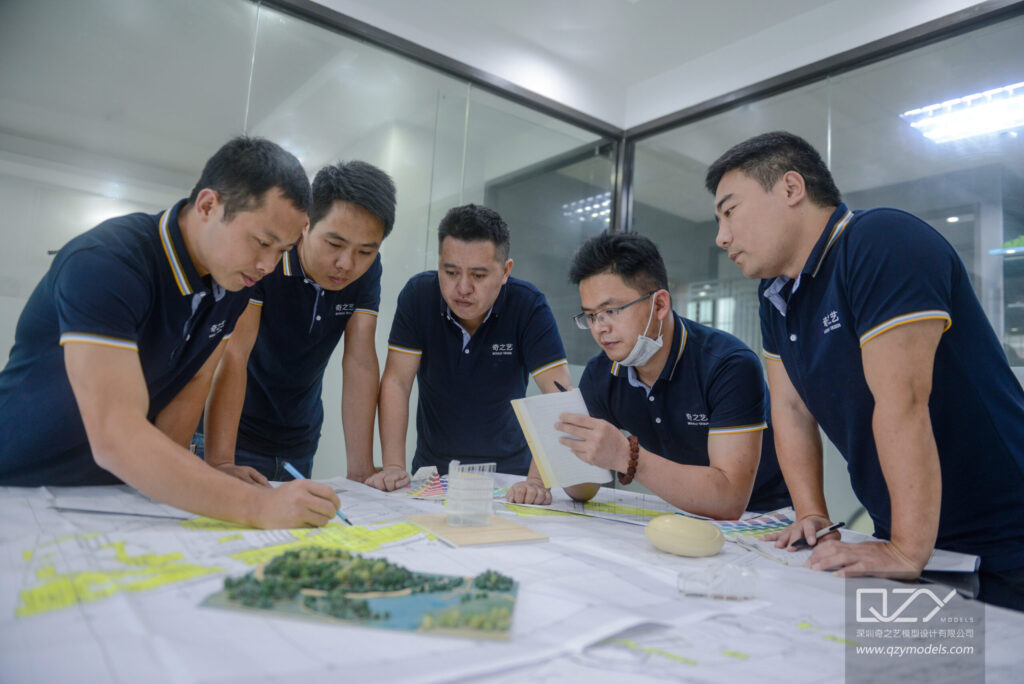
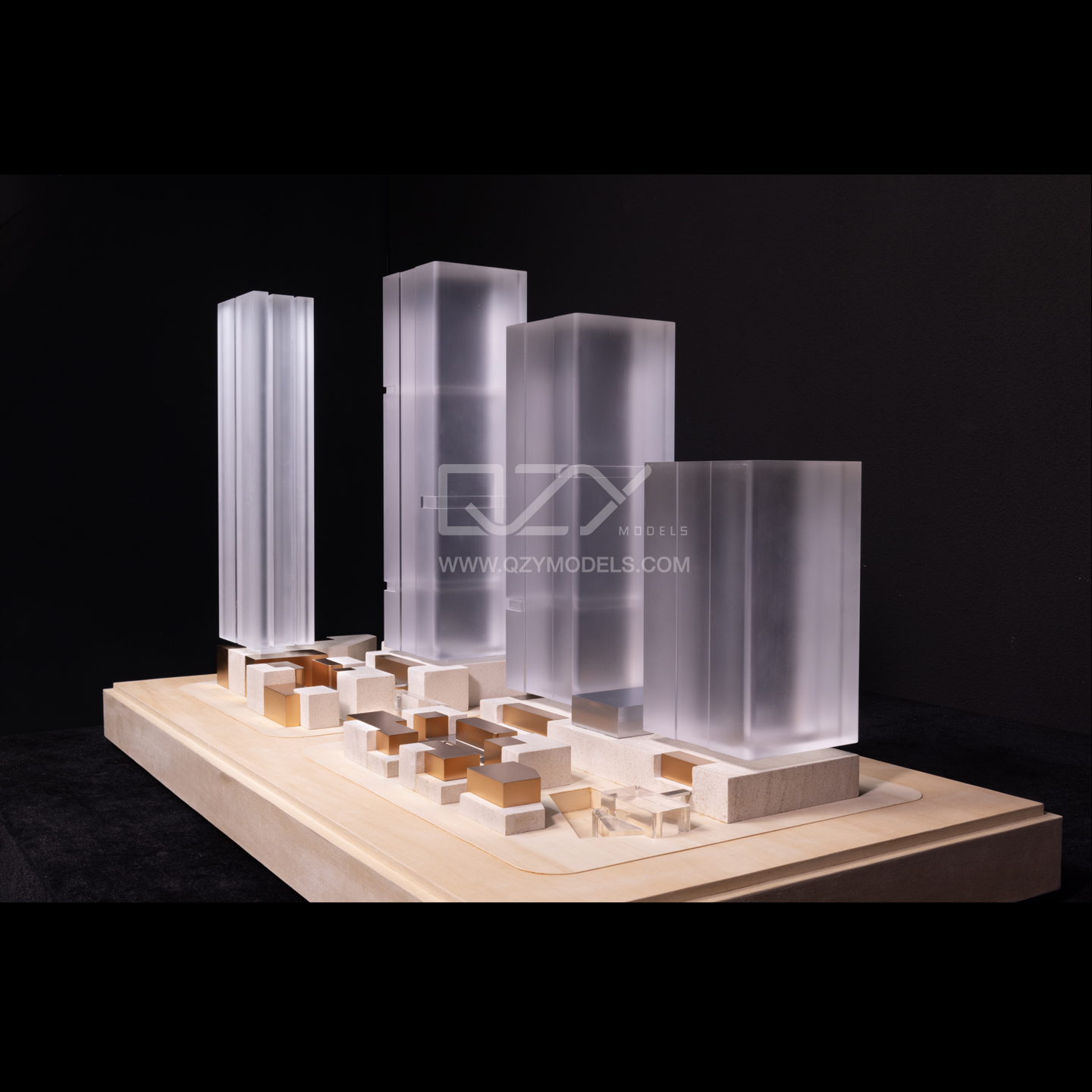
Using advanced 3D modeling software allows Auckland architects and designers to communicate complex ideas clearly while enabling Chinese manufacturers like QZY Models to translate these concepts into precise, production-ready physical models. This synergy ensures faster iterations, accurate fabrication, and scalable wholesale outputs, helping international clients achieve high-quality architectural models efficiently and reliably.
How do 3D modeling tools support architecture projects in Auckland and tie back to Chinese manufacturing and OEM workflows?
3D modeling software bridges the gap between design vision and physical production. Auckland designers can visualize complex structures and review iterations in real-time, while QZY Models’ production teams convert these digital files into precise models using CNC machines, 3D printers, and hand-finishing techniques. Features like parametric modeling and accurate bill-of-materials generation streamline workflows, reduce rework, and accelerate delivery for wholesale and OEM orders.
Workflow Table: Software-to-Production Mapping
| Software Type | Key Function | Production Output at QZY Models |
|---|---|---|
| CAD | Precise geometry & technical details | CNC files, structural templates |
| BIM | Coordination & clash detection | IFC exports for accurate fabrication |
| Rendering Suites | Visualization & client approval | High-fidelity presentation images |
| CAM/3D Printing | Fabrication-ready exports | STL, OBJ, G-code for machines |
What features matter most for architectural models produced in China for international clients?
For international projects, essential features include parametric modeling, scalable accuracy, robust material libraries, and export formats compatible with CNC and 3D printing. Collaboration tools, version control, and IFC interoperability ensure smooth handoffs. QZY Models leverages these features to deliver production-ready models that match client expectations, maintain structural integrity, and reduce lead times.
Material and Fabrication Methods Table
| Material | Typical Use | Fabrication Method |
|---|---|---|
| Foam | Concept models & prototypes | CNC cutting & shaping |
| Resin | High-detail components | Casting & 3D printing |
| Acrylic | Transparent architectural parts | Laser cutting & polishing |
Which software ecosystems best serve both Auckland designers and Chinese factory teams?
A combination of CAD, BIM, and rendering suites is ideal. CAD ensures precision, BIM supports collaborative workflows and clash detection, while rendering suites help clients visualize the final design. Export formats like STL, OBJ, and G-code allow QZY Models to translate designs directly into production, minimizing errors and reducing turnaround time for wholesale and OEM clients.
Why is it crucial to choose software that integrates with CNC, 3D printing, and arch-model workflows in China?
Integration guarantees that files from Auckland designers are machine-ready for QZY Models’ production floor. Clean data reduces miscommunication, accelerates fabrication, and maintains consistent quality across multiple orders. Iterative changes can be quickly incorporated, which is essential for tight project timelines and high-volume wholesale orders.
How can a China-based factory maximize efficiency with 3D modeling in global architecture projects?
Efficiency comes from standardizing model hierarchies, naming conventions, and cloud-based collaboration. Automated quality checks and version control prevent errors before fabrication. QZY Models implements these processes to scale production, manage large orders, and maintain consistent quality for international clients, including those in Auckland.
What makes QZY Models a reliable partner for Auckland projects requiring Chinese manufacturing and OEM services?
QZY Models brings decades of expertise, precise fabrication capabilities, and a global delivery network. With a proven track record in 20+ countries, the Shenzhen-based company delivers design-to-production solutions, strict QA, and scalable manufacturing capacity. Auckland clients benefit from timely deliveries, faultless finishes, and professional after-sales support.
How does this article address both local Auckland needs and China-based production realities?
By highlighting software workflows that align with Auckland design practices and Chinese production capabilities, the article demonstrates how digital models can seamlessly become high-quality physical outputs. It underscores actionable strategies for reliable collaboration, cost-effective production, and scalable wholesale operations with QZY Models.
QZY Models Expert Views
“Understanding the full lifecycle from digital concept to physical model is essential. For Auckland projects, the right software accelerates client approvals, while for China-based production, it ensures parts are fabricated exactly as designed. QZY Models thrives on this synergy, delivering consistent quality and scalable capacity.” — Richie Ren, Founder, QZY Models
Conclusion
Selecting the right 3D modeling software is critical for Auckland projects relying on China-based production. Emphasize parametric design, data interoperability, and fabrication-ready outputs to streamline workflows from concept to CNC and 3D printing. QZY Models’ unified approach minimizes errors, accelerates delivery, and ensures scalable success for wholesale and OEM clients worldwide.
FAQs
-
What software should I prioritize for Auckland-to-China production?
Prioritize CAD and BIM with exports to STL, OBJ, and IFC formats to ensure smooth handoffs to QZY Models’ manufacturing floors. -
Can QZY Models handle large wholesale orders?
Yes, QZY Models’ Shenzhen-based factory supports scalable production for wholesale, OEM, and export projects with strict quality control. -
How long does model-to-fabrication typically take?
Timelines depend on project scope, but streamlined workflows reduce cycle times and ensure reliable delivery windows for Auckland clients. -
Does QZY Models offer customization for architectural models?
Yes, parametric design and custom finishes are available to meet client specifications. -
Is training available for using recommended software stacks?
Yes, QZY Models provides training and onboarding support to facilitate smooth adoption for internal design teams.