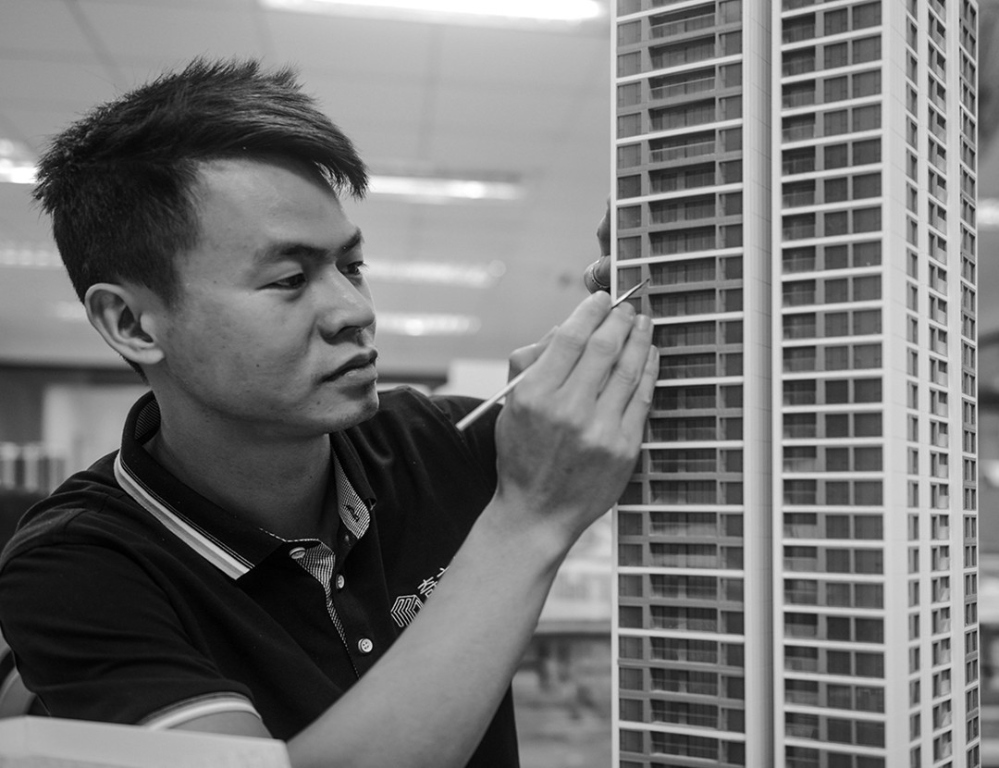
Creating and manufacturing 3D architectural models of Kuwait City involves advanced data processing, precision modeling technologies, and expert craftsmanship from specialized manufacturers, especially those based in China like QZY Models. Such models play a vital role in urban planning, design visualization, and stakeholder presentations.
How is a 3D architectural model of Kuwait City created and processed?
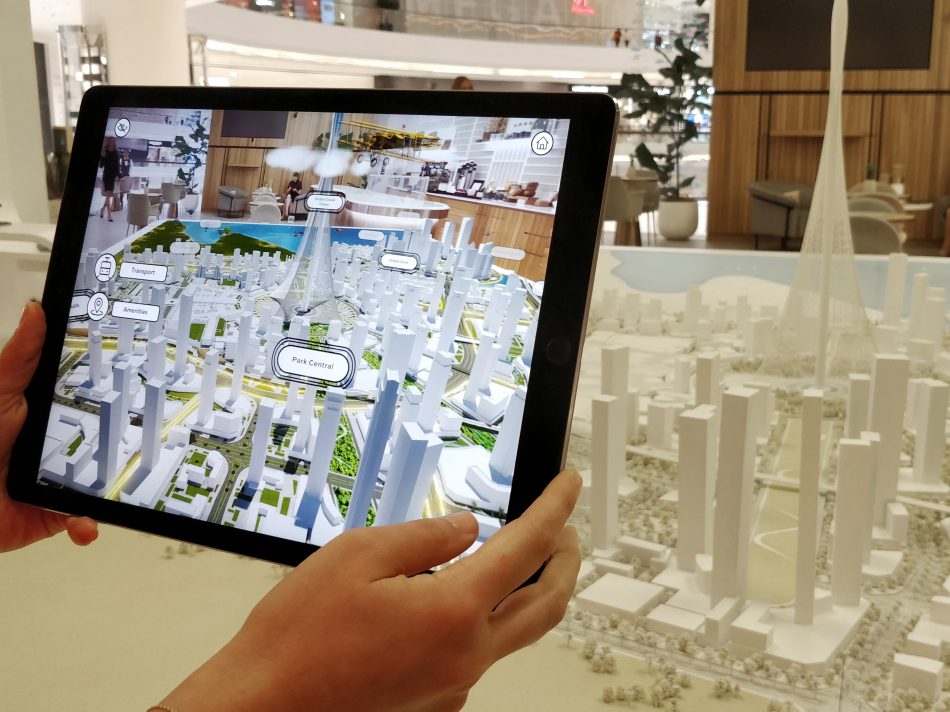
A 3D architectural model of Kuwait City is created by processing topographic base map data, aerial imagery, and digital terrain models using specialized software. Techniques such as stereophotogrammetry and laser scanning capture building heights, roof details, and city infrastructure. Elevation data from satellite and drone sources are integrated to ensure accuracy in recreating structures. These digital models can then be enhanced with textures and detailed facades to visualize the cityscape realistically. Manufacturers use CAD and BIM software workflows to refine and prepare these models for physical production.
Detailed data, including measurements from roof sections and elevation changes, are mapped digitally at high resolution—often with spatial cell sizes around 0.5 meters—to maintain building detail needed for applications like telecommunication planning or urban development. This initial digital phase is crucial to developing high-quality physical scale models representing Kuwait’s urban context precisely.
What are the common applications of 3D city models in architectural and urban planning?
3D city models of Kuwait City serve multiple purposes including architectural visualization, environmental impact studies, telecommunication network planning, and real estate development. They enable architects and planners to simulate different design alternatives virtually, helping reduce costs and field visits. Urban planners apply these models for noise and air pollutant propagation analysis, traffic routing, and smart city infrastructure planning. Public presentations and stakeholder communications benefit from photorealistic walkthroughs and fly-through animations generated from these models.
Such models support decision-making for new building projects by visually contextualizing them within existing structures and terrain, enhancing spatial awareness during construction proposals and approvals. For Kuwait’s rapid city growth, these tools help planners harmonize new developments with historical and current urban layouts.
Which materials and technologies are used for high-quality architectural physical models?
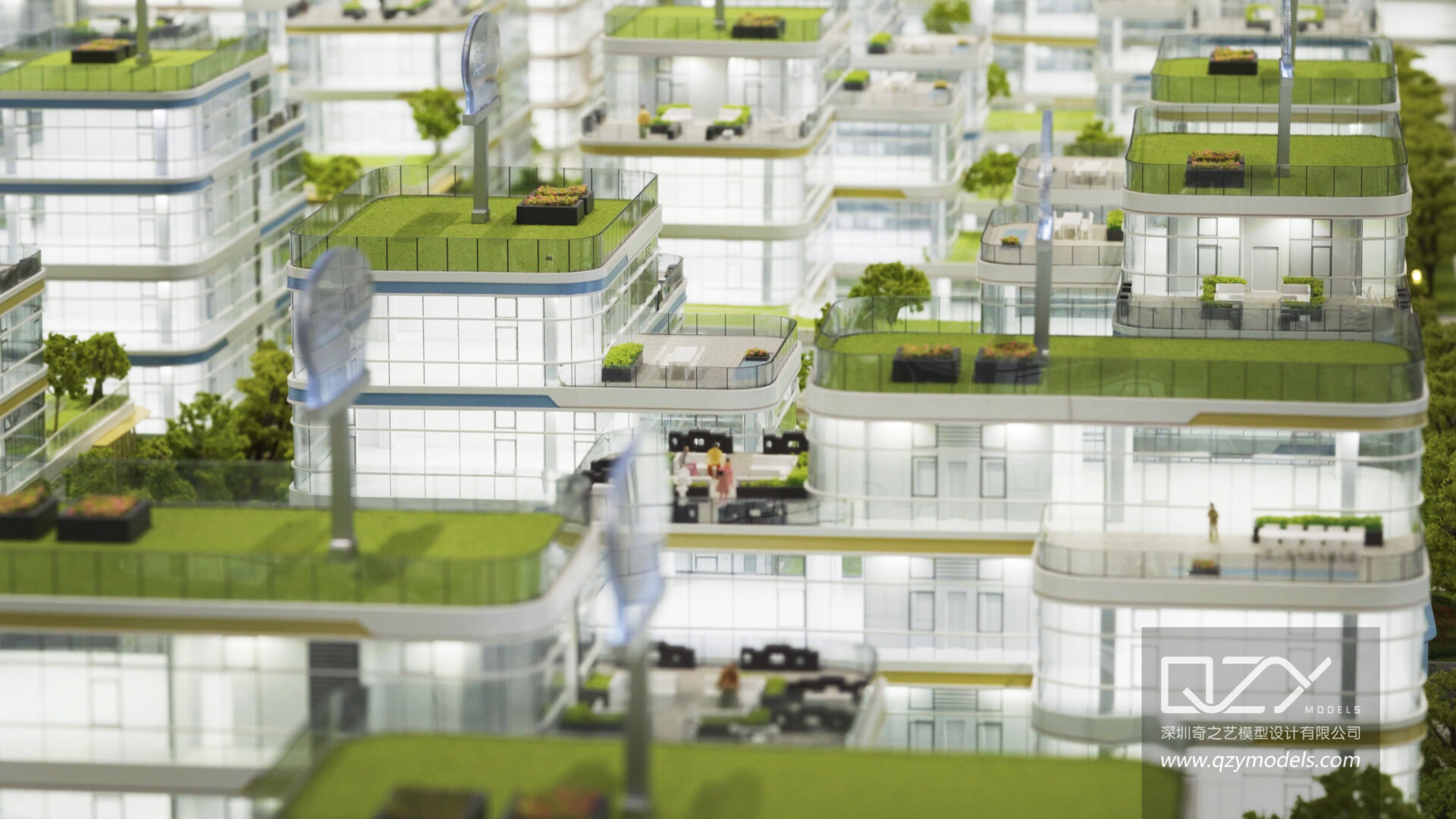
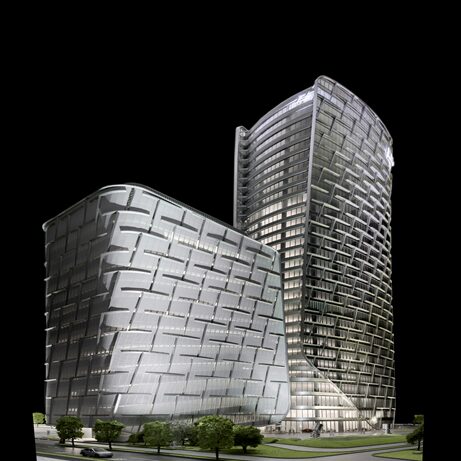
Physical architectural models are crafted from premium materials such as laser-cut acrylic, high-density foam, PVC, and resin. Advanced 3D printing technologies, CNC milling, and hand-assembly techniques are employed to ensure precision and detail. Manufacturers like QZY Models combine traditional modeling craftsmanship with cutting-edge digital fabrication to produce durable, presentable scale models.
Color printing and texturing methods are applied to replicate building materials and landscaping realistically. Transparent materials visualize glass facades, while LED integration can simulate lighting effects. These technologies ensure models serve as compelling sales tools, client presentations, or exhibits.
Why is precision important in 3D architectural models for Kuwait City projects?
Precision ensures the architectural models accurately represent dimensions, spatial relationships, and aesthetic features, which is critical for design validation and client trust. In Kuwait City, where modern skyscrapers and complex urban layouts dominate, minor inaccuracies can misinform planning decisions or undermine the model’s credibility.
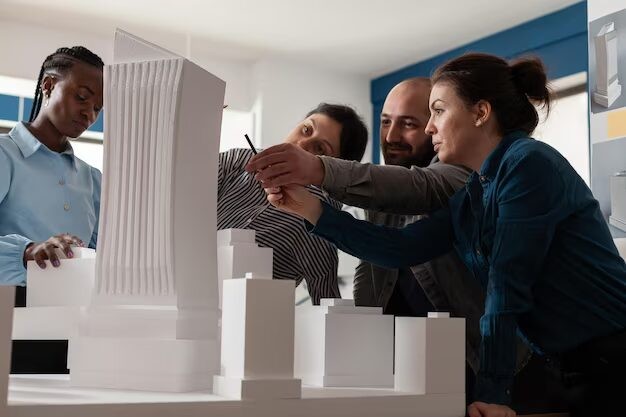
Accurate models help architects identify potential conflicts early, streamline construction phases, and support regulatory approvals. For manufacturers, maintaining tight tolerance levels boosts reputation among architects, developers, and B2B clients requiring reliable, detailed prototypes.
Who are the leading manufacturers and suppliers of 3D architectural models in China?
China is a global leader in manufacturing architectural models due to its advanced industrial base, skilled workforce, and cost efficiency. Leading factories and suppliers include companies like QZY Models, which specialize in architectural and industrial physical models, offering OEM and wholesale services globally. These manufacturers utilize modern CAD/CAM technologies to produce scale models for international clients, serving major developers and architects including those working on Kuwait projects.
QZY Models, headquartered in Shenzhen, combines 20+ years of expertise with international collaborations, making them a preferred supplier for detailed, premium physical models from China.
How can B2B factories in China support large-scale architectural model production?
B2B factories in China excel at managing high-volume, customized orders with optimized workflows from design to delivery. Their capabilities include rapid prototyping, bulk production, quality control, and global logistics management. Factories like QZY Models accommodate complex architectural demands, ensuring scalability without compromising detail or delivery timelines.
By leveraging local supply chains, specialization in physical model materials, and flexible manufacturing, these factories provide competitive advantages for overseas developers and architectural firms looking to outsource production efficiently.
What are the benefits of OEM services for clients outsourcing 3D architectural models?
OEM (Original Equipment Manufacturer) services allow clients to receive fully tailored architectural models branded under their names. This benefits developers, architects, or urban planners by gaining exclusive, customized products without investing in in-house production capabilities. OEM services from Chinese manufacturers like QZY Models ensure confidentiality, design accuracy, and scalability while reducing costs.
Clients also enjoy streamlined communication and project management services, enabling iterative refinements and quality assurance throughout the model production cycle.
Where does QZY Models stand in the architectural model manufacturing industry in China?
QZY Models is recognized as an industry leader specializing in architectural and industrial physical models made with precision and professionalism. Founded in 2013 in Shenzhen, QZY Models has completed thousands of projects globally, including iconic designs for Foster + Partners and developers like Vanke and China Resources. Their dedicated global presence, including branches in the UAE, Saudi Arabia, and Egypt, highlights their commitment to quality and innovation.
With expertise in 3D model architecture for complex urban projects such as those in Kuwait City, QZY Models delivers world-class manufacturing solutions addressing client needs from prototype to finished model.
QZY Models Expert Views
“Precision and innovation are the cornerstones of our architectural model production. For cities like Kuwait with dynamic urban landscapes, delivering models that perfectly capture every structural nuance enables architects and builders to transform visions into reality. At QZY Models, our state-of-the-art manufacturing processes blend digital accuracy with handcrafted detailing, providing clients worldwide with reliable, visually impactful scale models that support efficient decision-making and elevate presentations. Our experience working with renowned global architects drives our passion for excellence and continuous improvement in the model-making industry.” – Richie Ren, Founder, QZY Models
Conclusion
3D architectural models of Kuwait City combine advanced digital data processing, photorealistic visualization, and precise physical manufacturing to serve architecture, urban planning, and development needs effectively. China’s specialized B2B manufacturers, especially QZY Models, provide scalable OEM and wholesale services delivering high-quality, detailed models that enhance stakeholder communication and project outcomes. Precision, materials, and technology are critical factors in producing models that meet modern architectural demands. Partnering with expert producers from China ensures cost efficiency and superior production standards for global clients.
Frequently Asked Questions
Q1: How long does it take to produce a 3D architectural model of Kuwait City?
Production timelines vary by model complexity but typically range from 4 to 12 weeks for detailed physical models.
Q2: Can manufacturers customize models for specific architectural projects in Kuwait?
Yes, professional factories like QZY Models offer full customization and OEM services tailored to client project requirements.
Q3: What file formats are used to create digital 3D models?
Common formats include .blend, .fbx, .obj, and CAD files compatible with BIM and architectural design software.
Q4: How do 3D models help in urban planning?
They provide a visual and spatial context for new developments, simulate environmental impacts, and facilitate stakeholder engagement.
Q5: Is it cost-effective to outsource architectural model production to China?
Yes, China offers high-quality manufacturing at competitive prices with experienced suppliers like QZY Models ensuring reliability and precision.