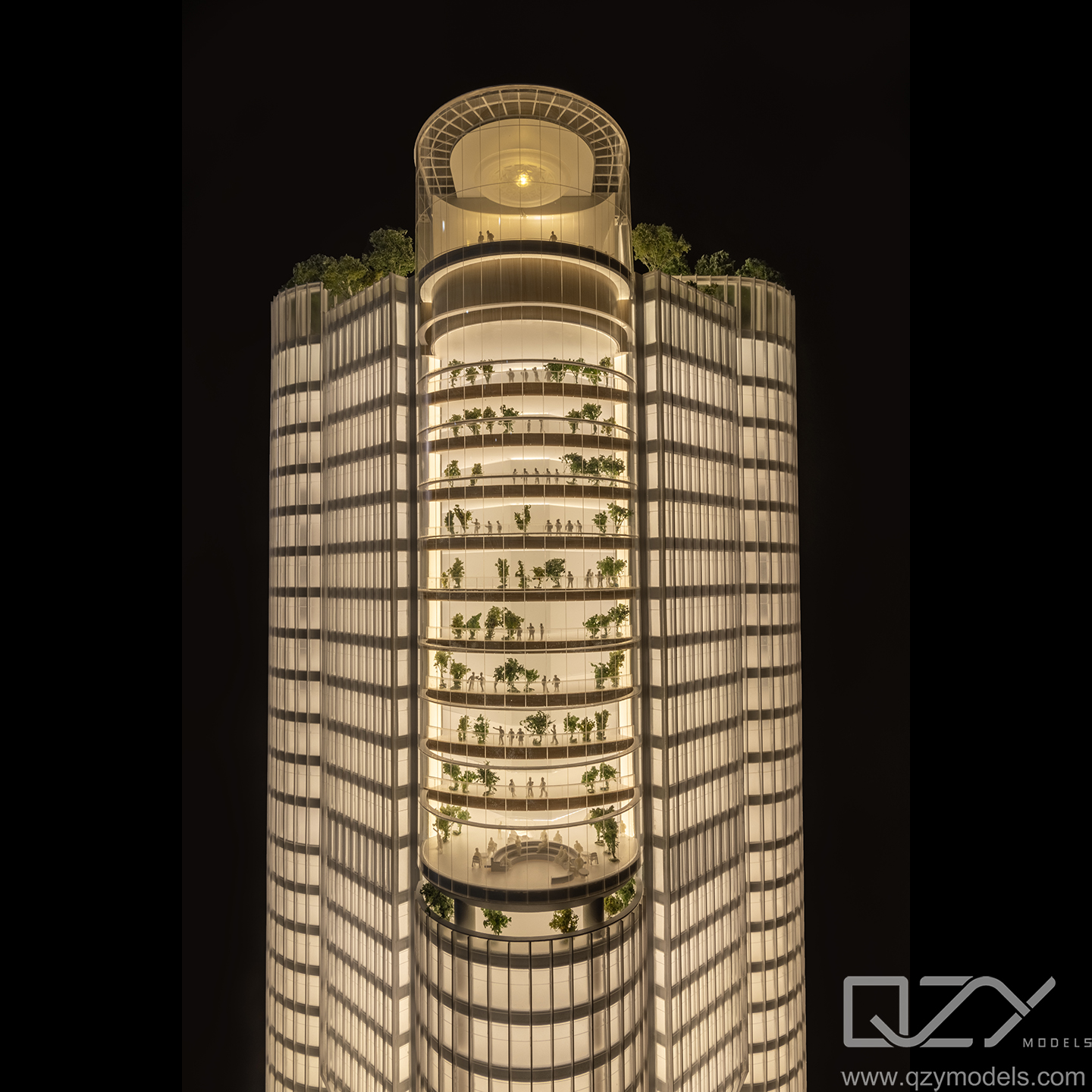
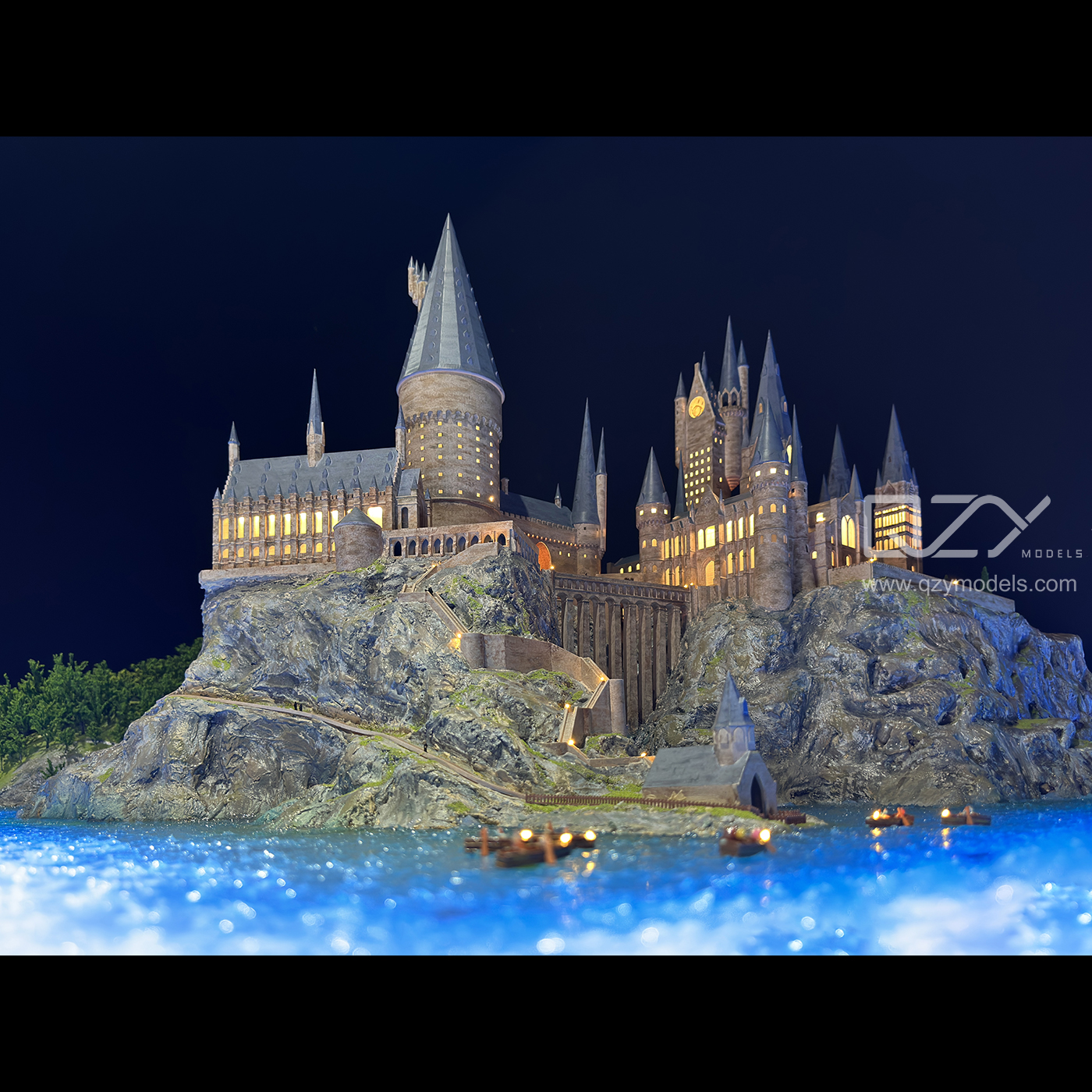
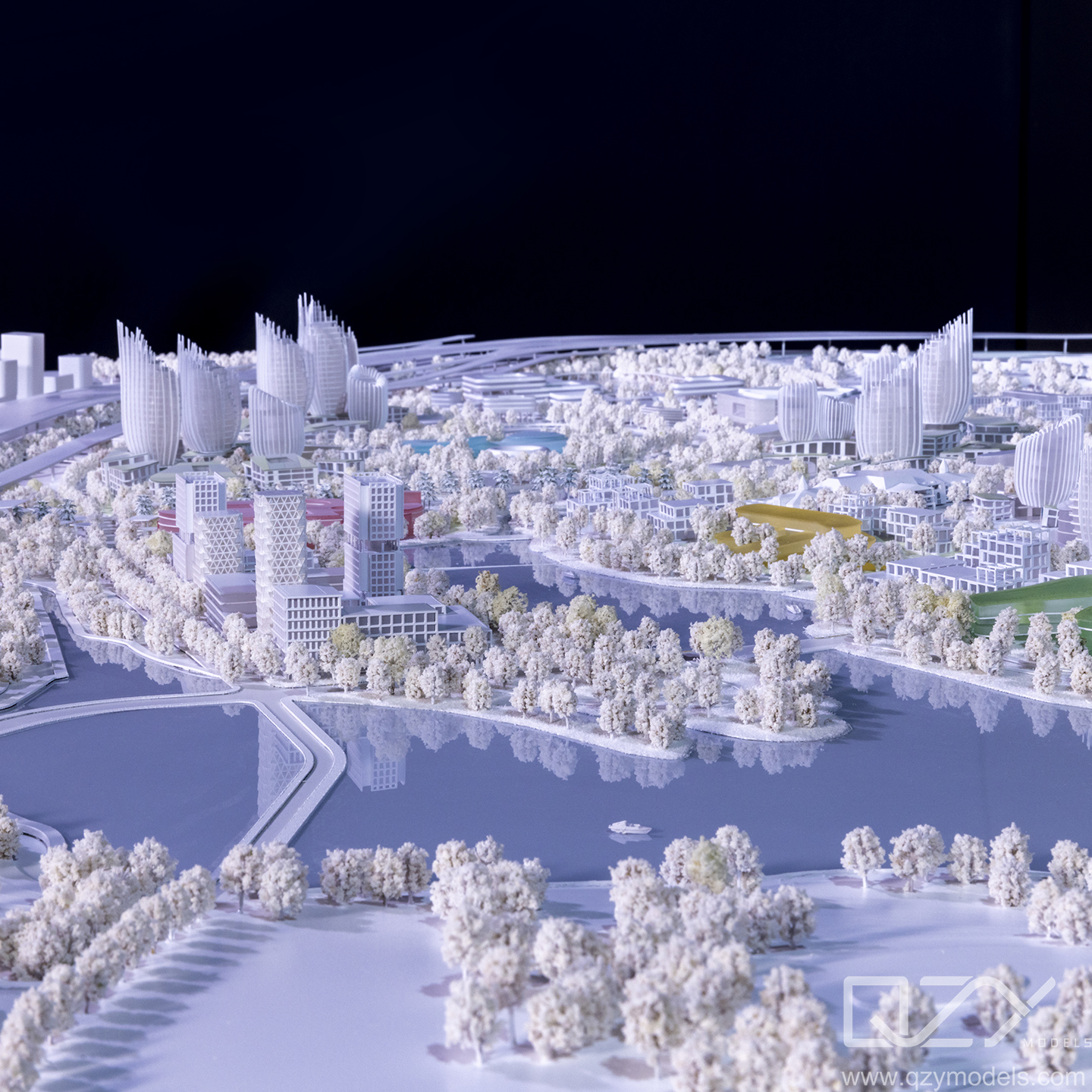
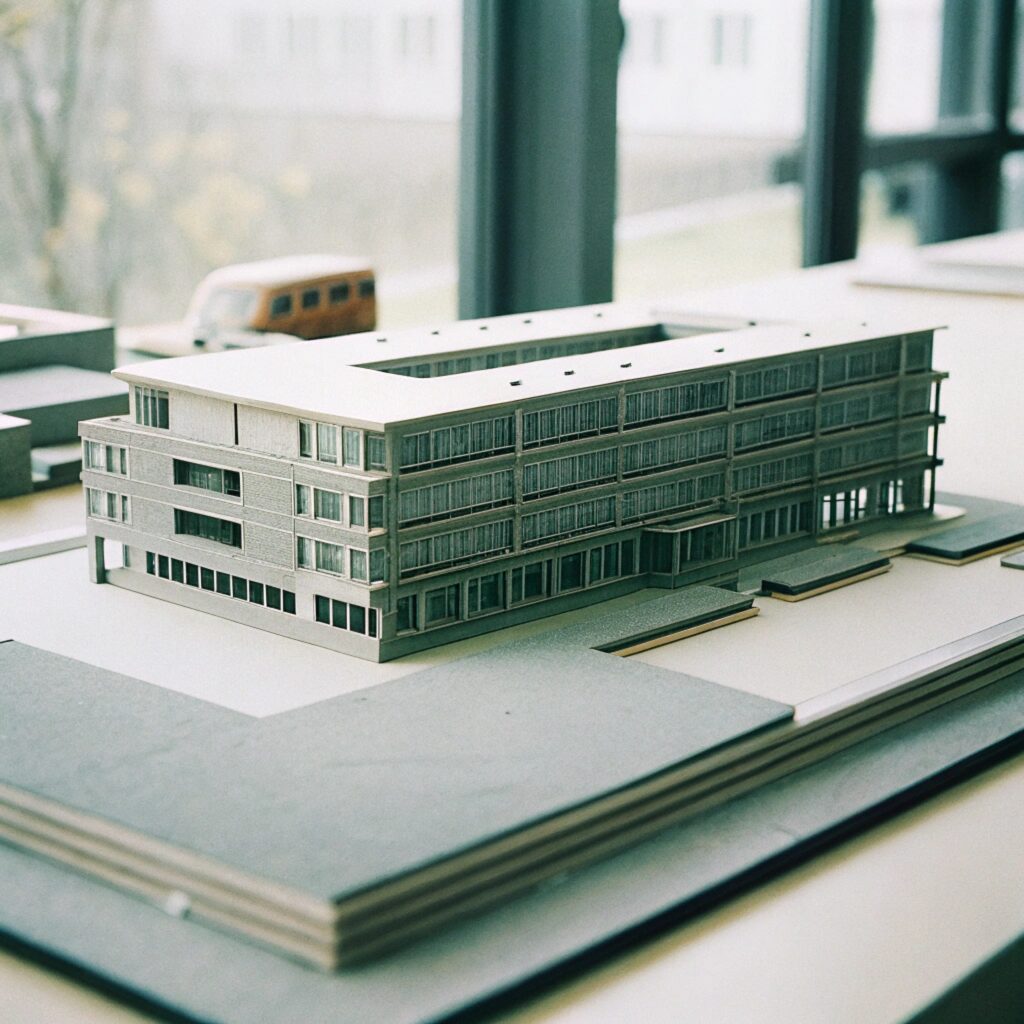
3D printing architectural models deliver unmatched accuracy and speed in visualizing complex structures, enabling architects and developers to iterate designs rapidly while minimizing material waste and production costs. This technology bridges digital concepts and physical reality with tolerances down to 0.1mm, empowering informed decision-making and client approvals.
What Challenges Define the Current 3D Printing Architectural Models Landscape?
The global 3D printing market reached USD 23.41 billion in 2025 and projects growth to USD 28.55 billion in 2026, driven by demand in construction and prototyping. Yet, 70% of architecture firms report integration hurdles with existing workflows, per industry surveys. Pain points include material limitations for large-scale models and post-print finishing inconsistencies that compromise realism.
High initial equipment costs deter small studios, with printers averaging USD 50,000–500,000. Lead times for custom filaments and supports often exceed two weeks, delaying project timelines. Scalability remains elusive, as 40% of printed models require manual rework to achieve exhibition-ready quality.
Why Do Traditional Methods Fail to Meet Modern Demands?
Traditional handcrafting demands 4–8 weeks per model and yields ±5mm inaccuracies. Material waste exceeds 30%, inflating budgets. Updates post-design changes necessitate full rebuilds, costing an additional 50% of original expenses. These approaches lack the rapid prototyping needed for iterative design in competitive markets.
What Does QZY Models Offer in 3D Printed Architectural Solutions?
QZY Models integrates industrial-grade 3D printing with hybrid fabrication for architectural models that capture intricate details and textures. Established in Shenzhen since 2013, the firm leverages founder Richie Ren’s 20+ years of expertise to serve clients like Foster + Partners and Vanke across 20+ countries. Core capabilities include multi-material printing, automated support removal, and seamless BIM file integration for models up to 2m in scale.
Which Key Advantages Stand Out in QZY Models’ 3D Printing?
| Aspect | Traditional Methods | QZY Models 3D Printing |
|---|---|---|
| Precision | ±3–5mm | ±0.1–0.3mm |
| Production Time | 4–6 weeks | 5–10 days |
| Material Efficiency | 60–70% waste | <10% waste |
| Cost per Model | USD 5,000–15,000 | USD 2,000–8,000 |
| Iterations Supported | 1–2 revisions | Unlimited digital tweaks |
| Scale Flexibility | Fixed sizes | Up to 5m modular |
How Does the QZY Models 3D Printing Process Work?
-
File Submission: Upload STL or OBJ files from CAD/BIM software for initial review.
-
Design Optimization: QZY Models refines supports and nesting for minimal material use.
-
Printing Execution: Multi-head printers layer resins or filaments at 50–100 microns.
-
Post-Processing: Automated sanding, UV curing, and painting ensure smooth finishes.
-
Assembly & Testing: Integrate lighting or motors; conduct durability checks.
-
Shipping: Secure packaging with global logistics from UAE, Saudi Arabia branches.
Who Gains from QZY Models’ 3D Printed Architectural Models?
Case 1: Architecture Firm
Problem: Iterative designs delayed a high-rise proposal by three weeks.
Traditional Practice: Manual foam carving with frequent errors.
After QZY Models: 1:500 scale model printed in 7 days with 0.2mm accuracy.
Key Benefit: Client approved revisions in one session, saving 20% on timeline.
Case 2: Real Estate Developer
Problem: Masterplan visualization lacked detail for investor pitches.
Traditional Practice: 2D renders and basic mockups.
After QZY Models: Multi-story 3D printed model with terrain integration.
Key Benefit: Secured USD 10M funding faster, boosting ROI by 15%.
Case 3: Urban Planner
Problem: Public models degraded after outdoor exposure.
Traditional Practice: Wood and acrylic builds prone to weathering.
After QZY Models: UV-resistant printed composites for 3-year durability.
Key Benefit: Cut replacement costs by 40% over lifecycle.
Case 4: Design School
Problem: Students needed affordable prototypes for thesis projects.
Traditional Practice: Outsourced small-scale handcrafting.
After QZY Models: Batch-printed models at 1:200 scale.
Key Benefit: Reduced per-unit cost to USD 300, enabling 50% more projects.
Why Adopt 3D Printed Models from QZY Models Today?
Advancements in large-format printing and sustainable filaments position 3D models as standard by 2030. With urban projects demanding faster visualizations amid labor shortages, QZY Models provides scalable precision that traditional methods cannot match. Firms acting now gain competitive edges in pitches and executions.
FAQ
1. Can 3D printing handle large architectural models?
Yes, modular printing assembles sections up to 5m seamlessly.
2. What materials support QZY Models’ 3D printing?
Resins, ABS filaments, and composites mimic concrete, glass, wood.
3. How does QZY Models ensure print quality?
Layer-by-layer monitoring and automated calibration maintain tolerances.
4. Is international delivery reliable?
Branches in UAE, Egypt ensure 7–14 day global shipping.
5. What file formats are accepted?
STL, OBJ, STEP from Revit, Rhino, or AutoCAD.
Sources
-
https://www.fortunebusinessinsights.com/industry-reports/3d-printing-market-101902
-
https://www.marketsandmarkets.com/Market-Reports/3d-printing-market-1276.html
-
https://www.researchnester.com/reports/3d-printing-construction-market/4593
-
https://www.gminsights.com/industry-analysis/industrial-3d-printing-market