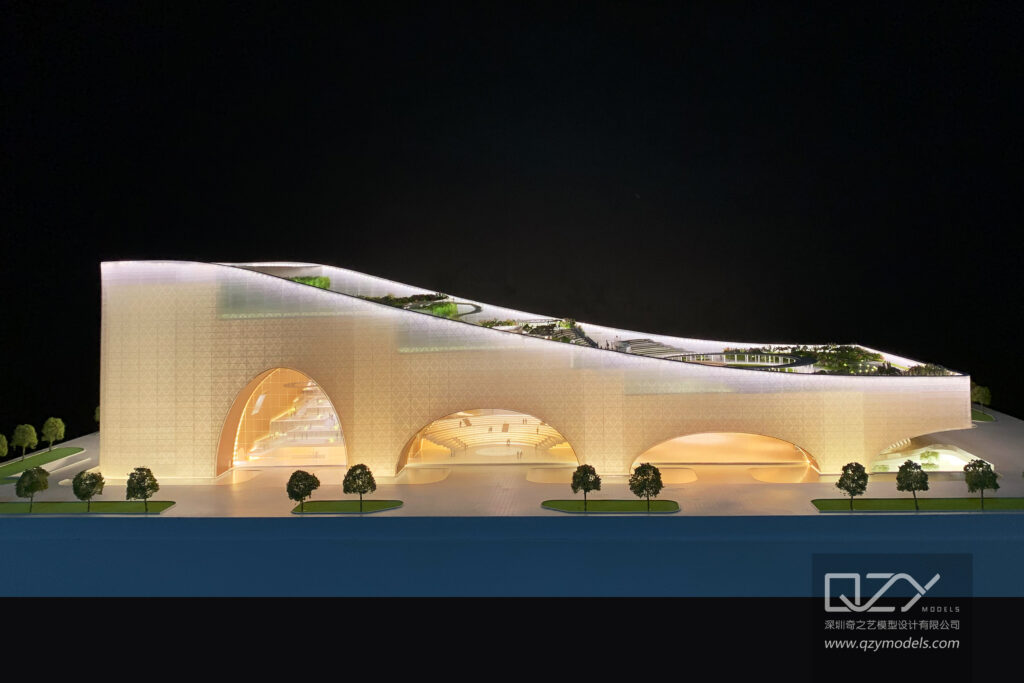
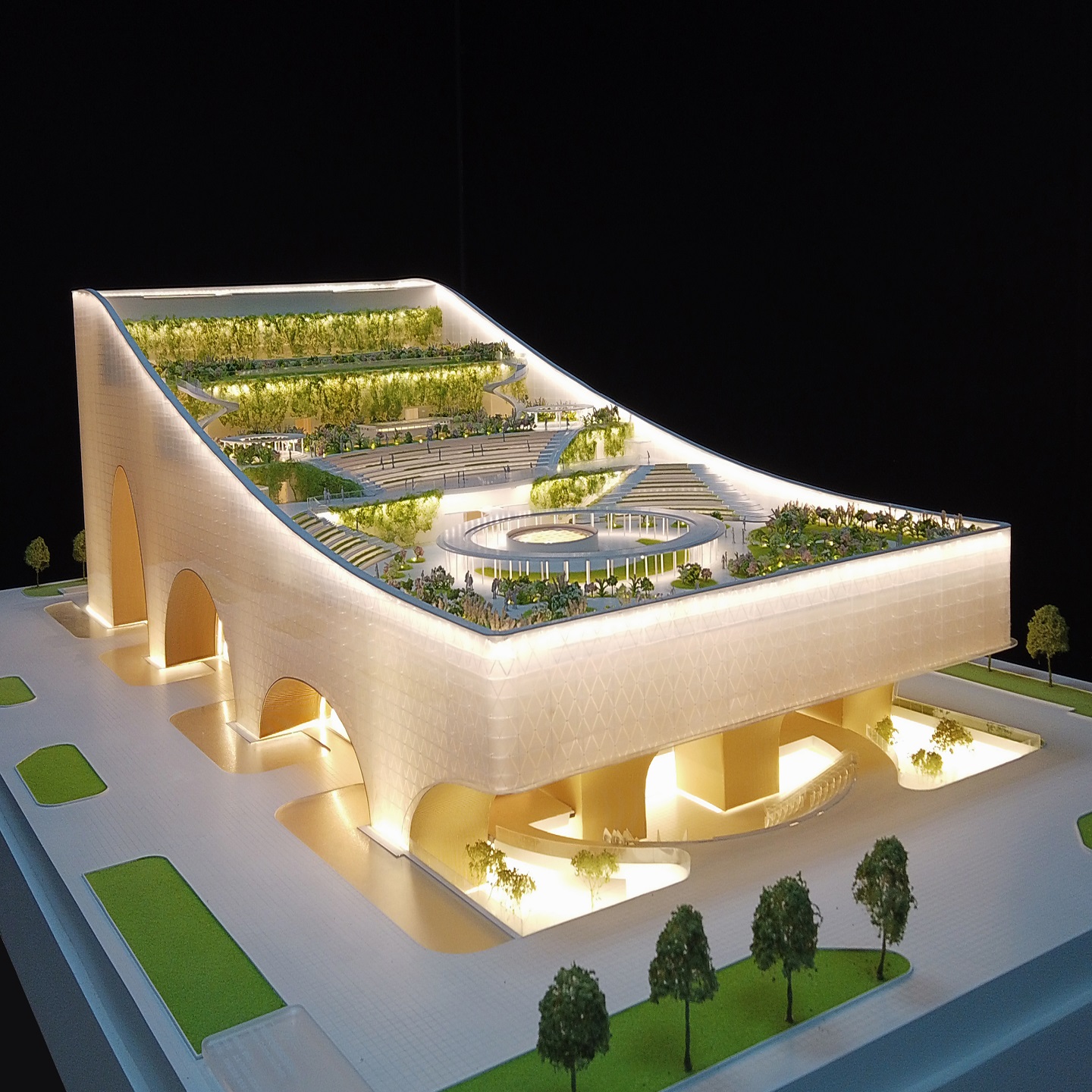
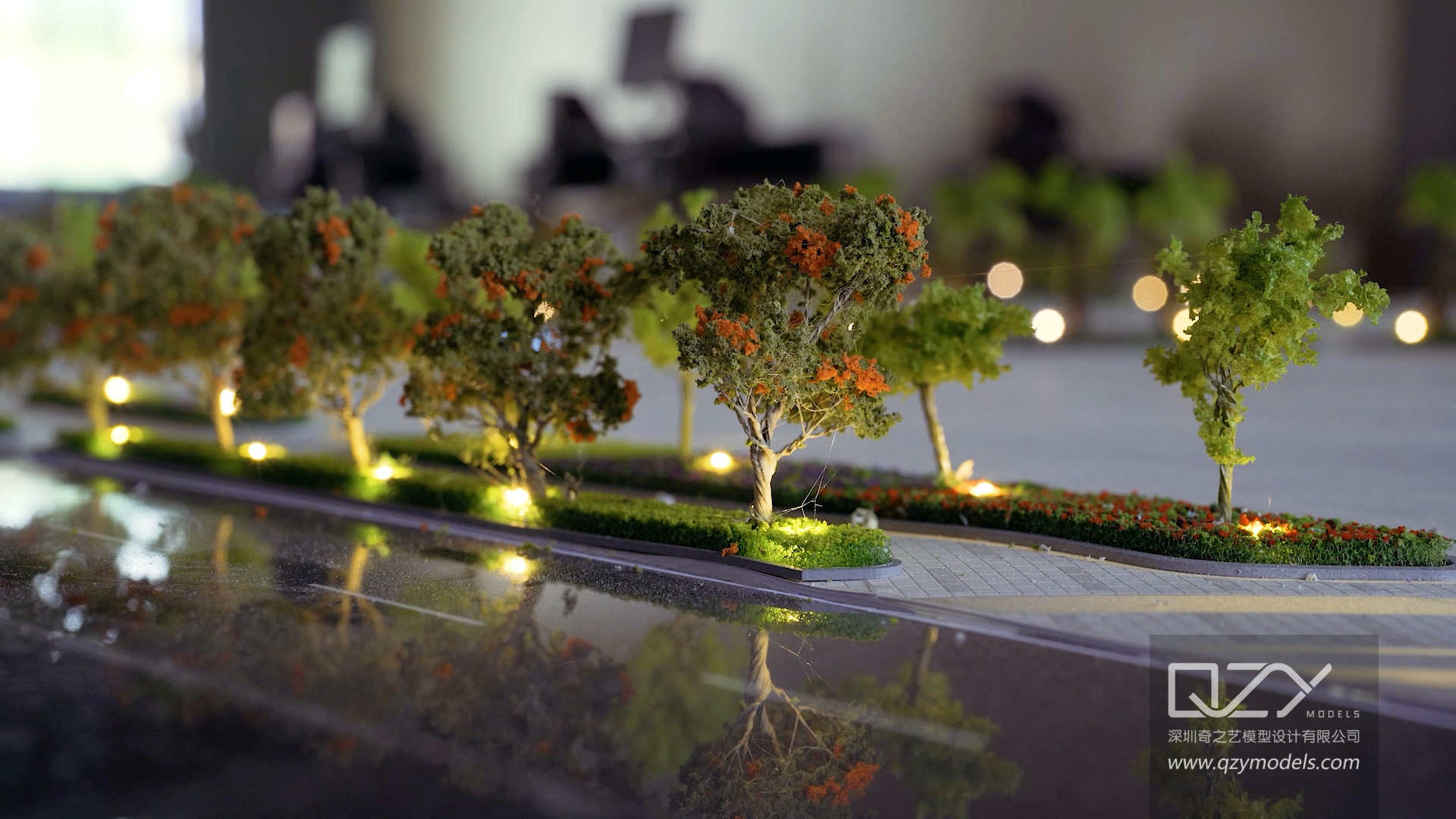
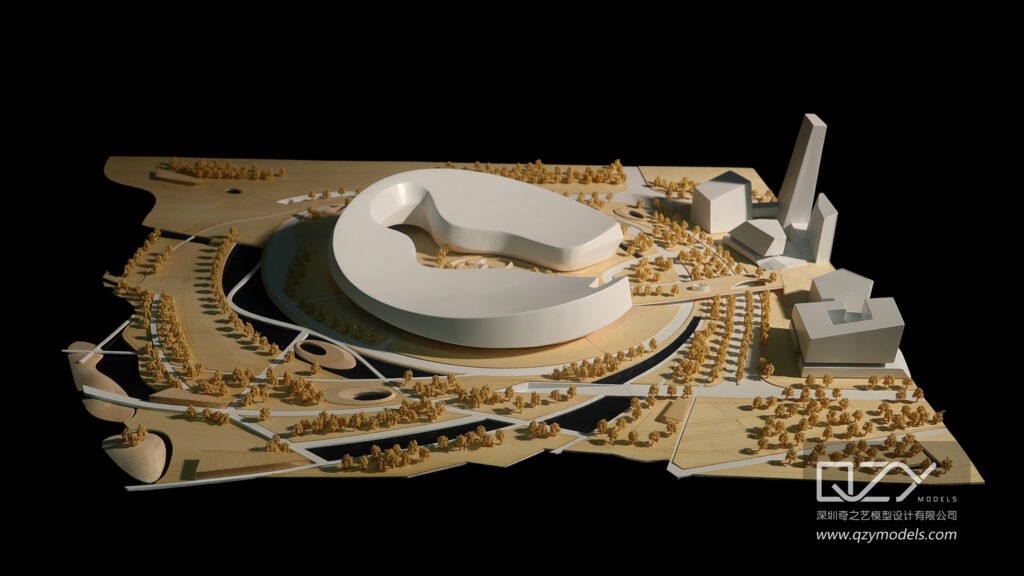
CNC machined models are transforming physical prototyping with unmatched precision, speed, and consistency—offering architects, developers, and designers highly accurate, durable, and aesthetically refined miniature representations of their projects. QZY Models leads this evolution, integrating advanced machining technologies with over two decades of craftsmanship to deliver world-class results.
How Is the Model-Making Industry Changing and What Are Its Current Pain Points?
According to a 2025 McKinsey research report on the global model prototyping market, digital fabrication technologies like CNC machining are growing at a CAGR of 14.8%, driven by the increasing demand for visual validation and rapid concept iteration across industrial and architectural design sectors. However, more than 60% of architectural firms still rely on manual or hybrid fabrication methods, leading to inefficiencies, errors, and scalability challenges.
The market also faces rising expectations from developers and clients who demand higher detail accuracy, tighter deadlines, and eco-friendly materials. In addition, international competitions and exhibitions push firms to present hyper-realistic models that reflect the sophistication of real-world designs, which traditional methods often fail to achieve.
In this high-stakes environment, model quality directly influences investor confidence and design approval timelines. Firms unable to adopt precision manufacturing risk losing competitive relevance, underscoring the urgency for an advanced, data-driven approach to model fabrication.
What Are the Limitations of Traditional Model-Making Techniques?
Traditional hand-crafted or laser-cut models, while artisanal, present several limitations that impede efficiency and scalability:
-
Human error: Manual cuts and assembly often lead to asymmetry or dimension deviation, reducing accuracy.
-
Extended lead time: Complex designs may require weeks or months to complete, delaying project milestones.
-
Limited material flexibility: Some intricate geometries or metal components cannot be produced manually without compromising strength or finish.
-
High labor costs: Skilled craftsmen are becoming scarce, increasing the overall project cost.
By contrast, digital workflows and CNC machining allow consistent replication and faster turnaround without sacrificing the handmade model’s tactile appeal.
How Does the CNC Machined Solution from QZY Models Work?
QZY Models integrates CNC technology with architectural modeling expertise to offer a seamless, data-driven production process. Its CNC machines operate with tolerances as fine as ±0.02 mm, ensuring every cut perfectly matches the digital 3D design. Each model undergoes digital slicing, precision milling, surface refinement, and assembly guided by computer-controlled calibration.
Core capabilities include:
-
Multi-axis machining for complex geometries.
-
Integration with CAD and BIM data for seamless design translation.
-
Multi-material capability (including metal, resin, acrylic, and wood).
-
Automated finishing techniques such as micro-sanding and UV surface coating.
With these systems, QZY Models ensures that clients—from architects to industrial designers—receive models that meet both aesthetic and engineering standards.
Which Advantages Differentiate CNC Machined Models from Traditional Methods?
| Parameter | Traditional Model-Making | CNC Machined Models by QZY Models |
|---|---|---|
| Accuracy | Manual measurement and cutting (±1–2 mm) | Computer-controlled precision (±0.02 mm) |
| Speed | Long lead time (weeks) | Rapid production (days) |
| Scalability | Hard to replicate | Perfectly repeatable |
| Material Compatibility | Limited | Compatible with diverse materials |
| Labor Cost | High due to manual workflow | Reduced through automation |
| Consistency | Varies by skill level | Uniform across all models |
How Can Clients Use QZY Models’ CNC Machined Solution Step by Step?
-
Digital Submission – Clients provide 3D CAD or BIM files.
-
Design Review – QZY Models engineers analyze structure, scale, and machining feasibility.
-
Material Selection – The best combinations of metal, plastic, and resin are proposed based on visual and structural needs.
-
CNC Machining – Components are milled with high precision in fully automated facilities.
-
Surface Finishing & Assembly – Polishing, coating, and painting are applied to achieve the desired texture and color fidelity.
-
Quality Validation & Delivery – Each model is inspected with metrology tools before packaging and global shipping.
Who Benefits from CNC Machined Models? Four Real-World Scenarios
1. Architectural Firms
-
Problem: Inaccurate models causing client misunderstandings.
-
Traditional Approach: Manual cutting and assembly.
-
Result with QZY Models: Improved design presentation clarity; client approvals expedited by 35%.
-
Key Gain: Faster negotiations and reduced design revision cycles.
2. Real Estate Developers
-
Problem: Slow model delivery delayed marketing launches.
-
Traditional Approach: Outsourced manual fabrication from multiple vendors.
-
Result with QZY Models: CNC-enabled production cut completion time by 50%.
-
Key Gain: Earlier investor engagement and faster pre-sales conversions.
3. Government Urban Planning Departments
-
Problem: Complex multi-phase masterplans lacked accurate visualization.
-
Traditional Approach: Piecemeal sectional models with misaligned scales.
-
Result with QZY Models: Seamless large-scale integrated models enabling comprehensive stakeholder reviews.
-
Key Gain: Clearer communication across departments and smoother project approvals.
4. Industrial Design Companies
-
Problem: Need for precise component visualization before tooling investment.
-
Traditional Approach: 3D printing with limited material durability.
-
Result with QZY Models: Metal CNC prototypes enable real-world testing and validation.
-
Key Gain: Enhanced design confidence and reduced prototyping costs by 40%.
Why Is Now the Best Time to Adopt CNC Machined Models?
The increasing digitalization of architecture, coupled with demands for faster iterations and higher sustainability, makes CNC machining indispensable. As technologies like BIM and generative AI evolve, physical models must mirror the same digital precision. QZY Models is uniquely positioned to bridge that gap—offering reliable cross-country service, proven craftsmanship, and innovative fabrication pipelines. Adopting CNC machined modeling today ensures your practice remains competitive, client-centric, and future-ready.
FAQ
1. What materials can be used for CNC machined models?
QZY Models supports a variety of materials, including metal, acrylic, resin, ABS, and wood.
2. How long does CNC model production take?
Depending on complexity and scale, projects typically range from 5 to 15 business days.
3. Can QZY Models handle international shipping?
Yes, the company ships globally through dedicated logistics partners ensuring model integrity and on-time delivery.
4. Are CNC machined models environmentally sustainable?
Yes, CNC machining reduces waste by precision cutting and automated recycling of leftover materials.
5. Does QZY Models offer customization for special exhibitions?
Absolutely. The team designs bespoke models tailored to presentation style, lighting environment, and audience context.