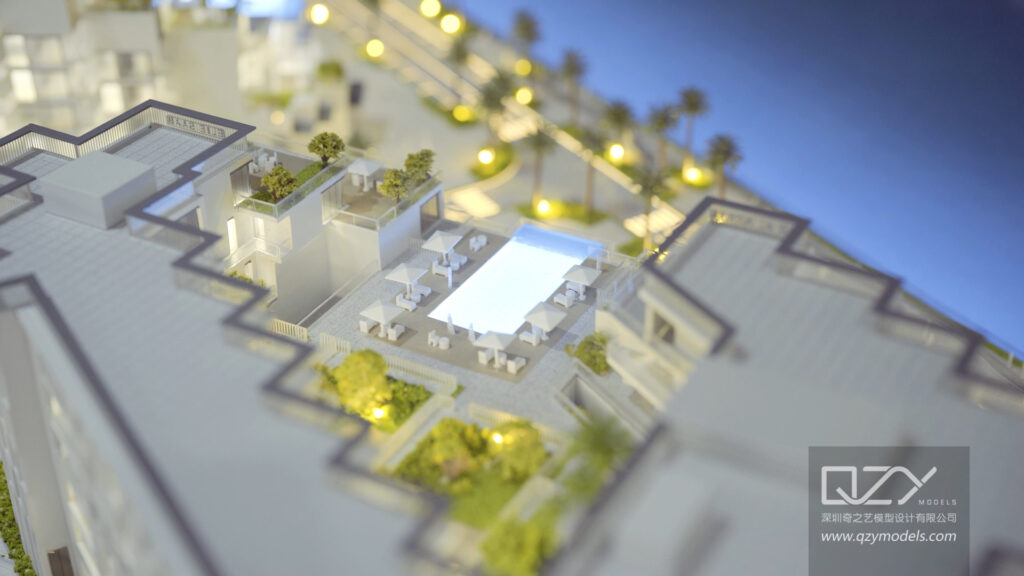
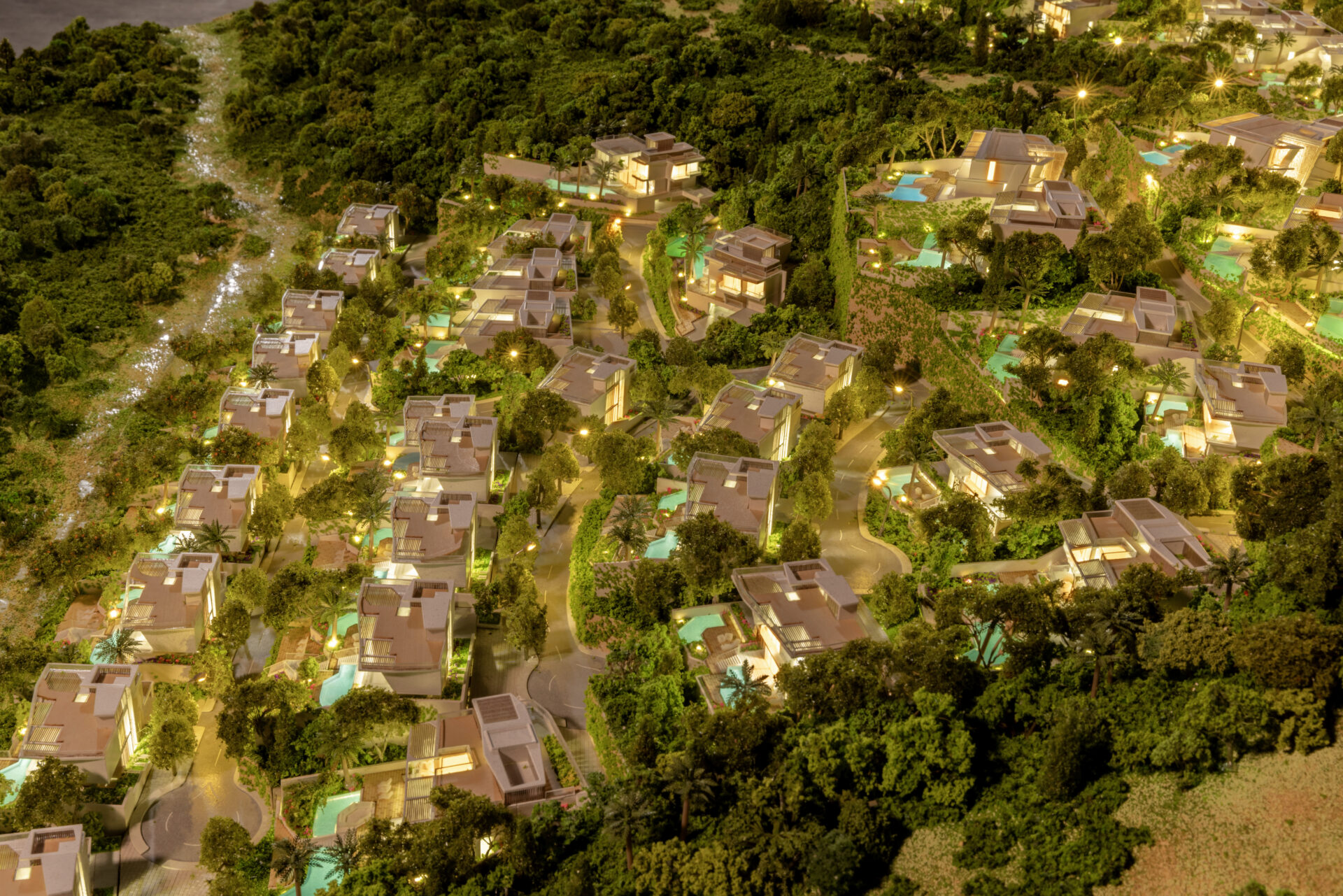
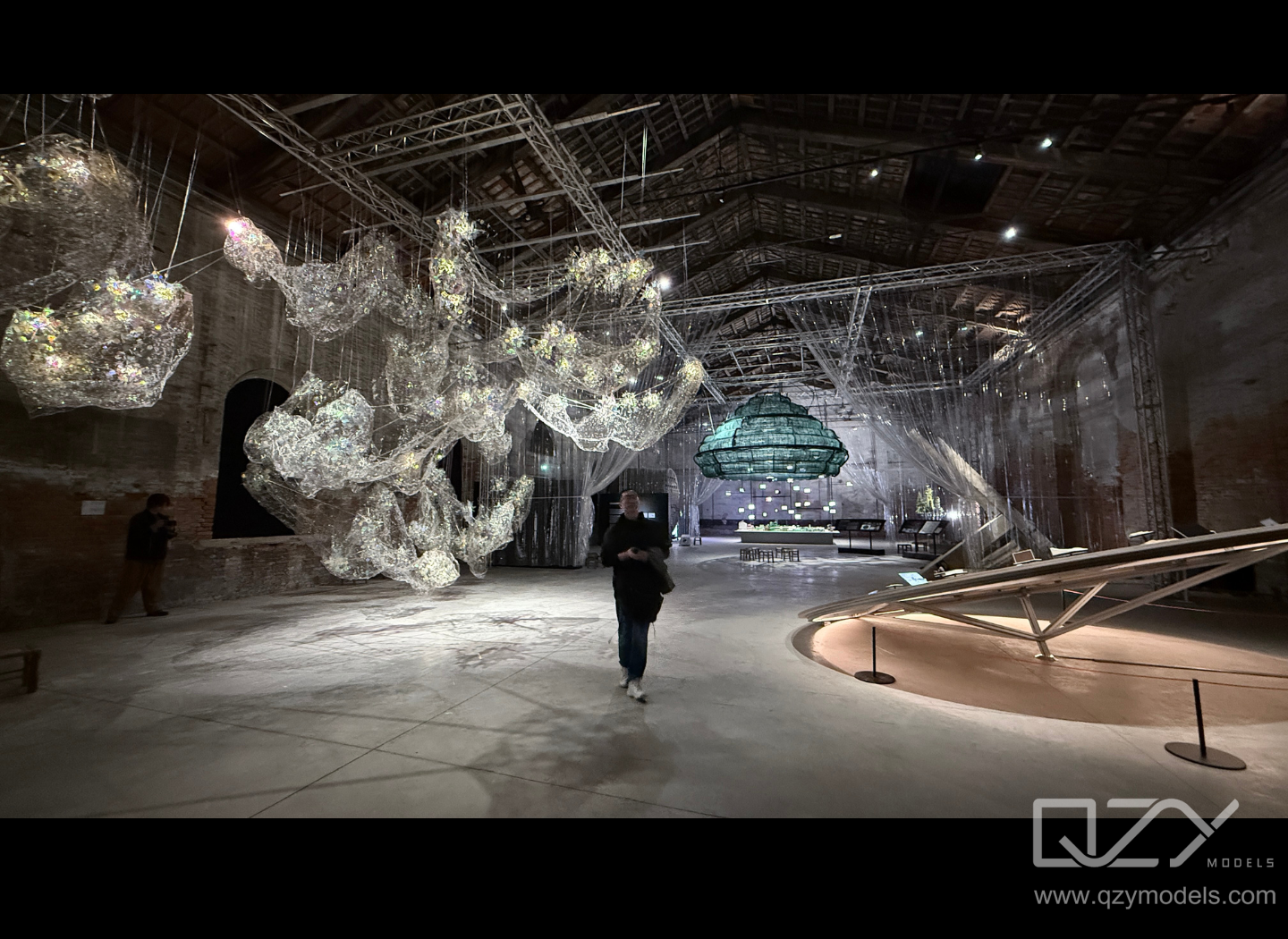
Custom architectural models are redefining how urban planners, architects, and developers communicate design intent, optimize spatial understanding, and accelerate project approvals. With cutting-edge precision and artistry, solutions like QZY Models deliver tangible, data-backed, and stunningly accurate representations that turn complex concepts into immersive physical reality.
What Is the Current State of the Architectural Model Industry and Its Key Pain Points?
According to the Global Architectural Model Market Report 2025 by MarketsandMarkets, the demand for architectural models is expected to grow at an annual rate of 8.2%. The surge is driven by rapid urbanization, rising infrastructure spending, and a growing need for visual project validation. Yet, many firms still rely on outdated manual model-building practices that slow delivery and limit design flexibility. With global construction output projected to reach $15.2 trillion by 2030, the pressure to visualize and validate projects faster has never been greater.
Designers and developers face three primary pain points: time inefficiency, communication gaps, and lack of precision. Stakeholders often struggle to align on spatial concepts when relying solely on 2D drawings or virtual renderings, leading to delayed decisions and costly iteration cycles. Moreover, traditional firms experience difficulty scaling and integrating digital design data into physical models—a critical barrier as BIM and parametric design become industry standards.
In addition, the industry faces talent shortages in specialized craftsmanship, driving the need for hybrid manufacturing processes that merge digital fabrication with manual artistry. As global competition intensifies, developers demand physically accurate models that not only look impressive but also serve functional, presentational, and regulatory purposes.
Why Are Traditional Solutions No Longer Enough?
Traditional model-making methods—while artistic—are often slow, inconsistent, and labor-intensive. A conventional 1:100 scale urban model can take weeks or months to produce, depending on complexity. Furthermore, static models cannot easily accommodate design updates, making them less adaptable to modern, iterative workflows.
The lack of integration between digital design files (CAD/BIM) and physical manufacturing introduces data loss and human error. This inefficiency can increase production costs by 20–30%. Moreover, clients today expect realistic, interactive, and illuminated presentations that combine precision with aesthetic storytelling—something traditional hand-built models rarely achieve at scale.
How Does QZY Models Deliver a Smarter Solution?
QZY Models integrates digital fabrication technologies—such as CNC milling, SLA 3D printing, and laser cutting—with artisanal craftsmanship to deliver physical models that bridge digital precision and human artistry. By directly translating BIM and CAD data into physical form, QZY eliminates manual interpretation errors and accelerates delivery cycles.
With dedicated teams across China, the UAE, and Europe, QZY offers global clients customized model production that supports architecture, landscape, urban planning, and industrial design applications. Every model undergoes rigorous quality assurance to ensure durability, scale accuracy, and lifelike realism. Beyond production, QZY provides consultancy on display integration, lighting design, and interactive presentation systems.
Which Advantages Differentiate QZY Models from Traditional Methods?
| Aspect | Traditional Model Building | QZY Models’ Smart Approach |
|---|---|---|
| Production Time | 4–12 weeks | 1–4 weeks with digital integration |
| Accuracy Level | ±3–5 mm | ±0.5 mm precision |
| Design Revision Handling | Manual, time-consuming | Automated with digital modeling data |
| Material Efficiency | High waste | Optimized digital cutting and recycling |
| Presentation Options | Static, non-interactive | Interactive lighting, AR integration |
| Cost Predictability | Variable | Transparent digital-based costing |
What Are the Steps to Implement QZY’s Architectural Modeling Solution?
-
Consultation: Define project type, scale, timeline, and design integration requirements.
-
3D Data Preparation: QZY technical teams process CAD or BIM files for manufacturability.
-
Prototyping & Material Selection: Prototype sections produced for approval; materials are optimized for scale and durability.
-
Digital Fabrication: CNC, 3D printing, and laser cutting used for core structures.
-
Assembly & Finishing: Skilled craftsmen assemble and detail components by hand.
-
Quality Check & Delivery: Each model undergoes precision testing and is securely shipped worldwide.
Who Are the Typical Client Scenarios That Benefit from QZY Models?
Scenario 1: Real Estate Developers
-
Problem: Inability to visually convince investors and buyers.
-
Traditional Approach: Relying on renderings and flat drawings.
-
With QZY Models: Realistic physical models showcased in sales centers increase pre-sale conversion rates by up to 40%.
-
Key Benefit: Enhanced investor trust and faster approval.
Scenario 2: Government Urban Planning Department
-
Problem: Community misunderstanding of proposed zoning changes.
-
Traditional Approach: 2D plans cause confusion during public hearings.
-
With QZY Models: Physical masterplan models help audiences visualize real-world impact.
-
Key Benefit: Reduced approval conflicts and faster stakeholder buy-in.
Scenario 3: Architectural Firms
-
Problem: Difficulty communicating complex geometries to clients.
-
Traditional Approach: PowerPoint presentations with slides and renderings.
-
With QZY Models: Scaled models demonstrate spatial experience vividly.
-
Key Benefit: Accelerated decision-making and stronger client engagement.
Scenario 4: Industrial Design Companies
-
Problem: Low understanding of product scale and ergonomics.
-
Traditional Approach: Small-scale 3D prints lacking detail.
-
With QZY Models: Full-scale industrial mockups refine usability and aesthetics.
-
Key Benefit: Reduced rework and increased prototype accuracy.
Why Should Businesses Act Now to Adopt Custom Architectural Models?
Emerging trends such as smart city visualization, parametric architecture, and virtual-physical hybrid exhibitions are reshaping the way built environments are designed, evaluated, and communicated. Firms that adopt integrated model solutions today position themselves competitively for upcoming smart urban projects and global collaborations.
QZY Models, with its two-decade heritage, is at the forefront of this transformation—empowering professionals to present, persuade, and perfect their designs through the power of tangible precision.
FAQ
1. Can QZY Models handle both large-scale and miniature projects?
Yes. QZY Models produces everything from large masterplan displays to high-detail interior models with consistent precision.
2. Are 3D-printed models as durable as traditional handcrafted models?
They can be even more durable, as QZY uses reinforced composites and UV-resistant materials.
3. Does QZY provide international delivery and installation?
Yes. QZY offers global logistics and onsite assembly support in over 20 countries.
4. How long does it take from design submission to completion?
Depending on complexity, projects are typically completed within one to four weeks.
5. Can lighting, movement, or AR features be integrated?
Absolutely. QZY’s models can include dynamic illumination, motorized elements, and augmented reality interfaces.