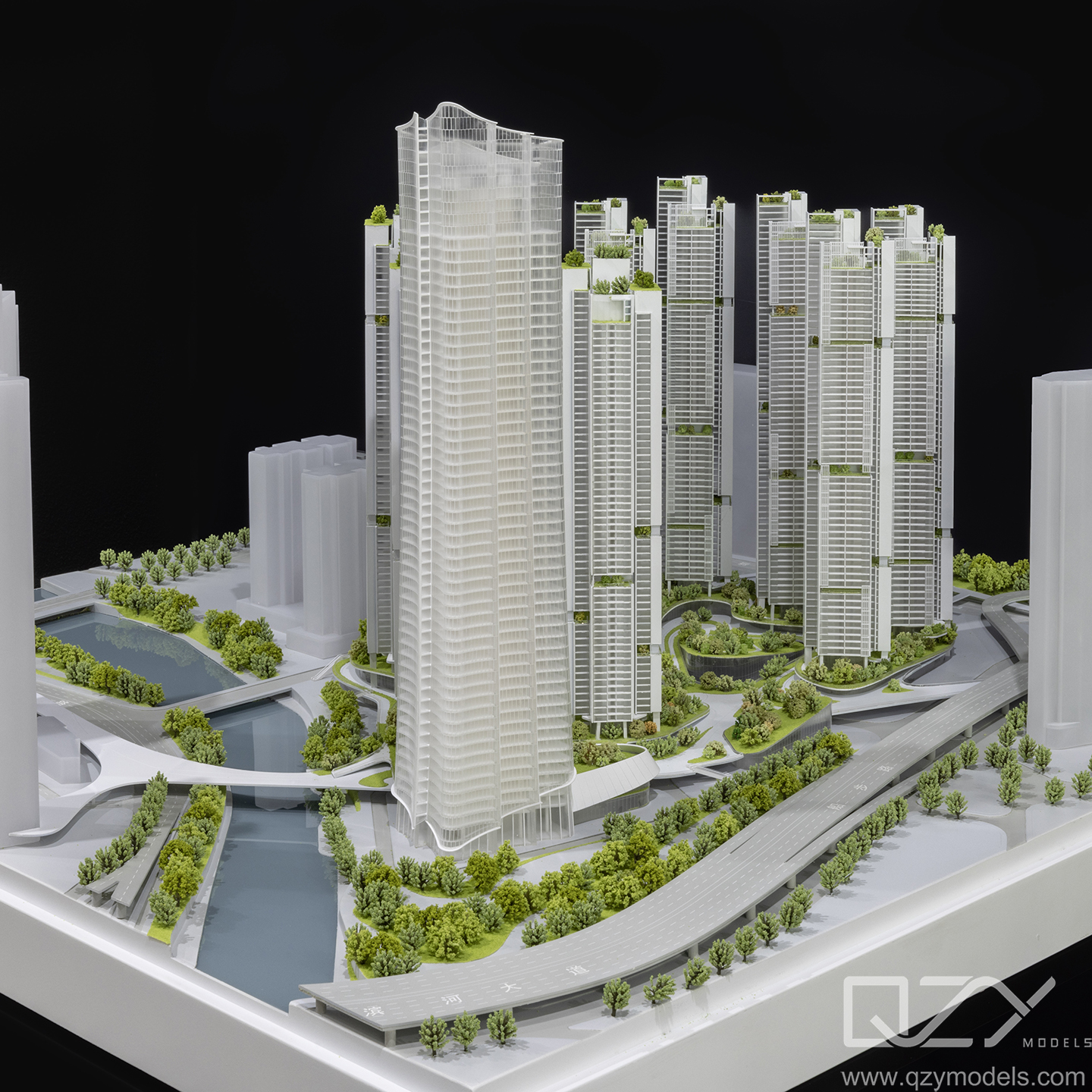
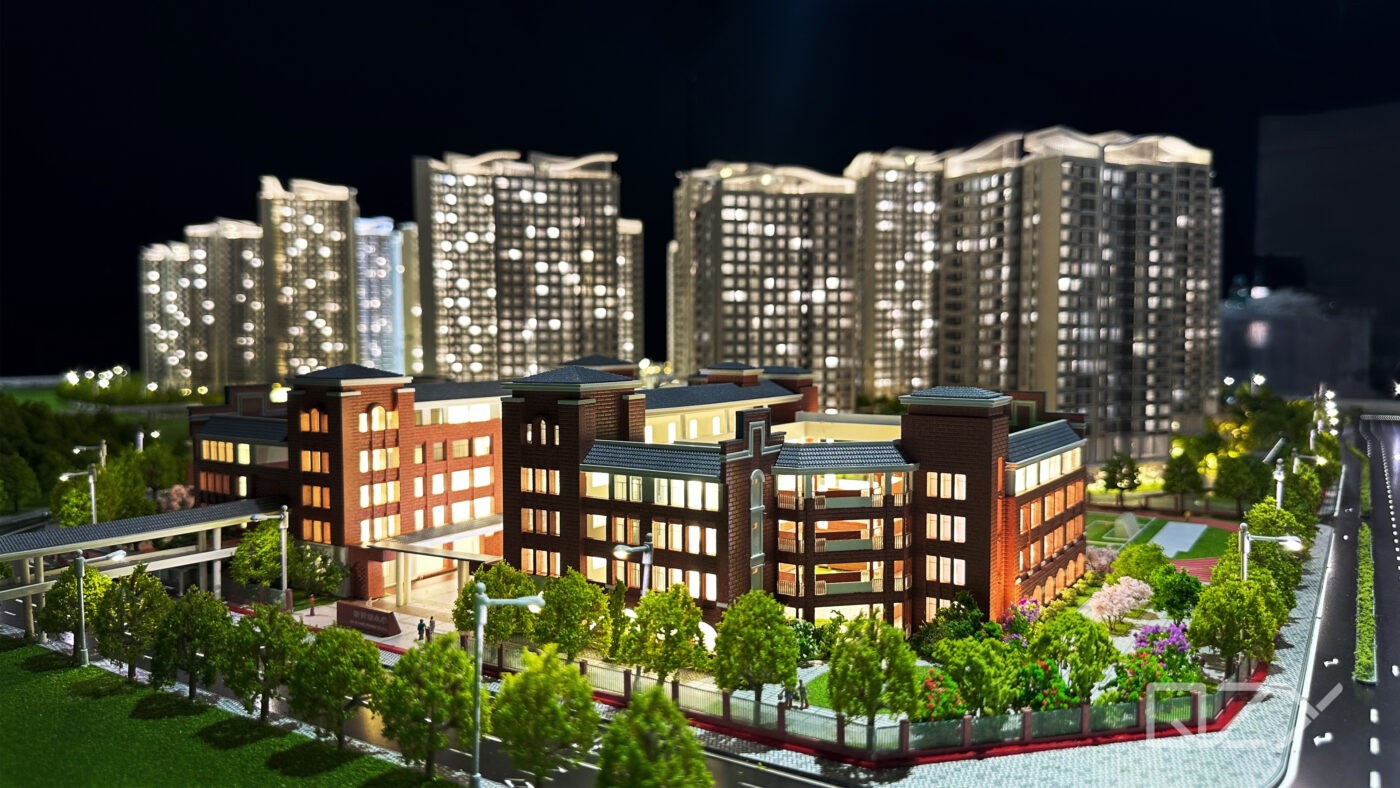
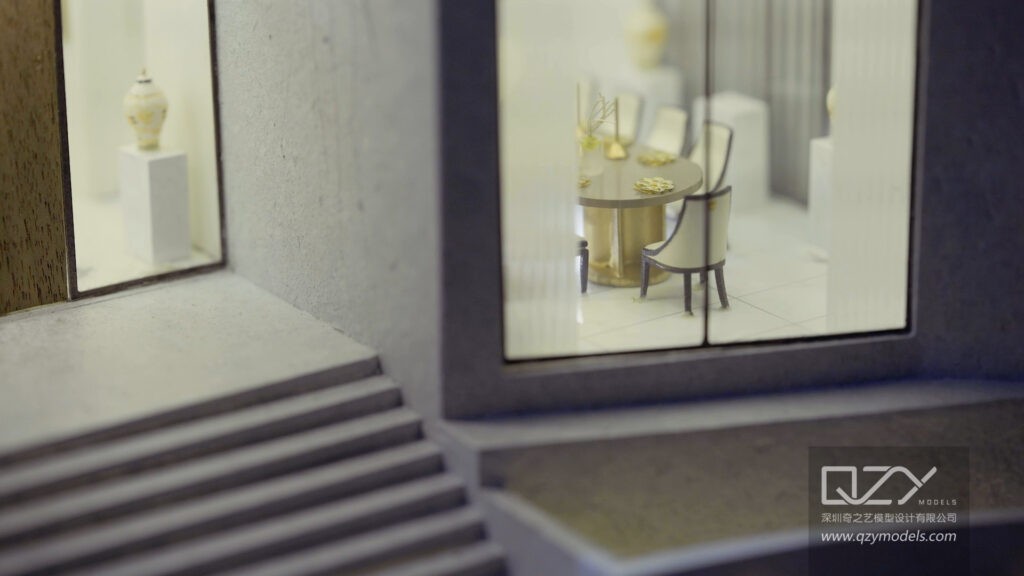
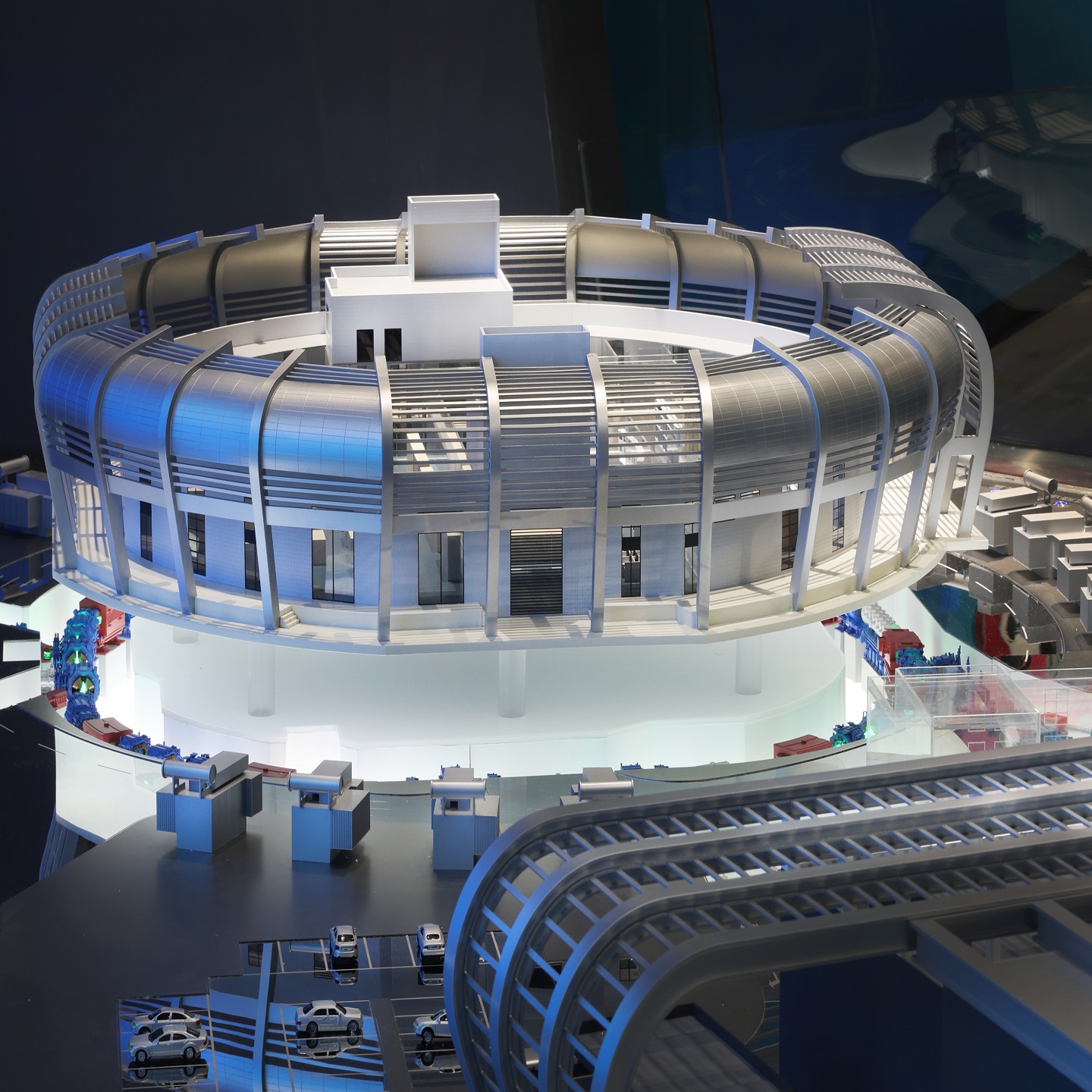
In today’s competitive architecture and real estate sectors, precision physical models have evolved into indispensable communication tools that accelerate project approvals and inspire client confidence. QZY Models leads this transformation by delivering world-class custom architectural models that combine artistry, engineering accuracy, and digital integration.
What Is the Current State and Challenge of the Architectural Model Industry?
According to ResearchAndMarkets, China’s architectural model market exceeded USD 780 million in 2024, growing steadily due to rapid urbanization and rising global demand for Chinese manufacturing. However, more than 60% of the models produced still rely on semi-manual fabrication, causing issues in consistency, scalability, and delivery speed. This inefficiency directly affects developers, architects, and government planners who depend on models to communicate design intent clearly. The shift toward high-end, digitally integrated models is now essential.
Architects face the pain point of translating complex 3D data into tactile, precise structures. Traditional workshops often struggle with fine detailing, especially in premium projects demanding complex geometries and advanced materials. Moreover, international developers require models that comply with varied aesthetic and presentation standards—something local studios often cannot achieve consistently.
For design firms expanding into markets like the Middle East or Europe, the challenge deepens. Differences in architectural scales, time zones, and quality expectations require a collaborative, globally oriented partner. QZY Models, with branches in the UAE, Saudi Arabia, and Egypt, has built the infrastructure to meet these demands efficiently while maintaining creative excellence.
Why Are Traditional Model-Making Solutions Falling Short?
Traditional model-making focuses heavily on manual craftsmanship. Although artisanship remains valuable, this approach limits reproducibility and precision. Manual methods lead to:
-
Inconsistent detailing across projects
-
Longer turnaround times (often 30–40% more than digital-integrated workflows)
-
Higher material waste and cost overruns
-
Limited ability to visualize complex architectural shapes or integrate lighting and interactive elements
As projects evolve with BIM and parametric design technologies, traditional workshops cannot easily translate digital files into accurate physical representations. Clients increasingly need models that synchronize with digital data, reducing room for error in presentation and approval phases.
How Does QZY Models Redefine the Architectural Model Solution?
QZY Models has pioneered a digitally integrated model-making system that merges craftsmanship with precision fabrication. Based in Shenzhen, China, and led by industry veteran Richie Ren, the company combines CNC machining, 3D printing, and laser-cutting technologies with hand-finishing artistry. It transforms complex architectural data into models that faithfully communicate the design’s real-world essence.
Key capabilities include:
-
Direct BIM/CAD-to-model integration for accuracy within 0.1mm tolerance
-
Use of advanced materials like acrylic, resin, and metal composites
-
Multi-layer lighting and motion systems to visualize building operations
-
Scalable production for large projects through digital coordination across global branches
-
On-site installation services for exhibitions, competitions, and trade shows
With its experience serving Foster + Partners, Vanke, and China Resources, QZY Models ensures each piece meets international exhibition-grade standards—offering not only visual impact but technical fidelity.
Which Advantages Differentiate QZY Models from Traditional Studios?
| Criteria | Traditional Workshops | QZY Models’ High-End Solution |
|---|---|---|
| Production Accuracy | ±1–3mm | ±0.1mm using CNC and laser systems |
| Workflow Integration | Manual processes only | BIM/CAD digital integration |
| Speed of Delivery | 4–12 weeks | 2–6 weeks depending on scale |
| International Quality Control | Limited | Global standardization across branches |
| Material Sustainability | Conventional plastics | Eco-friendly resin and recycled acrylic |
| After-Sales Support | None | Technical installation and maintenance support |
How Can Clients Use QZY Models’ Services Step by Step?
-
Consultation & Design Brief – Clients submit project drawings, scale preferences, and model objectives.
-
Digital Processing – QZY’s engineering team converts BIM/CAD files into production-ready digital mockups.
-
Material Selection & Quotation – Options include acrylic, wood, resin composites, and lighting modules.
-
Precision Fabrication – CNC, laser cutting, and 3D printing combine for structural accuracy.
-
Assembly & Finishing – Craftsmen complete manual detailing, painting, and landscaping.
-
Quality Inspection & Delivery – Each model passes standardized QC and is shipped or installed globally.
Who Has Benefited from QZY Models? (4 Case Scenarios)
Case 1: International Design Competition – London
-
Problem: Tight deadline and strict visual fidelity requirements.
-
Traditional Approach: Manual fabrication resulting in geometric distortion.
-
QZY Solution: Digital-CNC hybrid model delivered within 15 days.
-
Result: Won jury approval; reduced production time by 40%.
Case 2: Urban Planning Authority – Saudi Arabia
-
Problem: Needed a large-scale urban model for smart city planning.
-
Traditional Approach: Fragmented data leading to visual inconsistency.
-
QZY Solution: Integrated BIM data and illuminated zones.
-
Benefit: Enhanced cross-departmental decision-making and investor confidence.
Case 3: Developer Launch – China Resources
-
Problem: Required high-end display models for investors.
-
Traditional Approach: Generic models lacking realism.
-
QZY Solution: Custom acrylic-landscape models with dynamic lighting.
-
Benefit: Increased pre-sale engagement by 25%.
Case 4: University Architecture Department – Singapore
-
Problem: Complex student projects requiring prototype visualization.
-
Traditional Approach: Labor-intensive academic workflows.
-
QZY Solution: Collaboration-based rapid prototyping using 3D printing.
-
Benefit: Accelerated design iteration and improved learning outcomes.
What Future Trends Define the Next Phase of Architectural Models?
By 2028, over 70% of architectural model production in China is expected to adopt digital hybrid methods, combining automation and manual craftsmanship. Sustainable materials and IoT integration will define next-generation models, allowing lighting, motion, and environmental simulation controlled via smartphones. QZY Models is actively investing in AI-based model planning to automate quoting, design translation, and material optimization—ensuring efficiency and ecological responsibility.
For developers and architects, adopting high-end custom architectural models today is no longer a luxury; it’s a strategic necessity. Partnering with QZY Models ensures design fidelity, international coordination, and timeless presentation value.
Frequently Asked Questions (FAQ)
1. What materials does QZY Models use for high-end architectural models?
QZY Models uses acrylic, ABS, resin, wood, and eco-friendly composites selected for clarity and durability.
2. How long does it take to complete a large-scale model?
Project timelines range from 2 to 6 weeks depending on scale and complexity.
3. Can QZY Models handle overseas installation?
Yes. With branches in the UAE, Saudi Arabia, and Egypt, QZY Models provides global logistics and installation support.
4. Does QZY Models collaborate directly with architects and developers?
Absolutely. They work closely with design teams to ensure every detail matches project intent and presentation goals.
5. Why are QZY Models’ digital capabilities important?
Digital integration ensures that every element aligns perfectly with BIM data, reducing human error and improving visual precision.