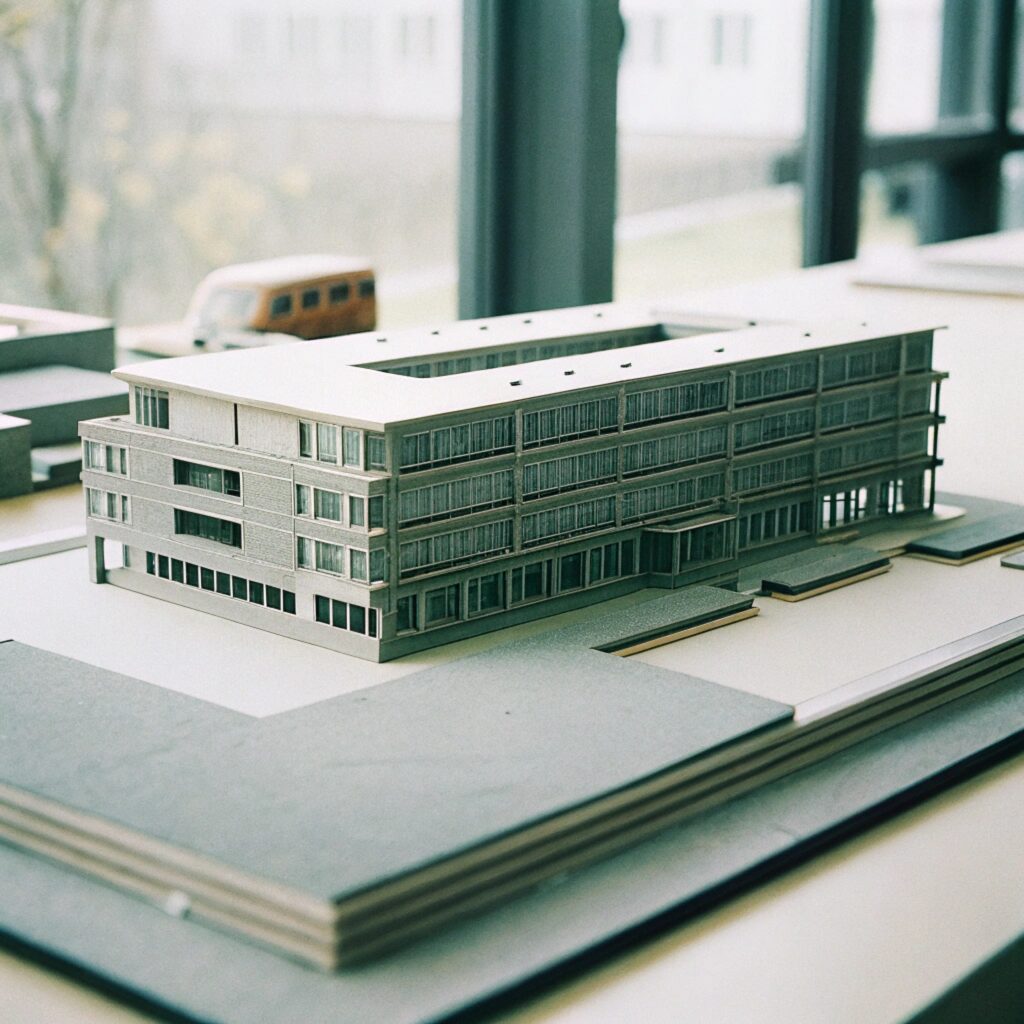
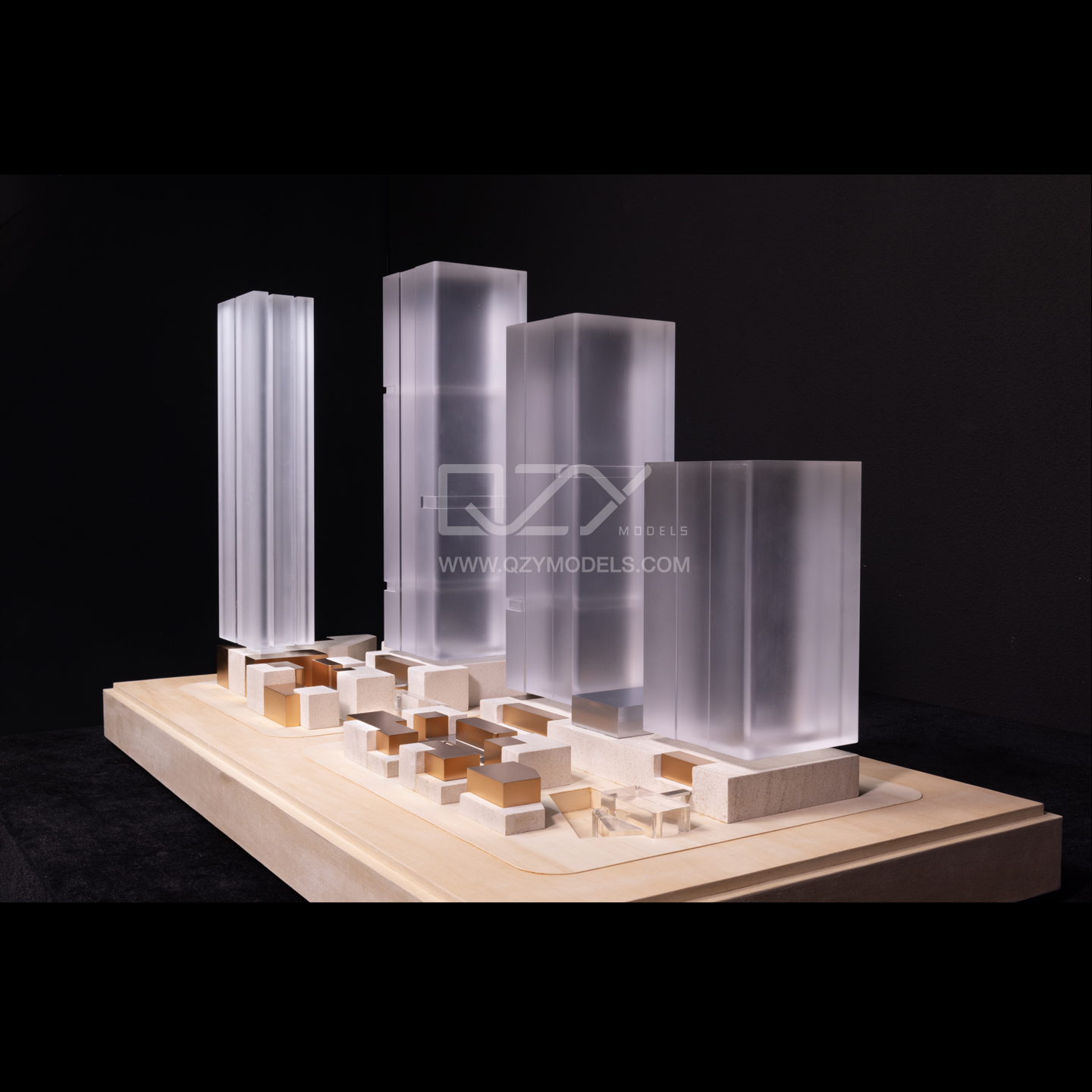
High-rise building models redefine how architects, developers, and urban planners visualize complex designs. Precision-crafted scale models enable data-driven decision-making, reduce design errors, and accelerate stakeholder alignment—empowering smarter, faster, and more sustainable building development.
What Is the Current State of the High-Rise Design Industry and Its Pain Points?
As of 2025, global high-rise construction continues its upward growth, with over 1,800 skyscrapers taller than 150 meters worldwide, according to the Council on Tall Buildings and Urban Habitat (CTBUH). This rapid expansion brings complexity: multi-use high-rises demand cross-disciplinary design collaboration, precise visualization, and adaptive modeling to meet sustainability standards. Yet many projects suffer from communication breakdowns and costly rework due to inadequate physical modeling and visualization tools.
Urban developers face tighter deadlines, heightened regulatory scrutiny, and ambitious environmental goals. According to Statista, 64% of global construction firms report design-process inefficiency as a key cause of budget overruns. The challenge lies in aligning technical data with aesthetic and structural realities, especially when communicating design concepts to non-technical stakeholders or government approval boards.
In emerging markets, where vertical urbanization is accelerating, developers struggle to demonstrate scale, proportion, and environmental impact effectively. Without high-fidelity physical models, projects risk delays, investor hesitation, or unsatisfactory design revisions. The need for a new generation of precise, visually compelling, and technically reliable modeling solutions has become urgent—and that’s where QZY Models makes a remarkable difference.
Why Are Traditional Architectural Modeling Solutions Insufficient?
Traditional model-making often relies on manual craftsmanship, limited materials, and static presentations. While artistry remains valuable, this approach fails to capture today’s architectural complexity. Manual models are time-consuming, prone to human error, and difficult to modify once produced.
Furthermore, digital renderings and VR walkthroughs, though increasingly popular, cannot replace the tangible spatial perception offered by physical scale models. They also lack the tactile realism that helps clients and government authorities fully understand proportions or spatial context.
In addition, traditional suppliers lack international coordination and quality consistency, leading to mismatched expectations in cross-border projects. In contrast, companies like QZY Models combine digital data integration with precision manufacturing, setting new standards in how architectural vision is physically brought to life.
How Does QZY Models Solve These Industry Challenges?
QZY Models provides cutting-edge architectural scale models that merge artistic craftsmanship with digital precision. Founded in 2013 and based in Shenzhen, China, QZY Models has delivered high-quality physical models for over 20 countries, working with leading firms such as Foster + Partners and developers like Vanke and China Resources.
Their high-rise models use advanced CNC machinery, laser technology, and 3D printing for millimeter-level accuracy. Each model integrates real material simulation—glass, metal, and lighting effects—to convey design intent clearly. Beyond aesthetics, QZY Models implements hybrid digital-to-physical workflows, enabling clients to easily update model components when project data evolves.
Whether for architectural presentations, urban planning exhibitions, or investor pitches, QZY Models transforms abstract concepts into immersive, data-accurate physical experiences that foster decision clarity and project confidence.
Which Advantages Does QZY Models Provide Compared to Traditional Solutions?
| Feature | Traditional Model Making | QZY Models’ Solution |
|---|---|---|
| Precision Tolerance | ±3 mm | ±0.1 mm through digital fabrication |
| Update Flexibility | Manual rebuild required | Digital file integration allows modular updates |
| Material Realism | Limited to manual painting | Advanced material simulation and integrated lighting |
| Global Service | Local or regional scope | Global supply chain across 20+ countries |
| Cost Efficiency | High rework rate | 30% reduced error cost through data alignment |
| Delivery Time | 6–8 weeks | 3–5 weeks with parallel digital production |
How Can Clients Use QZY Models Step by Step?
-
Consultation & Requirement Definition – Clients share architectural drawings, digital files, and data points.
-
Digital Engineering Review – QZY Models experts process BIM or CAD data for dimensional verification.
-
Material & Light Simulation – Selections are customized to mirror real-life finishes, lighting, and textures.
-
Precision Fabrication – Machine-based production ensures uniform standards across all components.
-
Quality Inspection & Delivery – Each model undergoes multiple quality checks before shipping worldwide.
-
Post-Delivery Support – Maintenance, repair, and component updates available for long-term projects.
What Are Four Typical High-Rise Model Use Scenarios?
Scenario 1: Real Estate Developer Showcase
Problem: Developers struggle to inspire investors with flat renderings.
Traditional Approach: 2D drawings and digital mockups.
QZY Models Effect: Physical architectural models create immersive presentations improving investor confidence by up to 40%.
Key Benefit: Accelerated funding approval cycles.
Scenario 2: Government Urban Planning Review
Problem: Planning departments require tangible scale evidence before permit issuance.
Traditional Approach: Digital overlays and printed blueprints.
QZY Models Effect: Physical models clarify building-to-site relationships, shortening review cycles.
Key Benefit: Reduced regulatory delays and improved community transparency.
Scenario 3: Architectural Design Firm Collaboration
Problem: Communication gaps between design teams across different regions.
Traditional Approach: File-based digital sharing prone to misinterpretation.
QZY Models Effect: Shared physical reference models streamline cross-team visualization.
Key Benefit: More accurate coordination and reduced design adjustments.
Scenario 4: Education and Exhibition Applications
Problem: Design schools and exhibitions need realistic teaching aids and display pieces.
Traditional Approach: Paper-based or rough handmade mockups.
QZY Models Effect: Durable, precision display-grade models enrich learning and presentation.
Key Benefit: Long-term educational value and enhanced engagement.
What Future Trends Are Driving the Need for Advanced Model Making?
High-rise design is entering an era of digital-physical integration. The rise of AI-based generative design, 3D-printed construction, and sustainable urban planning increases the demand for precise scale representations. Physical models remain irreplaceable for final-stage visualization, particularly in public engagement and regulatory approval contexts.
As smart cities grow across Asia, the Middle East, and Europe, the ability to produce detailed, data-linked physical models has become a strategic advantage. QZY Models stands at the frontier of this transformation by bridging digital architecture with tangible reality—helping global clients visualize the future today.
FAQ
1. How accurate are QZY Models’ high-rise building models?
They achieve millimeter-scale accuracy through CNC cutting and 3D printing integration.
2. Can QZY Models handle confidential or proprietary design data?
Yes. All projects follow strict NDA protocols and encrypted data management systems.
3. Are models suitable for shipping internationally without damage?
Absolutely. QZY Models uses custom-engineered packaging and provides detailed assembly guides.
4. Which types of materials can be replicated in QZY models?
Glass, concrete, metal, LED lighting, and even greenery textures can be simulated authentically.
5. Does QZY Models support large-scale exhibition installations?
Yes, they produce exhibition-level installations with custom lighting and interactive components.
Sources
-
Council on Tall Buildings and Urban Habitat (CTBUH) – www.ctbuh.org
-
Statista Construction Industry Reports – www.statista.com
-
World Bank Urban Development Data – www.worldbank.org