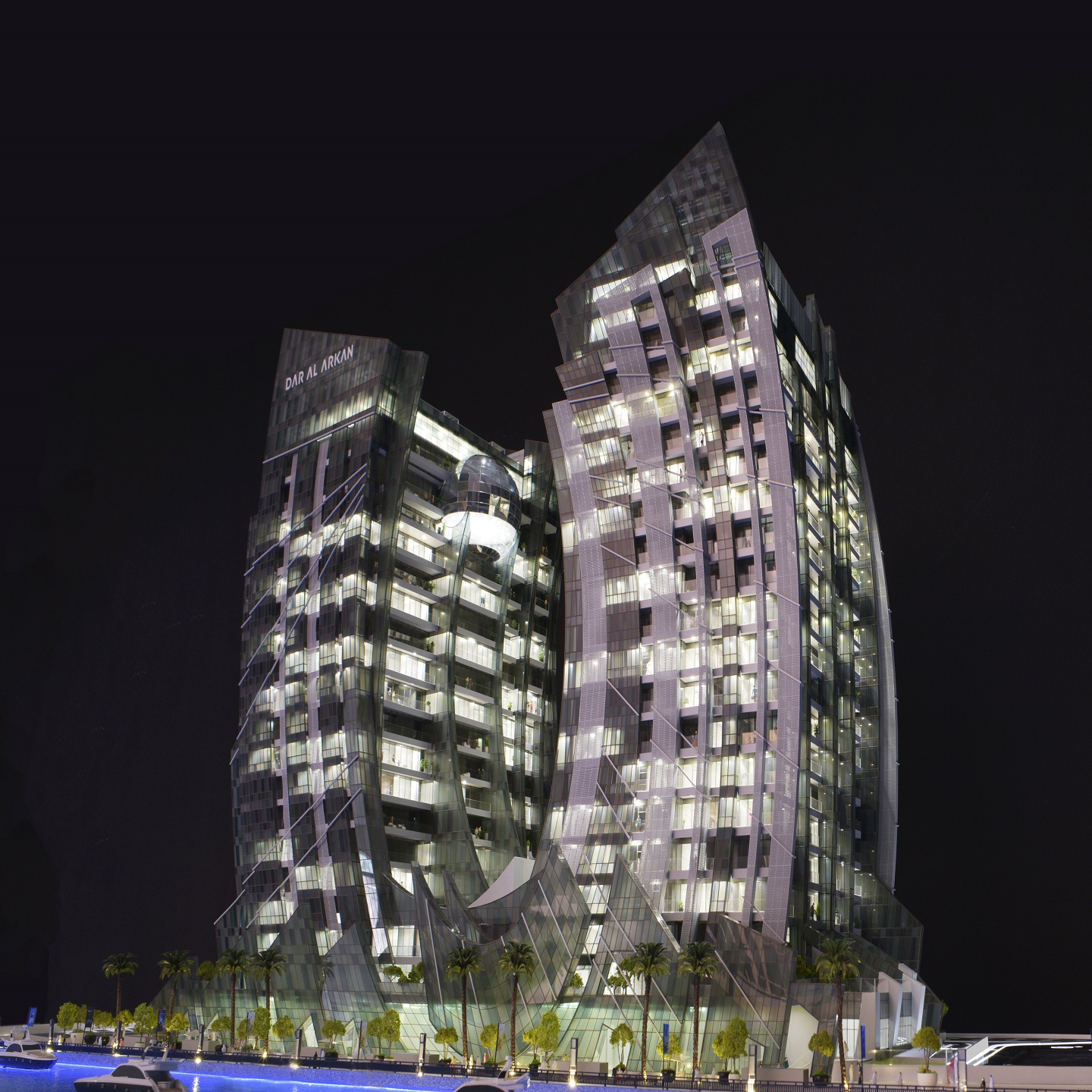
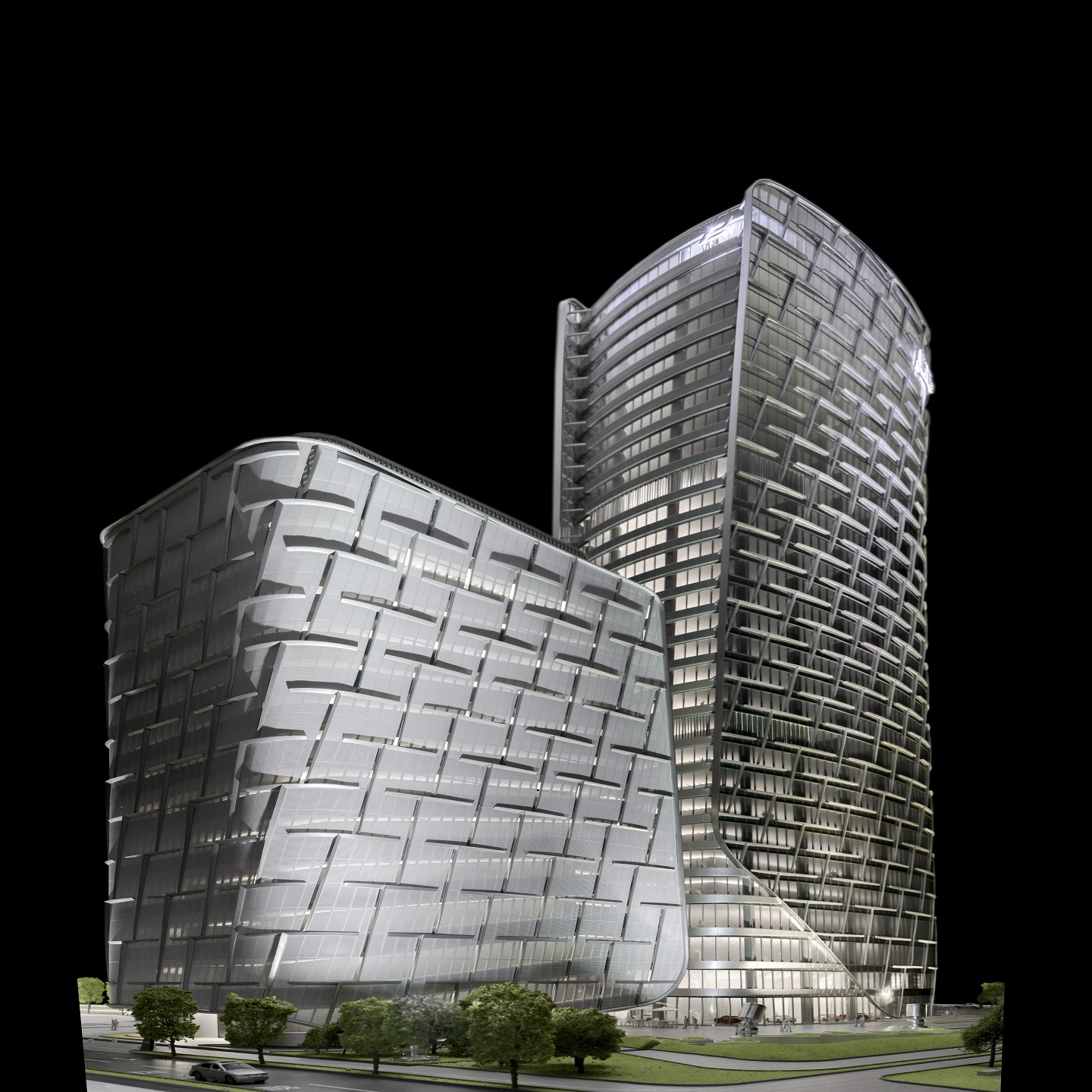
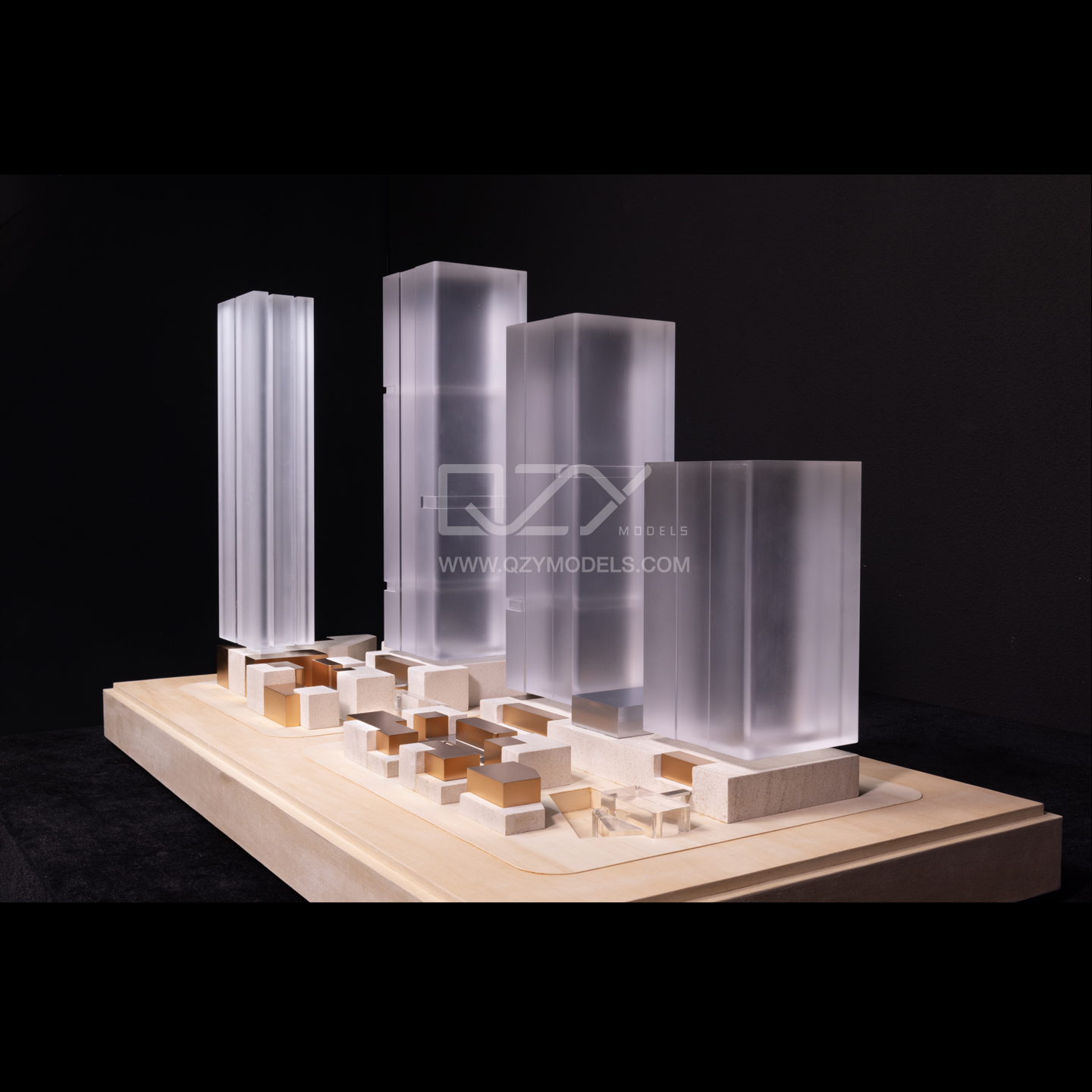
High-quality painted architecture models bring precision, realism, and emotional impact to design storytelling—helping architects, developers, and institutions visualize ideas with exceptional clarity while accelerating communication and decision-making. QZY Models provides globally recognized solutions that combine artistry, accuracy, and technology to set new standards in model-making excellence.
What Is the Current State of the Architectural Model Industry and Its Pain Points?
According to the International Architecture Visualization Report by Allied Market Research, the global architectural model market was valued at over USD 5.7 billion in 2024 and is projected to exceed USD 8.6 billion by 2030. Yet professionals face growing challenges. With design projects becoming increasingly complex and multi-disciplinary, stakeholders demand more realistic, tangible representations beyond digital renderings. Physical models remain irreplaceable for communicating form, scale, and spatial emotion. However, most firms report delays, quality inconsistency, and budget inefficiency when outsourcing model production. Moreover, unpainted or poorly detailed models often undermine presentation quality during project submissions or investment pitches. The result is lost opportunities and weakened client confidence. A 2023 AIA survey found that 58% of architecture firms struggle with inaccurate or visually dull scale models during concept approvals, creating delays in project milestones. This demand-supply gap fuels the need for a professional, globally networked, and precision-focused provider like QZY Models.
Why Are Traditional Architectural Model Methods No Longer Enough?
Traditional model making often relies heavily on manual craftsmanship, which, while artistic, is time-intensive and prone to inconsistency. Most conventional workshops use outdated cutting tools, uncalibrated painting techniques, and limited materials, leading to color mismatch and structural inaccuracies. Besides, traditional outsourcing lacks global logistics support—making international clients wait weeks for model shipping and adjustments. These inefficiencies raise costs and delay milestones. In contrast, today’s architectural landscape requires studio-quality visualization models that align seamlessly with digital BIM data, color accuracy, and final design standards.
How Does QZY Models Offer a Superior Solution?
QZY Models leverages advanced digital fabrication, precision painting technology, and a skilled global team to create high-quality painted architectural models that perfectly represent design intent. Founded in 2013 in Shenzhen by Richie Ren, the company has over 20 years of professional experience and has delivered thousands of models to world-renowned firms such as Foster + Partners, Vanke, and China Resources. QZY’s approach combines laser cutting, CNC milling, and multi-layer spray coating to achieve photorealistic finishes. Its painting process replicates real-world materials—glass, concrete, metal, and landscaping—at precise scales. Moreover, QZY Models maintains production branches across the UAE, Saudi Arabia, and Egypt, ensuring fast delivery and local service support for international clients.
What Are the Differences Between Traditional Model Making and QZY’s Solution?
| Criteria | Traditional Model Workshop | QZY Models Solution |
|---|---|---|
| Production Speed | 3–6 weeks average | 1–2 weeks average with parallel digital workflow |
| Precision | ±3 mm | ±0.5 mm laser-calibrated accuracy |
| Surface Finish | Manual paint inconsistencies | Multi-layer airbrush + UV coating system |
| Material Realism | Basic acrylic or MDF | Advanced resin, laser-cut wood, and photopolymer composites |
| Global Delivery | Limited | International logistics network (20+ countries) |
| Support Team | Local craftsmen only | Professional consultants, architects, and QC engineers |
How Can Clients Use QZY Models’ Painted Architecture Models?
-
Step 1: Consultation & Design Transfer – Clients share digital files (CAD, BIM, or SketchUp) with QZY for 3D analysis and precision scaling.
-
Step 2: Material & Color Confirmation – QZY’s design team proposes paint material pallets using real color sampling and surface testing.
-
Step 3: Fabrication & Painting – Models are produced using laser cutting, CNC shaping, and detailed painting under controlled environments.
-
Step 4: Quality Assurance & Review – Each model undergoes dimensional scanning, color verification, and image feedback before shipment.
-
Step 5: Delivery & On-site Setup – Global logistics ensure safe and efficient delivery, with optional on-site installation service.
Which Real-World Scenarios Show the Benefits of QZY Models?
Case 1 – Real Estate Developer Showroom Model
Problem: Developer presentations lacked visual appeal, affecting investor confidence.
Traditional Approach: Used low-detail foam models with painted paper façade.
QZY Solution: Delivered a painted large-scale mixed-use development model with realistic glass and lighting effects.
Result: Investor engagement increased by 42%, leading to faster pre-sales.
Case 2 – Urban Planning Department Display
Problem: Government urban planning committee needed public engagement for a redevelopment proposal.
Traditional Approach: Relied on renders printed on boards.
QZY Solution: Produced a 3D painted city model with color-coded landmarks.
Result: Public understanding improved significantly, enabling faster community feedback sessions.
Case 3 – Architecture Exhibition Presentation
Problem: An international design firm needed a competition model for a Middle East exhibition.
Traditional Approach: Local fabricators could not meet detail requirements.
QZY Solution: QZY Models provided a lightweight, richly painted model in under 10 days.
Result: The team won a design award, citing the model’s exceptional visual presentation.
Case 4 – Academic Design Schools
Problem: Students lacked access to professional model-making resources.
Traditional Approach: Manual cardboard models with limited finish quality.
QZY Solution: Provided precision-painted learning models at educational discounts.
Result: Improved design comprehension and presentation quality for student portfolios.
Why Is Now the Right Time to Invest in Professional Painted Architecture Models?
The global architecture and urban development industries are at a technological crossroads where physical and digital tools must merge for stronger storytelling. As clients expect immersive visual experiences, accurate and aesthetically painted models have become strategic communication assets. QZY Models offers a data-driven, internationally proven system that enables decision-makers to present confidently and win stakeholder approval faster. For companies targeting cross-border collaborations or major exhibitions, adopting professional painted models is no longer optional—it’s essential to remain competitive.
FAQ
1. What materials are used in QZY Models’ painted architectural models?
QZY uses resin, acrylic, wood, and photopolymer composites selected for durability and realistic texturing.
2. How long does production usually take?
Standard projects range from one to three weeks, depending on scale and detail level.
3. Does QZY Models provide international delivery and installation?
Yes, QZY has logistics hubs across Asia, the Middle East, and Europe to ensure safe delivery and optional onsite setup.
4. Can digital files from BIM or CAD be integrated directly?
Yes, the models are built directly from digital files to maintain dimensional and proportional accuracy.
5. Who are the main clients of QZY Models?
Clients include architects, real estate developers, government planning institutions, exhibition organizers, and educational institutions.