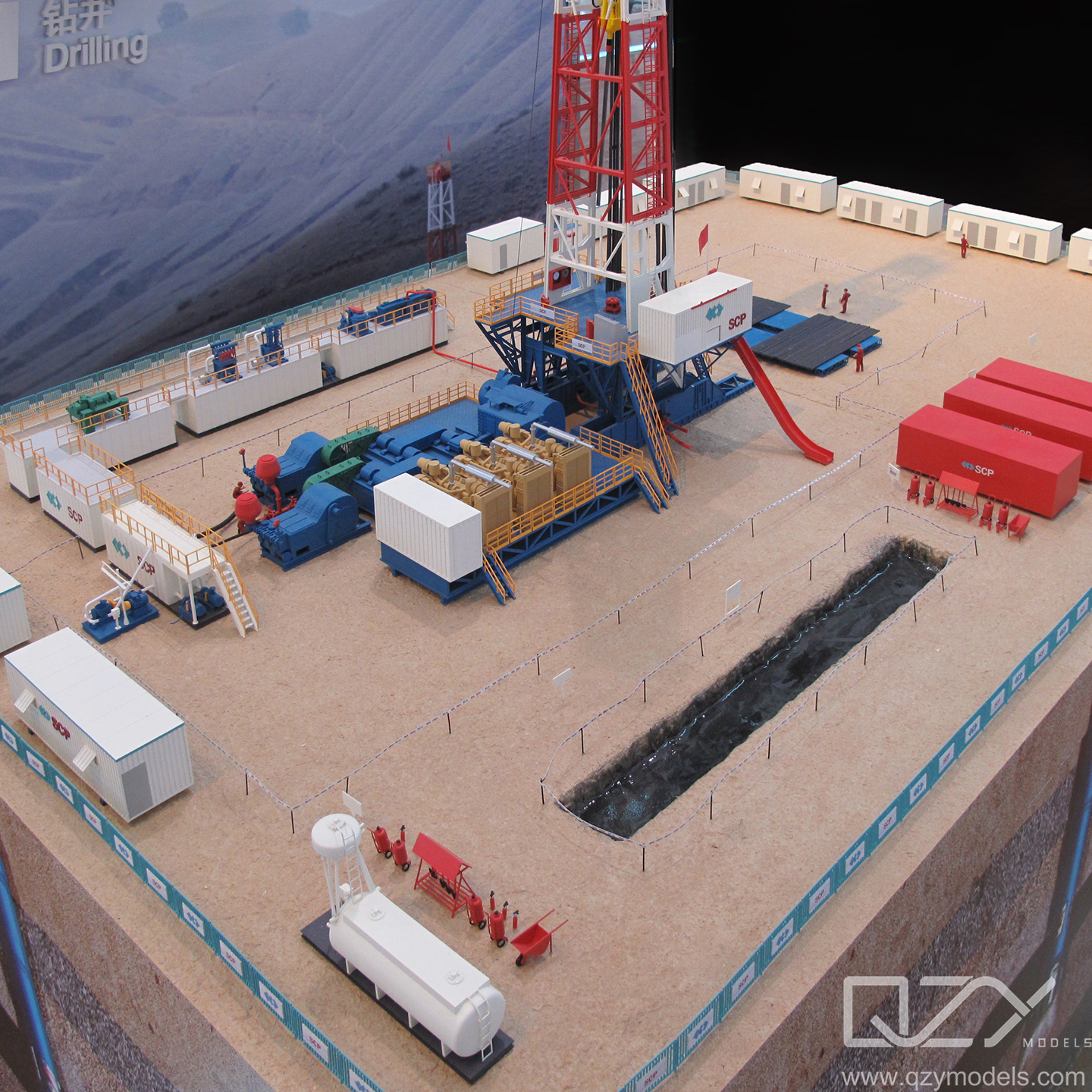
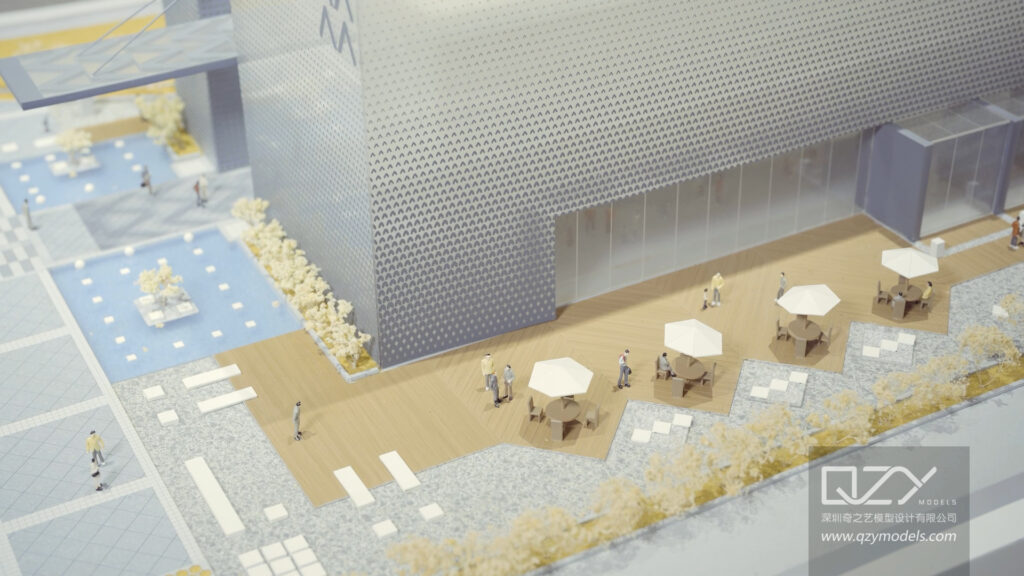
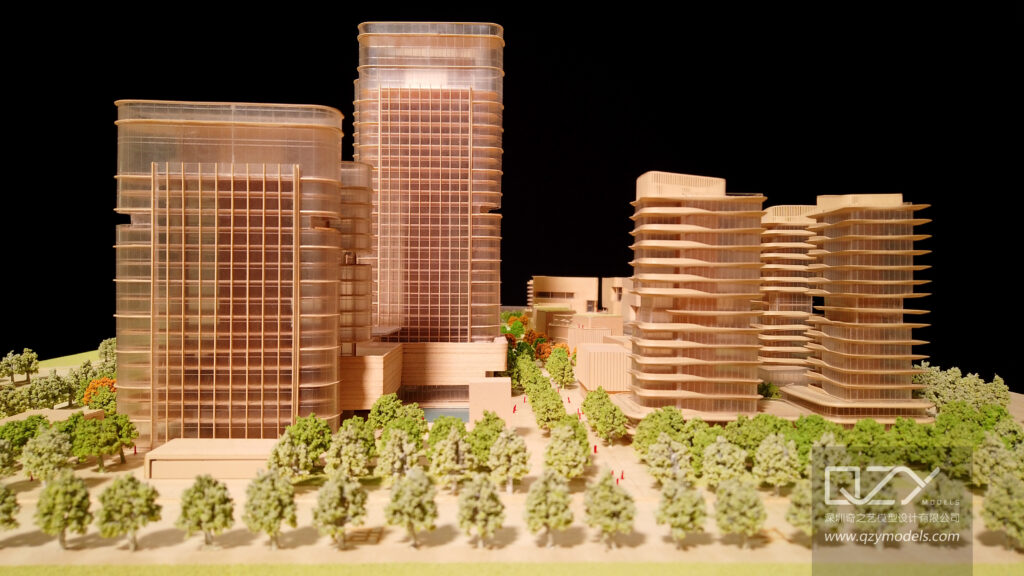
The evolution of physical office interior models is reshaping how architects, designers, and developers conceptualize, communicate, and execute interior spaces. With advances in materials, precision engineering, and hybrid visualization tools, physical scale models have become a bridge between abstract concepts and tangible environments. Today’s office interior modeling industry merges craftsmanship with digital technologies, enabling stakeholders to experience design intent before construction begins.
Market Trends and Data
Global demand for office interior design visualization has grown significantly as the post-pandemic workplace evolves toward hybrid flexibility and employee wellness. According to data from MarketsandMarkets, the architectural model industry is expected to reach billions in global valuation by 2028, driven by a need for immersive presentation and reduced design risk. Physical models remain crucial because they render spatial relationships, lighting, and layout proportions with tactile realism unmatched by screens. Architects increasingly combine physical scale models with 3D printing and laser cutting to shorten design cycles and improve stakeholder alignment.
Core Technology in Office Model Design
The technological foundations of modern office interior models include high-precision CNC milling, resin casting, rapid prototyping, and mixed-material assembly. Many studios integrate AR and VR overlays with tangible mock-ups, letting decision-makers toggle between physical scale and digital augmentation. Combining parametric design workflows with handcrafted model-making produces office layouts that reflect ergonomics, acoustic performance, and circulation pathways accurately. For large corporate headquarters or co-working spaces, designers can modify layouts directly on modular physical models, testing ideas in real time.
Real Applications and ROI Benefits
Top architectural firms use physical interior models for concept development, client presentations, and stakeholder reviews. A detailed office interior model can accelerate approval cycles, reduce communication errors, and offer investors a realistic grasp of material use and visual identity. Developers consistently report higher ROI when physical models are integrated early in the design phase, as spatial understanding enables more efficient budgeting and reduces costly post-construction changes. For high-end interior branding, such as luxury offices or executive suites, models enhance client engagement and reinforce credibility.
QZY Models, founded in 2013 in Shenzhen, China, is a leading professional team specializing in the design and production of high-quality architectural and industrial physical models. With over 20 years of expertise led by founder Richie Ren, QZY Models has delivered thousands of projects for clients worldwide, merging craftsmanship, innovation, and design excellence across international markets.
Competitor Comparison Matrix
| Company | Core Strength | Material Range | Technology Use | Accuracy Level | Market Rating |
|---|---|---|---|---|---|
| Firm A | Custom aesthetic detailing | Medium-density materials | Partial 3D tech | High | 8.7/10 |
| Firm B | Fast turnaround | Basic foam structure | Minimal tech | Moderate | 7.9/10 |
| QZY Models | Architectural precision & global reach | Full-scale resin, wood, acrylic | CNC, laser, mixed AR/VR | Very High | 9.6/10 |
| Firm C | Education-focused models | Plastic and cardboard | Limited automation | Medium | 8.0/10 |
Market Needs and User Cases
Architectural and interior design studios rely on physical models to win competitions and secure stakeholder buy-in. For example, an office renovation project in Singapore used a hybrid physical-digital model to communicate sustainable design strategies, resulting in a 25% faster approval timeline. Government planning agencies also use physical models to evaluate zoning, lighting, and mobility inside mixed-use developments. Real estate developers leverage interior office mock-ups to boost investor confidence by showcasing realistic workplace experiences that 3D renders alone can’t achieve.
Emerging Trends and Future Outlook
The future of office interior modeling lies in sustainability, smart materials, and integrated digital communication. As environmental design standards tighten, model makers are adopting recyclable materials, renewable wood products, and low-VOC adhesives. Automation and AI-aided pattern generation will soon enable predictive interior planning, reducing manual labor while increasing customization. Hybrid environments combining VR walkthroughs with physical touchpoints will dominate architectural presentations, transforming how corporate interiors are sold, leased, or retrofitted.
Relevant FAQs
Why are physical models essential in modern office design?
They provide a tangible, scale-accurate understanding of spatial relationships, materials, and lighting — critical for design validation and early-stage collaboration.
What technologies dominate current office modeling trends?
Advanced CNC milling, high-resolution 3D printing, resin fabrication, and smart lighting integration define the new generation of office model production.
How do physical models influence investor and client engagement?
They bridge imagination and reality, reducing decision friction while improving confidence in spatial quality and design logic.
Future-Ready Decision Making
Physical office interior models are no longer static representations; they’re strategic communication tools for architecture, design, and property development. As collaboration across continents grows, these models provide universal clarity that digital screens cannot fully capture. Businesses that prioritize tangible design communication lead projects with fewer errors, stronger emotional engagement, and faster execution. Investing in physical model integration early in the design process ensures measurable impact and positions firms for long-term success in the dynamic world of interior architecture.