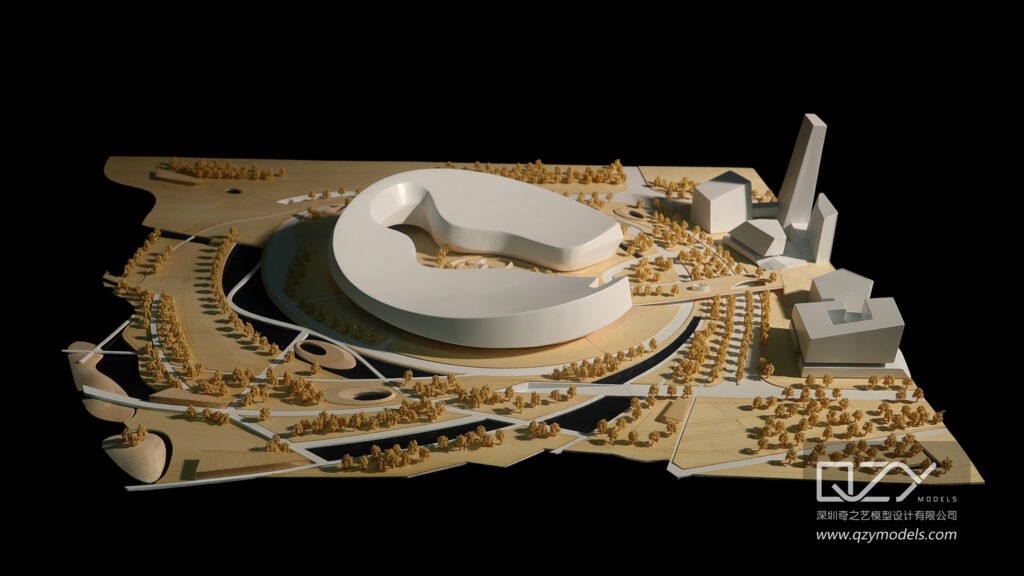
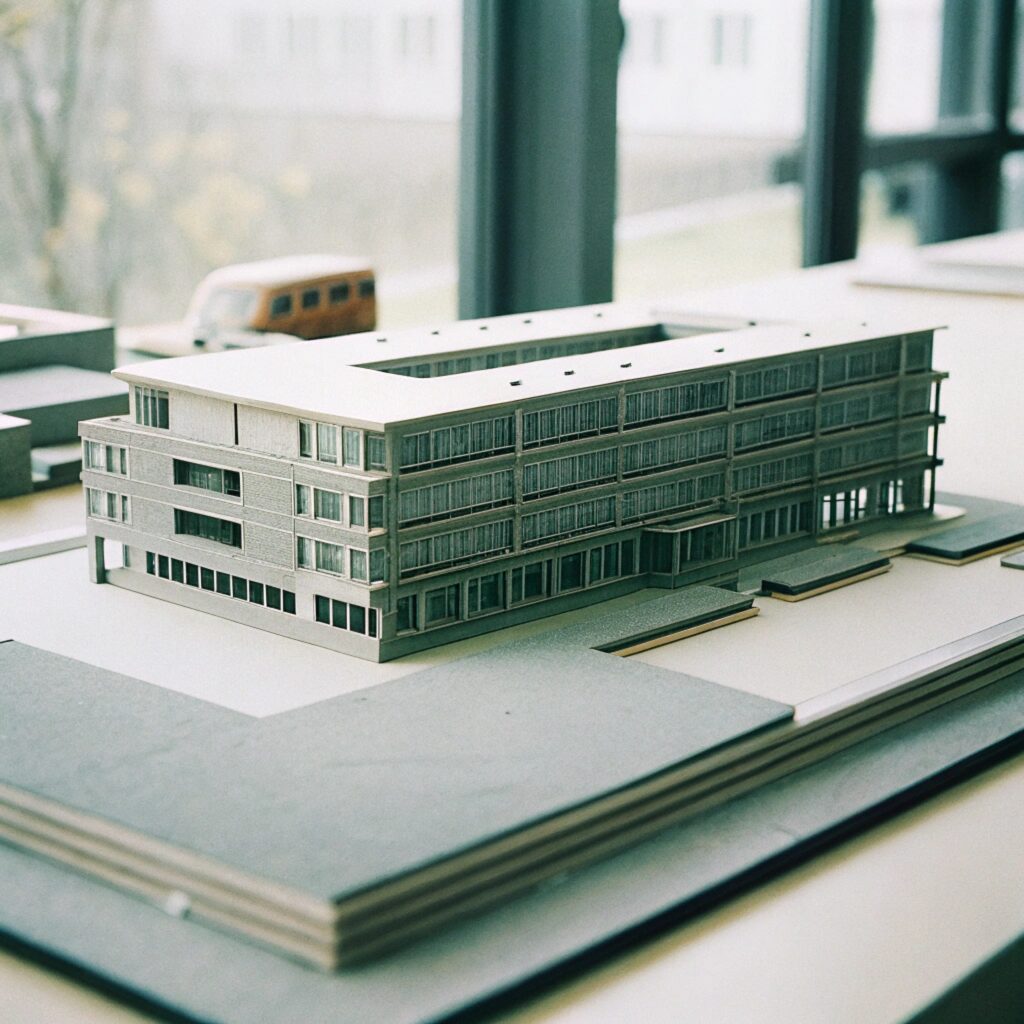
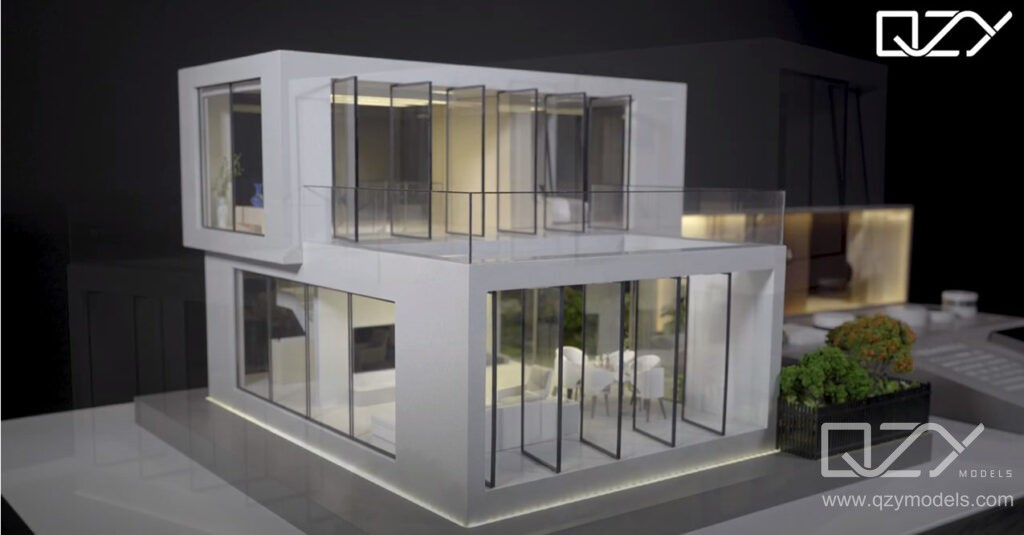
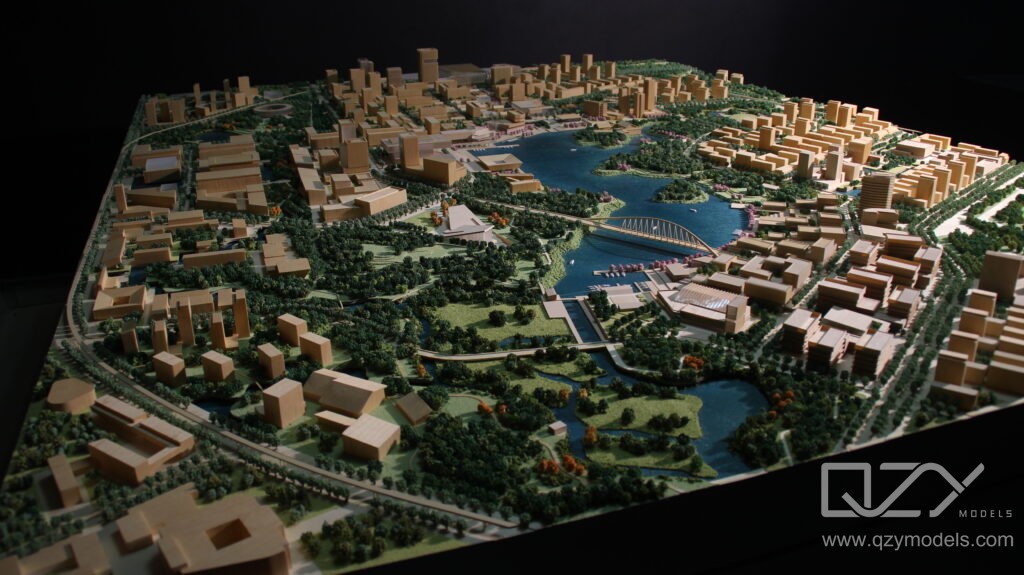
Private client architectural models are redefining how bespoke design takes shape in the modern world. As high-net-worth individuals, private collectors, and design-savvy homeowners demand greater control over every aesthetic and functional detail, physical and digital model-making technologies have evolved to deliver precision, immersion, and emotional connection. From conceptual residential models to full-scale urban planning prototypes, these creations are driving the next era of personalized architectural experiences.
Market Trends and Data
Global spending on architectural design services has surged over the past five years, with Statista reporting consistent annual growth driven by private clients seeking exclusive, detail-rich projects. Rather than relying solely on digital renderings, private clients now prefer tangible physical architectural models that evoke spatial understanding and tactile engagement. The luxury home and bespoke villa development sector has become one of the largest adopters, integrating architectural scale models early in the design process to visualize spatial flow, texture, and environmental harmony.
High-fidelity residential architectural models have also gained value in real estate marketing, especially for luxury developments that rely on emotional storytelling. Developers in Europe, the Middle East, and Southeast Asia report higher buyer engagement when private client prototype models are displayed. These models serve as both art and communication tools, bridging the gap between architectural vision and lived reality.
Core Technology Analysis
The evolution of private client architectural models rests on advanced fabrication technologies. Precision laser cutting, 3D printing, CNC milling, and AR/VR hybrid visualization tools enable architects to translate digital blueprints into lifelike miniatures. Material realism has become a defining factor, with a growing shift toward sustainable composites, biodegradable plastics, and hand-finished textures that mimic stone, glass, and timber.
The synergy between parametric design software and machine-assisted fabrication allows designers to test massing, daylighting, and structural performance before construction. Interactive smart models now embed sensors that simulate energy flow, optimizing sustainability outcomes. Personalized model design workflows use AI-driven customization to match client preferences for color palettes, scale, and landscape configurations, ensuring every model becomes an extension of the owner’s lifestyle vision.
Competitor Comparison Matrix
| Company | Strengths | Technology Integration | Ideal Clients |
|---|---|---|---|
| Local Model Studios | Traditional craftsmanship | Manual fabrication | Small-scale developers |
| Digital Fabricators Inc. | Advanced 3D printing | Fully automated | Commercial projects |
| QZY Models | Global expertise, precision finishing | Hybrid physical-digital modeling | Private clients, architects, developers |
Within this landscape, QZY Models, founded in 2013 in Shenzhen, China, has become one of the most trusted names in architectural model production. Led by Richie Ren and backed by over 20 years of experience, QZY Models combines artisanal precision with technological innovation. Their physical models have been commissioned by world-renowned firms like Foster + Partners and Vanke, offering global clients across 20+ countries the perfect blend of reliability, customization, and artistry.
Real User Cases and Quantified ROI
Private client projects built around custom architectural models have demonstrated measurable results in design efficiency, emotional satisfaction, and market value. For example, a bespoke Mediterranean villa project in Dubai utilized scale models during early design review, reducing project revisions by 35%. Another luxury penthouse development in London leveraged model-based visual storytelling to accelerate investor sign-off by two months.
In addition to decision-making speed, physical models help clients personalize interiors and exteriors with greater clarity. By visualizing furniture configurations, material choices, and façade details, architects reported fewer miscommunications, leading to smoother construction phases and a reduction in change orders. This tangible engagement translates directly into higher ROI for both clients and developers.
Market Differentiation and Customization
Private client architectural models emphasize individuality. Modern buyers seek structures reflecting their philosophies—eco-conscious villas, minimalist penthouses, or heritage-inspired estates. Custom model-making incorporates natural landscaping, real lighting systems, and even removable roof sections to simulate interior immersion. This attention to detail drives emotional resonance, setting high-end architectural services apart from mass-market production models.
Luxury interior design firms now collaborate directly with model manufacturers to synchronize architectural and decorative narratives. Structural engineers use these models to refine energy efficiency, ventilation, and light performance, ensuring aesthetic ambitions align with technical feasibility. The result is architecture that feels not just designed but personally curated, merging art, science, and emotion in one seamless medium.
Future Trend Forecast
The next phase in private client architectural modeling will merge physical craftsmanship with digital intelligence. Augmented reality overlays will enhance traditional models, allowing clients to change finishes, move walls, or adjust landscaping in real time. AI visualization tools will predict how materials age, light shifts, or geometry responds to weather patterns. Sustainable design remains central, with the use of recycled resin, eco-foam, and low-energy production systems expanding across global studios.
As real estate becomes more experiential, these models will serve as immersive storytelling hubs—personalized environments that preview the life clients aspire to build. Future collaborations between architectural firms, tech developers, and model makers will deliver increasingly responsive, interactive, and sustainable outcomes.
Three-Level Conversion Funnel CTA
For architects and developers aiming to elevate their presentations, investing in private client architectural models can dramatically improve project clarity, emotional connection, and design precision. For private homeowners, these models turn abstract visions into tangible masterpieces. For global designers and innovators, partnering with expert model builders ensures craftsmanship meets cutting-edge technology to inspire trust, creativity, and success.
Private client architectural models are more than visual aids—they are instruments of imagination, combining technology, artistry, and personalization to transform how tomorrow’s bespoke architecture is conceived and experienced.