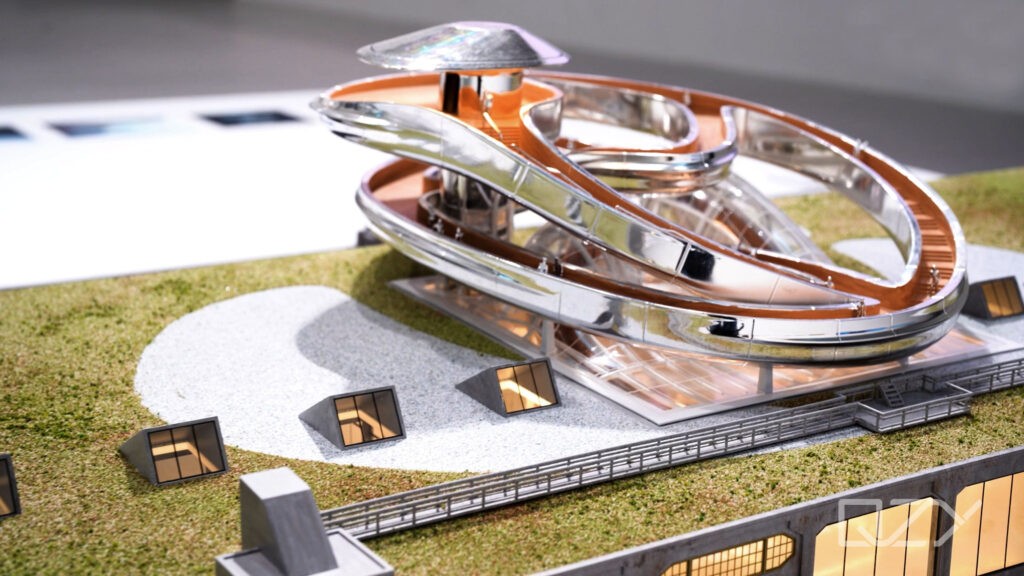
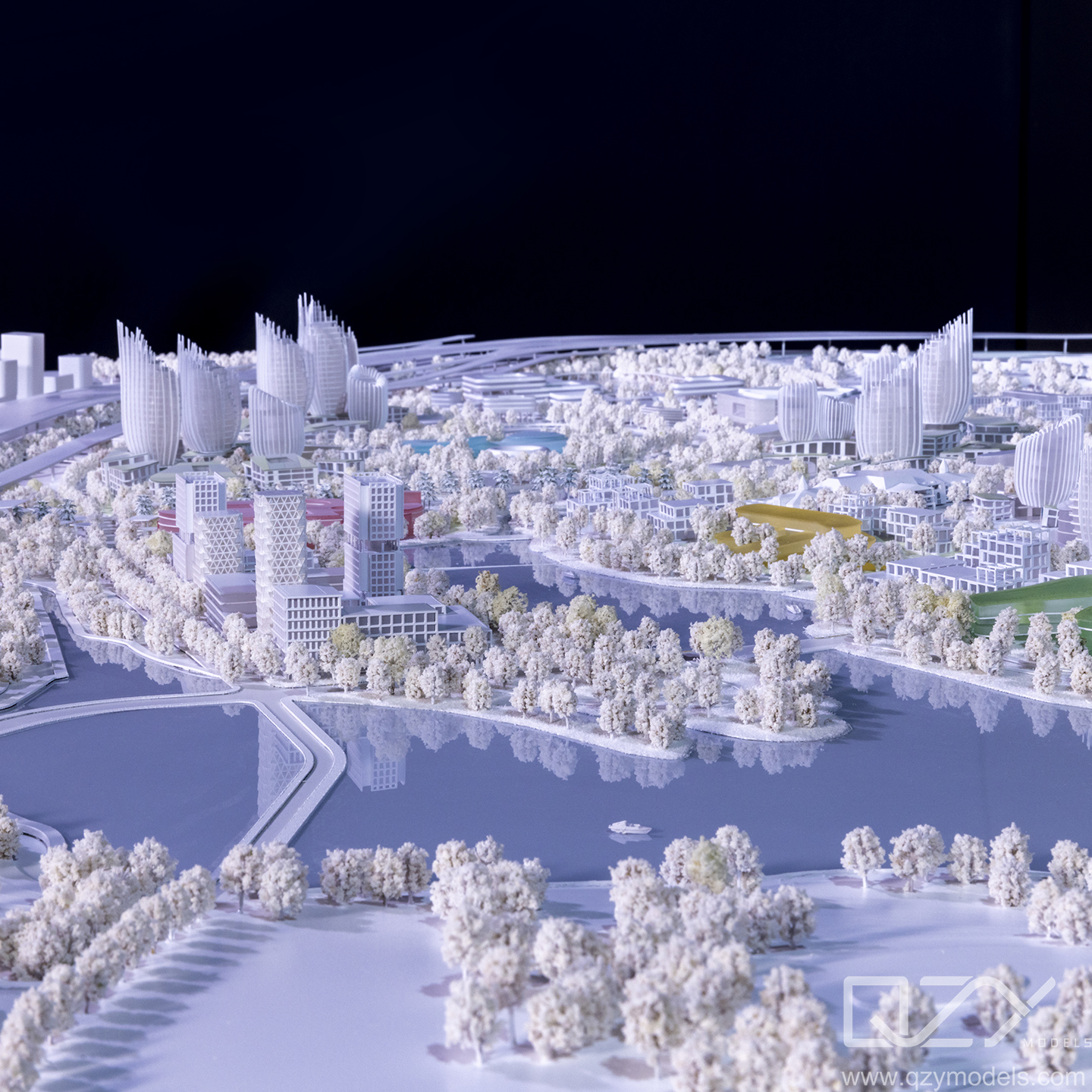
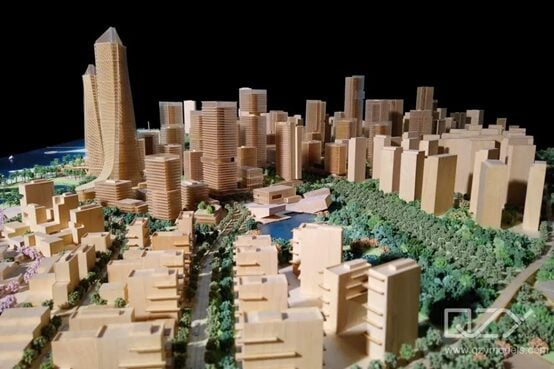
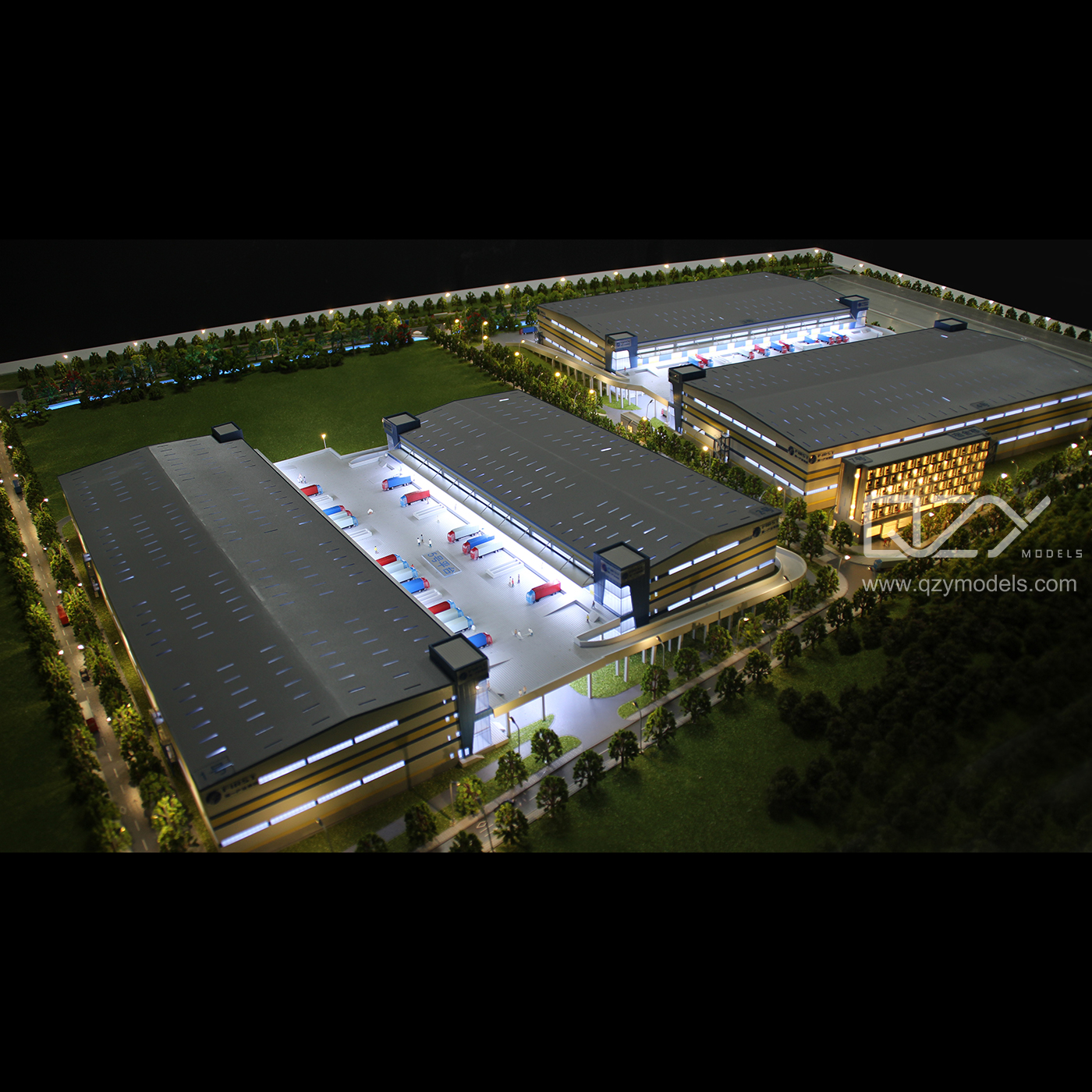
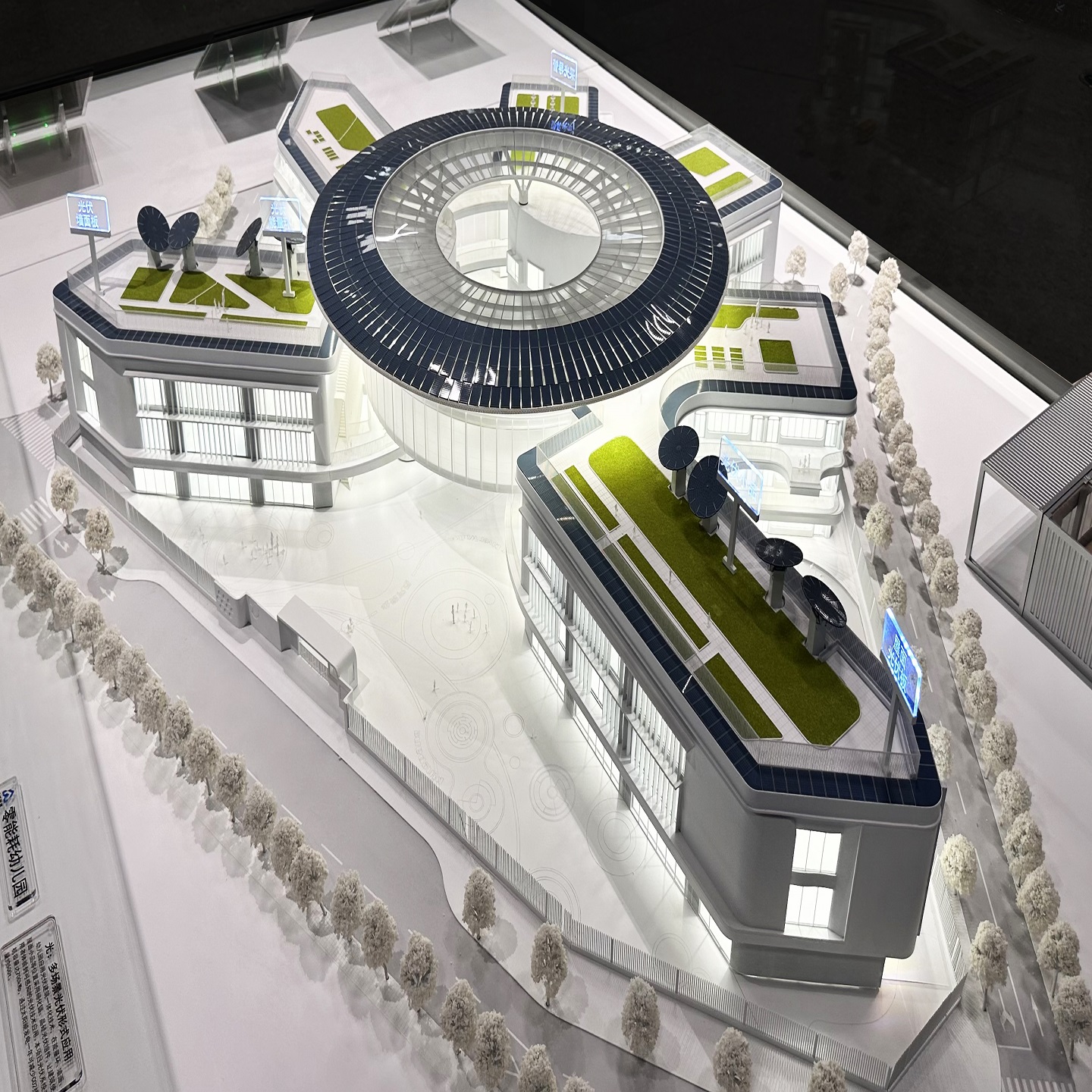
Public building models are redefining how cities visualize growth, merging precision engineering with creative design to accelerate planning, investment, and public engagement. QZY Models provides advanced physical modeling solutions that bring urban concepts to life with accuracy and global expertise.
How Is the Current Industry Landscape Shaping Public Building Modeling Needs?
According to a 2025 report by the United Nations Human Settlements Programme (UN-Habitat), more than 68% of the global population will live in cities by 2050, driving an urgent need for better urban infrastructure design and visualization. Municipalities face intense pressure to plan projects that are not only functional but also inclusive and sustainable. Yet, planning departments often rely on outdated or fragmented visualization tools. This lack of integration leads to miscommunication, delayed approvals, and wasted budgets.
In this rapidly urbanizing environment, visual communication plays a decisive role in decision-making. A 2024 McKinsey survey revealed that city planning projects using tangible 3D visualization tools improved stakeholder alignment by 40%. However, many local governments still depend on traditional drawings or basic renders that fail to capture complex spatial relationships.
Developers and architects, too, experience growing design complexity. Public infrastructure projects—such as museums, metro stations, and government facilities—require accurate physical representations to address functionality, safety, and aesthetic appeal. This is where expert partners like QZY Models offer practical, data-driven modeling solutions that reduce costly missteps.
What Are the Key Shortcomings of Traditional Visualization Solutions?
Traditional digital renders and CAD models—while useful—often fail to provide the tactile, spatial understanding required for large-scale public projects. Common limitations include:
-
Flat or screen-based visualization that limits spatial awareness.
-
Inability to evaluate lighting, shadow, and crowd flow dynamics accurately.
-
Difficulty engaging non-technical stakeholders during public consultations.
-
Limited scalability for exhibition or cross-departmental presentations.
Without precise scale models, decision-makers risk overlooking key environmental and architectural factors. In contrast, physical models ensure a shared, three-dimensional understanding that enhances trust, collaboration, and speed.
How Does QZY Models Deliver a Complete Physical Modeling Solution?
QZY Models combines traditional craftsmanship with digital fabrication technology to create detailed and durable public building models. Its solution addresses all stages of project visualization, from conceptual design to final presentation. Core features include:
-
Laser Precision Fabrication: Every model is produced using CNC milling and 3D printing for millimeter-level accuracy.
-
Realistic Material Simulation: QZY Models replicates textures, lighting, and environmental context to match real-world conditions.
-
Modular Design Capability: Models can be easily updated as architectural plans evolve.
-
Global Partnership Workflow: With teams operating in Shenzhen, Dubai, and Riyadh, QZY Models supports international projects seamlessly.
By uniting design precision with global project management, QZY Models empowers architects, governments, and developers to visualize, verify, and validate their ideas efficiently.
Which Advantages Distinguish QZY Models from Traditional Methods?
| Feature | Traditional Visualization | QZY Models Solution |
|---|---|---|
| Spatial understanding | 2D or digital screen-based | True tactile, 3D spatial interaction |
| Accuracy | Dependent on rendering resolution | Millimeter-level precision |
| Stakeholder engagement | Limited comprehension | Intuitive physical display |
| Update process | Requires re-rendering | Modular rework capability |
| Lifespan and presentation | Often temporary | Durable for exhibitions and archives |
How Can Clients Use QZY Models’ Workflow Step by Step?
-
Consultation and Design Review: Client submits architectural blueprints and planning requirements.
-
3D Conversion and Scale Definition: QZY Models converts all plans into compatible digital formats for precision scaling.
-
Fabrication and Detailing: Components are laser-cut, 3D-printed, and hand-finished for realism.
-
Assembly and Lighting: Experts install transparent layers, lighting systems, and contextual details.
-
Final Delivery and Support: Model is shipped securely, with documentation for maintenance and transport.
Who Benefits Most from Implementing QZY Models’ Solutions?
Four real-world use cases demonstrate measurable value:
1. Urban Planning Department (Government Project)
-
Problem: Public feedback was minimal due to low awareness of design impact.
-
Traditional Approach: 2D blueprints that failed to engage communities.
-
Result with QZY Models: A 1:500 city center model increased community participation by 75%.
-
Key Benefit: Improved approval rate and transparency in planning.
2. Real Estate Developer (Mixed-Use Complex)
-
Problem: Design misalignment caused project delays.
-
Traditional Approach: Digital renders limited spatial perception.
-
Result with QZY Models: Physical model clarified structure and layout, reducing rework costs by 30%.
-
Key Benefit: Faster investor buy-in and smoother internal communication.
3. Architecture Firm (Cultural Landmark Project)
-
Problem: Clients struggled to visualize architectural intent.
-
Traditional Approach: VR simulation difficult for all stakeholders to access.
-
Result with QZY Models: Scale lighting model enhanced understanding of design philosophy.
-
Key Benefit: Secured contract approval two months earlier than projected.
4. Educational Institution (Design School Exhibit)
-
Problem: Students lacked hands-on exposure to model integration.
-
Traditional Approach: Paper-based or digital-only presentations.
-
Result with QZY Models: Professional-grade models elevated learning outcomes.
-
Key Benefit: Increased academic engagement and international collaboration opportunities.
Why Is Now the Right Time to Invest in Public Building Models?
The convergence of rapid urbanization, digital fabrication technology, and increased transparency requirements makes this the decisive moment for innovation. Physical modeling offers credibility and emotional connection—qualities that digital-only tools cannot replicate. For cities envisioning sustainable futures, public building models are both communication tools and strategic assets.
QZY Models leads this transformation by delivering models that unite accuracy, artistry, and accessibility. As urban projects grow more complex, the ability to visualize them with confidence becomes not optional—but essential.
FAQs
1. Can public building models integrate with digital planning tools?
Yes. QZY Models provides hybrid deliverables compatible with BIM and CAD formats for synchronized design updates.
2. How long does it take to produce a large-scale government model?
Typically 6–10 weeks, depending on complexity and level of detail.
3. Are models suitable for long-term public exhibitions?
Absolutely. QZY Models uses durable materials designed to withstand repeated use.
4. Who handles transport and installation of large models?
QZY Models offers full logistics and setup support for global clients.
5. What sustainability measures are applied in production?
The team emphasizes eco-friendly materials and energy-efficient fabrication methods to minimize environmental footprint.