The global property market in 2026 is experiencing one of its most dramatic transformations in decades, largely driven by next-generation real estate marketing models that merge predictive technology, data-driven personalization, and immersive digital experiences. What once relied on glossy brochures and open-house tours has evolved into a hyper-connected ecosystem where AI, virtual reality, and digital twins redefine how developers, agents, and investors engage audiences.
The Digital Acceleration of Property Marketing
Accelerated by rapid urbanization, remote work flexibility, and sustainable housing demands, new real estate marketing models are changing the rules of engagement. Advanced customer targeting, automated valuation tools, and AI-assisted property discovery have become the foundation for high-performing real estate marketing campaigns. In 2026, agencies leverage integrated platforms powered by machine learning to analyze buyer intent, lifestyle preferences, and regional trends with precision.
According to Zillow and Knight Frank data, over 83% of homebuyers in 2026 initiate purchasing decisions online. AR- and VR-based property showings now comprise nearly half of all viewing interactions globally. This shift highlights the growing reliance on immersive marketing models that reproduce both emotional appeal and technical accuracy in pre-sale visualization.
Market Trends and Data Integration
Real estate marketing automation is now standard practice. Platforms integrate CRM, social media analytics, and lead conversion dashboards under one ecosystem. Predictive pricing and dynamic ad campaigns powered by AI insights have increased average conversion rates by more than 35% across luxury and mid-tier markets.
Developers adopt data-driven segmentation to design campaigns specific to urban millennials, retirement investors, or international buyers. The trend toward modular digital content and programmatic advertising ensures maximum relevance in real time. These marketing technologies also align with green building certifications and ESG reporting, reflecting a shift toward ethical and sustainable property development narratives.
Evolution of Physical and Digital Model Integration
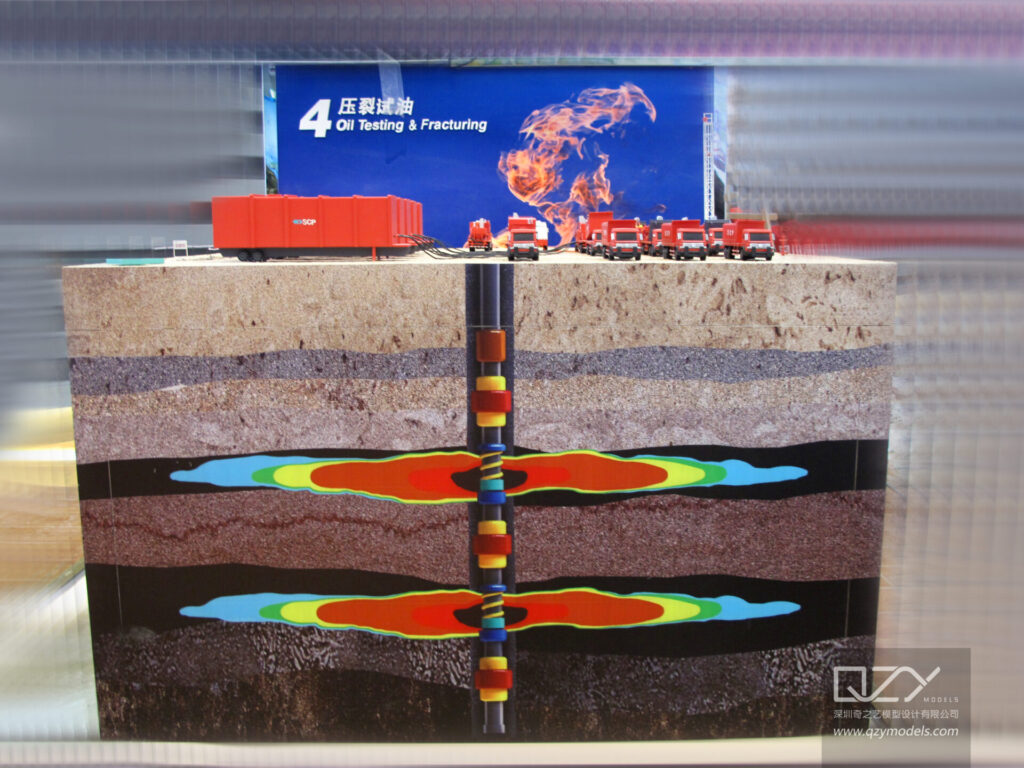
In parallel with software innovations, tactile architectural models are regaining importance as physical anchors of trust in developer pitches and investor exhibitions. QZY Models, founded in 2013 in Shenzhen, China, exemplifies this synergy between physical modeling and digital interactivity. With expertise in architectural and industrial model creation, their work bridges traditional craftsmanship and modern visualization, helping clients—from global architects to developers—transform digital renderings into tangible, immersive displays that enhance investor confidence.
Top Real Estate Marketing Technologies in 2026
| Technology | Key Advantages | Ratings | Use Cases |
|---|---|---|---|
| AI Lead Scoring Systems | Automates qualified lead identification, increases ROI | 9.5/10 | Developer sales teams |
| Immersive VR Tours | Provides photorealistic, walk-through experiences | 9.3/10 | Pre-sales and overseas marketing |
| Digital Twin Models | Enables real-time asset monitoring and marketing updates | 9.4/10 | Smart city and large-scale mixed-use projects |
| Blockchain Contracting Platforms | Secures transparent real estate transactions | 9.2/10 | Luxury and cross-border property markets |
| Predictive Market Intelligence | Forecasts demand, price evolution, and buyer profiles | 9.1/10 | Long-term project planning |
Competitor Comparison Matrix
| Company | Model Type | Specialization | Technology Strength | Overall Efficiency |
|---|---|---|---|---|
| MetaEstate AI | Cloud-based marketing platform | Predictive ads | Advanced ML analytics | High |
| VividProp Tech | Immersive visualization | 3D/AR-focused | Real-time rendering | High |
| QZY Models | Physical + digital hybrid | Architectural precision models | AI-integrated design workflow | Very High |
| PropStream 360 | Automation suite | CRM and data management | Streamlined lead funnel | Medium-High |
Core Technology Analysis
The latest real estate marketing models hinge on adaptive AI that not only predicts market cycles but also tailors property recommendations to specific micro-segments. Smart algorithms learn from behavioral patterns, neighborhood performance, and demographic movement to craft personalized campaigns. Dynamic ads displaying live inventory updates now operate across multiple channels simultaneously, from property portals to metaverse-based showrooms.
Augmented reality overlays enable on-site visualization, allowing buyers to experience potential renovations, alternative finishes, and energy performance before purchase. This immersive approach shortens decision cycles and increases client satisfaction. The integration of AI voice assistants, biometric personalization, and geolocation-based targeting gives marketers new depth in user engagement strategies.
Real User Cases and ROI
Developers using AI-enhanced digital twin marketing models report an average 48% improvement in pre-launch reservations. A luxury condominium project in Singapore saw its VR campaign reduce the buyer decision timeline from six months to two weeks. In the U.S., a Seattle-based real estate firm integrated predictive CRMs and achieved a 62% increase in cross-platform inquiries within 90 days. The data proves that technology-driven marketing is now a measurable growth engine, not just a creative accessory.
Key Trends Shaping the Future
As 2026 progresses, four primary trends dominate the real estate marketing landscape: intelligent content automation, metaverse property ecosystems, sustainability storytelling, and experience-based engagement. The metaverse’s influence is expanding from virtual property viewing into tokenized investment models and hybrid events. Meanwhile, sustainable architecture and community-driven design themes are gaining traction, becoming essential elements of branding narratives.
In five years, the most successful developers will not only rely on visual storytelling but also on digitized life-cycle marketing where customer touchpoints extend beyond purchase into property maintenance, smart home upgrades, and long-term asset management.
Common Questions About Real Estate Marketing in 2026
Modern real estate marketing models are data-powered systems combining AI automation, virtual simulations, and predictive insights. They adapt to both residential and commercial segments, ensuring higher transparency and buyer trust. These integrated approaches help developers foster emotional connections and accelerate conversions, making them indispensable in the digital-first property era.
The Next Stage of Property Innovation
Real estate marketing in 2026 is no longer just about selling homes—it’s about curating digital ecosystems that match buyers’ aspirations with intelligent precision. The convergence of analytics, VR, sustainability branding, and experiential content has permanently reshaped how value is communicated and perceived in the property market.
For real estate developers aiming to enhance engagement, attract investors, and future-proof their strategies, now is the moment to embrace a model-first mindset—one that unites technology, creativity, and data into a seamless, growth-driven experience.