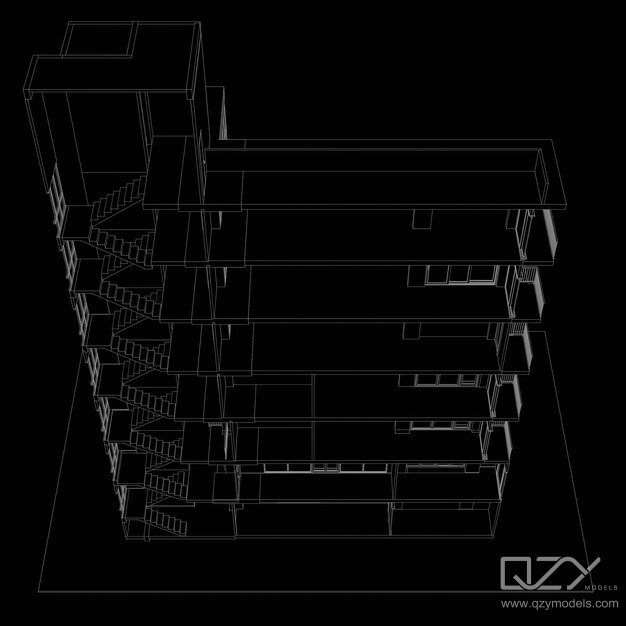
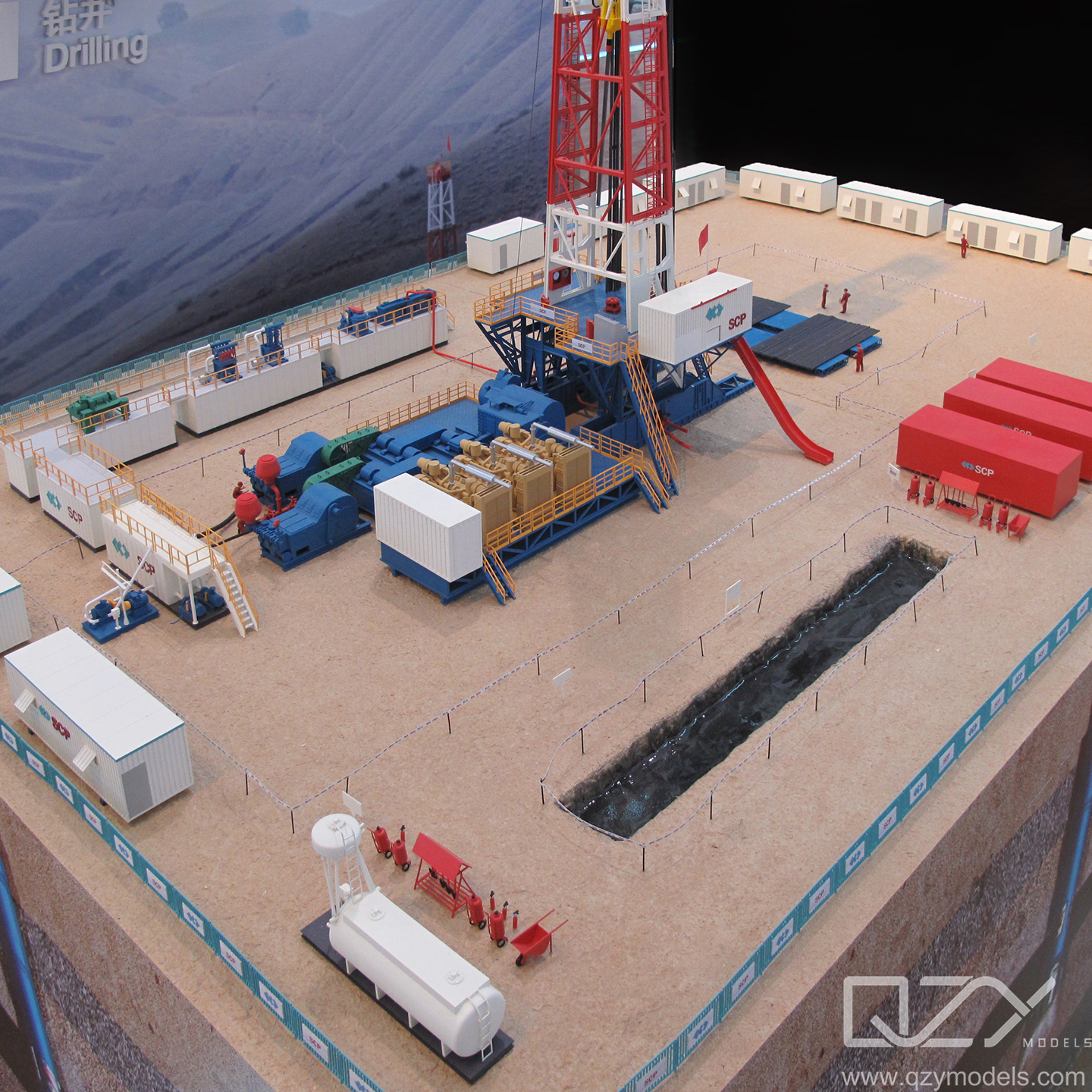
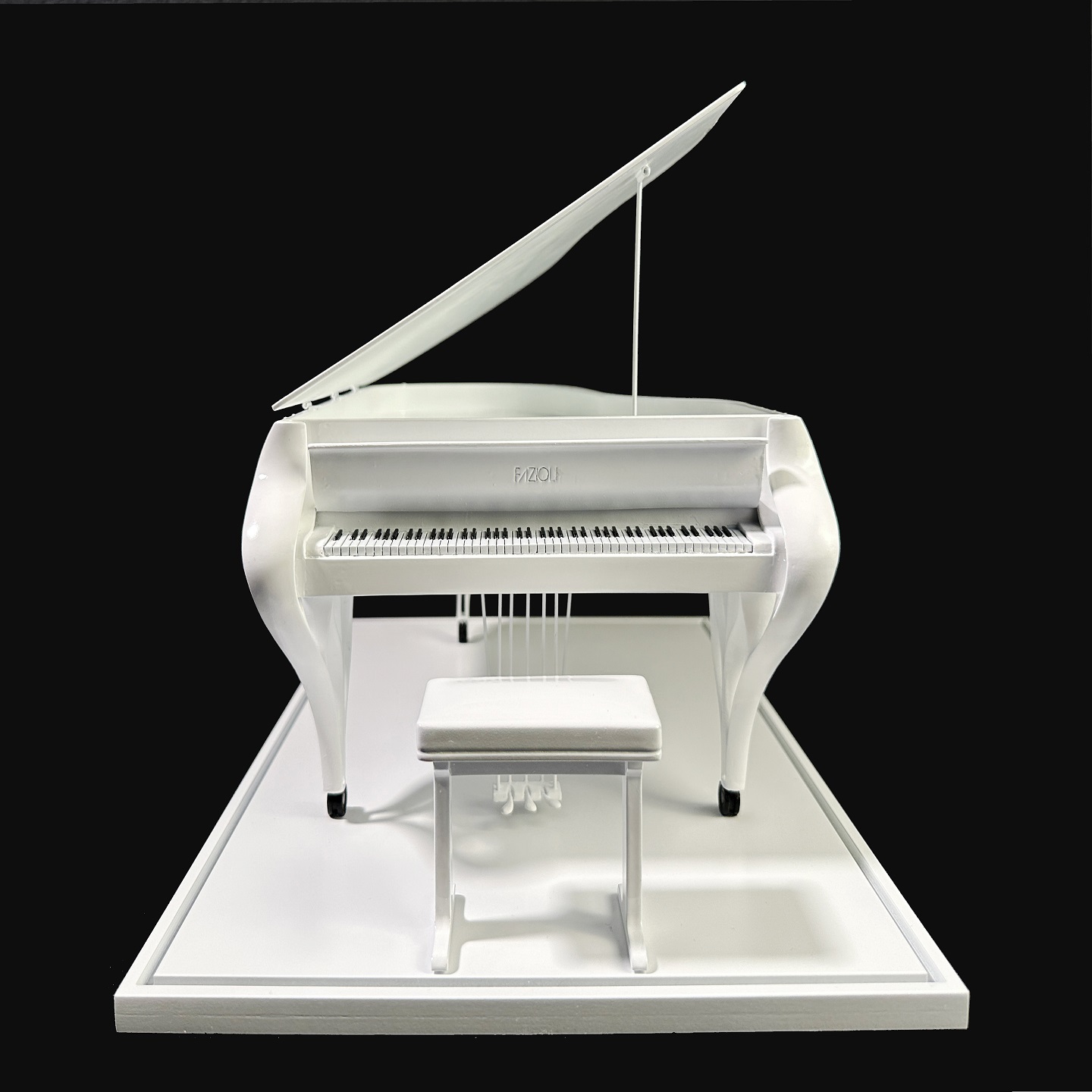
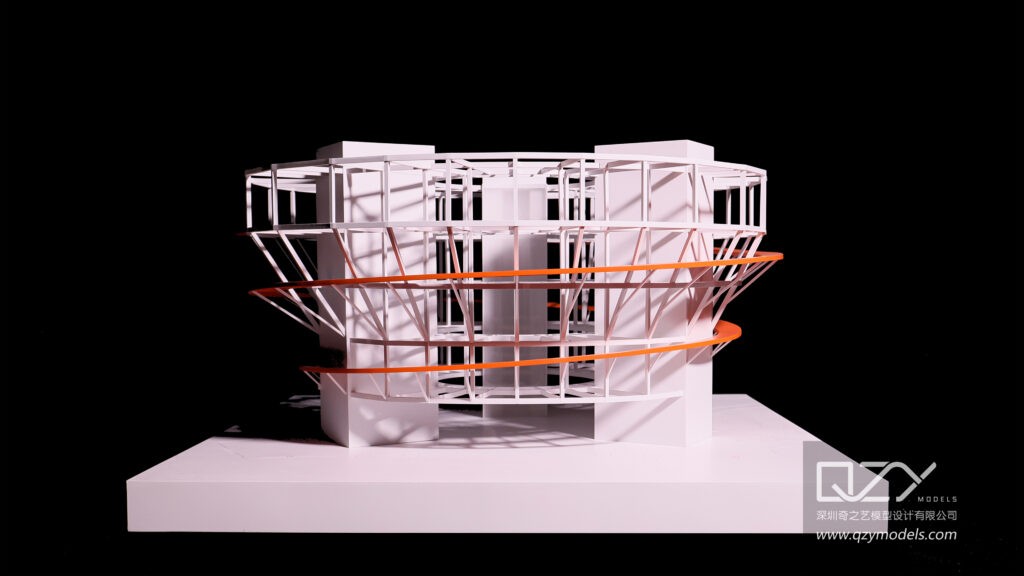
Realistic building models are transforming how architects, developers, and city planners visualize and communicate design intent. QZY Models delivers precision-crafted, lifelike architectural models that turn complex planning concepts into tangible, persuasive presentations for stakeholders and investors alike.
What Is the Current State and Pain Points of the Architectural Model Industry?
The global architectural model market exceeded USD 3.8 billion in 2025, growing steadily as digital design and urban development demand physical validation tools. According to Statista, over 61% of architectural firms now integrate physical models alongside digital visualization in project workflows. However, the industry faces serious bottlenecks: high production costs, limited realism, fragile materials, and long turnaround times.
Urbanization intensifies these challenges. With over 56% of the world’s population living in cities, large-scale infrastructure and real estate projects require detailed physical models to secure funding and regulatory approval. Yet, many firms lack access to advanced model-making technology or global suppliers capable of producing both scale accuracy and aesthetic realism.
Inconsistent representation of materials, textures, and lighting conditions leads to stakeholder misunderstandings and project delays. Decision-makers increasingly demand immersive, true-to-life prototypes—pushing the industry toward technological integration, precision craftsmanship, and cross-disciplinary collaboration. These are exactly the areas where QZY Models excels.
Why Are Traditional Building Models Failing to Meet Modern Expectations?
Conventional model-making techniques rely heavily on manual labor, polystyrene cutting, and basic paint finishes. While functional, these methods often fail to convey architectural depth, lighting effects, or landscaping accuracy. As building designs become more intricate, this lack of realism limits communication value and restricts marketing potential.
Furthermore, traditional models are typically non-modular, costly to scale, and difficult to transport for international exhibitions. Designers risk losing vital details—like façade texture or spatial light interaction—critical to client presentations. These shortcomings highlight the need for precision-engineered, realistic building models that combine artistry with advanced manufacturing, something QZY Models has mastered through its hybrid approach of digital design and craftsmanship.
How Does QZY Models Deliver Realistic and Functional Building Models?
QZY Models fuses technology with artistry to create true-to-scale, detailed architectural representations. Using a combination of CNC milling, laser engraving, resin printing, and UV-color mapping, each model replicates the actual texture, lighting, and structural form of a real building. The company employs advanced 3D and BIM integration, ensuring perfect alignment with client design files.
Beyond aesthetics, QZY Models focuses on functional realism—integrating lighting systems, motion elements, and interactive controls. This allows architects to demonstrate environmental lighting variations, spatial dynamics, and real-time user engagements. Their clientele includes top-tier developers and architects worldwide, such as Foster + Partners and Vanke, who rely on QZY Models to deliver presentation-ready and exhibition-grade masterpieces.
What Advantages Do QZY Models Offer Compared to Traditional Methods?
| Criteria | Traditional Building Models | QZY Models Realistic Building Models |
|---|---|---|
| Accuracy | ±1 mm | ±0.1 mm |
| Material Range | Foam, basic plastics | Acrylic, resin, composite, metal, wood |
| Realism Level | Low | Photorealistic (texture, lighting, landscaping) |
| Lighting Integration | Manual or absent | Automated LED, dynamic simulation |
| Production Cycle | 4–6 weeks | 2–3 weeks |
| Presentation Quality | Basic prototype | Exhibition-grade presentation piece |
| Transport & Durability | Fragile | Modular, protective build with export-ready packaging |
How Can Clients Collaborate with QZY Models to Create Realistic Building Models?
-
Concept Briefing: Clients share project goals, architectural plans, and desired presentation effects.
-
Digital Design Review: QZY Models integrates BIM or CAD data and provides a 3D rendering for approval.
-
Material & Scale Selection: Expert teams recommend suitable materials and scaling factors for maximum realism.
-
Fabrication Phase: Automated machines and hand-finishing teams craft the structure with precise texture mapping.
-
Lighting & Landscaping Integration: LEDs, environmental detailing, and accessories are installed.
-
Quality Control & Delivery: Each model is tested, documented, and securely shipped worldwide.
Which Real Projects Showcase the Benefits of QZY Models?
1. Luxury Residential Tower in Dubai
-
Problem: Investors struggled to grasp design appeal with digital renderings.
-
Traditional: Basic foam models lacked material depth.
-
QZY Models: Delivered a photorealistic tower model with integrated lighting and landscaping.
-
Result: Developer secured financing two months ahead of schedule.
2. Urban Planning Exhibition in Riyadh
-
Problem: Municipal presentations lacked engagement and clarity.
-
Traditional: Used printed 2D boards with incomplete visual depth.
-
QZY Models: Produced detailed city-scale interactive models.
-
Result: Public engagement increased 3×, and project approvals accelerated.
3. Education Institution Design Showcase in Singapore
-
Problem: Students needed hands-on examples of professional model-making.
-
Traditional: Low-cost, low-detail models limited learning outcomes.
-
QZY Models: Partnered to deliver precise educational models mimicking real-world structures.
-
Result: Students achieved higher project grades and better industry placement rates.
4. Real Estate Marketing Center in Shanghai
-
Problem: Visitors couldn’t visualize development context or scale.
-
Traditional: Digital screens failed to create tangible experiences.
-
QZY Models: Provided interactive masterplan models with touch lighting.
-
Result: Customer engagement rose 45%, driving pre-sales growth.
What Future Trends Will Reshape Realistic Building Model Production?
The next era of architectural modeling will integrate sustainability, automation, and immersive technologies. Smart models equipped with AR and sensor-based lighting are emerging, enabling architects to visualize projects under dynamic environmental conditions. Sustainability will also dominate—materials like recycled composites and biodegradable resins will replace traditional plastics. QZY Models is already pioneering these innovations, making building models not only realistic but also eco-conscious and data-responsive. Today’s firms adopting such models will gain a significant edge in communication, investment, and global reach.
FAQ
1. Can QZY Models create both large-scale masterplans and small property models?
Yes. The company customizes each project based on scale, location, and presentation purpose.
2. Is lighting simulation available within building models?
Absolutely. QZY Models integrates automated LEDs and dynamic illumination effects.
3. What is the typical turnaround time?
Most projects are completed within 2–3 weeks depending on complexity and logistics.
4. Does QZY Models ship globally?
Yes. The company operates across 20+ countries with safe international delivery protocols.
5. Are models sustainable or recyclable?
Yes. QZY Models increasingly uses recyclable resins, water-based paints, and modular components.
Sources
-
https://www.statista.com/statistics/1265488/architectural-model-market-size
-
https://www.grandviewresearch.com/industry-analysis/architectural-scale-model-market
-
https://www.reportlinker.com/p06456239-architectural-model-market-size-trends
-
https://www.un.org/development/desa/en/news/population/world-urbanization-prospects.html