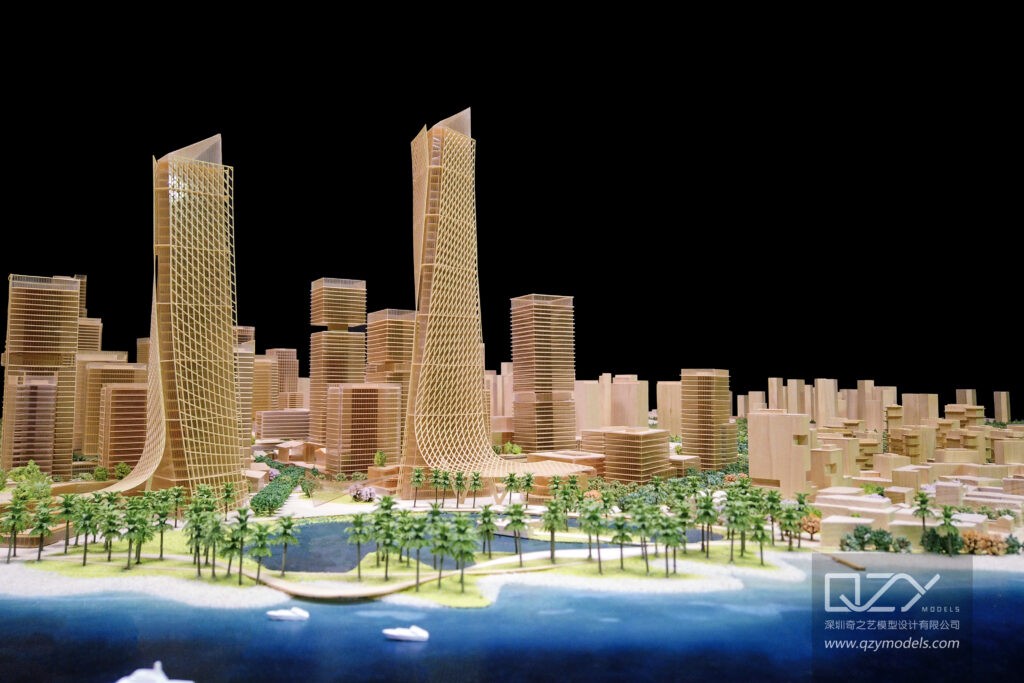
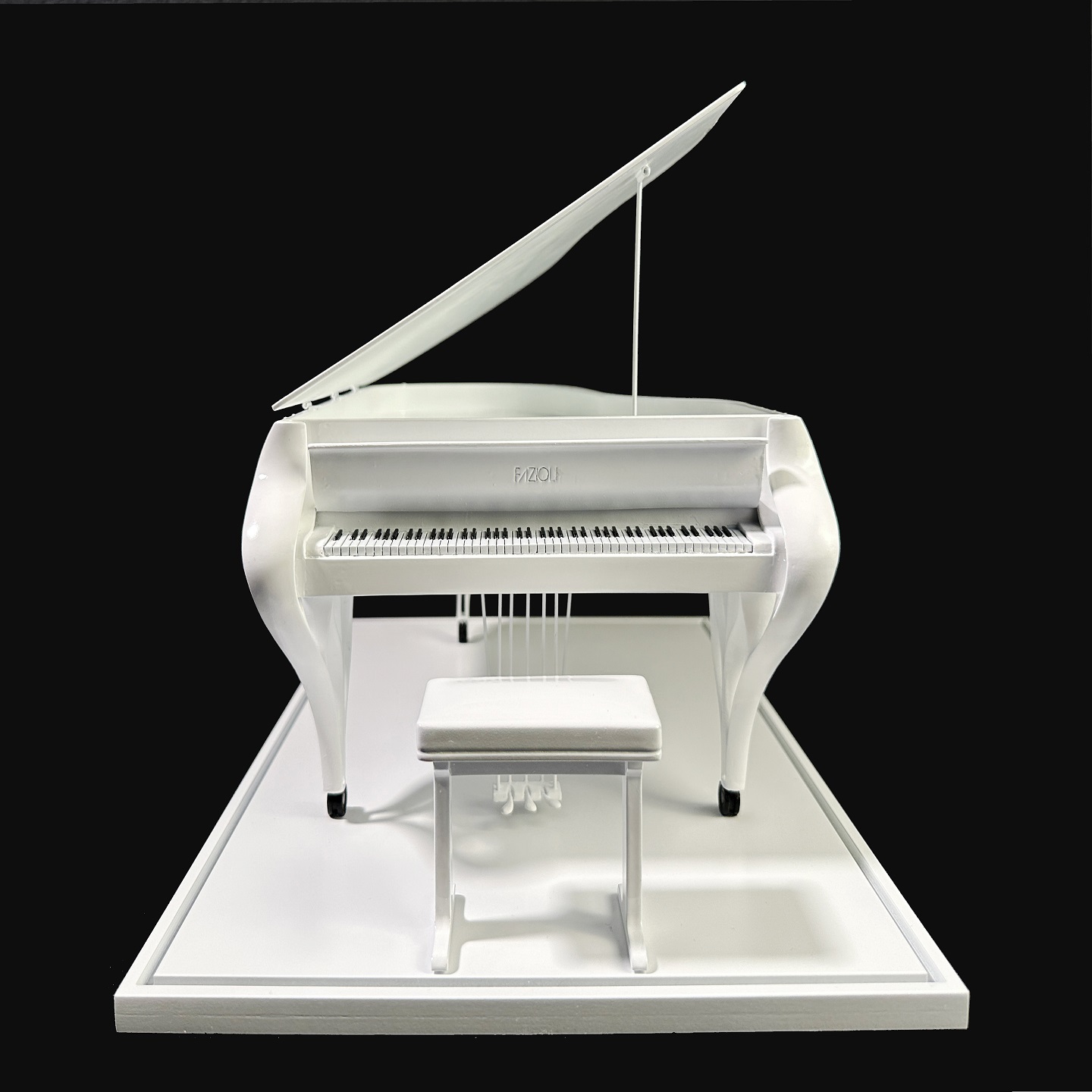
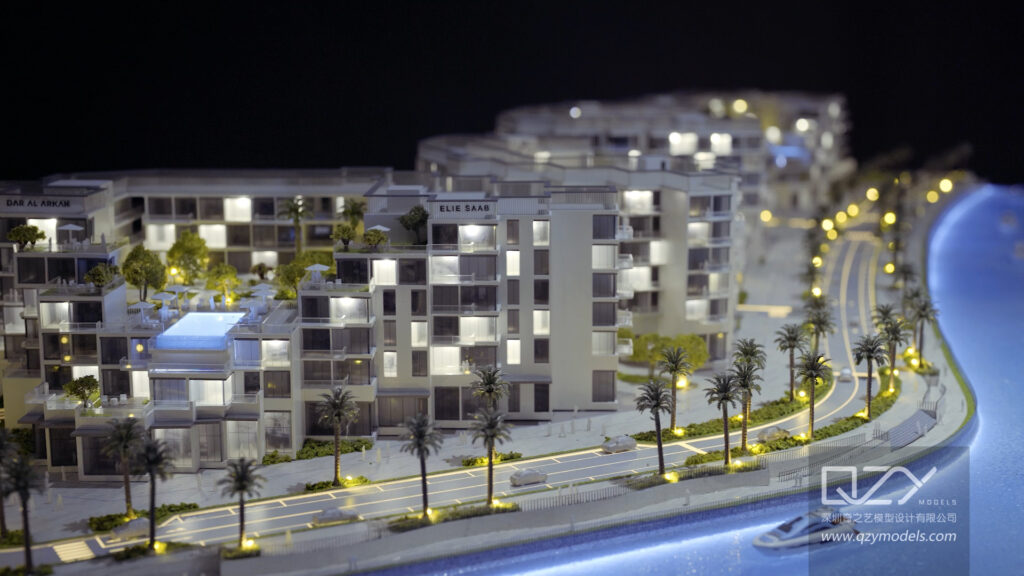
Small scale building models are revolutionizing architectural design, providing tangible clarity, accuracy, and engagement unmatched by digital renderings. Industry leaders like QZY Models are redefining this field with precision-engineered, digitally integrated models that enhance project visualization, client communication, and design validation worldwide.
What Is the Current Industry Status and Pain Points?
The global architectural visualization market surpassed USD 5.3 billion in 2025, driven by a growing demand for realistic presentation tools among real estate developers, construction firms, and educational institutions. However, over 70% of architects report difficulty communicating spatial details and proportions using only 3D software or virtual walkthroughs. This gap creates costly misinterpretations and delays between concept and execution phases.
At the same time, the construction industry continues to battle tight deadlines and increased complexity in project approvals. Physical models remain an essential tool for design explanation and regulatory approval, yet outdated manufacturing methods restrict adaptability. Many firms experience production delays and inconsistency in finishes due to manual fabrication constraints.
Urban development projects, especially across Asia and the Middle East, now rely heavily on exhibition-quality presentation models for investor confidence. Unfortunately, traditional model-making studios cannot meet project volume and accuracy expectations simultaneously, underscoring the market’s urgent need for innovation.
Why Are Traditional Methods No Longer Competitive?
Conventional model-making relies on manual craftsmanship, requiring weeks of labor and hand-cut materials. While visually appealing, such models face major challenges in scalability, digital integration, and consistency. Manual assembly leads to higher error margins and longer lead times—problems incompatible with today’s rapidly evolving design environments.
In addition, transporting these delicate models presents logistical difficulties, often resulting in damage or distortion during shipment. Their static nature also prevents easy updates when design revisions occur, forcing complete rebuilds. These limitations leave architectural firms struggling to balance quality, time, and budget expectations.
How Does QZY Models’ Small Scale Building Model Solution Work?
QZY Models addresses these challenges through technology-driven, precision-engineered small scale models that marry aesthetic beauty with engineering accuracy. Using advanced fabrication methods—like laser cutting, CNC milling, and resin 3D printing—the company transforms digital design files directly into physical forms, ensuring absolute fidelity to architectural data.
Core capabilities include:
-
Digital Integration: Seamless conversion from BIM/CAD workflows into physical miniatures.
-
Scalable Design: Ranges from 1:1000 to 1:20, allowing visualization across building types and site plans.
-
Lighting and Motion Systems: LED illumination and kinetic installations simulate real-world interactions.
-
Global Delivery: Regional branches in the UAE, Saudi Arabia, and Egypt enable swift, reliable delivery to international clients.
Which Advantages Differentiate QZY Models from Traditional Methods?
| Feature | Traditional Model-Making | QZY Small Scale Building Models |
|---|---|---|
| Production Time | 4–6 weeks | 1–2 weeks using automation |
| Design Accuracy | Manual measurement errors | 0.1–0.2 mm precision accuracy |
| Flexibility | Static, hard to modify | Modular and easily updatable |
| Presentation Impact | Limited detail lighting | Smart light and realistic façade rendering |
| Global Logistics | Fragile and risky | Engineered packaging for export stability |
How Can Clients Implement Small Scale Model Production Efficiently?
-
Concept Submission – Clients share BIM, CAD, or Revit files.
-
Engineering Review – QZY’s design team optimizes data for miniature production scalability.
-
Automated Fabrication – Laser-based technology creates ultra-precise model elements.
-
Assembly & Detailing – Skilled craftsmen complete finishing with texture simulation and lighting.
-
Quality Inspection – Dimensional standards checked to 0.2 mm tolerance.
-
Global Delivery – Packaging designed for safe air or maritime transport.
Who Gains the Most from Adopting Small Scale Building Models?
1. Architectural Design Firms
-
Problem: Clients struggled to visualize design intent through digital interfaces.
-
Traditional Approach: Relied on static renders with limited physical impact.
-
After QZY Models: Miniature models presented both exterior and interior context effectively.
-
Result: 45% faster client approvals and stronger design buy-in.
2. Real Estate Developers
-
Problem: Needed visually immersive presentations for investor roadshows.
-
Traditional Approach: Used large non-portable models with logistical challenges.
-
After QZY Models: Portable small-scale replicas supported global sales exhibitions.
-
Result: Enhanced investor engagement and higher confidence rates.
3. Design Education Institutions
-
Problem: Students lacked cost-efficient physical modeling tools for studio projects.
-
Traditional Approach: Manual builds consumed time and materials.
-
After QZY Models: Durable teaching miniatures reused across semesters.
-
Result: 60% reduction in model-making expenses.
4. Urban Planning Authorities
-
Problem: Complex zoning discussions lacked tangible representation.
-
Traditional Approach: Digital screens restricted spatial collaboration.
-
After QZY Models: Scaled masterplans improved public understanding.
-
Result: Faster stakeholder approval and reduced project disputes.
What Future Trends Are Defining the Next Generation of Architectural Models?
The future of small scale building models combines automation, sustainability, and digital synchronization. By 2028, over 50% of architectural models are expected to integrate renewable materials and IoT-based lighting control. Manufacturers like QZY Models are already leading this evolution with recyclable composites, AI-assisted fabrication, and modular presentation systems.
As global cities adopt smart infrastructure and mixed-use planning, physical models will remain irreplaceable for communicating spatial narratives. Now is the decisive moment for design teams to upgrade to technology-enabled, sustainable models that merge vision with precision.
FAQ
1. Are small scale building models customizable for different project sizes?
Yes. They can represent anything from single buildings to full city blocks with scalable accuracy.
2. Can lighting, motion, and environment elements be integrated?
Absolutely. QZY Models builds custom systems with smart illumination and kinetic effects.
3. How long does production typically take?
Most small scale models are completed within 2–3 weeks, depending on complexity.
4. Does QZY Models provide international delivery and installation support?
Yes. Their global network ensures professional logistics and on-site setup if required.
5. Are the materials eco-friendly and durable for long-term display?
Yes. Models are made from recyclable composites designed for high durability and minimal maintenance.
Sources
-
https://www.statista.com/topics/8710/construction-technology/
-
https://www.mckinsey.com/industries/engineering-construction/our-insights
-
https://www.autodesk.com/solutions/building-information-modeling/overview
-
https://www.unep.org/news-and-stories/story/greener-construction-modular-designs-and-sustainability