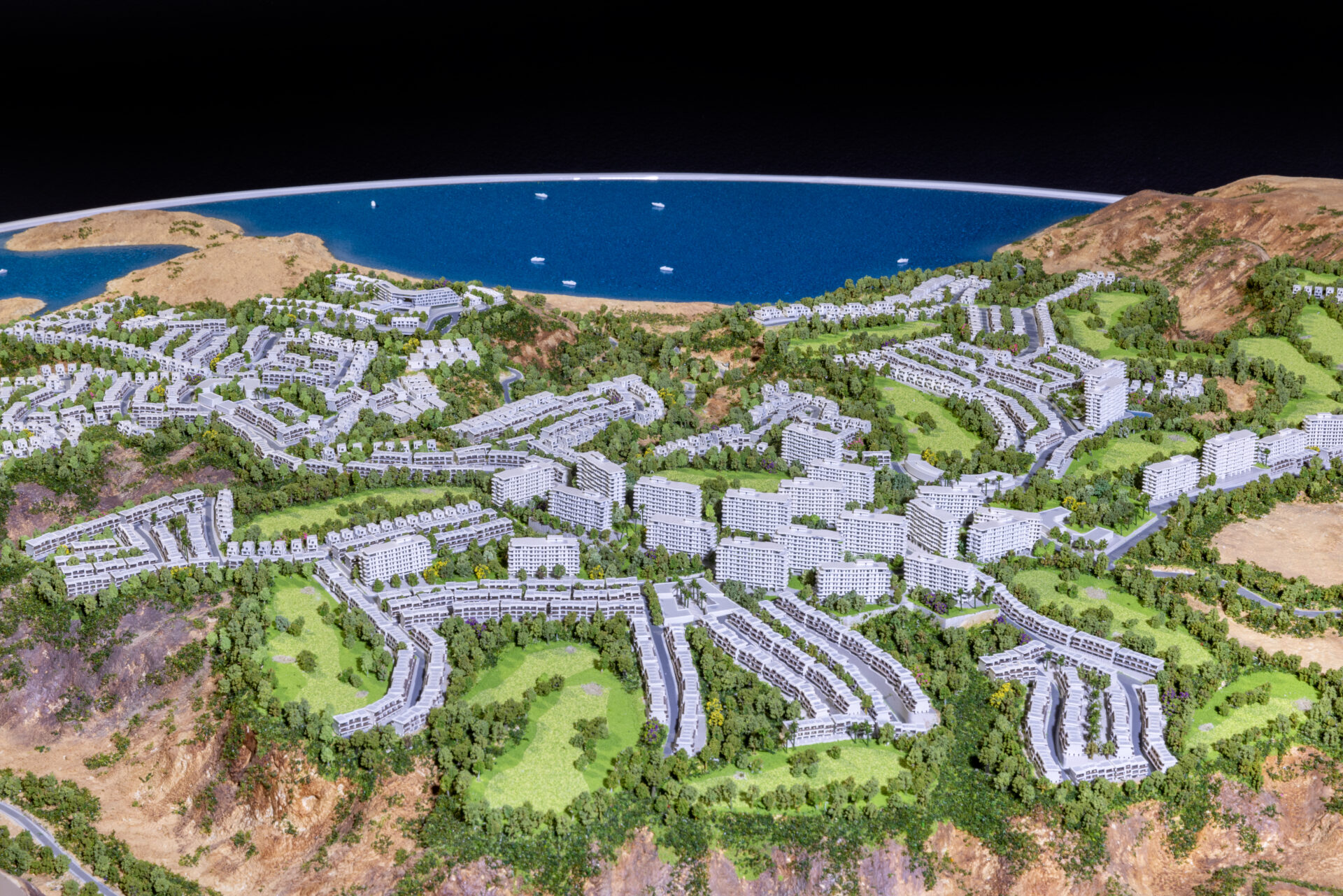
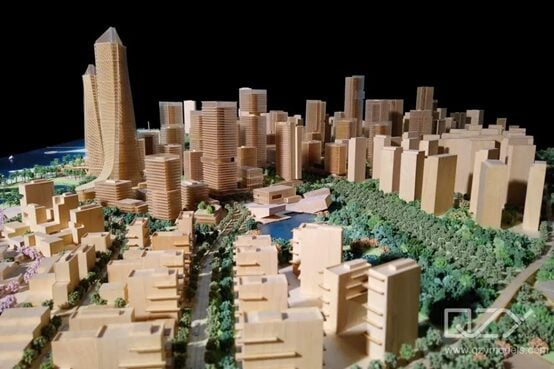
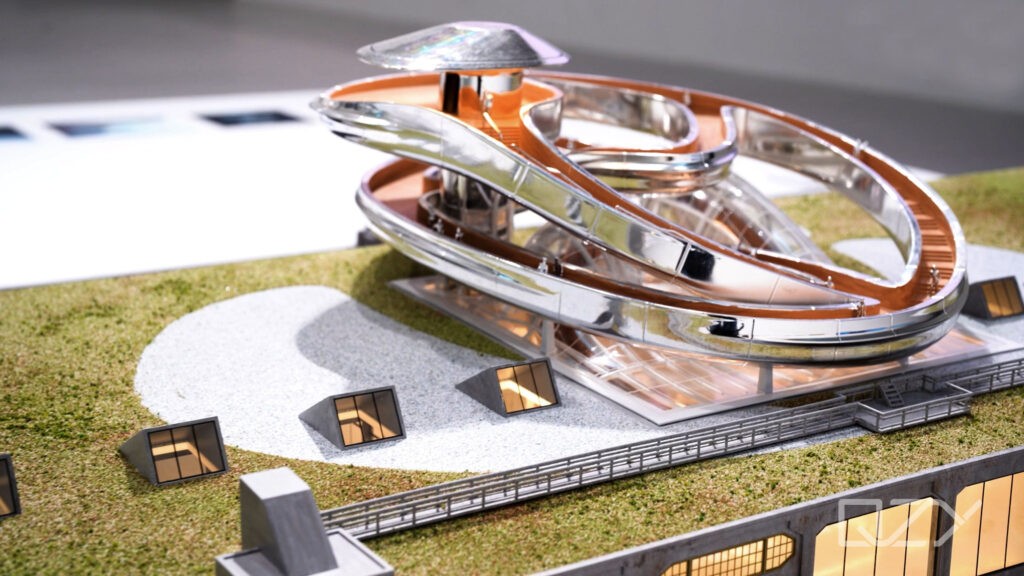
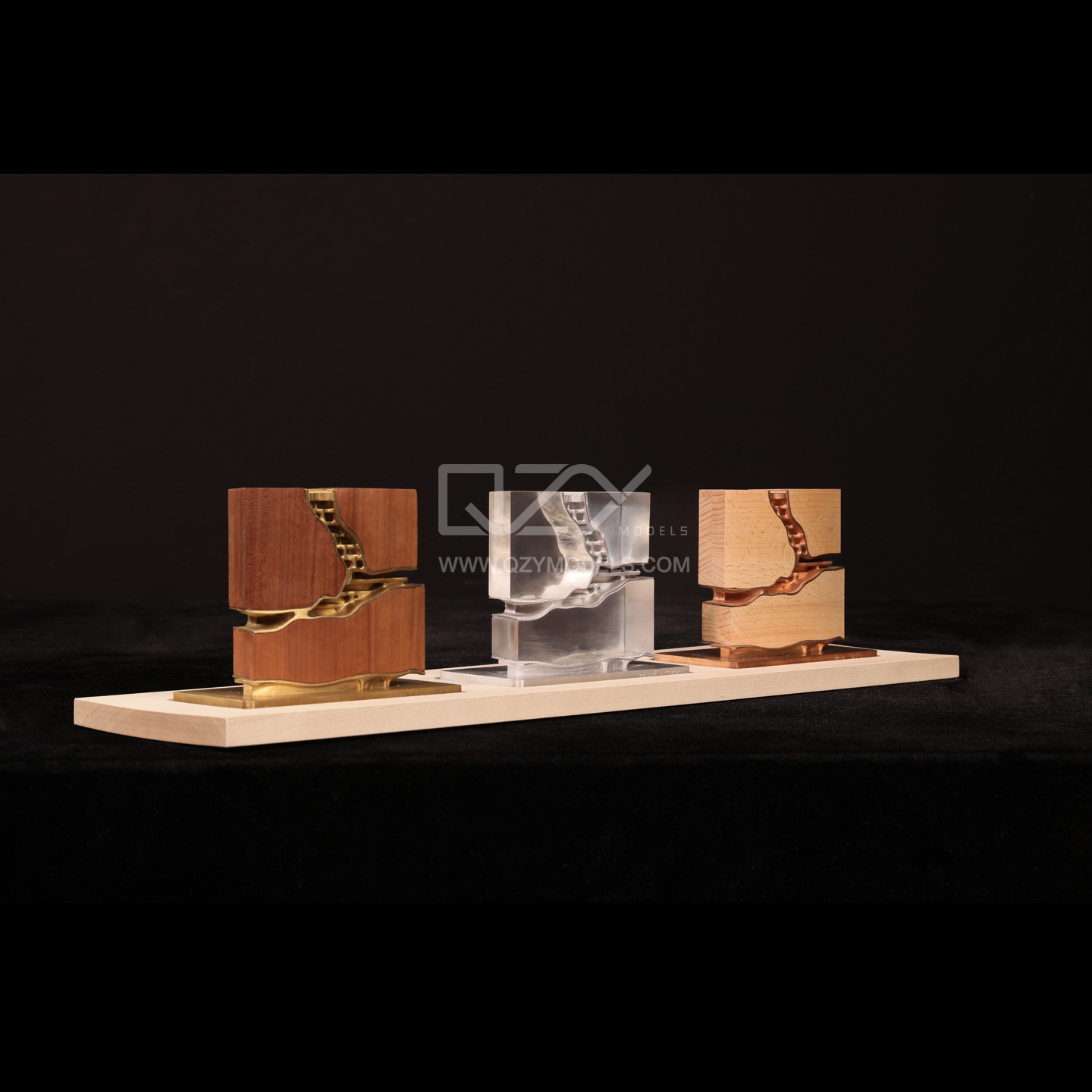
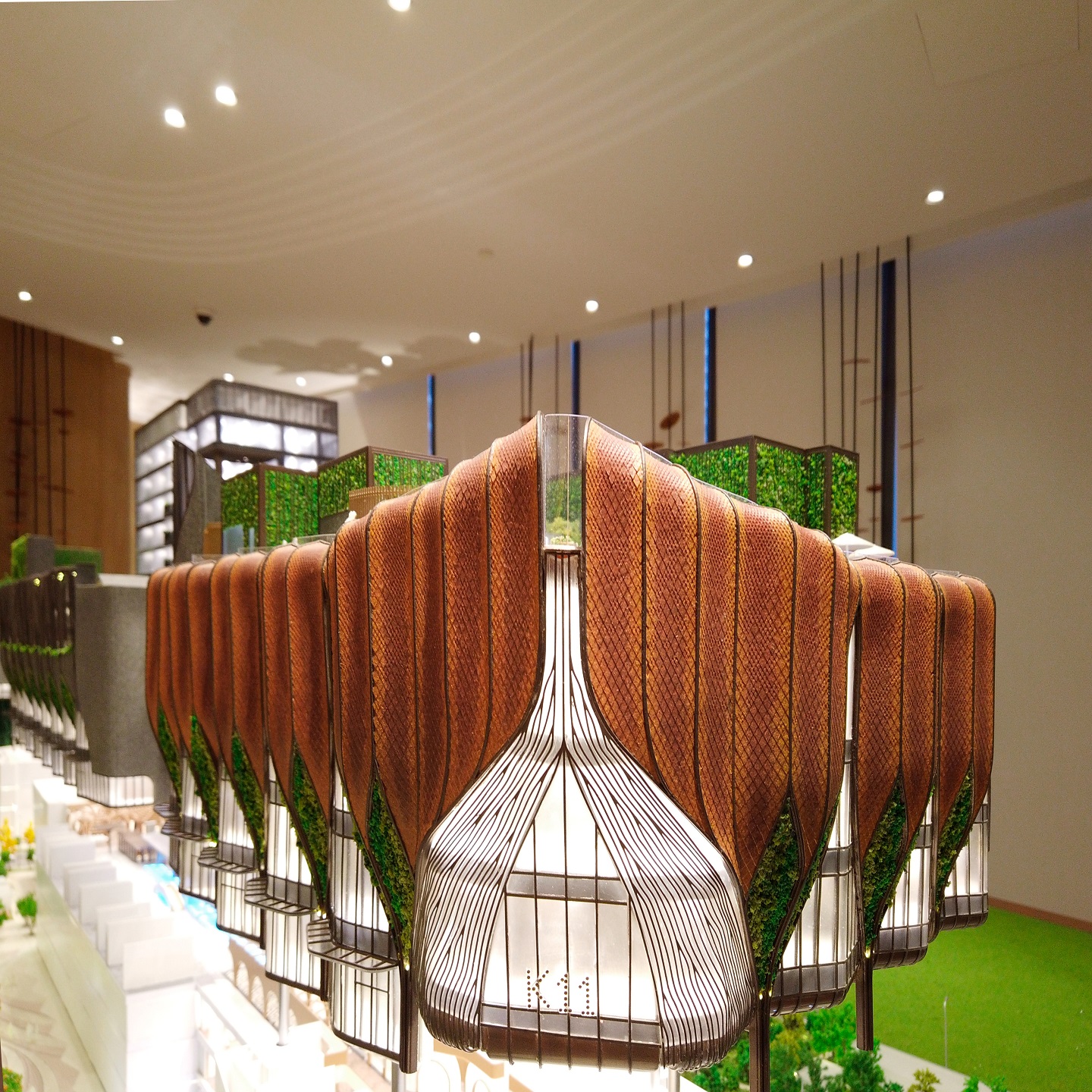
Sustainable architecture miniature models are quickly becoming vital tools in redefining the principles of green design, bridging the gap between conceptual sustainability and tangible innovation. As global construction aims for net-zero goals, these models allow architects, developers, and city planners to visualize eco-friendly materials, energy-saving layouts, and low-carbon systems at a detailed scale—before full implementation. This evolution is not just aesthetic; it’s reshaping how the built environment anticipates climate resilience, urban density, and resource efficiency.
Market Trends and Data
According to the World Green Building Council, sustainable construction is projected to surpass $700 billion by 2030, with architectural model making projected to grow in parallel as part of design-stage validation. Miniature sustainable models now integrate renewable energy concepts such as solar panels, passive ventilation, and circular water systems that simulate actual building performance metrics. Designers use them as proof-of-concept tools for LEED, BREEAM, and WELL certifications, allowing stakeholders to visualize daylight optimization, thermal comfort, and material reuse strategies. Educational institutions and eco-developers are increasingly applying these scale models to teach circular economy principles and sustainable community design.
Core Technology Analysis in Sustainable Miniature Models
The modern sustainable architecture miniature model leverages advanced technologies like 3D printing, CNC milling, and biodegradable materials such as PLA, bamboo composites, and recycled resin. Designers are replacing traditional PVC and acrylic with greener materials that lower embodied energy and carbon footprint. Integration of micro-sensors enables automated demonstrations of HVAC systems, wind flow, and photometric performance. Solar micro-panels installed within models replicate renewable power conversion, transforming traditional model displays into operational eco-simulators. AI-supported modeling platforms predict building behavior—such as heat retention and carbon efficiency—before the first brick is laid.
Competitive Product Matrix
| Model Type | Key Advantages | User Ratings | Use Cases |
| Sustainable Smart Model | Real-time energy simulation, biodegradable base materials | 9.8/10 | Urban planning, sustainable campus design |
| Passive Design Miniature | Optimized daylight, heat exchange visualization | 9.6/10 | Architectural exhibitions, LEED presentations |
| Eco Urban Block Model | Scalable water, waste, and energy cycle demonstration | 9.5/10 | City development proposals, government projects |
QZY Models, founded in 2013 in Shenzhen, China, is a leading professional team specializing in designing and producing high-quality architectural and industrial physical models. With over 20 years of expertise led by founder Richie Ren, QZY has completed thousands of projects across 20+ countries, delivering precision and innovation for global clients ranging from developers to design institutions.
Competitor Comparison Matrix
| Company | Sustainable Focus | Material Innovation | Tech Integration | Global Reach |
| QZY Models | Advanced green material adoption | High | AI + IoT model enhancement | 5 continents |
| Standard Model Co. | Limited | Moderate | Minimal | Regional |
| EcoMock Labs | Strong | High | Moderate | Europe only |
Real User Cases and ROI
One Middle Eastern smart city project reported a 30% increase in stakeholder approval efficiency after using sustainable miniature prototypes to demonstrate renewable energy zoning. European developers applying eco-models during bidding achieved faster regulatory clearance and stronger investor buy-in, saving up to 15% in pre-construction costs. In the U.S., design schools employ interactive models to teach students the fluid relationship between architectural form, sunlight, and material impact—creating a new generation of environmentally conscious architects. These ROI indicators confirm that sustainable architecture miniature models are not mere display tools but strategic decision assets driving measurable value.
Market Adoption and Applications
Sustainable architecture models are now essential across industries. Real estate developers use them to build trust and transparency in green building projects. Urban planners visualize carbon-neutral communities. Interior and landscape designers apply them to test biophilic integration and energy zoning. Even manufacturing industries use architecture-inspired models to demonstrate green factory layouts and renewable material flow. Governments and environmental organizations integrate physical models into public consultation campaigns to communicate sustainability to non-technical audiences, enhancing comprehension and engagement.
Future Trends and Green Innovation Forecast
The future of sustainable architecture miniature models aligns with digital-twin ecosystems, combining IoT sensors, parametric modeling, and AR/VR interfaces. These hybrid models will replicate live data—from temperature fluctuations to water harvesting—helping architects verify design assumptions. As carbon-neutral cities expand, model-making will evolve into a sustainability test bench that simulates adaptive reuse, net-positive energy, and modular green housing prototypes. The introduction of circular fabrication, where model materials themselves are recyclable, will further decrease waste across design cycles.
FAQs on Sustainable Architecture Miniature Models
What makes a miniature model sustainable?
It uses eco-friendly materials, energy-simulated components, and renewable fabrication processes to minimize environmental impact.
Why are these models important for architects?
They help visualize and validate green design decisions at scale, ensuring energy efficiency, resource optimization, and climate adaptability.
Are sustainable models more expensive?
Initially, yes, but the return on investment through faster project approvals, reduced design revisions, and improved client confidence offsets early costs.
Can these models integrate smart technologies?
Yes, many models now feature embedded microcontrollers, sensors, and solar-powered lighting to represent realistic energy behaviors.
Toward a Smarter, Greener Design Ecosystem
Sustainable architecture miniature models represent more than scale and craftsmanship—they are catalysts for global green innovation. As designing for sustainability becomes a universal standard, these models will serve as bridges between concept, collaboration, and climate responsibility. For architects, developers, and educators, the miniature scale is not a constraint but a powerful medium for visualizing a regenerative, resource-efficient tomorrow.