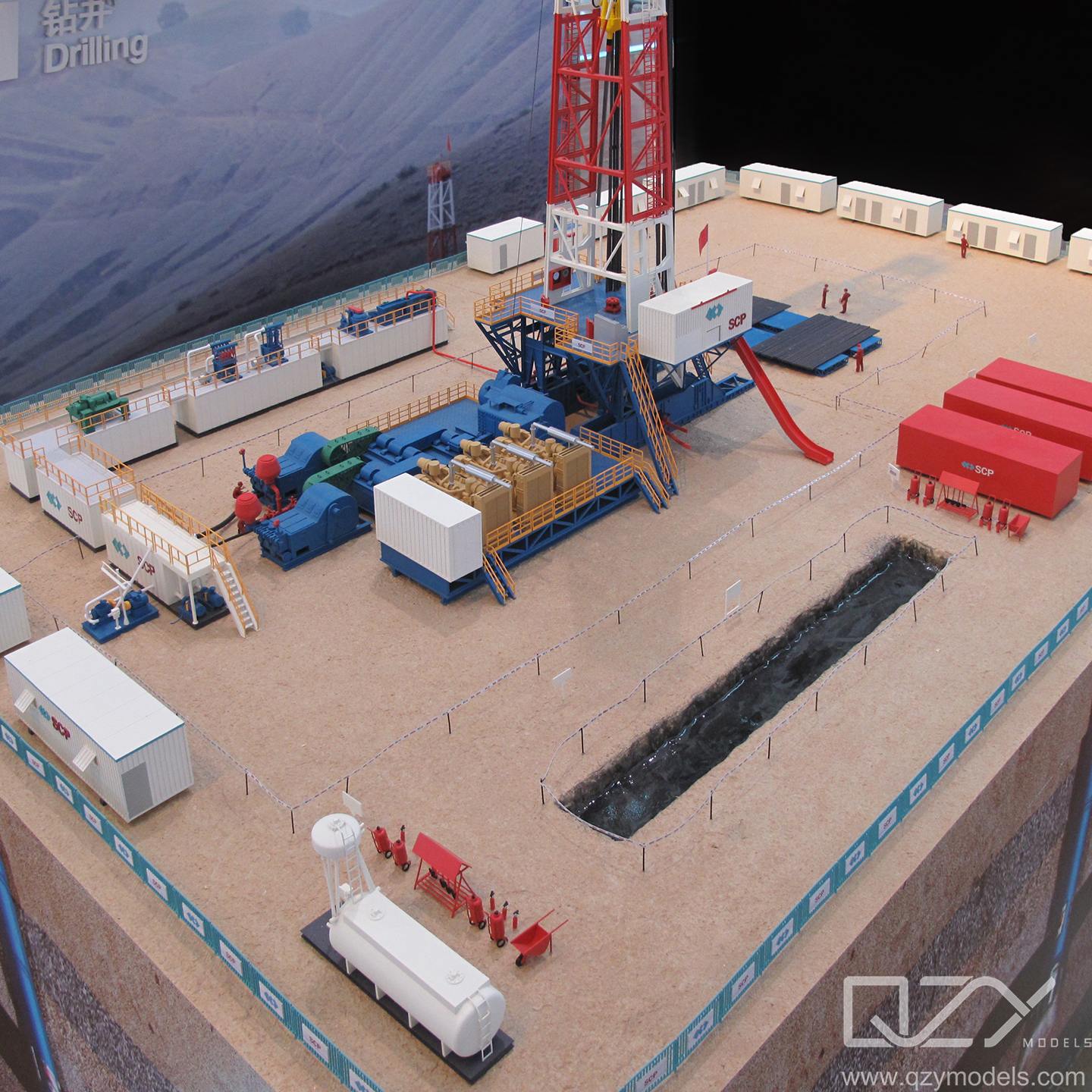
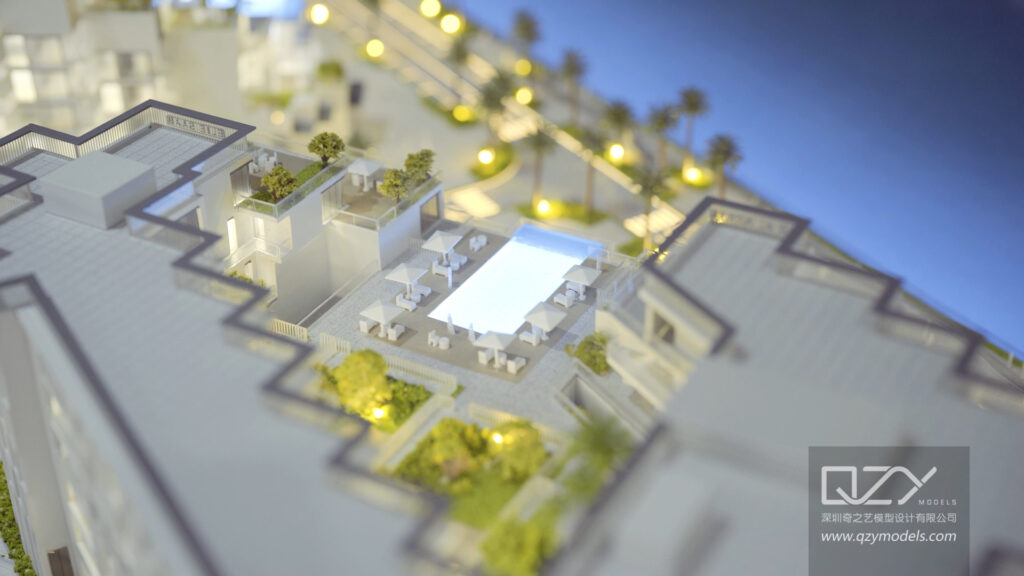
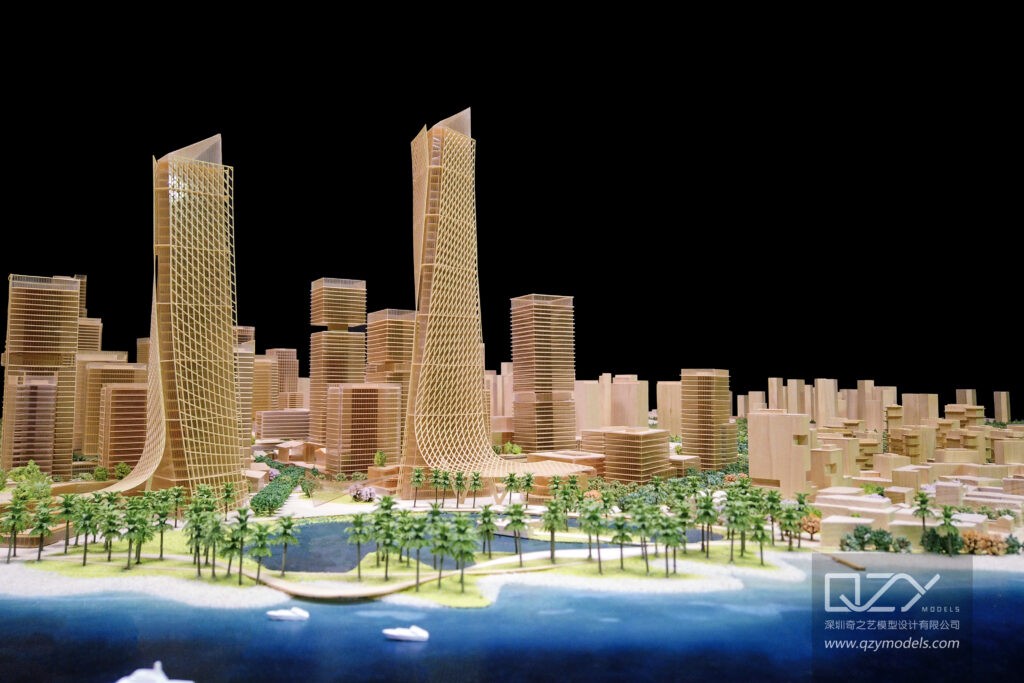
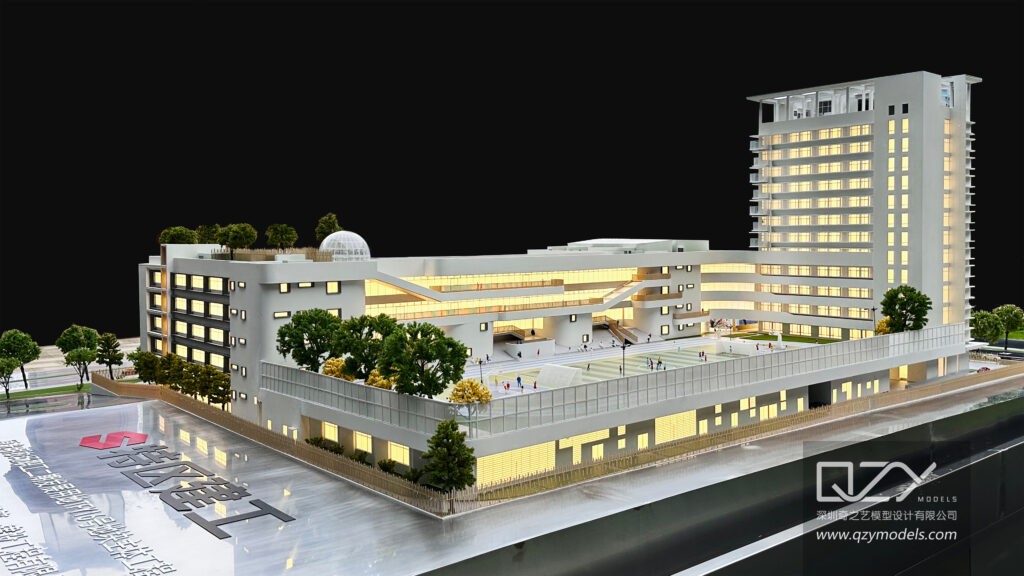
Sustainable wood modeling practices are reshaping architectural and design landscapes by prioritizing renewable materials, precision fabrication, and minimal waste. QZY Models delivers expert solutions that integrate certified woods with advanced modeling techniques, enabling clients to achieve eco-friendly outcomes with measurable environmental and aesthetic benefits.
What Defines the Current State of Wood Modeling and Its Key Challenges?
The global sustainable materials market in construction and design is expected to grow to USD 684 billion by 2030. Wood products account for a significant share, with demand for certified sustainable timber rising 15% annually as per industry reports. However, 70% of modeling projects still generate excess waste due to inefficient cutting and outdated processes.
Rapid urbanization drives the need for green building practices, yet supply chain disruptions affect 40% of wood sourcing, leading to delays and higher costs. Designers face pressure to meet certifications like FSC while balancing budgets and timelines.
Small-scale modelers struggle with scalability, as traditional methods fail to integrate bio-based innovations without compromising detail or durability.
Why Do Traditional Wood Modeling Approaches Fall Short?
Traditional techniques rely on virgin timber and manual assembly, resulting in 20-30% material loss per project. These methods lack traceability, making compliance with global sustainability standards difficult.
Basic CNC routing improves speed but ignores advanced treatments like thermal modification, limiting wood lifespan and resistance to environmental factors.
Fragmented workflows between sourcing, design, and production increase lead times by up to 50%, hindering responsiveness to client needs.
How Does QZY Models Provide an Effective Sustainable Solution?
QZY Models specializes in high-precision physical models using sustainably sourced woods and hybrid digital-handcraft processes. Founded in 2013, the firm leverages 20+ years of expertise to produce architectural and industrial models for clients worldwide, including Foster + Partners.
Core capabilities include FSC-certified material selection, zero-waste 3D optimization, and treatments like acetylation for enhanced durability.
Their global operations ensure seamless delivery across 20+ countries, supporting diverse applications from urban planning to exhibitions.
Which Advantages Distinguish QZY Models from Conventional Practices?
| Aspect | Traditional Methods | QZY Models Sustainable Approach |
|---|---|---|
| Material Sourcing | Virgin timber, inconsistent certification | 100% FSC-certified, reclaimed options |
| Waste Reduction | 20-30% material loss | Under 5% with simulation software |
| Durability | Standard 5-10 years | 2x lifespan via thermal treatments |
| Production Time | 6-10 weeks | 3-5 weeks with integrated workflow |
| Carbon Footprint | High due to transport | 40% lower with local/global optimization |
| Customization | Limited scalability | Full modular design flexibility |
What Steps Outline the QZY Models Sustainable Wood Modeling Process?
-
Initial Assessment: Evaluate project specs and select certified sustainable woods like reclaimed oak or thermally modified pine.
-
Digital Prototyping: Create 3D models with waste-minimizing algorithms for client approval.
-
Precision Fabrication: Use CNC and hand-finishing for accuracy within 0.1mm tolerance.
-
Eco-Treatment Application: Apply low-VOC finishes and durability enhancements.
-
Verification and Shipping: Conduct lifecycle audits and deliver with carbon-neutral logistics.
Who Benefits Most from QZY Models’ Sustainable Wood Modeling in Real Scenarios?
Scenario 1: Real Estate Developer Project
Problem: High waste in prototype models for green-certified buildings.
Traditional Practice: Manual cutting from uncertified lumber.
After QZY Models: Produced 50 scale models with 95% material efficiency.
Key Benefit: Met LEED standards, saving 25% on material costs.
Scenario 2: Architectural Firm Exhibition
Problem: Sourcing durable woods for international displays.
Traditional Practice: Imported tropical hardwoods with delays.
After QZY Models: Delivered thermally modified models lasting 15+ years.
Key Benefit: Reduced shipping emissions by 30% via local branches.
Scenario 3: Urban Planning Institution
Problem: Inaccurate models for sustainable city simulations.
Traditional Practice: Basic 3D prints lacking realism.
After QZY Models: FSC-certified hybrids enhanced proposal approvals.
Key Benefit: Accelerated project timelines by 40%.
Scenario 4: Interior Design Studio
Problem: Custom decor failing eco-regulations.
Traditional Practice: Ad-hoc assembly with high VOC finishes.
After QZY Models: Zero-waste panels boosted client portfolio.
Key Benefit: Achieved 20% higher win rates on green bids.
Why Must Designers Adopt Sustainable Wood Modeling Solutions Now?
Advancements in bio-composites and AI-driven fabrication will dominate by 2030, with 80% of projects requiring verified sustainability. QZY Models positions clients ahead through proven, scalable practices that align with global regulations.
Delayed adoption risks non-compliance and lost opportunities in a market favoring eco-innovation. Immediate integration ensures competitive edge and enduring value.
FAQ
What sustainable woods does QZY Models prioritize?
Options include FSC-certified oak, reclaimed barnwood, and acetylated pine for longevity.
How does QZY Models minimize environmental impact?
Through digital optimization reducing waste to under 5% and carbon-neutral supply chains.
Can QZY Models support large-scale sustainable projects?
Yes, with capacity for thousands of models annually across global branches.
What certifications validate QZY Models’ sustainability?
FSC chain-of-custody and ISO 14001 environmental management standards.
How long do QZY Models’ treated wood models last?
Typically 15-20 years with proper care, doubling traditional lifespans.