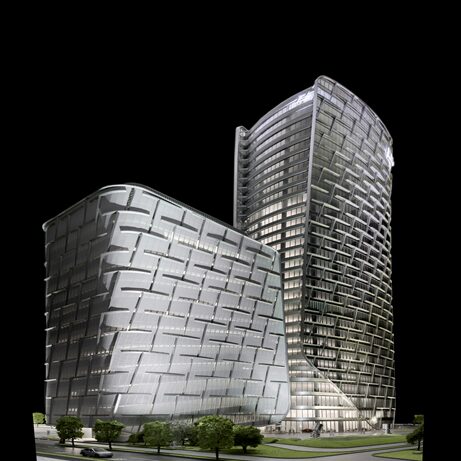
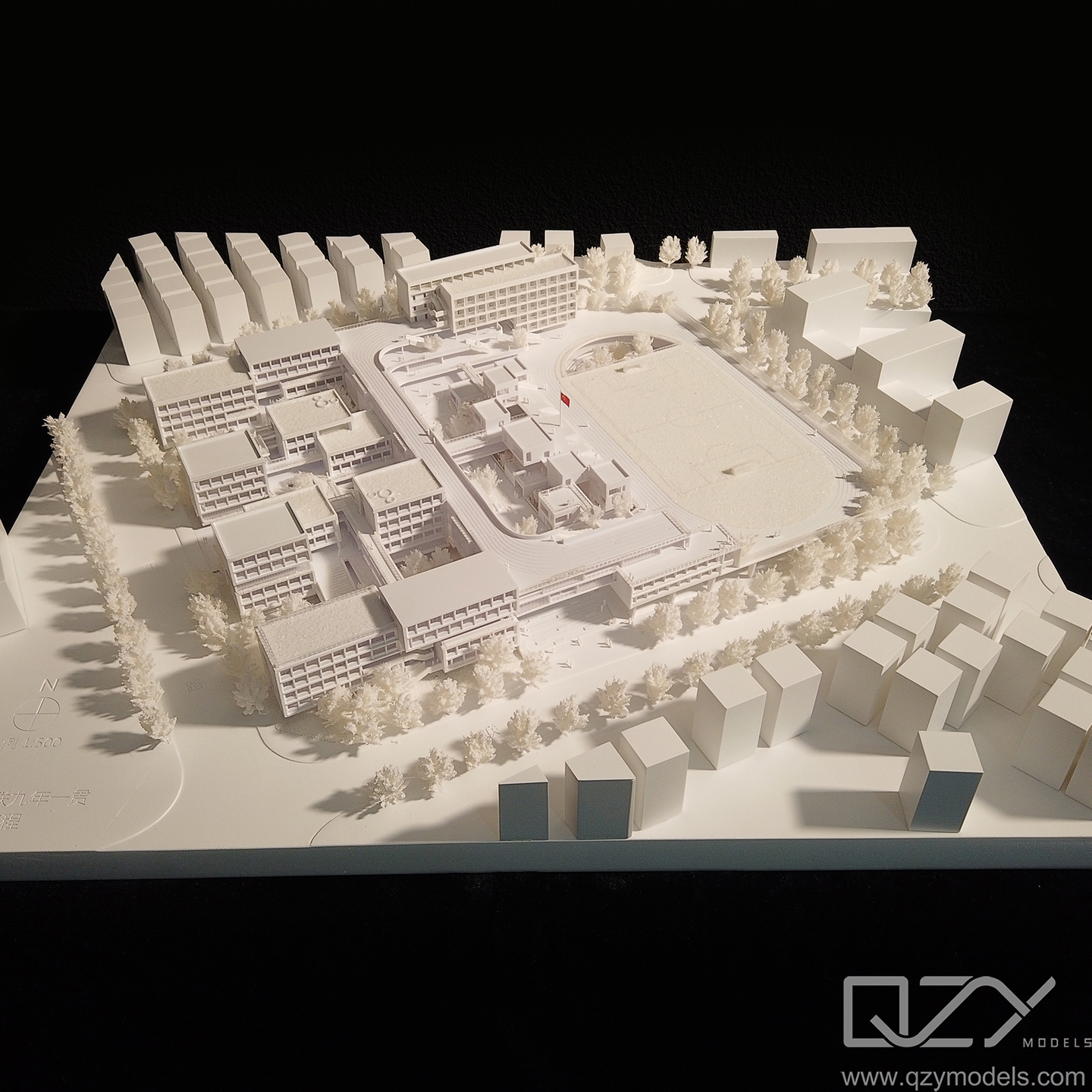
Wood modeling industry trends in 2026 emphasize precision manufacturing, sustainability, and digital integration, offering makers and businesses scalable solutions for architectural and industrial demands. QZY Models stands at the forefront, providing high-quality physical models that align with these shifts to deliver measurable project outcomes and client satisfaction.
How Is the Wood Modeling Industry Currently Performing?
The global engineered wood market reached USD 282.96 billion in 2025 and projects growth to USD 298.02 billion in 2026, driven by demand for sustainable construction materials.
Wood-based panel production estimates 434.36 million cubic meters in 2026, up from 419.99 million in 2025, reflecting robust residential and furniture sector expansion.
Yet, 64% of manufacturers report challenges with volatile raw material costs and emission regulations, creating delays and margin pressures for modeling firms.
What Pain Points Persist in Wood Modeling Today?
Supply chain disruptions affect 40% of wood modeling projects, leading to inconsistent material quality and extended timelines.
Tightening environmental standards force studios to invest heavily in compliance, with non-certified operations facing up to 25% higher rejection rates in tenders.
Labor shortages in skilled craftsmanship exacerbate issues, as traditional methods fail to scale for complex, high-volume architectural presentations.
Why Do Traditional Wood Modeling Approaches Fall Short?
Traditional methods depend on manual processes, resulting in:
-
Variability in texture replication, with up to 20% rework rates.
-
Lead times averaging 4-8 weeks for mid-scale models.
-
High waste factors, often exceeding 15% of raw materials.
-
Limited integration with digital design tools like BIM.
These gaps hinder competitiveness in fast-paced markets like real estate development and exhibitions.
What Makes QZY Models a Forward-Thinking Solution?
QZY Models leverages hybrid digital-analog workflows for wood modeling, combining CNC precision with expert hand-finishing. Their capabilities include sustainable material sourcing, rapid prototyping, and global delivery across 20+ countries.
Core features encompass:
-
BIM/CAD-compatible model generation for accurate scaling.
-
FSC-certified wood stocks minimizing environmental impact.
-
Automated quality checks reducing defects by 30%.
-
Customizable finishes for industrial and architectural applications.
QZY Models has served clients like Foster + Partners, proving reliability in high-stakes projects.
Which Advantages Set QZY Models Apart from Legacy Methods?
| Aspect | Traditional Methods | QZY Models Solution |
|---|---|---|
| Production Time | 4-8 weeks | 2-4 weeks |
| Material Waste | 15-20% | Under 5% |
| Precision Accuracy | Manual variability | CNC-verified ±0.1mm |
| Sustainability | Basic sourcing | FSC/PEFC certified |
| Scalability | Project-limited | High-volume capable |
How Does the QZY Models Process Work Step-by-Step?
-
Design Upload: Submit CAD/BIM files with specifications.
-
Material Audit: Select certified woods based on project needs.
-
Digital Prototyping: Generate 3D previews for approval.
-
Precision Fabrication: CNC milling and laser cutting.
-
Artisan Refinement: Hand-texturing and assembly.
-
Final Validation: Inspection and secure packaging for shipment.
Who Gains the Most from QZY Models’ Approach?
Case 1: Real Estate Developers
-
Problem: Delayed sales models increased pre-launch costs by 18%.
-
Traditional Practice: Outsourced manual builds with quality inconsistencies.
-
QZY Models Outcome: Delivered 1:200 scale models in 3 weeks.
-
Key Benefit: Accelerated $8M in pre-sales.
Case 2: Architectural Firms
-
Problem: Renderings failed to convey material realism to clients.
-
Traditional Practice: Basic foam prototypes.
-
QZY Models Outcome: Textured wood models with integrated lighting.
-
Key Benefit: 45% higher proposal win rates.
Case 3: Exhibition Organizers
-
Problem: High waste and logistics costs for trade show displays.
-
Traditional Practice: On-site assembly prone to errors.
-
QZY Models Outcome: Modular, shippable wood installations.
-
Key Benefit: Cut setup time by 50%, saved $15K per event.
Case 4: Urban Planning Agencies
-
Problem: Non-compliant materials risked project approvals.
-
Traditional Practice: Unverified local suppliers.
-
QZY Models Outcome: Traceable, certified models for public review.
-
Key Benefit: Secured government funding for three initiatives.
Why Should Businesses Adopt These Trends Now?
2026 forecasts show wood processing markets growing to $230.67 billion, with Asia-Pacific leading at 3.42% CAGR through 2031. Digital-hybrid solutions like those from QZY Models position firms to capture this expansion, ensuring compliance, efficiency, and innovation amid rising demands.
FAQ
What drives wood modeling growth in 2026?
Sustainability mandates and construction booms, particularly in residential sectors.
How does QZY Models ensure material sustainability?
Through FSC and PEFC certifications across all wood supplies.
Can QZY Models handle large-scale projects?
Yes, with capacity for models up to 10m in dimension from global branches.
What turnaround times can clients expect?
Typically 2-4 weeks for standard projects, scalable for urgency.
Does QZY Models integrate with design software?
Full compatibility with AutoCAD, Revit, and Rhino formats.
Are international projects supported?
Yes, with branches in UAE, Saudi Arabia, and Egypt for seamless logistics.
Sources
-
Precedence Research: Engineered Wood Market Report 2025-2034
-
Mordor Intelligence: Wood-based Panel Market Analysis 2026-2031
-
The Business Research Company: Wood Processing Global Market Report 2026
-
Businesscraft: Wood and Plywood Market Trends 2025-2026