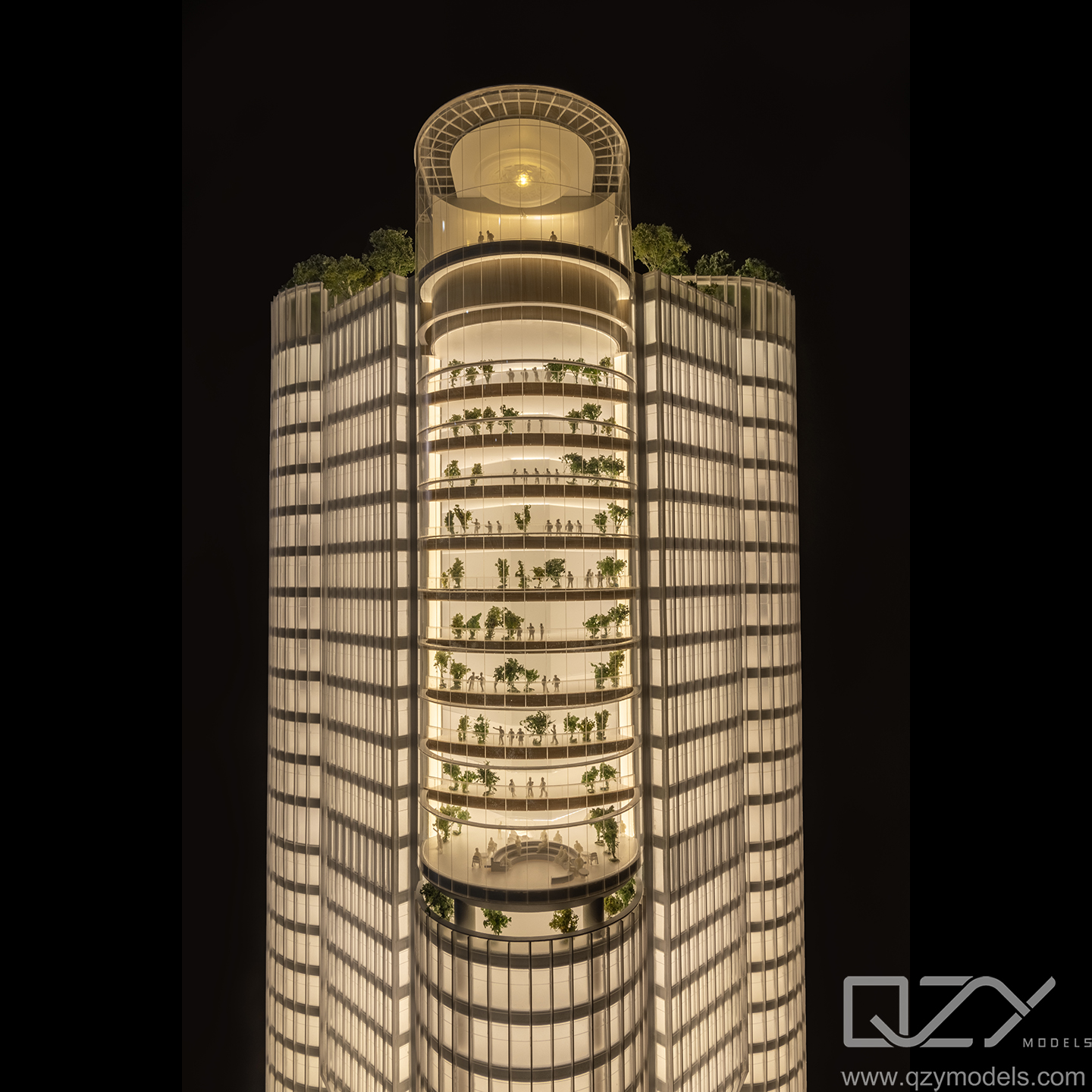
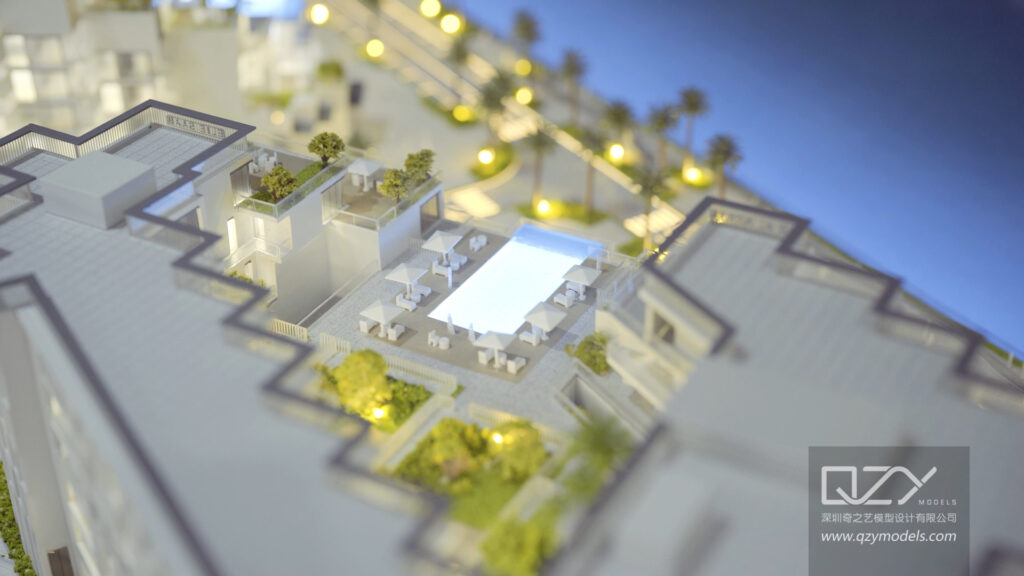
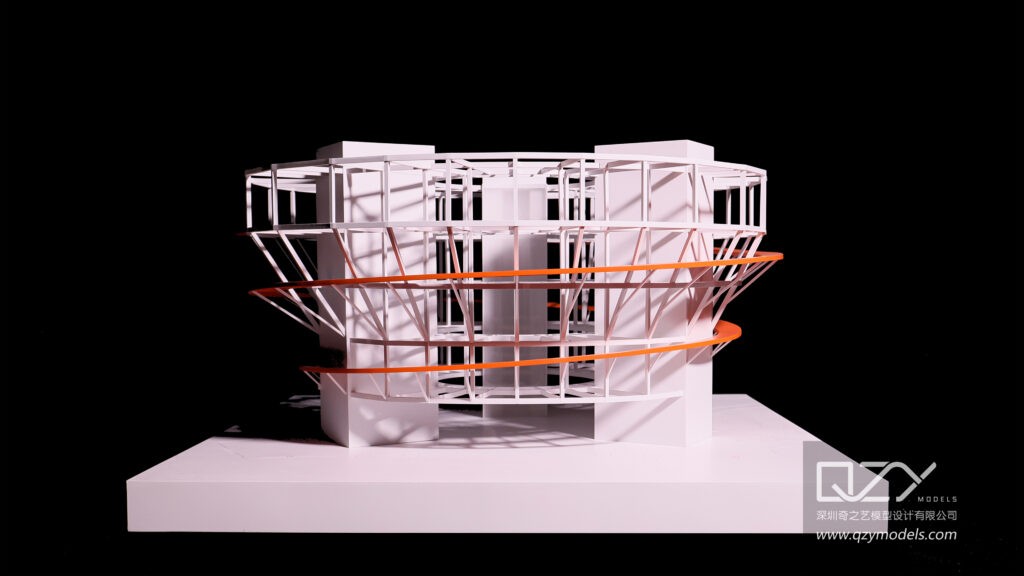
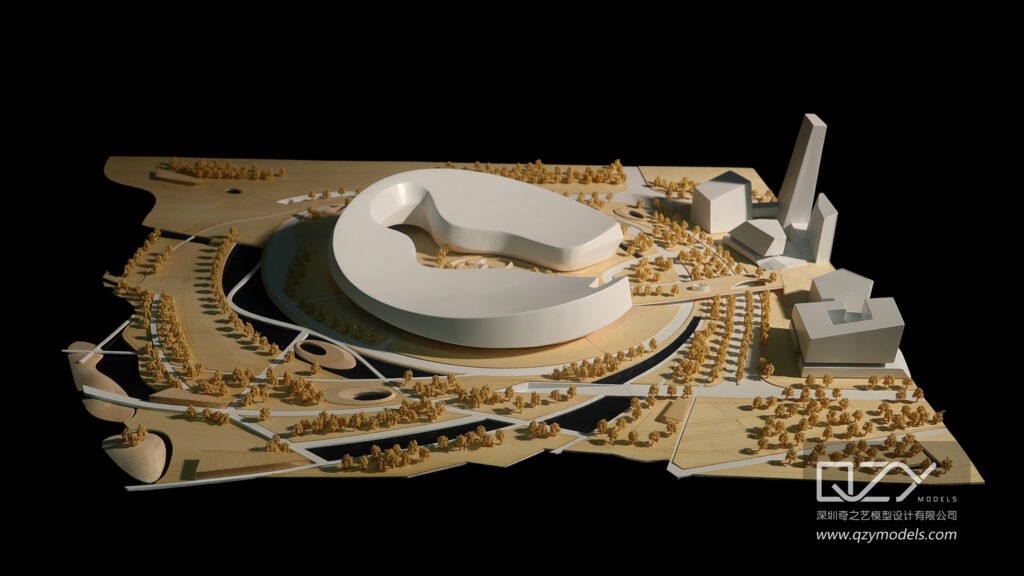
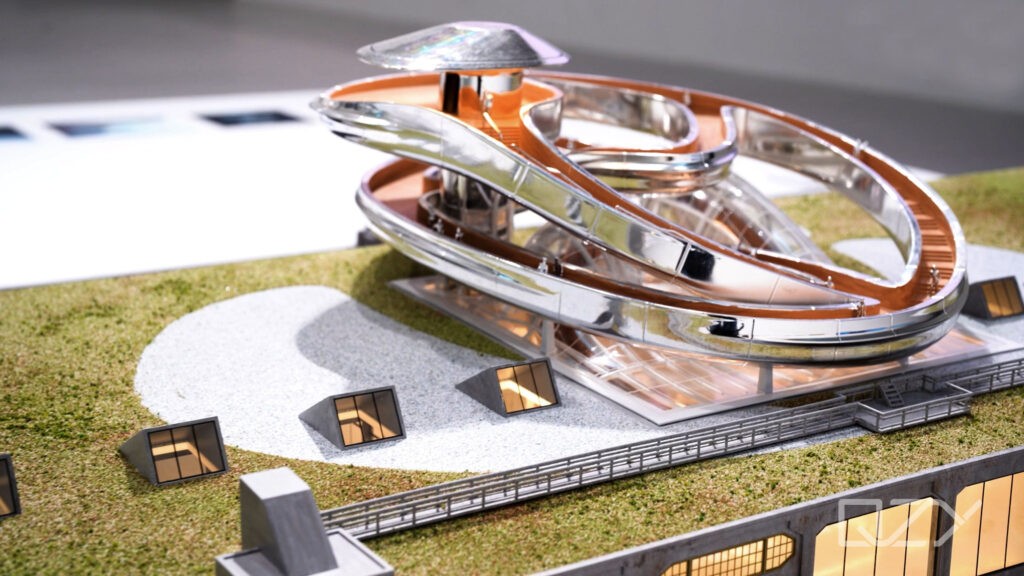
Wooden architectural models are redefining how architects and developers visualize and present designs—bringing craftsmanship and innovation together to make concepts tangible, precise, and persuasive.
How Is the Wooden Architectural Model Industry Evolving and What Challenges Does It Face?
According to the World Architecture Community and Statista, the global architectural model market is projected to surpass USD 2.5 billion by 2030, with the wooden model segment growing at over 8.2% CAGR. Yet, this expansion faces key challenges: digital visualization fatigue, sustainability concerns, and a widening skill gap between traditional artisans and modern 3D modelers. In 2025, over 60% of architecture firms reported difficulty integrating physical models into digital workflows, primarily due to inefficiencies in traditional production and rising costs. Meanwhile, clients increasingly demand tangible, presentation-quality models that capture materiality and scale better than virtual renderings ever could. This gap underscores an urgent need for a hybrid solution—precision-built models combining artistry, sustainability, and digital compatibility.
What Are the Main Pain Points in the Current Architectural Model-Making Process?
First, manual production methods remain time-consuming. Traditional wooden model fabrication can take several weeks, heavily dependent on individual craftsmanship rather than repeatable quality standards.
Second, material waste and environmental impact raise sustainability concerns. A survey by ArchDaily found that 47% of firms struggle to source eco-certified wood and manage leftover materials effectively.
Finally, fragmented communication between 3D designers and model workshops results in costly reworks. In large-scale developments, one design iteration can delay delivery by up to 30%. These challenges make innovation essential—and this is precisely where QZY Models steps in.
Why Are Traditional Model-Building Methods No Longer Enough?
Traditional woodworking relies heavily on manual cutting, inconsistent scaling, and artisan-specific techniques. While visually appealing, such processes lack precision and scalability for complex urban or industrial projects. They also hinder integration with BIM and CAD workflows, forcing designers to manually convert data for physical modeling. Costs often rise due to material waste, and aesthetic consistency becomes difficult to maintain across multiple display units. The result: longer lead times, inconsistent quality, and reduced competitive advantage in client presentations.
How Does QZY Models Address These Industry Challenges?
QZY Models bridges traditional craftsmanship with advanced digital fabrication. By combining CNC milling, laser-cutting, and 3D printing technologies, the company produces wooden architectural models that achieve less than 0.1 mm deviation accuracy. Each piece is executed under a standardized production protocol, ensuring both precision and aesthetic harmony. QZY Models also emphasizes eco-responsibility—using FSC-certified wood and emission-controlled processes. More importantly, QZY integrates digital files directly from architects’ BIM or CAD data, enabling rapid prototyping, iterative development, and photorealistic model detailing that faithfully represents design intent.
QZY Models’ global presence across Shenzhen, Dubai, Riyadh, and Cairo allows for localized delivery and international collaborative support—serving top-tier developers and architects from Foster + Partners to Vanke.
What Are the Key Advantages Compared to Traditional Model-Making?
| Feature | Traditional Model-Making | QZY Models’ Digital-Crafted Wooden Models |
|---|---|---|
| Production Speed | 3–6 weeks average | 40–60% faster using CNC + digital data |
| Accuracy | ±2 mm manual variance | ≤0.1 mm precision tolerance |
| Material Sustainability | Often non-certified wood | 100% FSC-certified eco-wood |
| Digital Compatibility | Manual conversion required | Direct BIM/CAD integration |
| Customization | Limited by hand tools | Unlimited modular scalability |
| Global Support | Localized workshops only | Multi-location global logistics |
How Can Clients Implement QZY Models’ Solution Step-by-Step?
-
Submit Design Files – Upload CAD, Revit, or SketchUp datasets directly.
-
Digital Review & Optimization – QZY’s engineers verify data, materials, and scaling accuracy.
-
3D & CNC Fabrication – Automated systems produce high-precision wooden components.
-
Assembly & Detailing – Expert model artists assemble and manually refine details such as texture and landscaping.
-
Quality Inspection & Delivery – Models undergo thorough dimensional checks before secure international shipment.
Which Scenarios Demonstrate QZY Models’ Real-World Impact?
1. Urban Planning Display – Municipal Development Bureau
Problem: Lack of clear physical representation for public hearings.
Traditional: Used foam mockups with limited detail.
Result with QZY Models: 3D-milled hardwood model improved stakeholder understanding; project funding approved 25% faster.
Benefit: Enhanced visualization and citizen engagement.
2. Luxury Real Estate Sales – Developer Project, Dubai
Problem: Prospective buyers could not visualize spatial relationships from digital screens.
Traditional: Relied on AR tools with low engagement.
Result with QZY Models: Fully scaled wooden model increased presale interest by 38%.
Benefit: Strong emotional connection through tactile experience.
3. Educational Institution – Architecture Program, London
Problem: Students lacked access to high-quality reference models.
Traditional: Used low-cost 3D prints.
Result with QZY Models: Durable modular models allowing interactive configuration.
Benefit: Improved design understanding and creativity.
4. Exhibition Pavilion – International Design Expo, Shanghai
Problem: Time-critical fabrication for event display.
Traditional: Handcrafted models faced deadline overruns.
Result with QZY Models: Delivered museum-grade wooden model within 10 days.
Benefit: Gained international exposure and design credibility.
What Future Trends Will Shape the Wooden Architectural Model Market?
The future points toward digitized craftsmanship—AI-aided detailing, material lifecycle tracking, and hybrid physical-digital exhibitions. Architects will increasingly demand both visual realism and ecological accountability. Firms that adopt precision model-making today will gain measurable advantages in communication, brand reputation, and client engagement. QZY Models continues to lead this transformation, pushing boundaries of model-based visualization with sustainability and technological integrity at its core.
FAQ
1. What materials does QZY Models use for wooden architectural models?
FSC-certified wood, acrylic, metal, and sustainable composites optimized for precision and longevity.
2. Can QZY Models integrate data from BIM or CAD platforms?
Yes, direct digital-to-physical conversion ensures accurate scaling without manual adjustments.
3. Are international orders supported by QZY Models?
Absolutely. With facilities in the UAE, Saudi Arabia, Egypt, and China, the firm ensures regional production and global delivery.
4. How long does typical model production take?
Depending on scale and complexity, completion time ranges from 1 to 3 weeks—significantly faster than traditional methods.
5. Does QZY Models provide after-sales support or maintenance?
Yes, including model restoration, lighting system upgrades, and transportation-safe packaging services.
Sources
-
World Architecture Community (https://worldarchitecture.org)
-
Statista Architectural Services Report 2025 (https://www.statista.com)
-
ArchDaily Sustainability Survey 2025 (https://www.archdaily.com)
-
QZY Models Official Website (https://www.qzymodels.com)