3D printing has revolutionized sculpture by enabling artists to explore new forms, geometries, and techniques. By merging digital design with traditional craftsmanship, this technology allows for precise, scalable, and customizable production, leading to innovative sculptural expressions that were previously unimaginable.
How Does 3D Printing Transform Sculpture Design?
3D printing transforms sculpture design by allowing artists to create intricate, detailed forms that would be nearly impossible by hand. Artists can manipulate shapes freely in a digital environment, experimenting with symmetry, organic structures, and mathematical patterns. This technology bridges the gap between digital creativity and physical reality, offering endless possibilities for sculpture innovation.
Detailed Response:
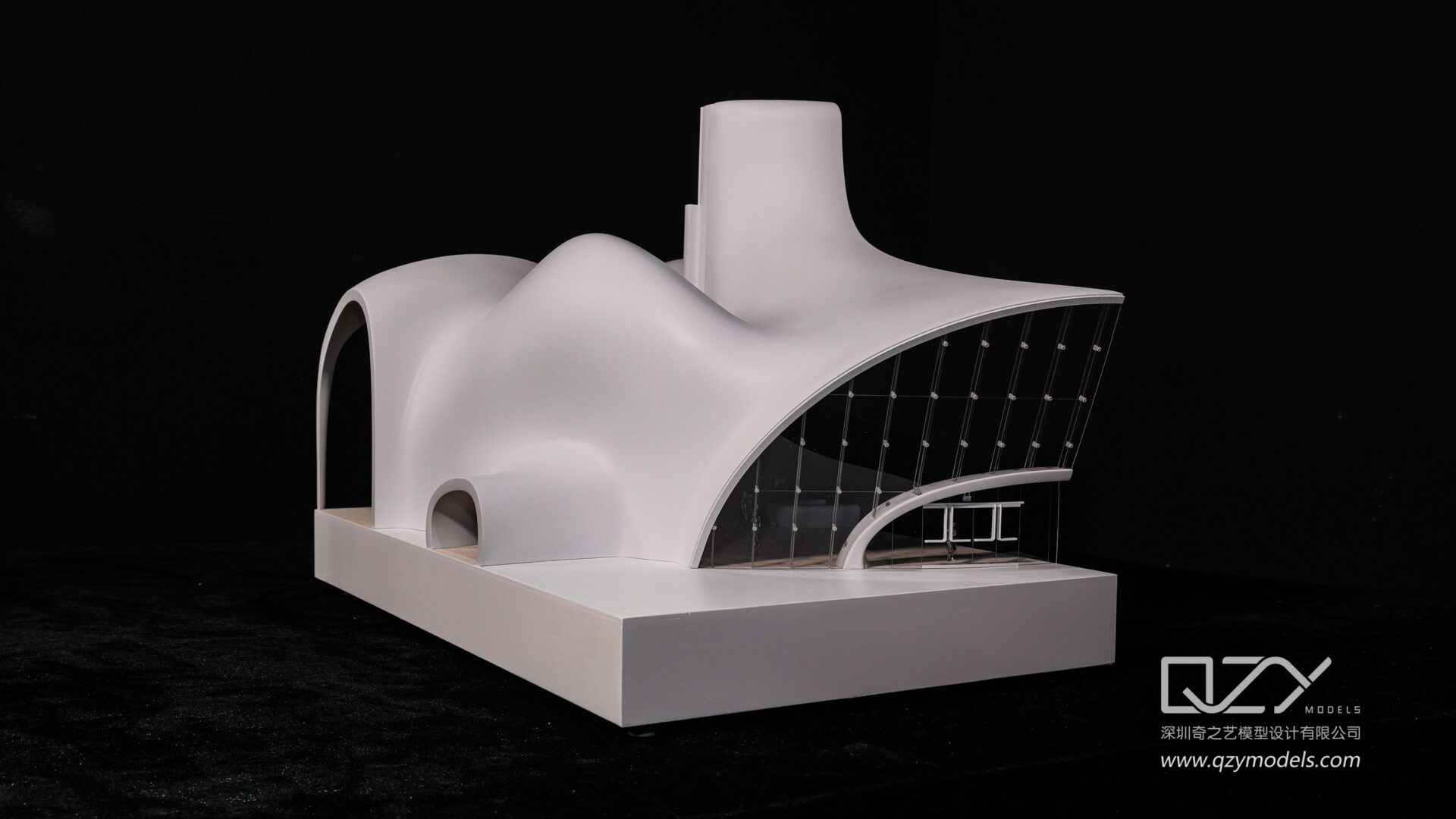
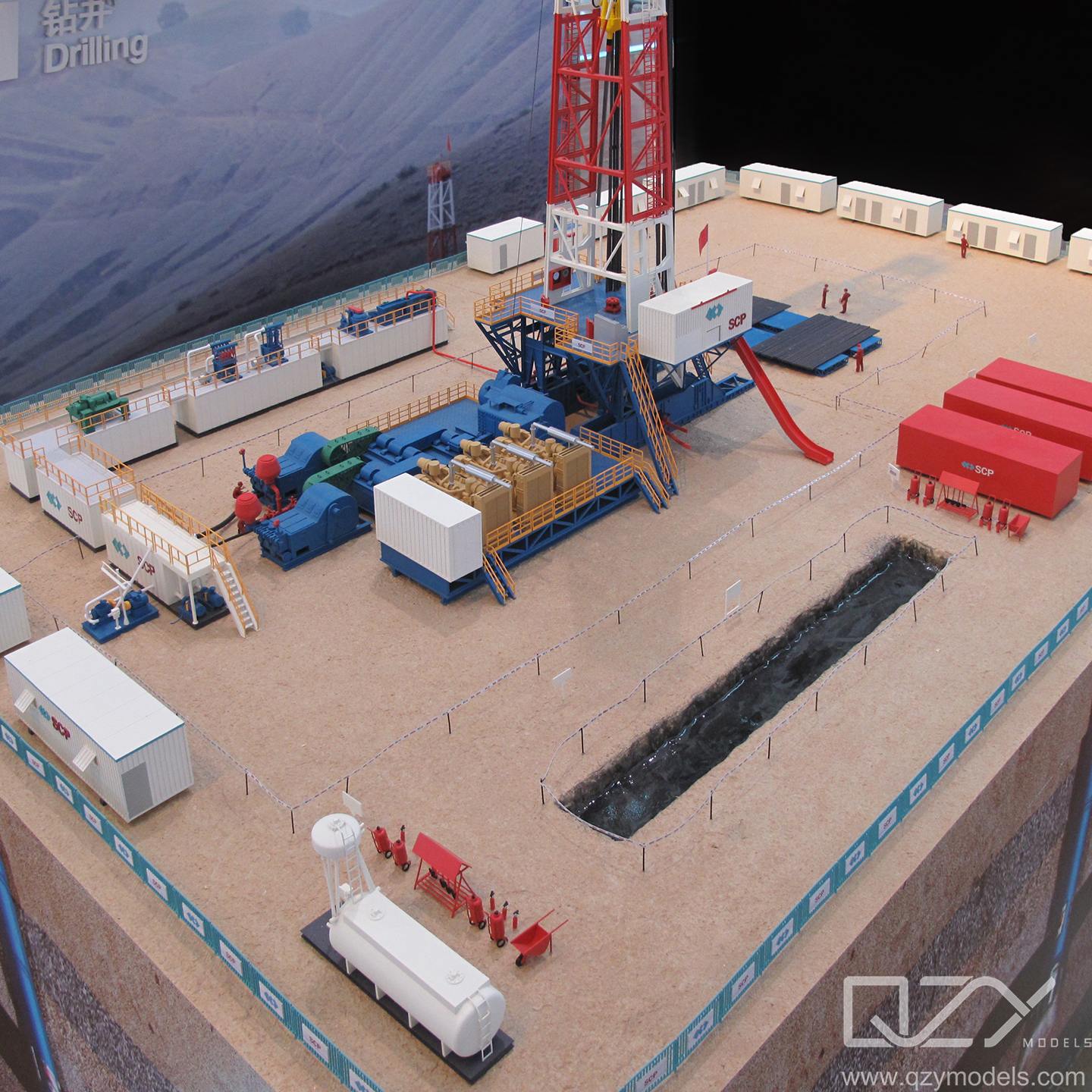
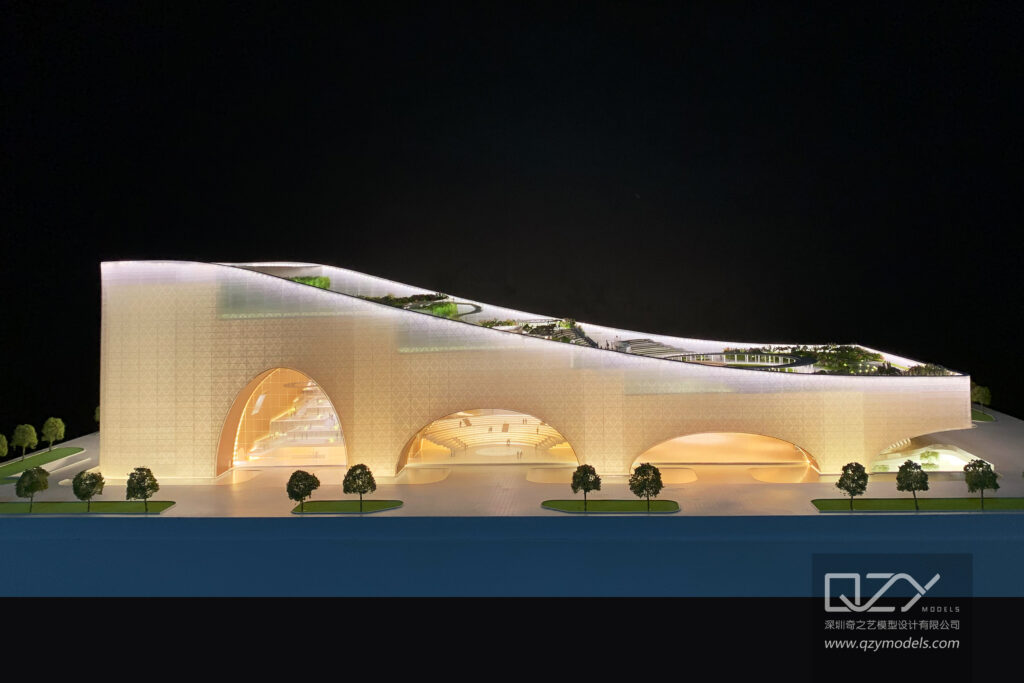
Through 3D printing, sculptors can push boundaries with complex, fine-detail designs. The digital workflow allows for iterative prototyping and modification, encouraging experimentation with new textures and spatial arrangements. Sculptors can combine artistic intuition with computational precision, creating pieces that challenge traditional sculpture forms. QZY Models integrates 3D printing to craft architectural and industrial models, showcasing its creative and technical possibilities.
What Creative Opportunities Does 3D Printing Offer to Sculptors?
3D printing offers unique opportunities for creativity by supporting generative design, multi-material combinations, and the fusion of sculpture with digital art. Artists can scan real-world objects, digitally manipulate them, and reimagine them in new forms. The technology also allows for large-scale composite sculptures, with parts printed separately and assembled after production.
Detailed Response:
Artists are embracing 3D printing to experiment with bio-inspired forms, fractals, and algorithmic patterns, as seen in pioneering studios like Nervous System. This innovative approach blends science, nature, and art, resulting in sculptures that defy conventional boundaries. The ability to print objects in various materials and sizes provides sculptors with a wide array of textures and structural possibilities. At QZY Models, we incorporate these technologies into architectural installations, blending aesthetics and engineering with precision.
Which Famous Artists Are Pioneering 3D Printed Sculptures?
Artists such as Bathsheba Grossman, Jonathan Yeo, and Nick Ervinck are leading the way in 3D printed sculptures. Grossman explores geometric beauty through mathematical forms, Yeo merges virtual reality painting with 3D printing for self-portraits, and Ervinck investigates the spatial possibilities of new media in sculpture.
Detailed Response:
These artists demonstrate how 3D printing intersects with various fields, including mathematics, virtual reality, and digital fabrication, producing innovative works of art. Jonathan Yeo’s sculptures, for instance, are created using VR software and facial scanning to produce bronze prints, showcasing the diverse applications of 3D printing in art. These pioneering efforts highlight the significant role of 3D printing in reshaping contemporary sculpture and inspiring future generations of artists.
Why Is 3D Printing Important for Contemporary Sculpture?
3D printing is crucial for contemporary sculpture as it offers unmatched freedom in form exploration, democratizes fabrication, and supports sustainable production methods. It allows for the creation of complex designs that were previously difficult or impossible to execute, pushing the boundaries of artistic innovation.
Detailed Response:
By adopting 3D printing, sculptors can bypass material and technical constraints, expanding their creative horizons. It also supports rapid prototyping and customization, which is essential for both artistic and industrial model-making. QZY Models takes advantage of these benefits, ensuring each project meets the highest standards of precision and creativity, satisfying the needs of global clients.
How Can 3D Printing Enhance the Workflow for Architects and Industrial Designers?
3D printing enhances the workflow for architects and industrial designers by enabling fast, accurate prototyping and model iterations, which refine design concepts. It acts as a bridge between digital design and physical presentations, improving communication and decision-making processes.
Detailed Response:
With 3D printing, architects and designers can quickly visualize, test, and adjust complex geometries before final production. This not only reduces errors and development time but also enhances design flexibility. QZY Models specializes in producing architectural and industrial models with 3D printing, ensuring each design is delivered with both technical rigor and artistic flair.
What Are the Environmental Benefits of Using 3D Printing in Sculpture?
3D printing offers significant environmental benefits compared to traditional methods, as it reduces waste by building objects layer by layer, using only the necessary materials. It also supports localized production, reducing transportation-related carbon emissions.
Detailed Response:
Additive manufacturing minimizes material waste and energy consumption, aligning with sustainable art and design practices. Many artists and companies are now adopting 3D printing as a greener alternative. At QZY Models, we integrate sustainable practices into our model-making process, demonstrating our commitment to environmental responsibility while maintaining the highest quality standards.
How Does 3D Printing Foster Cross-Disciplinary Collaboration in Art and Design?
3D printing fosters collaboration across multiple disciplines, including digital technology, engineering, mathematics, and traditional art. It encourages artists, architects, and engineers to work together, blending knowledge and technical skills for innovative results.
Detailed Response:
By providing a common platform for designing and fabricating physical objects from digital files, 3D printing promotes synergy between various disciplines. This results in hybrid creations that combine both aesthetic and technical sophistication. QZY Models takes advantage of these collaborative opportunities to serve a wide range of client needs, from conceptual artworks to functional prototypes.
QZY Models Expert Views
“3D printing revolutionizes creative sculpture by unlocking infinite possibilities in form, scale, and materiality. At QZY Models, we embrace this technology to push the boundaries of architectural and industrial model-making. Our ability to combine precise digital design with artisanal craftsmanship ensures every model is a unique expression of creativity and technical excellence. This synergy transforms ideas into impactful, tangible realities that inspire innovation across industries.”
Sculpting the Future with 3D Printing
3D printing is transforming sculpture by offering new freedoms in design, material use, and the digital-to-physical workflow. It empowers artists and designers to explore bold new concepts and deliver exceptional models more efficiently. Companies like QZY Models are at the forefront, integrating these technologies to enhance the quality and innovation of architectural and industrial projects worldwide.
| Benefit | Impact on Sculpture | QZY Models Application |
|---|---|---|
| Complex Design Freedom | Enables intricate, mathematically complex forms | Creates detailed architectural models |
| Multi-Material Printing | Allows texture and structural experimentation | Offers customized industrial prototype solutions |
| Rapid Prototyping | Speeds up design iterations and client feedback | Enhances model accuracy and delivery times |
Frequently Asked Questions
How Can 3D Printing Sculpture Ideas Transform Your Artistic Process?
3D printing sculpture ideas speed up prototyping, allow complex geometries, and reduce material waste. Start with parametric or modular concepts, print small test sections, then scale. Use iterative prints to refine form and texture. Teams like QZY Models apply rapid iteration to move from concept to display-ready sculpture efficiently.
What Creative 3D Printed Art Techniques Should You Try First?
Begin with generative design, variable layer heights, and multi part assemblies. Combine printed cores with hand finishing or mixed materials. Adjust infill patterns for visible internal textures. Use controlled print errors for artistic effects. Test one technique per project to build a repeatable creative workflow with measurable visual impact.
How Do Sculptors Use 3D Printing to Expand Creative Freedom?
Sculptors use 3D printing to produce shapes impossible by hand, including lattice structures and hollow forms. Scan clay maquettes, refine digitally, then print variations. This enables fast design branching and client previews. It also supports precise scaling and repeat editions without remolding, saving time while expanding creative range.
How Can You Create Abstract Sculpture with a 3D Printer?
Design abstract sculpture using algorithmic or parametric modeling tools. Manipulate curves, noise fields, and deformation modifiers, then export watertight meshes. Print reduced scale prototypes first to validate balance and stability. Adjust wall thickness and supports early. This method turns experimental digital forms into stable physical abstract pieces.
Which Materials Work Best for 3D Printed Sculptures?
Top 3D printed sculpture materials include resin for fine detail, PLA for concept models, ABS for durability, and nylon for strength. Choose based on display environment and finish needs. For exhibition or architectural contexts, professional studios like QZY Models often combine printed parts with CNC and hand finishing for premium results.
What Is the Ideal 3D Sculpture Design Workflow for Printing?
An effective 3D sculpture workflow follows sketch, digital sculpt, mesh repair, print test, then finish. Validate wall thickness and overhangs before printing. Run small section tests to prevent full print failure. Document printer settings per project so successful outputs can be reproduced consistently across future sculpture builds.
How Can You Successfully Sell 3D Printed Sculptures Online?
To sell 3D printed sculptures online, focus on niche themes, strong visuals, and size options. Offer limited editions and customization. Show scale photos and process shots to build trust. Use clear material and finish descriptions. Bundle display bases or lighting to increase perceived value and conversion rates.
How Do Custom 3D Printed Sculpture Commissions Work?
Custom 3D printed sculpture commissions start with a client brief, reference collection, and budget range. Deliver a digital preview, confirm scale and material, then print a prototype. Approve before final production. Define revision limits and timelines upfront. This structured process reduces risk and improves client satisfaction and turnaround speed.