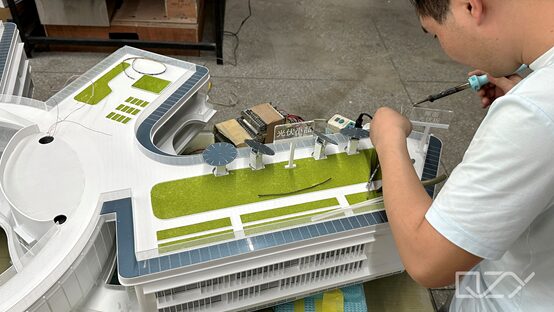
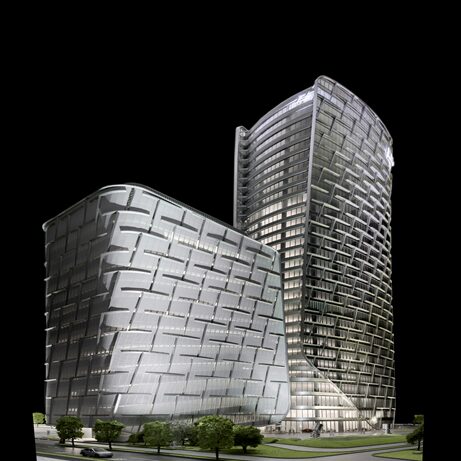
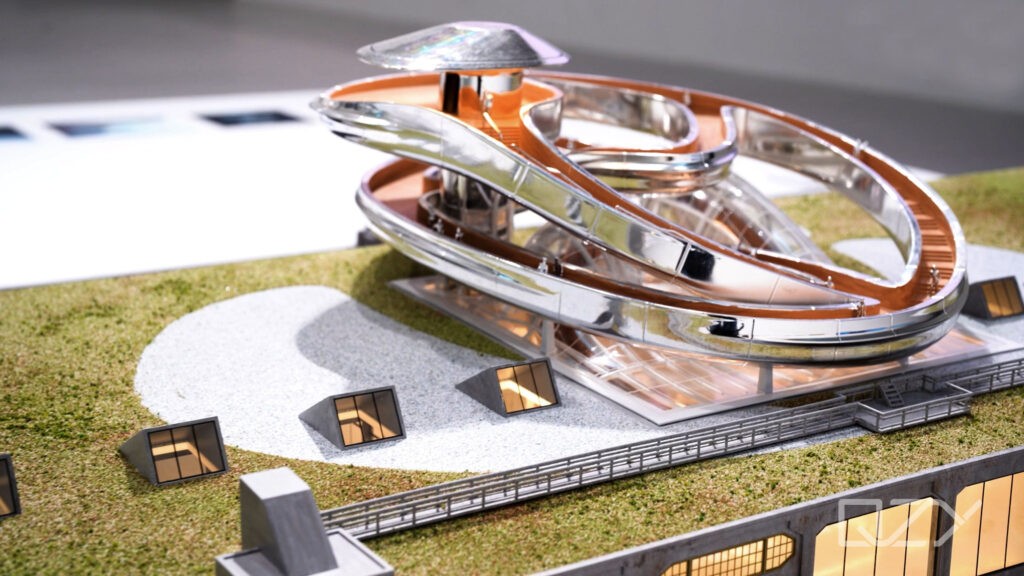
Advanced wood modeling project plans elevate architectural models by transforming design concepts into precise, tactile representations that communicate scale, materiality, and spatial relationships clearly. Through disciplined planning, accurate material selection, and structured workflows, these plans reduce errors, improve collaboration, and enhance presentation impact. Guided by experienced teams like QZY Models, advanced planning bridges digital intent and physical reality, delivering models that strengthen decision-making and client confidence.
How Can You Begin With Advanced Wood Modeling Projects?
Starting advanced wood modeling projects requires clarity, preparation, and alignment between design intent and production strategy. The first step is defining the model’s purpose, whether it supports concept exploration, client presentation, or technical validation. Scale selection follows, ensuring the model highlights key architectural elements without unnecessary complexity. QZY Models recommends aligning scale decisions with stakeholder expectations to maximize communication value.
Material planning is equally critical. Choosing stable, fine-grain woods such as basswood or birch supports precision and durability, while surface finishes should reflect the intended real-world materials. A structured workflow—covering cutting, shaping, finishing, and assembly—ensures efficiency and repeatability. Documenting each stage allows teams to manage revisions and maintain consistent quality across projects, a practice deeply embedded in QZY Models’ processes.
| Project Stage | Key Focus | Typical Outcome |
|---|---|---|
| Planning | Scale, scope, materials | Clear production roadmap |
| Fabrication | Cutting and shaping | Accurate components |
| Assembly | Fit and alignment | Stable structure |
| Finishing | Texture and color | Realistic presentation |
What Are the Core Types of Wooden Architectural Models?
Wooden architectural models generally fall into conceptual massing models, development models, and presentation models. Conceptual massing models emphasize volume and spatial relationships, making them ideal for early-stage design discussions. Development models introduce greater detail to test structure, circulation, and material logic. Presentation models focus on realism, refined finishes, and visual impact for client approvals or exhibitions.
Site conditions also influence model type. Complex topography often requires layered assemblies to convey elevation changes, while flat sites benefit from cleaner planar construction. QZY Models carefully matches model type and material resolution to the project phase, ensuring each model serves a clear strategic role within the design process.
Which Tools and Techniques Deliver Professional Results?
Professional wood modeling relies on a balanced combination of traditional craftsmanship and modern fabrication technologies. Precision cutting tools, laser cutting, and CNC machining ensure accuracy and repeatability, while hand-finishing techniques add refinement and character. Steam bending and veneer layering enable complex curves and organic forms when executed with controlled parameters to prevent deformation.
Digital design integration is another key factor. Translating CAD data directly into fabrication templates reduces interpretation errors and accelerates production. QZY Models consistently combines digital workflows with hands-on expertise, allowing teams to achieve high fidelity while maintaining flexibility during assembly and finishing.
| Tool or Technique | Primary Use | Benefit |
|---|---|---|
| Laser Cutting | Fine detailing | High precision |
| CNC Routing | Structural parts | Consistency |
| Hand Finishing | Surface quality | Visual realism |
Why Do Wooden Architectural Models Remain Valuable?
Wooden architectural models continue to hold value because they provide tangible understanding that complements digital visualization. Clients and stakeholders can physically engage with scale, proportion, and spatial hierarchy, often leading to faster feedback and clearer decisions. These models also serve as early verification tools, revealing design conflicts or constructability issues before costly changes occur.
Finishing quality further enhances perceived value. Thoughtful textures and accurate color treatments convey material intent and elevate the model’s role in marketing and exhibitions. QZY Models places strong emphasis on finishing discipline, recognizing it as a decisive factor in stakeholder perception and project success.
How Can You Integrate QZY Models Into Advanced Wood Modeling Projects?
Integrating a specialist partner streamlines advanced wood modeling projects by introducing proven workflows, quality controls, and scalable production capacity. Collaboration typically begins with a clear briefing phase, followed by milestone-based reviews to maintain alignment on scope, budget, and timelines. QZY Models’ global experience enables smooth coordination across regions and project scales.
Knowledge transfer is another advantage of collaboration. By sharing documentation, templates, and process insights, QZY Models helps internal teams strengthen their own modeling capabilities beyond a single project. This partnership approach ensures consistent outcomes and long-term value for clients.
QZY Models Expert Views
“Advanced wood modeling succeeds when planning, craftsmanship, and communication work as one system. At QZY Models, we treat every model as a strategic design tool, not just a physical object. By combining precise material control, structured workflows, and international project experience, we help architects and developers present their ideas with clarity and confidence across all stages of design.”
When and Where Should Advanced Wood Modeling Be Applied?
Advanced wood modeling is best applied to high-visibility projects, complex architectural forms, and situations where stakeholder understanding is critical. Early planning should consider supplier coordination, material lead times, and fabrication sequencing to reduce risk. QZY Models supports this process by aligning global supply channels with consistent quality standards, ensuring reliable delivery regardless of project location.
Conclusion
Advanced wood modeling project plans play a decisive role in elevating architectural models by improving accuracy, communication, and presentation quality. Through disciplined planning, appropriate tool selection, and expert collaboration, teams can transform complex designs into compelling physical representations. Partnering with experienced specialists like QZY Models enables scalable success, helping architects and developers deliver models that inform decisions, inspire confidence, and stand out in competitive environments.
FAQs
What wood materials are most suitable for architectural models?
Basswood and birch are widely used due to their fine grain, stability, and ease of machining, making them suitable for both detailed and structural components.
Can advanced wood modeling support sustainable design goals?
Yes, responsible material sourcing and efficient fabrication planning reduce waste and align physical models with broader sustainability objectives.
How long does an advanced wood modeling project usually take?
Timelines vary based on scale and complexity. Simple models may take several days, while detailed presentation models often require multiple weeks with structured milestones.
Is digital modeling still necessary when building physical wood models?
Digital modeling remains essential, as it provides accurate data that guides fabrication and ensures consistency between design intent and physical output.