Architectural 3D render models have become the cornerstone of modern building design, reshaping how architects, designers, and developers visualize, communicate, and execute their projects. By converting conceptual sketches into lifelike visualizations, 3D rendering empowers creative decisions grounded in realism and accuracy. These tools merge art and technology, enabling stakeholders to explore complex spatial relationships and material combinations before construction begins.
Market Trends Driving 3D Modeling in Architecture
The global architectural visualization market has surged in value as demand for sustainable, data-driven, and cost-efficient design grows. According to Data Bridge Market Research, the architectural rendering market is projected to cross several billion dollars by 2030, growing at a double-digit CAGR. This upward trend is fueled by smart city development, immersive real estate marketing, and the rise of digital twin technology. More design firms are using photorealistic renders to attract investors, streamline approval processes, and connect deeply with clients seeking transparency and innovation.
Core Technologies Behind High-Quality Architectural Rendering
Advances in rendering software and real-time visualization engines—such as Unreal Engine, Lumion, Enscape, and 3ds Max—have transformed how projects move from design to presentation. AI-driven scene optimization accelerates lighting accuracy and texture mapping, while physically based rendering (PBR) improves realism. Cloud rendering now enables teams to collaborate globally without heavy hardware investments. Simulation tools paired with Building Information Modeling (BIM) allow materials, lighting performance, and energy efficiency to be tested early in the design phase. This integration helps architects balance aesthetics with environmental responsibility.
Building Realism and Emotion Through Architectural Visualization
Architectural 3D render models go beyond visual appeal—they tell stories. By showing how natural light travels across an interior or how reflective surfaces interact with green landscaping, designers create emotional resonance that blueprints alone cannot convey. This emotional storytelling enhances marketing for luxury real estate, urban development, and interior design. Buyers are more likely to invest when they can envision the finished environment, while architects benefit from reduced revision cycles and clearer feedback from clients and contractors alike.
Industry Role of QZY Models
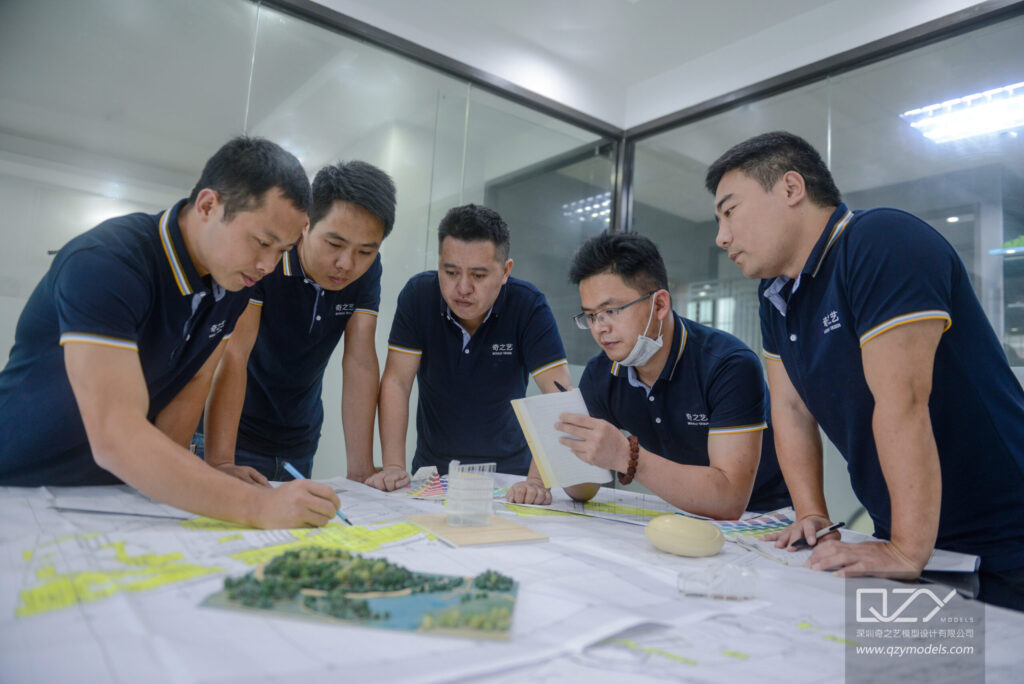
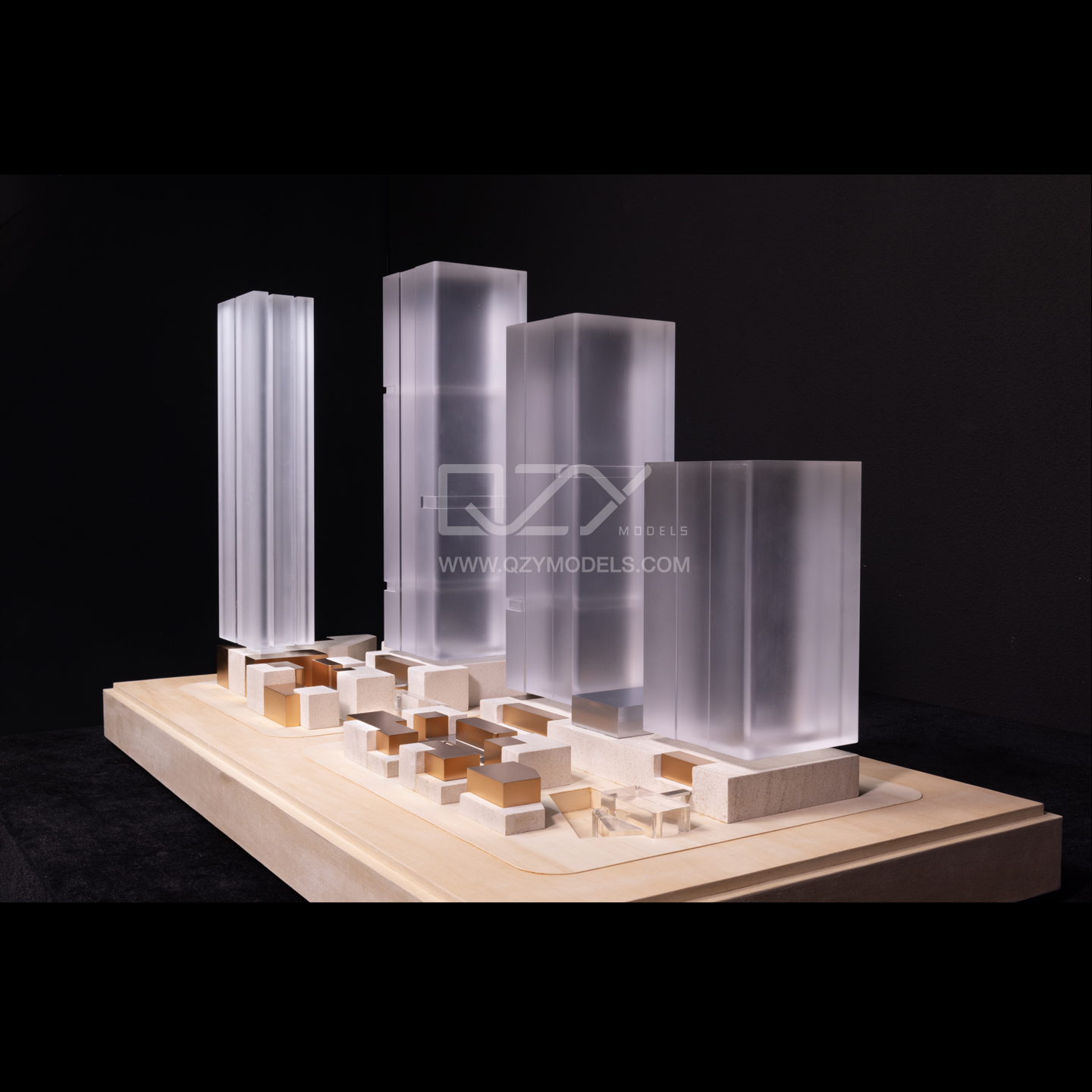
QZY Models, founded in 2013 in Shenzhen, China, is a leading professional team specializing in high-quality architectural and industrial physical models. With over two decades of expertise under founder Richie Ren, and partnerships with firms like Foster + Partners, Vanke, and China Resources, QZY serves global markets through branches in the UAE, Saudi Arabia, and Egypt. The company exemplifies precision, artistry, and innovation, helping architects turn their digital 3D renderings into tangible masterpieces showcased across exhibitions, real estate projects, and urban planning programs.
Real-World Applications and Measurable ROI
Developers use 3D architectural visualization to secure funding through persuasive presentations. A detailed 3D model can reduce design errors by up to 40%, cutting costs during construction. Urban planners rely on large-scale renders to evaluate infrastructure integration, pedestrian mobility, and environmental impact. Interior designers harness virtual staging to test furniture layouts and color palettes before implementation. The result is faster decision-making, improved investor confidence, and enhanced stakeholder collaboration.
Comparative Overview of Leading Rendering Solutions
| Platform | Key Advantage | Rating | Primary Use Case |
|---|---|---|---|
| Unreal Engine | Real-time photorealism | 9.7/10 | Interactive walkthroughs |
| Lumion | Fast animation rendering | 9.5/10 | Concept visualization |
| Enscape | BIM integration | 9.3/10 | Quick design reviews |
| 3ds Max + V-Ray | Ultra-detail control | 9.2/10 | Professional marketing visuals |
Each platform serves distinct roles depending on the project’s goals, whether immersive client experiences or technical visualization for permits and design validation. Choosing the right toolset allows teams to balance speed, realism, and creative flexibility.
Sustainable Design and Virtual Prototyping
Sustainability is now a non-negotiable component of modern architecture, and 3D render modeling accelerates eco-conscious innovation. Virtual prototypes help architects test natural ventilation, solar gain, and daylight efficiency under simulated conditions. Digital twins replicate building performance in real time, reducing waste and ensuring designs align with green certifications. By integrating environmental data into 3D modeling, designers ensure every structure harmonizes with its surroundings, reducing carbon footprints while heightening user comfort.
Emerging Future Trends in Architectural 3D Visualization
AI-assisted design, VR/AR integration, and metaverse environments are the next evolutionary stages of architectural visualization. Clients will soon explore their projects through fully immersive VR environments, making changes on the fly with real-time rendering updates. Photogrammetry and procedural generation will further automate modeling processes, enabling rapid concept development. As remote collaboration becomes standard, cloud-based ecosystems will unify architects, developers, and engineers into seamless digital workspaces.
FAQs About Architectural 3D Render Models
What exactly are architectural 3D render models?
They are digital visualizations of buildings that realistically depict materials, lighting, and spatial design before construction begins.
Why are 3D renders important in architecture?
They enable better communication between architects, clients, and contractors, reducing misunderstandings and costly revisions.
Can 3D rendering help with project approvals?
Yes, realistic visualizations often accelerate permits and investor buy-ins by showing clear design intent and environmental impact.
Are 3D models only for large projects?
No. Even small firms use rendering for residential, retail, and interior design projects to enhance presentation quality and accuracy.
Strategic Call to Action
Architectural 3D render models redefine collaboration, reduce risk, and maximize client satisfaction in modern building design. Architects, developers, and planners who embrace these tools elevate creativity and precision with every project. Embracing advanced rendering technologies today ensures your future designs stand out as immersive, efficient, and sustainable landmarks for generations to come.