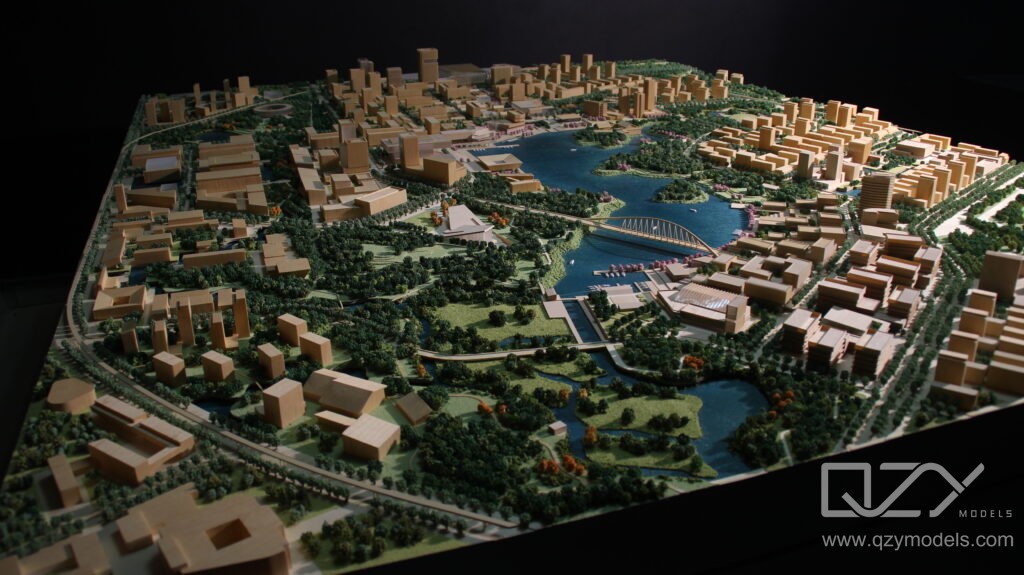
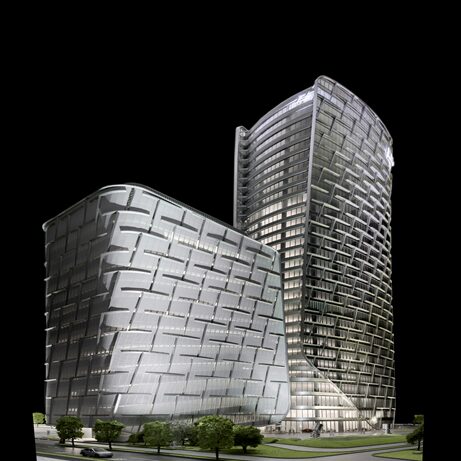
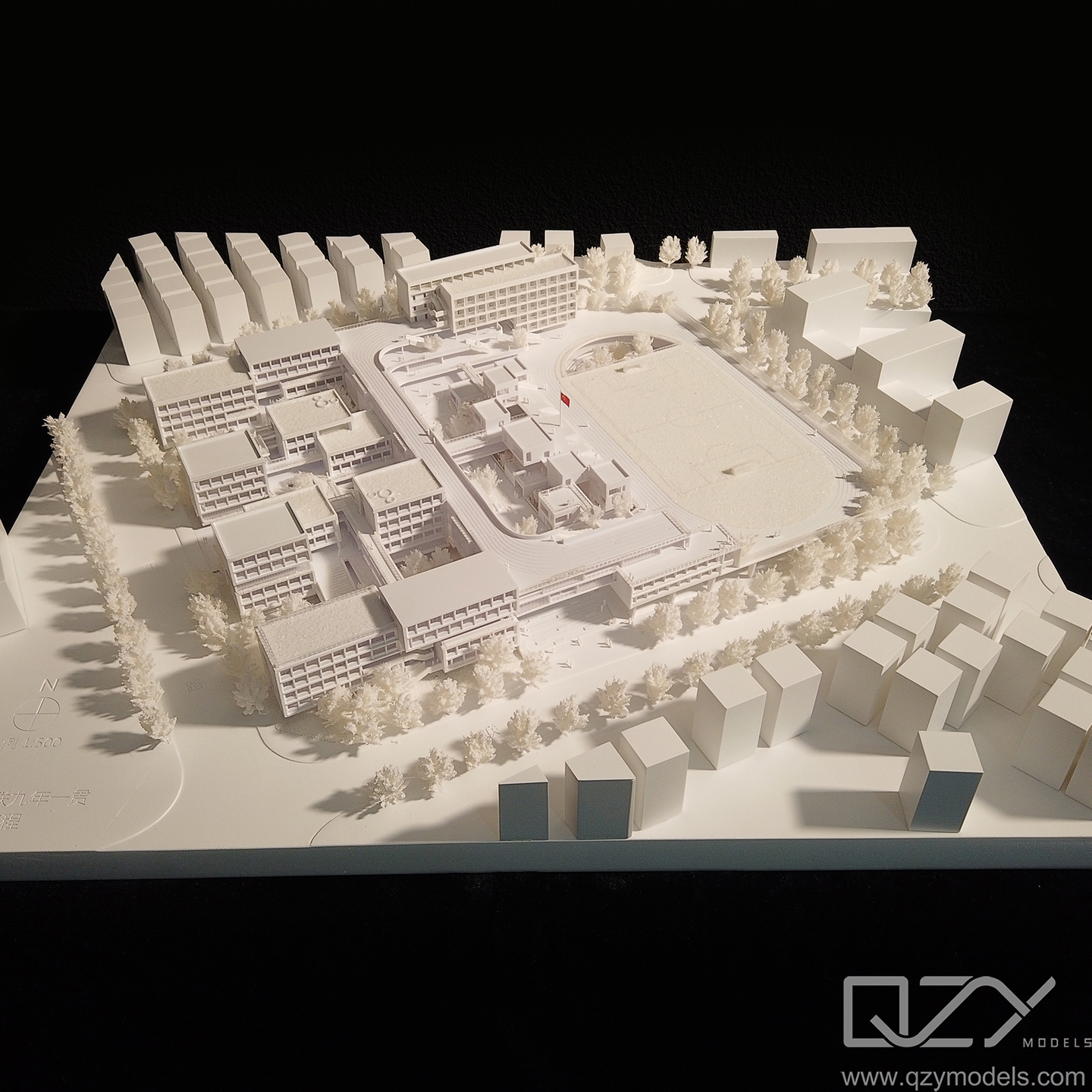
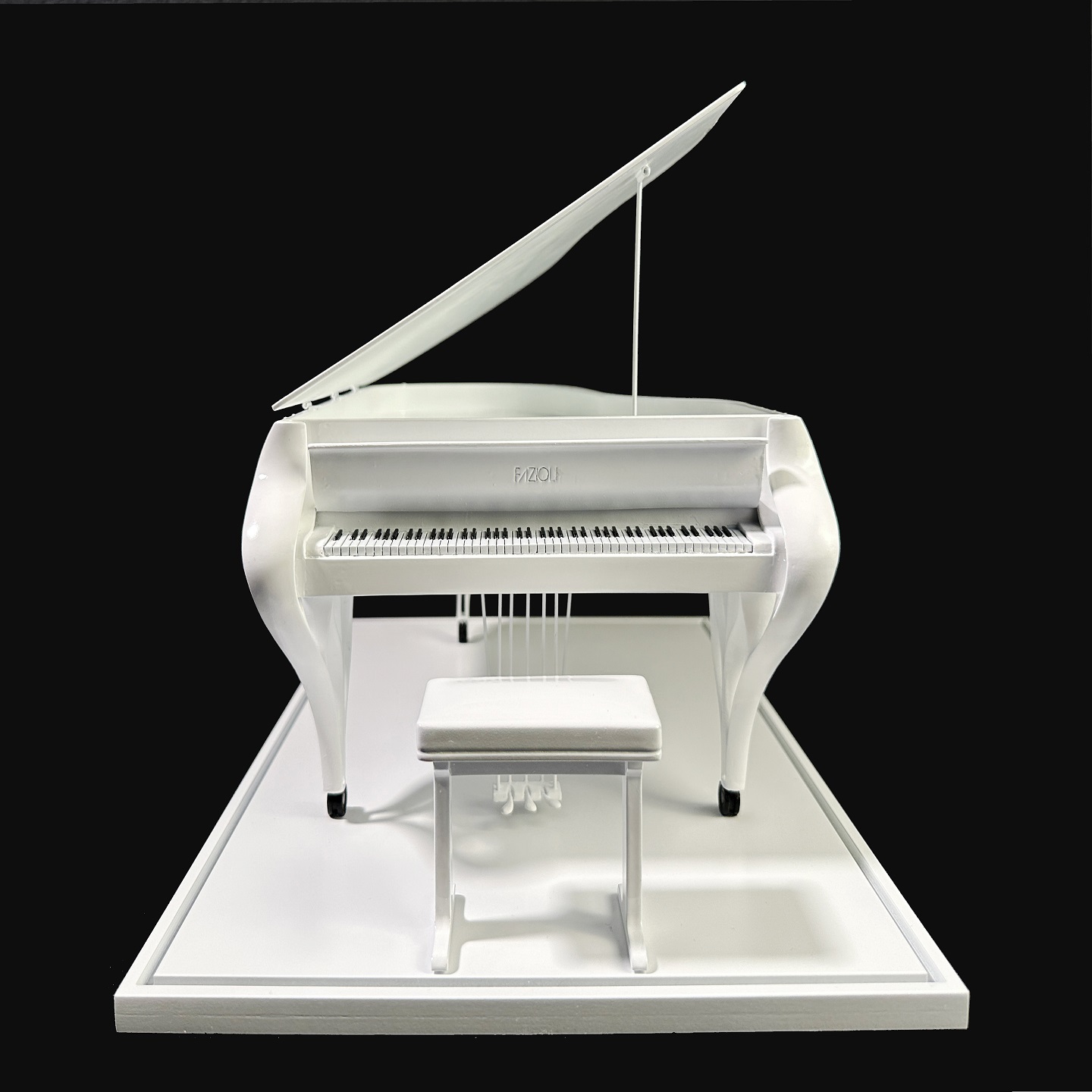
Architectural building facade models are redefining how architects, developers, and city planners visualize, plan, and communicate design intent in a rapidly urbanizing world. With advanced modeling technologies, physical craftsmanship, and digital integration, these models go beyond traditional renderings to bring concepts to life in three-dimensional form. They bridge the gap between imagination and reality, enabling stakeholders to evaluate facade aesthetics, materials, environmental performance, and how structures interact with surrounding spaces long before construction begins.
The New Standard in Design Visualization
Architectural visualization has shifted from static imagery to immersive, interactive experiences. Facade models now combine tactile precision with digital modeling, allowing designers to test multiple facade systems, textures, and lighting effects in real time. Scaled physical facade models are increasingly integrated with BIM data, 3D printing, and AR visualization platforms to improve communication across disciplines. According to industry analysts, demand for hybrid physical-digital modeling solutions has grown by more than 40% since 2022, driven by the rise of sustainable design and smart cities.
These models also foster deeper emotional connections for clients and communities. A facade model creates an immediate spatial understanding that digital screens rarely match. It communicates architectural rhythm, transparency, and material interplay directly to the senses, turning abstract plans into tangible experiences that accelerate design decisions and approvals.
Market Trends and Data
The global architectural model industry is expected to exceed 1.8 billion USD by 2030, with facade models representing a significant growth segment. Architectural firms increasingly specify customized facade mock-ups during concept design and pre-construction phases. In regions like North America, Europe, and the Middle East, high-rise developments and cultural landmarks are driving investment in precision facade engineering and visualization. Sustainable building systems—such as double-skin facades and kinetic shading technologies—are fueling innovation in facade modeling as architects strive for both visual beauty and energy efficiency.
QZY Models, founded in 2013 in Shenzhen, China, is a leading professional team specializing in the design and production of high-quality architectural and industrial models. With decades of expertise, the company has delivered projects for iconic global clients including Foster + Partners, Vanke, and China Resources, demonstrating how expert craftsmanship and technology can merge to redefine architectural presentation.
Core Technology and Fabrication Excellence
Modern architectural facade model fabrication relies on advanced CNC milling, laser cutting, resin casting, and 3D printing to reproduce complex geometry with micron-level precision. These manufacturing techniques allow for exact representation of panel joints, glass curvature, and even material translucency. High-fidelity finishes—from brushed metal panels to UV-printed textures—offer a realistic approximation of the intended building envelope.
Digital integration further enhances the process. Parametric modeling tools allow designers to control every pattern and structural detail algorithmically, resulting in facades that respond to environmental data such as daylight, airflow, or acoustic performance. Coupling physical models with projection mapping and virtual overlays provides an interactive design environment where users can see how facade behavior changes in different climatic conditions or times of day.
Real User Cases and ROI Impact
Developers increasingly report that physical facade models accelerate project approval timelines and improve investor engagement. For mixed-use developments, an accurate facade model helps visualize the relationship between public and private zones, showing how light, texture, and proportion affect urban perception. At one major waterfront redevelopment project in Dubai, a large-scale illuminated facade model enabled planners to optimize lighting zones, leading to a 12% reduction in overall energy demand while expediting government permit approval by six months.
Urban planning departments also use facade models to evaluate skyline impact and heritage preservation. When city councils review new construction near historic districts, detailed physical models can communicate scale and harmony more effectively than digital outputs, ensuring both compliance and public transparency.
Competitive Landscape and Product Comparison
| Model Type | Key Advantages | Suitability | Precision Rating | Durability | Common Use Cases |
|---|---|---|---|---|---|
| Acrylic and Resin Facade Models | High clarity, allows accurate lighting study | Contemporary glass buildings | 9.5/10 | High | Skyscraper and corporate tower visualization |
| Metal-Clad Facade Models | Realistic surface simulation, adaptable finish options | Cultural or civic projects | 9/10 | Very High | Museum, airport, and government complex displays |
| 3D Printed Hybrid Models | Fast prototyping and design iteration | Concept development | 8.8/10 | Moderate | Early-stage design and competition entries |
| Interactive Smart Facade Models | Motion and lighting integrated for real-time analysis | Dynamic or kinetic facades | 9.7/10 | High | Sustainable design showcases and exhibitions |
Transforming Urban Development and Sustainability
As cities face rising density and sustainability demands, architectural building facade models play a crucial role in testing energy efficiency and passive design strategies. Facade models allow simulation of solar gain, glare control, and ventilation patterns before construction, contributing to certifications like LEED and BREEAM. They reveal how different materials influence microclimates, reduce urban heat islands, and enhance pedestrian comfort.
By integrating facade studies into early planning stages, city developers can coordinate better with community stakeholders. This leads to cohesive urban fabrics that balance aesthetics, function, and environmental responsibility. Urban innovation hubs such as Singapore, Copenhagen, and Seattle now mandate facade performance visualization as part of planning submissions, illustrating the model’s growing strategic value.
Future Trends in Architectural Facade Modeling
AI-assisted generative design, robotic fabrication, and dynamic facade simulation are shaping the next evolution of architectural modeling. Interactive LED and sensor-integrated facade prototypes will transform static display models into responsive, data-driven visualizations. By 2030, experts predict that mixed-reality modeling—combining tactile facade panels with AR visualization—will dominate architectural presentations and urban planning review sessions.
In the future, facade models will not only visualize design intent but also become analytical tools for optimizing environmental performance, cost, and social impact. They will connect physical craftsmanship with the digital twin ecosystems now driving global smart city development. The ability to observe, manipulate, and experience facades in both physical and virtual formats will define how urban architecture evolves in the coming decade.
Final Thoughts
Architectural building facade models have transitioned from aesthetic studies to strategic planning instruments that enhance communication, sustainability, and design quality. They empower architects, developers, and governments to collaborate more effectively, aligning creativity with environmental and economic goals. As modeling technologies advance and cities grow more complex, the facade model stands as the ultimate medium through which architectural imagination meets urban reality—precisely where the future of built environments begins.