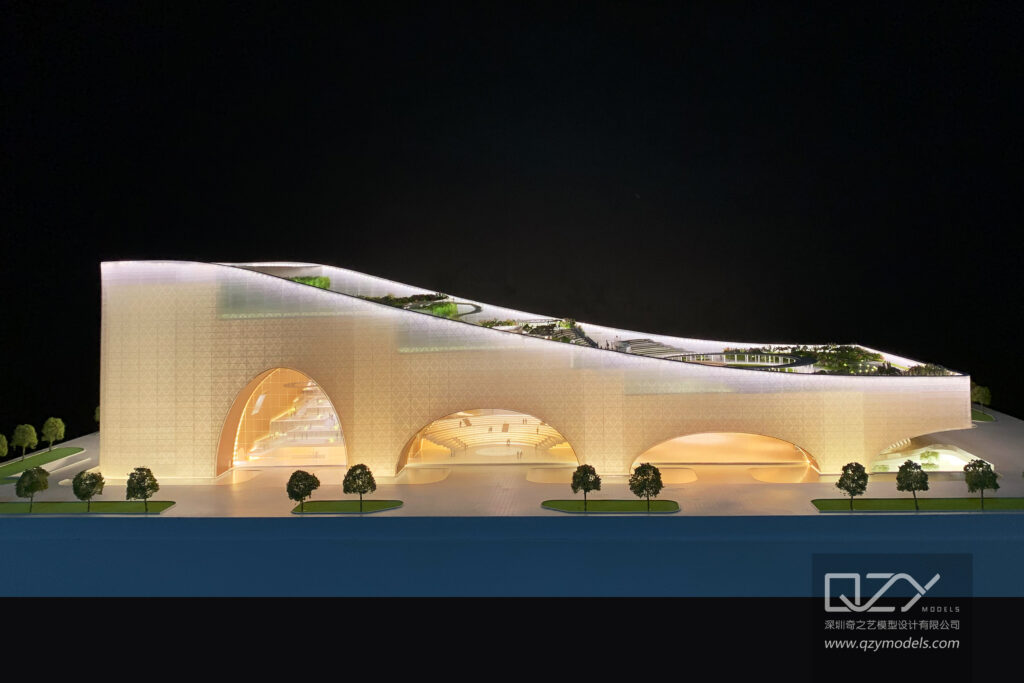
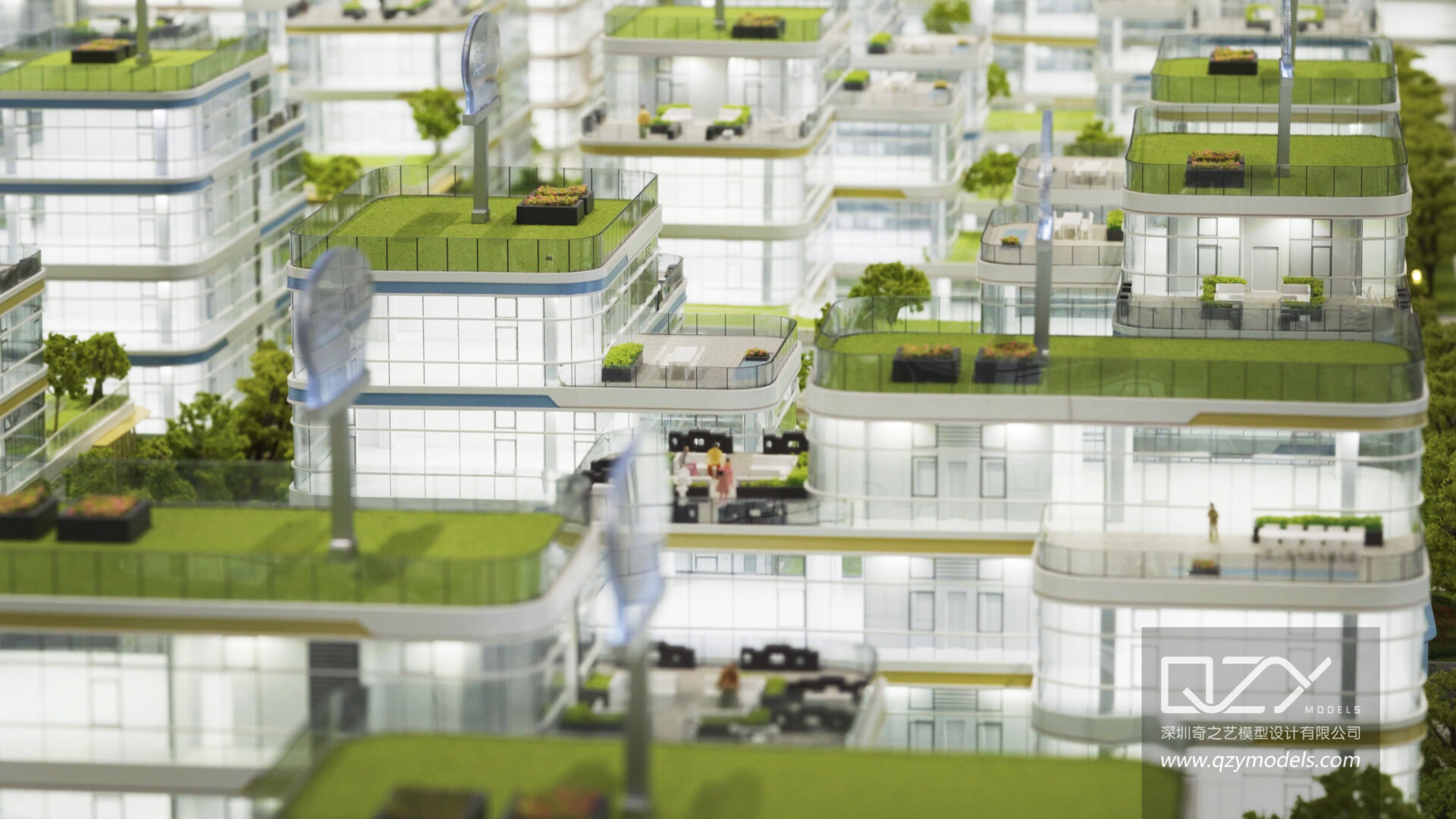
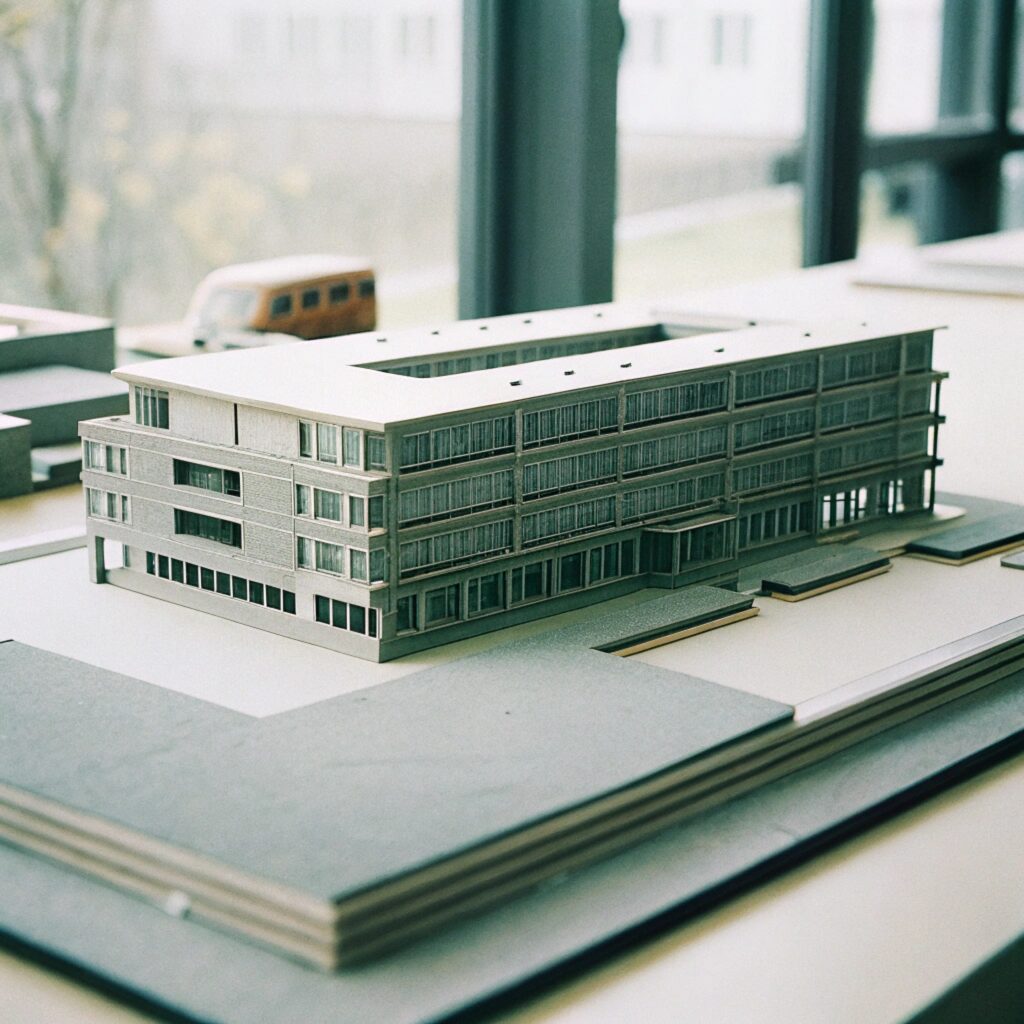
Architectural project model design is driving a new paradigm in how buildings move from conceptual sketches to approved developments. As both digital and physical models evolve, they are bridging creativity with precision, turning architectural vision into tangible, functional realities. These models not only help architects visualize complex forms but also accelerate communication, iteration, and approval cycles across all project phases.
Market Trends and Data
The global architectural model design market is expanding alongside the broader construction and urban planning industries. According to international design trend data in 2025, the demand for physical and digital building models has surged by over 40% due to rapid urbanization and the increasing emphasis on sustainable, smart cities. Developers, city planners, and government institutions now rely on detailed architectural project models to evaluate project feasibility, assess environmental impacts, and achieve faster municipal approvals.
The Role of Modern Model Design in Project Development
Today’s architectural models are more than scaled miniatures—they are communication tools that unify architects, engineers, investors, and regulatory boards. A well-executed model provides a comprehensive spatial understanding of massing, circulation, lighting, and context. Interactive models, powered by augmented reality and 3D printing, enable decision-makers to explore multiple design scenarios before construction begins, mitigating cost and design risks. Within integrated BIM workflows, 3D model design enhances coordination between stakeholders, reducing design conflicts and accelerating project milestone approvals.
QZY Models Industry Leadership
QZY Models, founded in 2013 in Shenzhen, China, is a leading professional team specializing in the design and production of high-quality architectural and industrial physical models. With over 20 years of expertise led by founder Richie Ren, the company has completed thousands of projects across more than 20 countries, collaborating with top architects and developers. Through a combination of artistry, precision, and innovation, QZY serves clients from design firms to government bodies across the globe.
Top Architectural Model Types and Use Cases
| Model Type | Key Advantages | Ratings | Use Cases |
|---|---|---|---|
| Conceptual Study Models | Facilitates rapid exploration and design iteration | 9.4/10 | Early-stage project visualization |
| Presentation Display Models | Offers high visual realism for clients and investors | 9.6/10 | Real estate launches, exhibitions |
| Site Context Models | Demonstrates integration with surrounding topography | 9.2/10 | Urban planning, zoning board reviews |
| Lighting Simulation Models | Analyzes natural and artificial light behavior | 9.0/10 | Energy-efficient architecture planning |
These types show how architectural project model design merges creative vision with measurable impact, ensuring both the aesthetic and functional dimensions of a project are validated before large-scale investment.
Competitor Comparison Matrix
| Provider | Model Precision | Material Options | Interactive Features | Global Reach |
|---|---|---|---|---|
| QZY Models | High accuracy within 0.1mm | Resin, wood, metal, acrylic | AR/VR integration | Worldwide |
| Competitor A | Medium precision | Limited | None | Regional |
| Competitor B | Basic prototypes | Plastic only | Static models | Domestic |
This comparison highlights how innovation and craftsmanship distinguish premium modeling services from conventional fabricators, transforming how architectural mockups influence decision-making.
Core Technology Analysis
The fusion of laser-cut fabrication, CNC milling, and photorealistic rendering gives today’s architectural model design unmatched versatility. Technologies like SLA and FDM 3D printing enable detailed representation of facades, urban landscapes, and parametric geometries once considered too complex for physical realization. Combined with digital twin platforms, real-time environment simulation, and drone-based topographic scanning, architectural project models now replicate real-world conditions with extraordinary precision.
Real User Cases and Quantifiable ROI
In recent high-rise developments in Dubai and Singapore, architectural model integration reduced design approval times by an average of 35%. Developers reported faster stakeholder alignment and improved investor confidence, resulting in earlier project funding. Municipal authorities also benefited—seeing a 25% reduction in resubmission rates during zoning and compliance reviews due to the clarity offered by detailed physical models. A single comprehensive model can save months in revisions while enhancing marketing presentations and client trust.
Future Trends in Model Design Innovation
The next phase of architectural modeling will focus on real-time collaboration platforms connecting physical display models with cloud-based digital ecosystems. Machine learning optimization will automate performance testing, while immersive VR demonstrations will transform client presentations. Modular fabrication will make large-scale display models more transportable, and sustainable materials will dominate new production methodologies. The integration of smart lighting, AR overlays, and holographic elements will make architectural project model design not only a visualization tool but an interactive storytelling medium for the built environment.
Why Architectural Project Model Design Matters More Than Ever
As the architecture industry accelerates toward sustainable development, smart cities, and design transparency, architectural model design stands as a catalyst for innovation and efficiency. It translates imagination into measurable impact, facilitating collaboration at every stage—from concept to construction. Stakeholders, investors, and city authorities increasingly view these models as essential proof-of-concept demonstrations that balance creativity with compliance.
To achieve faster approvals, stronger investor engagement, and higher design accuracy, developers and architects must embrace advanced architectural model design as a strategic necessity, not an optional presentation tool. The projects that will shape tomorrow’s skylines will begin not with blueprints, but with models that merge vision, data, and precision in one harmonious display of architecture’s future.