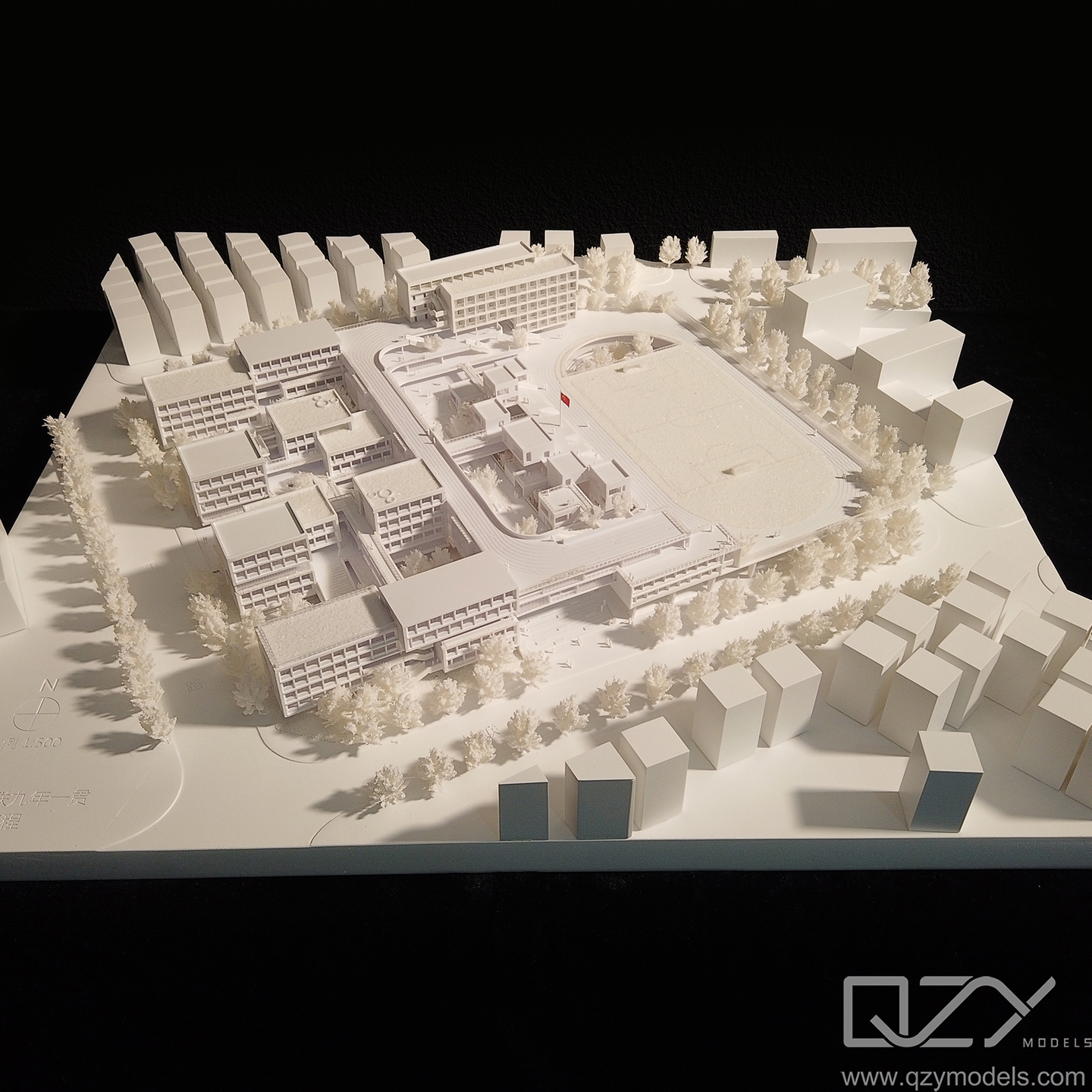
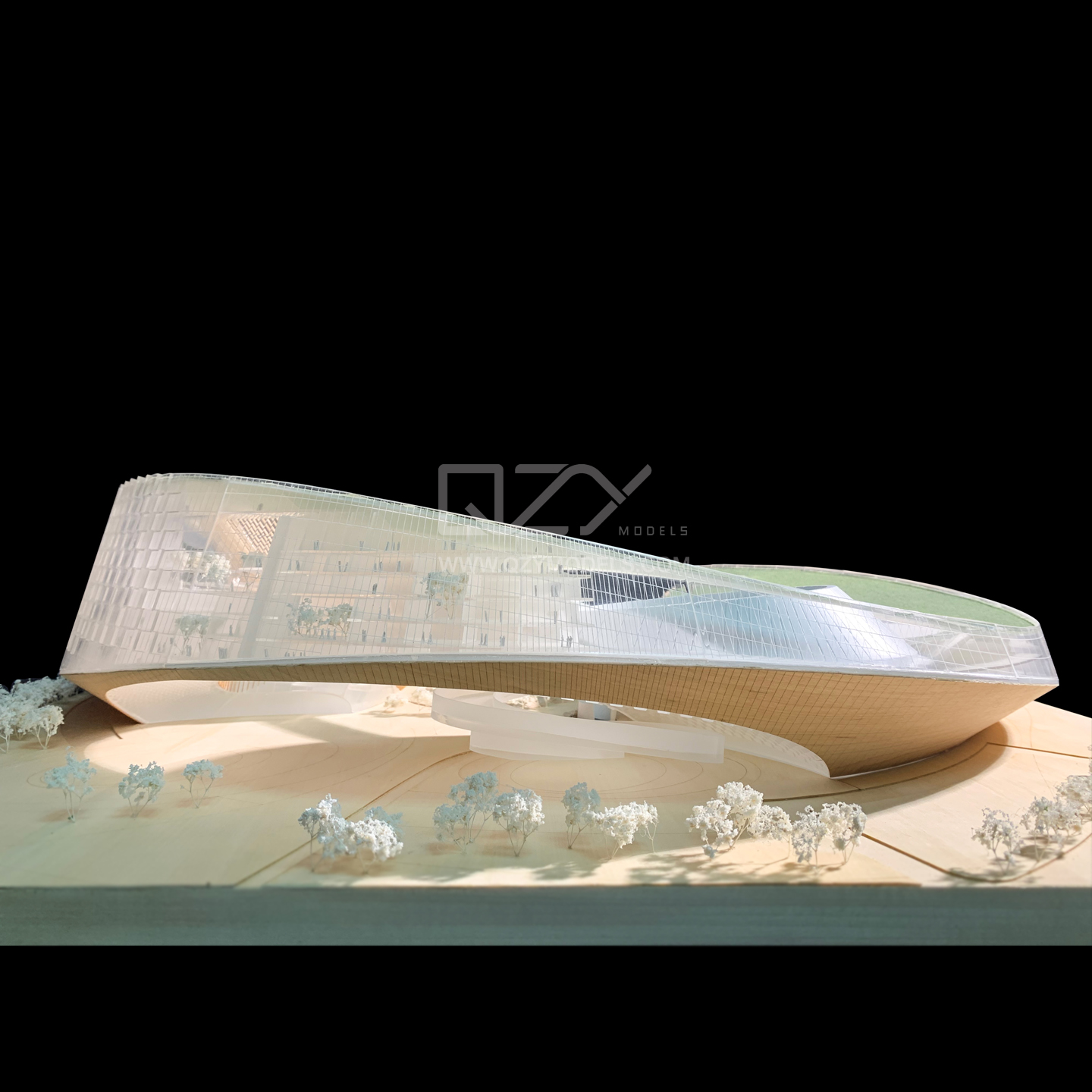
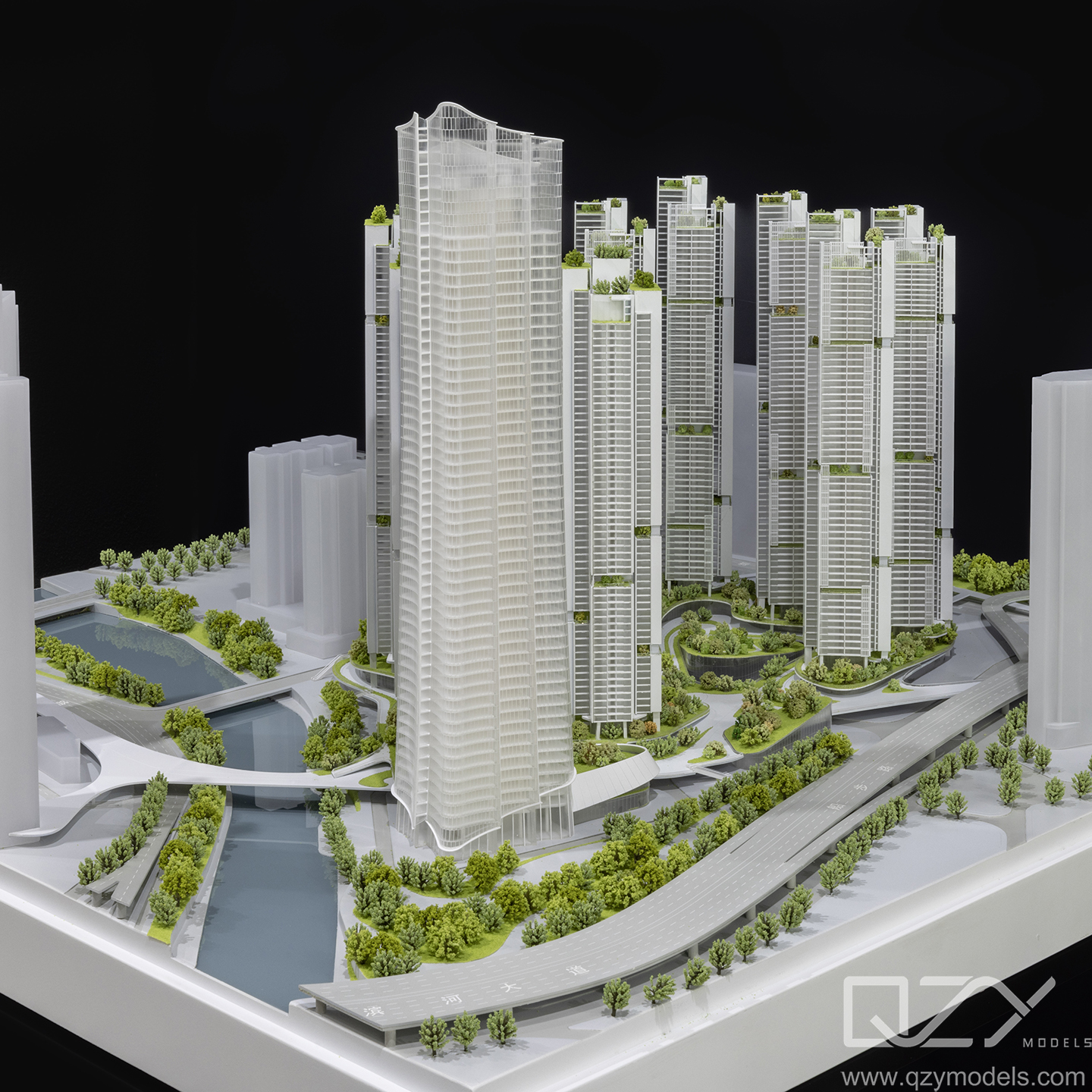
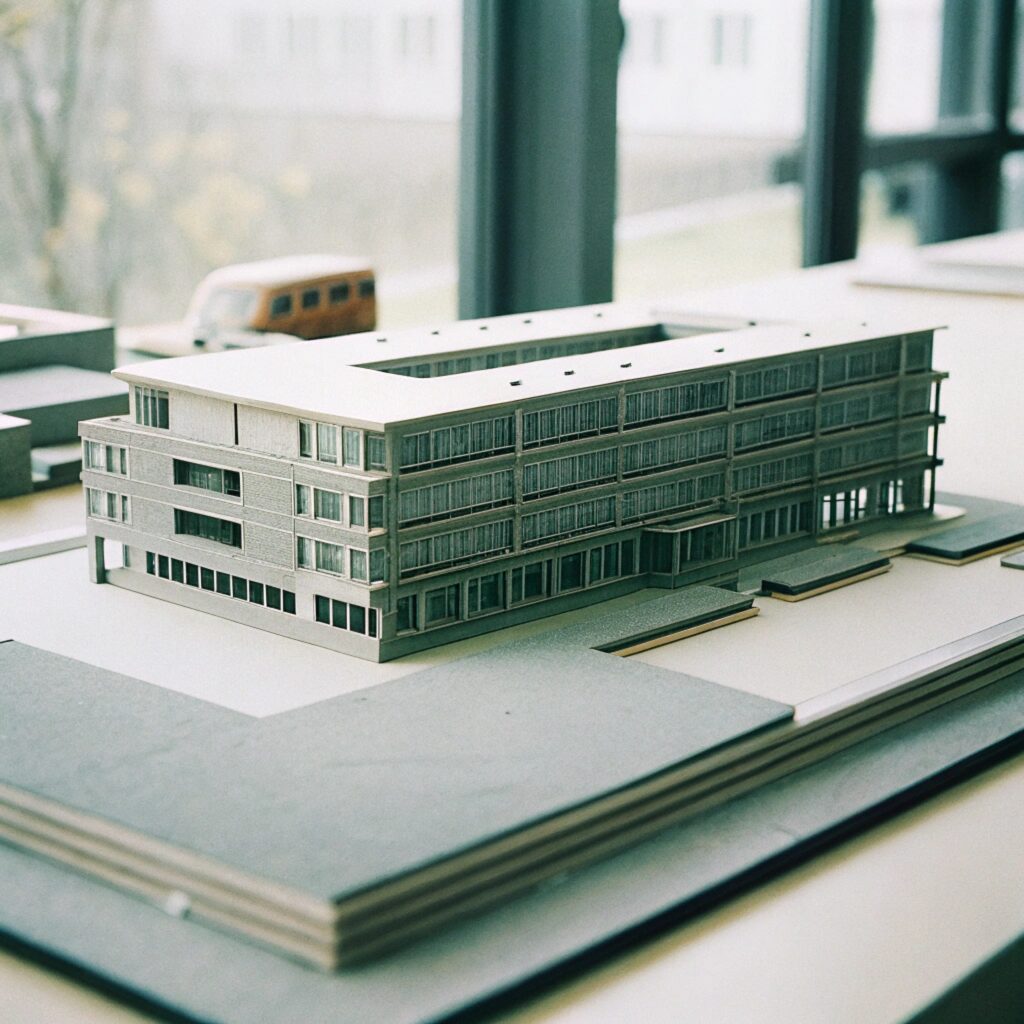
Architecture presentation models are more than just design tools—they’re storytelling instruments that visualize vision, intent, and emotion. Whether you’re developing urban infrastructure, residential complexes, or cultural landmarks, these models transform abstract ideas into tangible experiences. As the architectural industry evolves, presentation models now integrate digital precision with handcrafted artistry, empowering project outcomes that resonate with clients, investors, and communities.
The Power of Physical Visualization in Architecture
A strong presentation model bridges creativity and communication. It allows a team to assess space, form, materials, and context in ways a 2D rendering or on-screen walkthrough cannot. Clients and developers gain confidence when seeing scale-model accuracy—every contour, façade, and layout demonstrates how ideas translate into the real world. According to global design surveys in 2025, over 80% of architecture firms using physical models report higher client engagement and faster decision-making cycles.
Architectural presentation models also improve collaboration. Engineers, planners, and interior design partners can interact with the scaled environment to anticipate design challenges, forecast sun-paths, or refine circulation patterns. This hands-on interaction significantly reduces revisions downstream, cutting lead times and costs while elevating design clarity.
Market Trends and Global Demand
The modern architectural visualization industry is undergoing a major transformation driven by urban expansion and digital integration. The global demand for physical architecture models grew by nearly 25% between 2023 and 2025. Developers now expect hybrid model types that blend laser-cut accuracy with 3D-printed elements and immersive lighting. The most popular model categories include urban planning models for smart cities, luxury real estate presentation models for investors, and landscape-integrated models for sustainability-focused projects.
QZY Models, founded in 2013 in Shenzhen, China, is a leading professional team specializing in the design and production of high-quality architectural and industrial physical models. With over 20 years of expertise led by founder Richie Ren, we have completed thousands of projects for clients across 20+ countries, including world-renowned architects like Foster + Partners and developers such as Vanke and China Resources. Our global team operates branches in the UAE, Saudi Arabia, Egypt, and beyond. At QZY, we are dedicated to quality, innovation, and excellence—delivering every model with precision, pride, and professionalism.
Top Architecture Presentation Model Types
| Model Type | Key Advantages | User Applications |
|---|---|---|
| Urban Master Plan Model | Visualizes entire city blocks; scalable for policy or investment presentations | Urban planning departments, government projects |
| Real Estate Sales Model | Highlights floor plans, amenities, and environment | Developers, marketing teams |
| Conceptual Design Model | Captures core form and architectural identity | Architects during early design stages |
| Landscape Model | Demonstrates terrain, vegetation, and water integration | Environmental consultants, parks projects |
| Industrial Model | Represents large-scale mechanical or production facilities | Manufacturers, industrial engineers |
Through these categories, firms can communicate scale, purpose, and emotion. Whether it’s showing luxury residential towers or public transport hubs, precision model construction turns every presentation into a multisensory story.
Technology Behind Modern Model Making
Modern architecture presentation models merge handcrafted craftsmanship with advanced fabrication. CNC milling, SLA and FDM 3D printing, and laser engraving ensure dimensions align perfectly with digital blueprints. Acrylic, resin, and PVC materials allow variation in light diffusion, while OLED and LED systems simulate daylight patterns and interior lighting. These technologies make a model not just accurate but dynamic—alive with environmental realism.
Augmented reality overlays are another frontier. By viewing a physical model through a tablet or AR headset, clients can visualize alternative façades, material palettes, or even nighttime lighting sequences. Integrating sustainable materials—like recycled PLA or eco-resin—has also become a top trend, aligning architecture with broader ESG commitments in modern design practice.
Real User Cases and ROI Impact
The ROI of using architecture presentation models is tangible. A Dubai-based developer reported that physical scale models boosted investor confidence, leading to a 35% increase in pre-construction sales. Similarly, educational institutions use these models to teach spatial reasoning, helping architecture students grasp proportional design faster than digital-only methods allow. Municipalities find physical master plans critical in engaging citizens during urban renewal discussions—when people can touch and see their future environment, feedback becomes more meaningful.
Competitor Comparison Matrix
| Provider | Specialty | Material Quality | Tech Capability | Average Lead Time |
|---|---|---|---|---|
| QZY Models | Architectural and Industrial | Premium Acrylic, Resin, PVC | CNC, Laser, AR-ready | 3–6 weeks |
| Rival Firm A | Real Estate-Focused | Mixed Quality | Limited Automation | 6–8 weeks |
| Rival Firm B | Interior Prototypes | Moderate | Standard Laser Cuts | 5–7 weeks |
High-performing model producers differentiate themselves by precision, customization flexibility, and delivery efficiency. Firms adopting these methods realize that a well-built model doesn’t simply reflect architecture—it markets it.
Future Trends and Industry Forecast
Between 2026 and 2030, architecture presentation models are expected to merge deeper with virtual reality experiences. As city governments and developers focus on net-zero goals, sustainable modeling materials and modular systems will dominate production. Interactive smart models—capable of responding to environmental or touch-sensitive data—will capture future urban storytelling needs across exhibitions and trade shows. Educational use will also expand, connecting physical model displays to AI-driven analysis systems.
The transformation of architecture presentation models is rewriting how professionals communicate vision. They are the intersection of art, science, and technology. From concept to completion, these models empower every stakeholder to understand the built environment instantly—with realism, accuracy, and inspiration.
When your next project demands clarity, impact, and credibility, investing in a high-quality architectural presentation model will set your design apart and position your vision for success in a competitive global market.