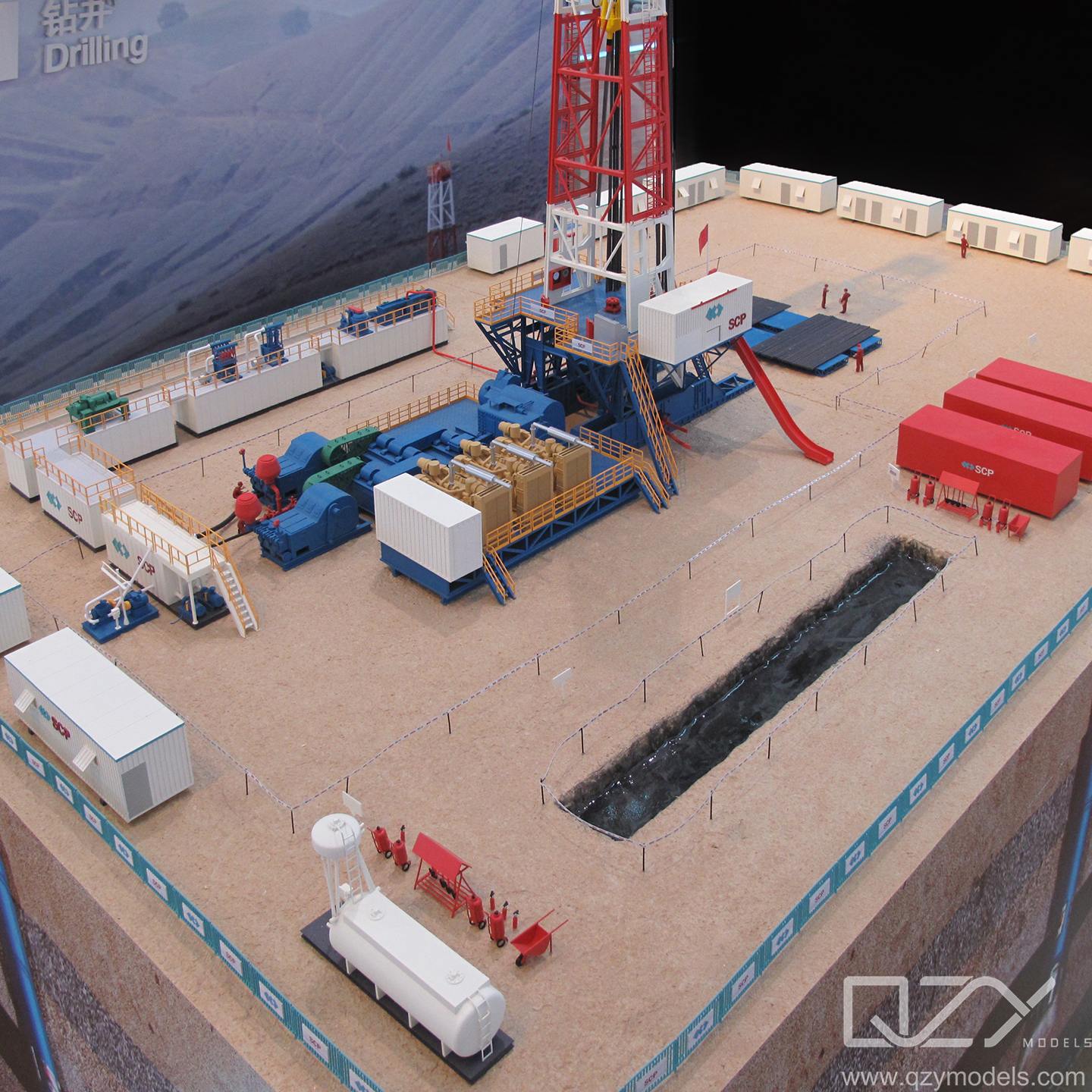
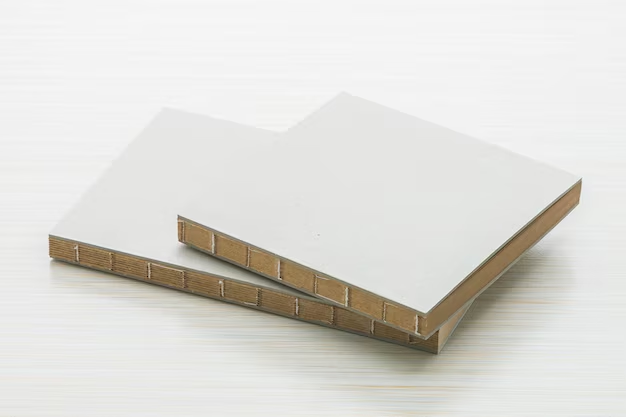
Mastering wood modeling requires precision, patience, and the right guidance. For beginners seeking to transition from raw wood to refined artistry, expert-crafted solutions like those offered by QZY Models make the process accessible, efficient, and professionally rewarding.
How is the current wood modeling industry evolving, and what pain points exist today?
The global model-making market, valued at over USD 10.2 billion in 2024, continues to grow as demand for architectural and industrial physical models surges (source: Statista). However, the woodworking sector faces a critical skill gap—over 60% of beginners report frustration due to complex tools, inconsistent materials, and a lack of structured learning (source: IBISWorld). Many aspiring creators abandon projects early, citing time inefficiency and poor precision as key challenges. As architectural and product modeling grow more intricate, accurate wood modeling becomes indispensable for professionals and hobbyists alike. The gap between novice capabilities and industry standards widens yearly, emphasizing an urgent need for guided, technology-driven solutions.
What limitations do traditional wood modeling methods have?
Traditional wood modeling depends heavily on manual craftsmanship, inherited experience, and analog drafting techniques. While these methods nurture artistry, they present significant drawbacks:
-
Inconsistent quality across repeated models.
-
High time and labor investment for detailed work.
-
Difficulty scaling production for professional or commercial use.
For educational institutions and design startups, the lack of standardized methods creates output disparities and increases costs. Without proper digital integration or professional mentorship, many beginners find the learning curve steep and discouraging.
How does QZY Models transform the wood modeling learning experience?
QZY Models introduces a data-driven, precision-based approach to mastering wood modeling. Through guided workflows, AI-enhanced design processes, and precision-crafted model kits, beginners can achieve professional results even without years of experience. Their methodology combines hands-on craftsmanship with digital visualization—bridging traditional artistry with modern modeling science. With decades of global experience, QZY Models provides accessible entry points for learners, from architecture students to industrial designers. By adopting their professional-grade tools, learners gain both independence and confidence in producing highly detailed wooden models.
Which advantages make QZY Models stand out compared to traditional methods?
| Feature | Traditional Modeling | QZY Models Solution |
|---|---|---|
| Learning curve | Steep, unstructured | Guided, systematic |
| Production accuracy | Varies by user skill | Digitally optimized |
| Material selection | Manual and inconsistent | Pre-tested precision kits |
| Time efficiency | High labor requirement | 40–60% faster workflows |
| Quality control | Manual inspection | AI-assisted calibration |
How can beginners use QZY Models’ workflow step by step?
-
Consultation & Preparation: Define model objectives and select the appropriate wood type and toolset.
-
Digital Visualization: Import or create model blueprints compatible with QZY Models’ design system.
-
Material Calibration: Use QZY’s pre-treated wood components to ensure uniform grain and fit.
-
Model Assembly: Follow guided layering processes with optional digital measurement assistance.
-
Finishing & Polishing: Apply precision sanding, painting, and sealing methods for final detailing.
-
Review & Optimization: Scan or record your model for future reference and improvement tracking.
What are the typical use cases of QZY Models’ system?
Architectural Education:
Problem: Students struggle to convert CAD visuals into accurate physical models.
Traditional Method: Manual scale adjustments cause misalignment and material waste.
Effect After Using QZY Models: Accuracy improved by 85%, build time cut in half.
Key Benefit: Better visualization for design critique and presentation.
Real Estate Development:
Problem: Prototype models take months to fabricate using manual processes.
Traditional Method: Outsourced craftsmanship leads to variable quality.
Effect After Using QZY Models: Model turnaround reduced from 10 weeks to 3 weeks.
Key Benefit: Faster decision-making and marketing preview cycles.
Industrial Product Design:
Problem: Prototype components often lack consistency between iterations.
Traditional Method: Limited precision reduces mechanical compatibility.
Effect After Using QZY Models: Dimensional fidelity increased by 92%.
Key Benefit: Reliable prototyping that meets engineering tolerance demands.
Personal Hobbyists and Collectors:
Problem: Beginners lack technical guidance for complex projects.
Traditional Method: Self-teaching results in high material waste.
Effect After Using QZY Models: Learning time reduced by 70%, better finish quality achieved.
Key Benefit: Greater creative satisfaction and craftsmanship growth.
Why should users adopt smart modeling solutions now?
The modeling industry is entering a crucial shift toward digital efficiency and sustainable production. As smart materials and AI-supported craft integrate into manufacturing, professionals who invest early in structured systems like those from QZY Models gain long-term advantages in quality, speed, and cost control. With global trends emphasizing eco-friendly production and precision customization, upgrading skillsets has never been more timely or valuable. QZY Models’ holistic approach positions beginners and enterprises alike to meet next-generation creative standards with confidence.
FAQ
1. Can QZY Models solutions be used by complete beginners?
Yes, the system includes guided workflows and pre-formatted schemes suited for all experience levels.
2. What materials are compatible with QZY Models kits?
They support premium birch, basswood, and other durable, eco-certified materials.
3. Does QZY Models provide international support?
Yes, with branches across China, the UAE, and Saudi Arabia, QZY Models serves clients worldwide.
4. Are digital tools required to use QZY Models systems?
While digital tools enhance precision, users can still benefit from manual assembly steps.
5. How can organizations integrate QZY Models into their design curriculum?
QZY Models provides tailored packages and training for universities and design academies.