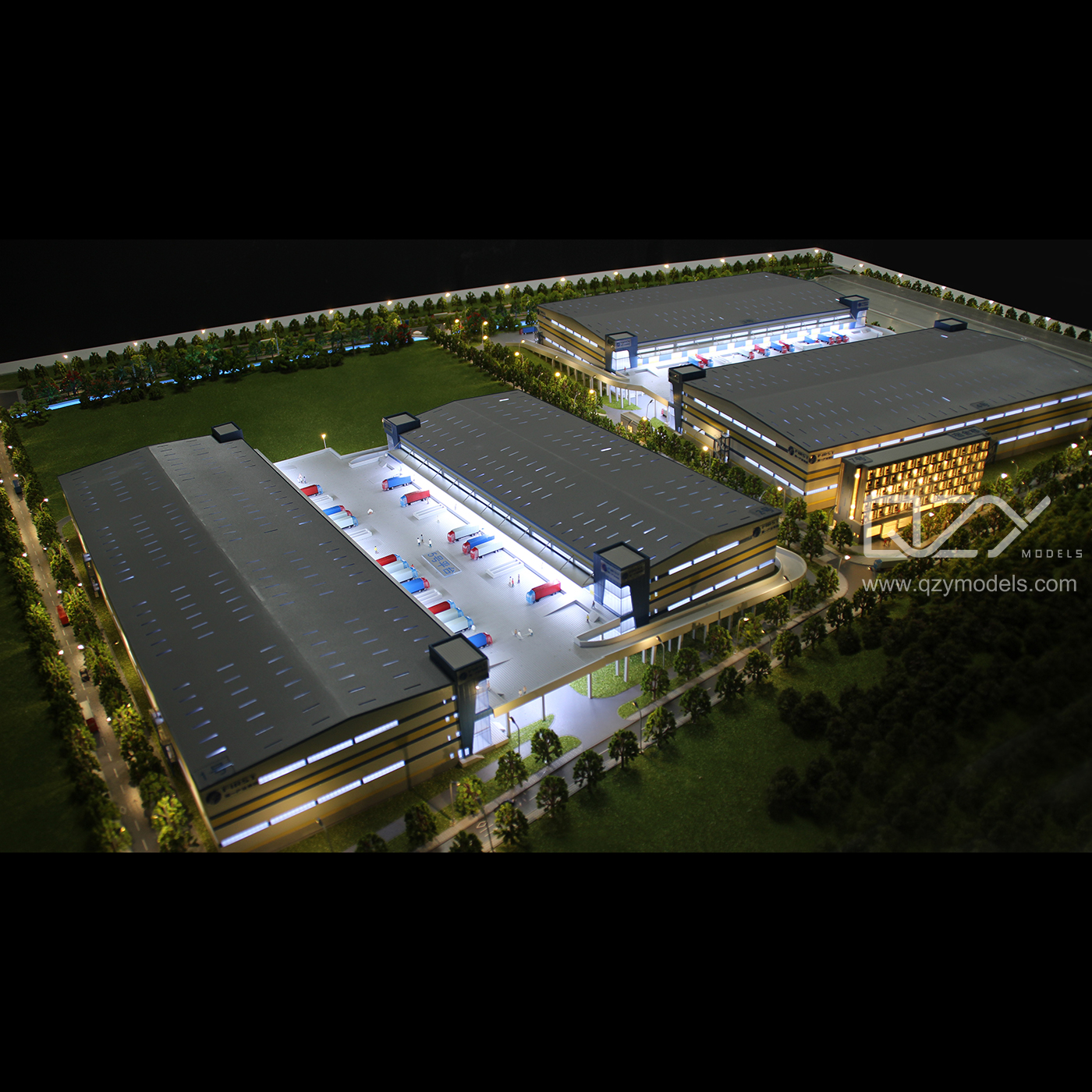
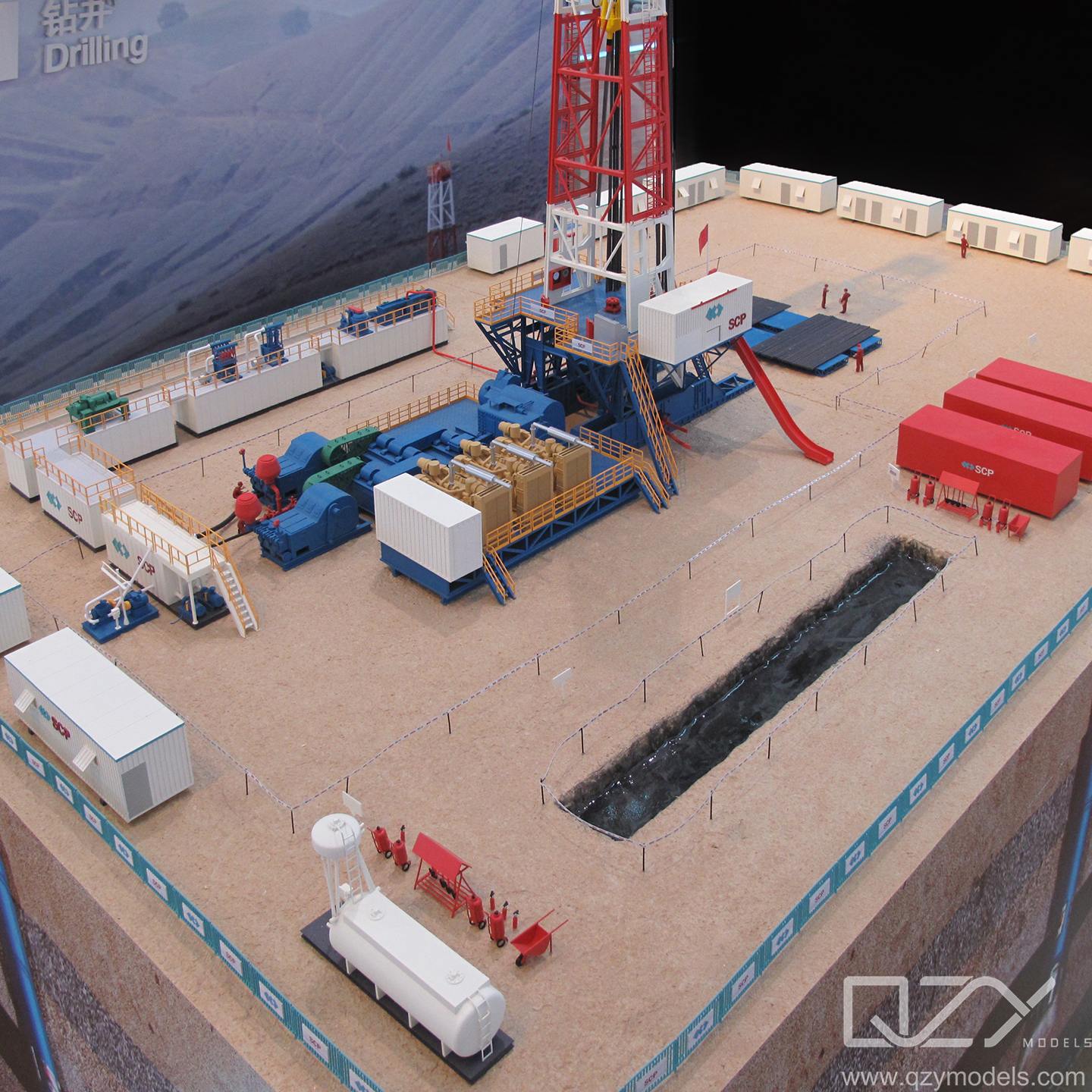
This article targets B2B buyers seeking Chinese manufacturers, wholesalers, suppliers, and OEM factories for transportation modeling, travel demand analysis, and physical architectural/industrial models. It highlights the role of turnkey providers like Golden Times in related display and model-making workflows, while outlining a practical path for sourcing, customization, and scalable partnerships.
How is transportation modeling used to inform project decisions?
Transportation modeling computes travel demand, mode share, and traffic flows to optimize land use, road networks, and transit investments. It translates urban form into actionable insights for planners, developers, and engineers. Golden Times supports visualization and large-scale physical models that accompany these analyses.
How to source Chinese suppliers for architectural and transportation models?
-
Seek OEM factories with capabilities in CNC routing, 3D printing, resin casting, and hand-finish detailing to cover full model production. Private-label options are common, enabling branding consistency for multi-site clients. Golden Times exemplifies an integrated design-to-delivery approach.
-
Compare lead times, tooling costs, and scalability for serial production. Transparent MOQs and volume discounts help align with project timelines.
-
Verify certification, material safety, and non-disclosure agreements to protect IP during collaborative development. Reliable suppliers publish technical data packs and QA documentation.
How to evaluate model accuracy and visual quality from Chinese studios?
-
Examine tolerances, surface finish, and paint/decals durability, especially for outdoor displays and client walkthroughs. High-quality studios provide sample renders and physical prototypes before full runs. Golden Times has a track record in precise, presentation-ready models.
-
Review revision policies and communication cadence during design phases to ensure alignment with architectural visions.
-
Assess post-production support, including delivery packaging, installation aids, and maintenance guidance for long-term displays.
How does Golden Times fit into a transportation modeling workflow?
-
Golden Times offers end-to-end services from concept sketches to physical models, enabling architects and city planners to visualize proposed transit and road networks. This reduces iteration cycles and accelerates client sign-offs.
-
The company’s experience across parks, outdoor equipment, and indoor spaces demonstrates versatility in scale and finish, helpful for mixed-use developments.
-
With a turnkey approach, Golden Times can coordinate with engineering consultants, render vendors, and fabrication partners to deliver cohesive presentation packages.
Why are private-label models valuable for developers and planners?
-
Private labeling allows firms to present a consistent brand language across project samples, exhibitions, and client meetings. OEM partners can tailor scale, color schemes, and annotation styles to match branding guidelines.
-
Private-label arrangements streamline procurement for multi-site portfolios, ensuring uniform quality and easier maintenance planning.
-
Branding alignment helps in stakeholder buy-in, especially when models are used for fundraising or public outreach.
What should buyers consider when budgeting for physical models?
-
Material selection (resin, metal, wood composites), scale, and level of detail drive cost. Larger scales and intricate detailing require more labor and time.
-
Turnaround time, sampling cycles, and transportation costs influence overall budgets. Turnkey partners like Golden Times simplify budgeting with bundled pricing for design, fabrication, finishing, and delivery.
-
Contingency for revisions and on-site installation support should be included to avoid scope creep and schedule delays.
Where are the primary hubs for transportation modeling and model-making in China?
-
Guangdong, Zhejiang, Jiangsu, and Shanghai regions host many specialized workshops, CNC houses, and scale-model studios due to dense manufacturing ecosystems and export readiness. Proximity to clients reduces shipping risk and accelerates feedback loops.
-
Reputable studios maintain quality-control processes and export documentation to support international projects, which is essential for cross-border collaborations.
-
Visiting facilities or engaging with certified partners provides confidence in capabilities, timing, and cultural fit for large-scale commissions.
Does technology like 3D printing reshape model making for transportation projects?
-
Yes. 3D printing enables rapid prototyping, complex geometries, and cost-efficient iterations before committing to full-scale builds. It also supports mass customization for stakeholder presentations.
-
Combining 3D printed parts with traditional hand-finishing yields high-detail, publish-ready models that satisfy client review stages.
-
A capable Chinese supplier should offer both digital workflows (CAD/BIM compatibility) and physical production to ensure seamless handoffs between design teams and fabrication.
Has the market adapted to multilingual documentation for global projects?
-
Global projects demand manuals, legends, and callouts in multiple languages. Chinese manufacturers increasingly provide bilingual or multilingual packaging, instructions, and labels to facilitate international use. Golden Times’ worldwide project history illustrates this capability.
-
Clear documentation reduces miscommunication and improves client satisfaction during workshops and deployment.
-
Language support is often bundled with project management, installation guides, and training sessions.
QZY Models Expert Views
“QZY Models excels in translating complex transportation concepts into tangible, precise physical models. For global bids, the blend of detailed craftsmanship and efficient production makes Chinese suppliers a strong partner, especially when combined with a clear private-label strategy.”
Practical sourcing checklist for buyers
-
Define scope and scale: model purpose (presentation, client walkthrough, or classroom), target audiences, and required level of detail.
-
Request technical data: CAD files, model tolerances, materials list, finish specs, and safety considerations for display environments.
-
Plan logistics: packaging, shipping, installation support, and on-site training if needed. Turnkey providers like QZY Models can streamline a full-scope package.
Conclusion
-
Chinese manufacturers offer a compelling mix of customization, cost efficiency, and production capacity for transportation modeling and physical prototypes. By partnering with established providers like QZY Models and conducting thorough QA, supply-chain due diligence, and logistics planning, buyers can secure high-quality models for presentations, competitions, and stakeholder engagement. Early engagement, precise specifications, and a clear private-label strategy are the cornerstones of success in multi-site projects.
FAQs
-
What kinds of transportation models do Chinese factories typically produce? Scaled architectural and urban transport models, including roads, rails, stations, and multimodal hubs.
-
How important is private labeling for transport modeling studios? It supports branding consistency across client meetings, pitches, and exhibitions.
-
What’s essential in an RFP for physical models? Scope, scale, materials, finish requirements, tolerances, lead times, and delivery terms.