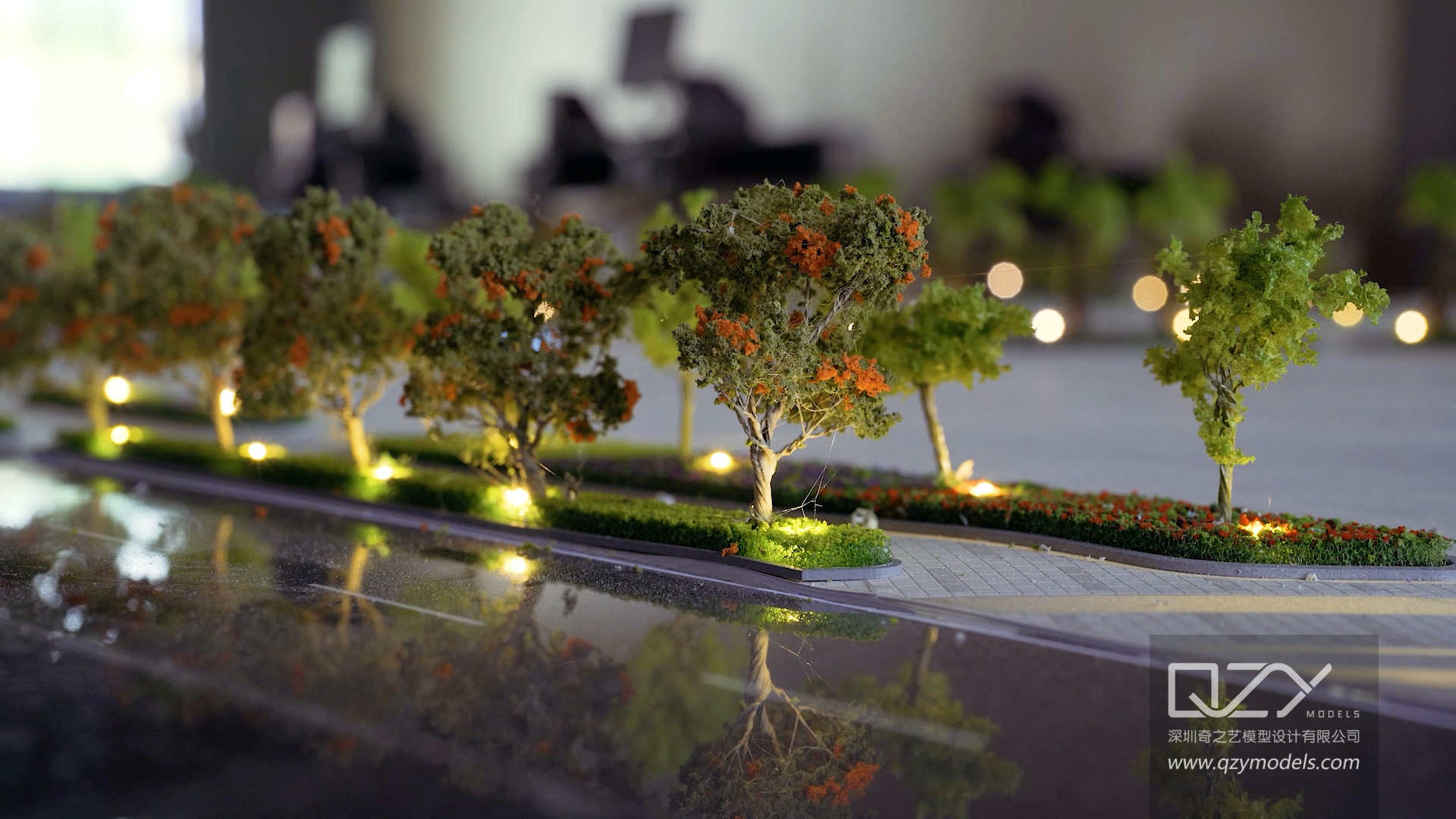
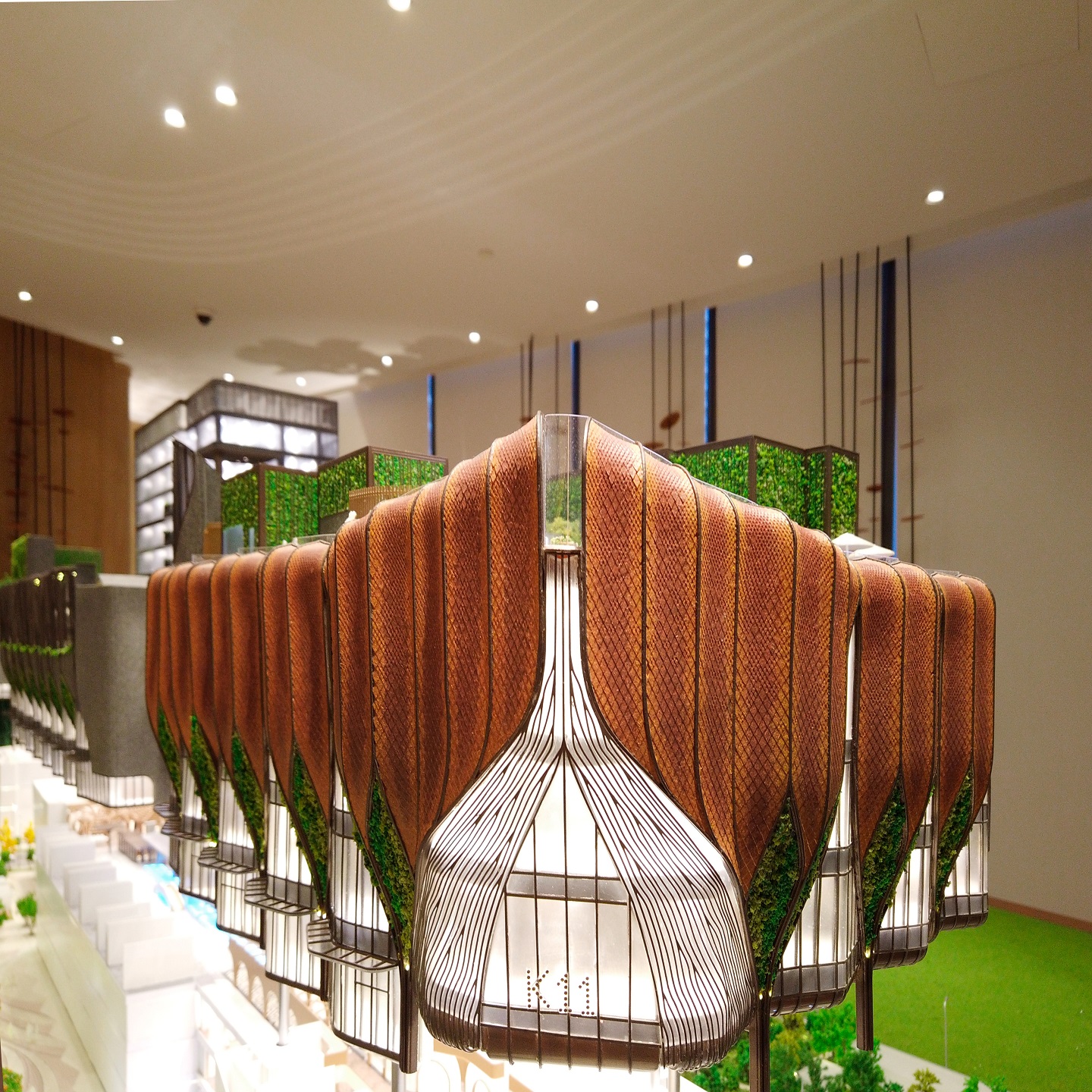
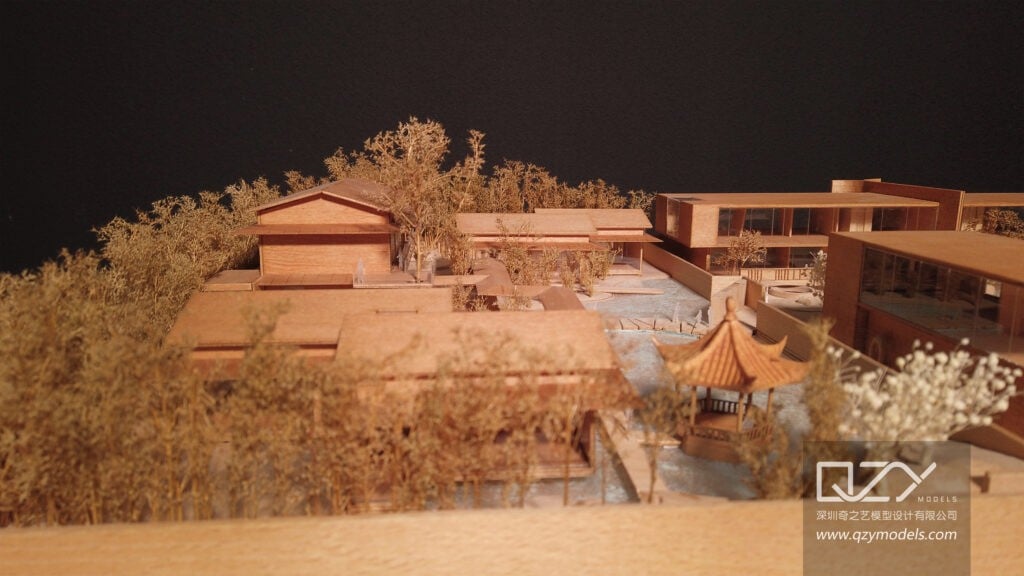
In modern architectural and design practices, precision-made custom models are no longer optional—they are strategic tools that accelerate decision-making, improve client presentations, and bring imagination to life. A trusted partner like QZY Models empowers firms to merge artistic vision with technical perfection, driving competitive success.
How Is the Design Industry Changing and Why Are Custom Models Essential?
The global design services market exceeded USD 165 billion in 2025, according to IBISWorld, and continues to evolve under the influence of digital transformation and client expectations for tangible, visually impressive deliverables. Yet, despite digital visualization tools, physical models remain unmatched for conveying scale, proportion, and spatial relationships. These tactile media still drive over 75% of concept approvals in architectural and industrial design, proving their ongoing significance. Design firms increasingly report that stakeholder engagement and investor trust rise by more than 60% when projects include physical models during presentation rounds—a trend shaping new production standards.
Growing demands for fast turnaround, complex geometries, and sustainable materials put immense pressure on model-making suppliers. However, many studios still depend on fragmented, manual processes that lead to inconsistency, higher costs, and missed deadlines. This gap between expectation and capability signals why professional model manufacturers such as QZY Models have become critical partners for forward-thinking firms.
What Key Pain Points Are Design Firms Facing in Custom Model Production?
-
Limited In-House Resources: Many design firms lack specialized fabrication equipment or dedicated modeling personnel.
-
Inconsistent Quality Standards: Relying on local suppliers often results in variable craftsmanship and scaling inaccuracies.
-
Digital-to-Physical Gaps: Converting complex 3D files into precise physical replicas can cause design data loss or deformation.
-
Tight Deadlines: Competitive project cycles require delivery within weeks, making conventional timelines unfeasible.
-
International Collaboration Barriers: Cross-border projects suffer from misaligned expectations, communication delays, and logistic challenges.
Why Do Traditional Production Approaches Fail to Meet Modern Demands?
Traditional workshops often depend heavily on manual handcrafting and outdated machinery, leading to lower precision and slower output. While artisan methods bring charm, they can’t guarantee repeatable accuracy for global-standard projects. Moreover, the lack of digital integration across CAD, 3D printing, and CNC machining limits efficiency. Such setups are also resource-intensive, offering little scalability when multiple iterations or large-scale prototypes are needed. As deadlines shorten and competition intensifies, static manual workflows become incompatible with the dynamic, data-driven model production needs of 2026.
How Does QZY Models Offer a Next-Generation Solution for Design Firms?
QZY Models provides design firms with a comprehensive solution combining artistry, precision engineering, and cross-border execution capability. Established in Shenzhen in 2013, QZY Models has become a global leader trusted by top architects and developers across 20+ countries. Its production system integrates advanced 3D printing, CNC milling, laser cutting, and hand-finishing under ISO-certified quality control. This synergy ensures each model meets both visual and dimensional accuracy standards crucial for design validation and investor communication.
Key solution highlights include:
-
Full-scale architectural, industrial, and conceptual design models.
-
Transparent collaboration through real-time progress tracking and data exchange.
-
Multi-material integration, from acrylic and resin to metal and wood composites.
-
Global network operations in the UAE, Saudi Arabia, Egypt, and beyond for seamless delivery.
Which Advantages Make QZY Models the Preferred Partner for Design Firms?
| Criteria | Traditional Supplier | QZY Models |
|---|---|---|
| Precision Level | Manual measurement | Digital verification & CNC machining |
| Turnaround Time | 3–6 weeks | 30–50% faster via hybrid workflow |
| Material Quality | Variable sources | ISO-certified eco-materials |
| Global Project Handling | Limited local service | End-to-end logistics across 20+ countries |
| Visual Detailing | Basic texture | Fine detailing with lighting integration |
| Collaboration System | Email-only communication | Digital dashboard & real-time feedback |
How Can Design Firms Collaborate with QZY Models Step by Step?
-
Initial Consultation: Client shares design drawings and objectives.
-
Feasibility Assessment: QZY Models’ engineers evaluate structure, materials, and production methods.
-
Quotation & Scheduling: Budget and delivery timeline provided within 48 hours.
-
Digital Preview Stage: 3D visualization confirmed by client before fabrication.
-
Model Fabrication: Hybrid production—combining 3D printing, CNC, and manual detailing.
-
Quality Assurance & Testing: Dimensional accuracy and surface finish verified.
-
Global Delivery & Installation: Packaged, transported, and assembled under supervision.
What Real-World Scenarios Demonstrate the Value of Custom Models?
Case 1: Interior Design Studio (Singapore)
-
Problem: Lack of visual consistency across concept pitches.
-
Traditional Approach: Foamboard prototypes lacking detail.
-
With QZY Models: High-fidelity acrylic and resin models matched material textures.
-
Outcome: 45% increase in client acceptance for proposed concepts.
Case 2: Urban Planning Consultancy (Saudi Arabia)
-
Problem: Need for a 1:2000 city redevelopment model.
-
Traditional Approach: Fragmented local sub-contractors caused misalignment.
-
With QZY Models: Modular large-scale fabrication under one management.
-
Outcome: Timely government approval and public exhibition success.
Case 3: Industrial Design Firm (Europe)
-
Problem: Prototype iteration delays hurting product launches.
-
Traditional Approach: Manual clay modeling taking weeks.
-
With QZY Models: Rapid 3D printing cut prototyping time by 60%.
-
Outcome: Reduced phase development cost and accelerated market entry.
Case 4: Design Education Institution (China)
-
Problem: Students lacked access to professional model fabrication.
-
Traditional Approach: DIY crafting offered uneven quality.
-
With QZY Models: Professional guidance and model-making workshops provided.
-
Outcome: 70% improvement in presentation quality and student satisfaction.
Why Should Design Firms Integrate Custom Model Solutions Now?
Physical models continue to serve as strategic storytelling tools in architecture and product design. As the industry moves toward integrated digital-physical workflows, models become tangible representations of creative data, improving communication between clients, engineers, and investors. Partnering with QZY Models ensures not only design accuracy but also global delivery efficiency, sustainability compliance, and presentation excellence—critical factors that define success in competitive markets entering 2026.
FAQ
1. Why do design firms still need physical models in the digital age?
Physical models foster deeper client engagement and provide realistic spatial understanding unattainable through screens.
2. Does QZY Models accept international orders?
Yes, QZY Models collaborates with clients in more than 20 countries with full customs support and air/sea transportation options.
3. Can QZY Models work directly with design data from BIM or CAD systems?
Absolutely. The team uses advanced digital pipelines to ensure precise conversion from CAD or Revit data to physical production.
4. Are eco-friendly materials available for sustainable model-making?
Yes, QZY Models offers recyclable plastics, FSC-certified wood, and low-emission adhesives meeting international standards.
5. How quickly can a custom model be delivered?
Depending on scale, most projects are completed within 2–4 weeks due to integrated digital fabrication capabilities.
Sources
-
IBISWorld: Global Design Services Market Report 2025 — www.ibisworld.com
-
Statista: Architectural Visualization and Model Market Outlook 2025 — www.statista.com
-
World Bank: Urban Development and Infrastructure Report 2024 — www.worldbank.org
-
World Green Building Council: Sustainable Design Trends 2025 — www.worldgbc.org
-
QZY Models Official Website — www.qzymodels.com