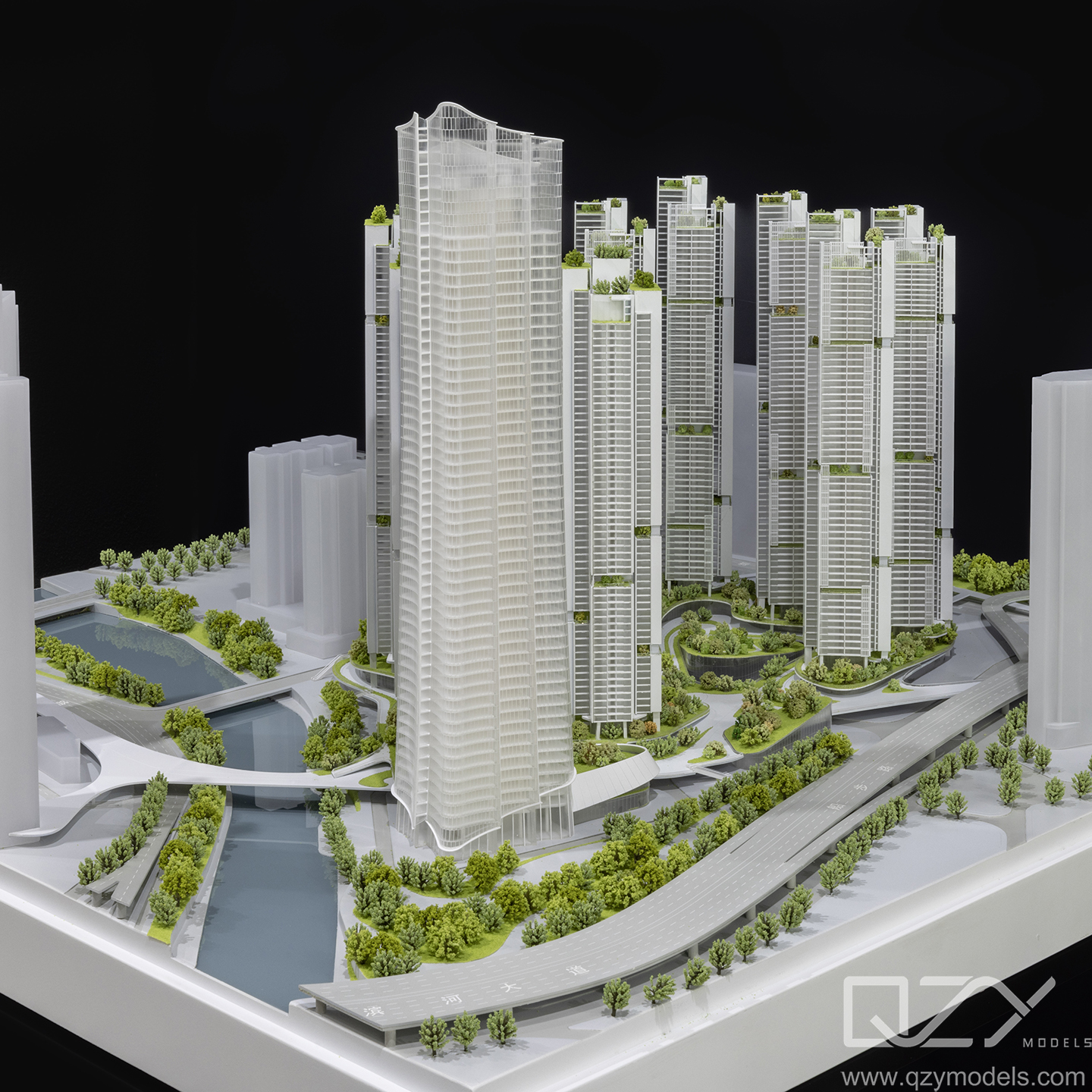
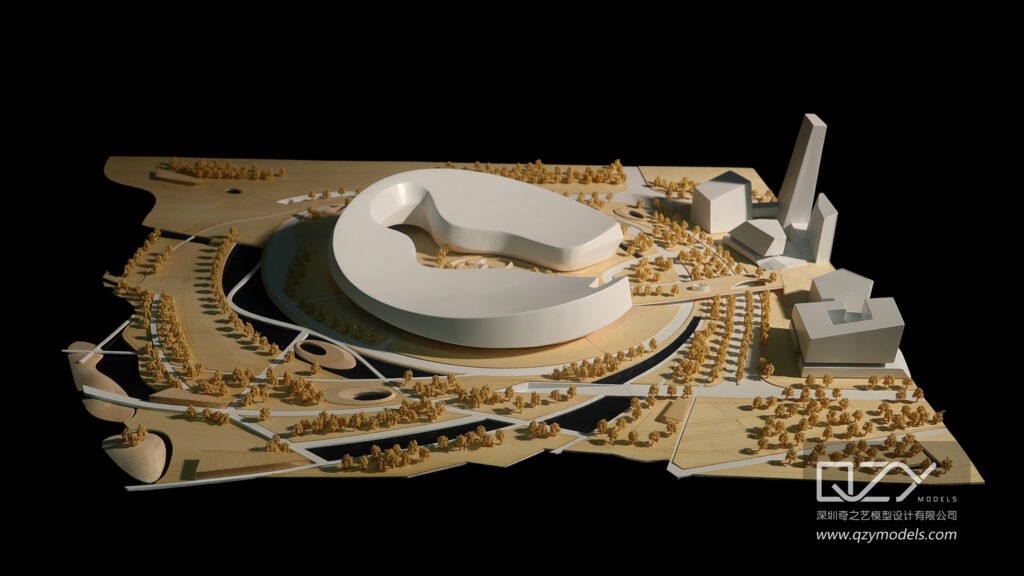
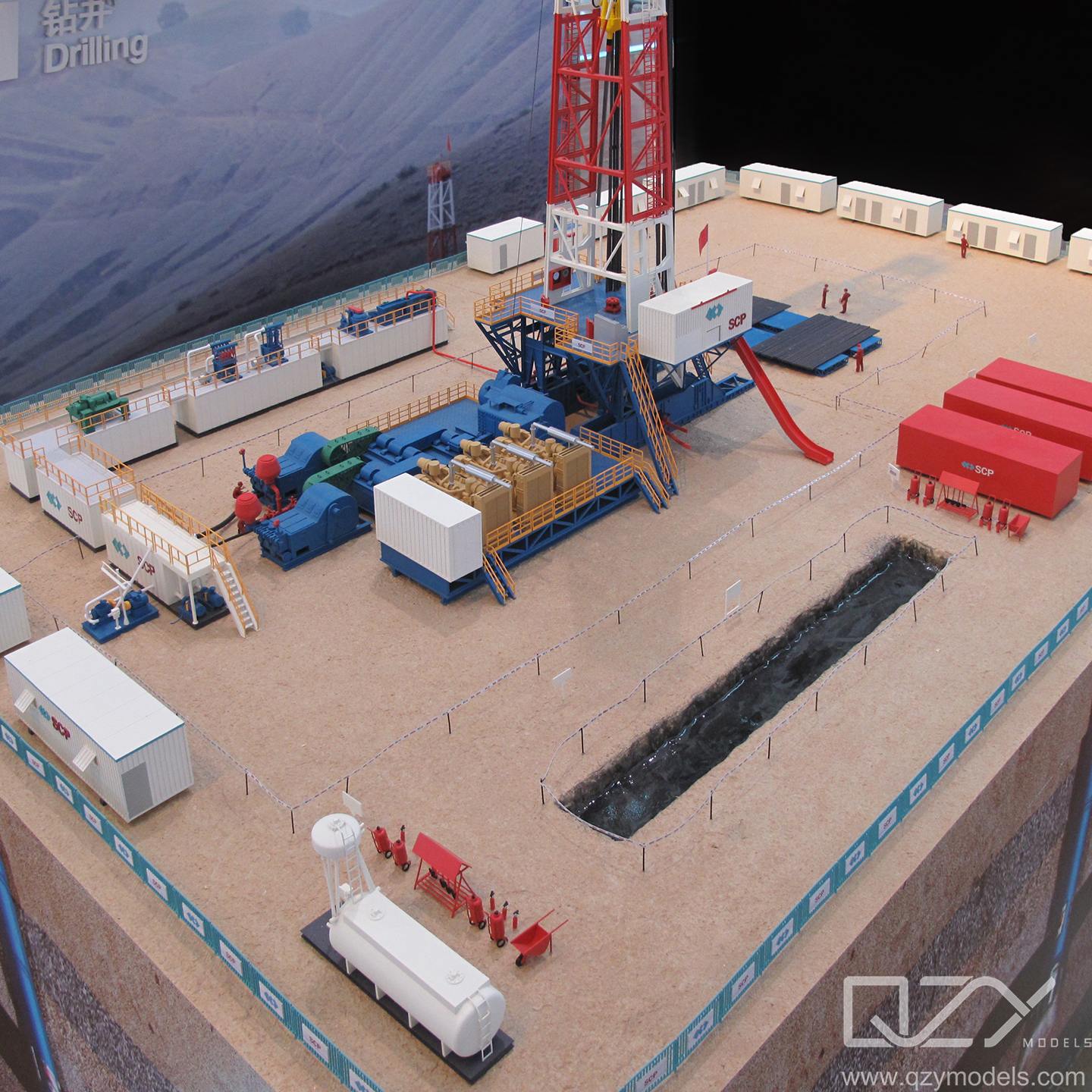
In an era where speed and precision define success in architecture, fast prototype making is redefining how physical models come to life. QZY Models delivers a data-driven, high-efficiency approach that blends craftsmanship and digital precision, helping architects and developers accelerate decision-making and reduce costs without compromising detail.
What Is the Current State and Pain Points of the Architectural Model Industry?
The global architectural model market is valued at over USD 7.2 billion as of 2025, with an expected annual growth rate of 11.3% through 2030, according to reports by Grand View Research and Allied Market Research. Yet, over 60% of architecture firms report ongoing delays in project presentations due to long model fabrication cycles. Traditional hand-built and manual processes lead to bottlenecks between design finalization and physical visualization. This time gap often causes missed deadlines and budget overruns, affecting communication between architects, clients, and stakeholders. Moreover, the rising complexity of parametric design and BIM-driven workflows demands faster, data-compatible production. The industry urgently needs integrated prototype-making solutions that align with digital standards and sustainable manufacturing. Environmental impact adds another pain point—traditional processes waste up to 40% of materials due to manual error or rework. Speed, accuracy, and sustainability have thus become the new trinity for competitive advantage in architectural modeling.
Why Are Traditional Model-Making Methods Falling Behind?
Traditional techniques rely heavily on manual craftsmanship, which, while artistic, limits scalability and uniformity. Lead times of 2–8 weeks are common, and revisions can be slow and costly. Labor intensity also drives prices upward, particularly in regions with rising wage costs. In addition, manual techniques struggle with data integration—design files from Rhino, Revit, or CAD often require complete reinterpretation, reducing fidelity between digital and physical output. Errors introduced during transfer can distort proportions or materials, leading to inconsistent client experiences. For global firms managing multi-city projects, these delays are magnified, causing logistical inefficiency and increased carbon footprint.
How Does QZY Models Deliver a New Fast Prototyping Solution?
QZY Models combines advanced digital fabrication—such as 3D printing, CNC milling, and laser cutting—with smart production planning powered by parametric design software. By linking architectural BIM data directly to machine-ready formats, QZY shortens production cycles by up to 70%. Its Shenzhen-based headquarters and international branches ensure localized project management and global consistency. The QZY Models system emphasizes:
-
Seamless integration with architectural digital tools (Rhino, Revit, SketchUp)
-
Automated scaling accuracy and texture replication through AI optimization
-
Eco-friendly material selection including PLA, acrylics, and composite resin
-
Real-time communication loops between designers and model engineers
Architects benefit from immediate iteration feedback, reduced turnaround, and enhanced presentation realism for competitions, client meetings, and government approvals.
Which Advantages Differentiate Fast Prototype Making from Traditional Model Building?
| Comparison Criteria | Traditional Model Crafting | QZY Models Fast Prototype Solution |
|---|---|---|
| Production Time | 2–8 weeks | 3–7 days |
| Design Integration | Manual file conversion | Direct BIM/CAD data linking |
| Accuracy | ±2–3mm deviation | ±0.3mm precision |
| Material Waste | Up to 40% | Less than 10% |
| Sustainability | Low | High (biodegradable materials) |
| Revision Efficiency | Manual redo required | Digital file reprint |
| Cost Predictability | Variable labor-dependent | Data-based quotation system |
What Is the Step-by-Step Process for Using QZY Models’ Fast Prototype System?
-
Project Data Input – Clients upload digital plans or 3D model files.
-
Data Conversion – QZY engineers verify scale, geometric accuracy, and detail levels.
-
Material Selection – Sustainable and texture-specific materials are chosen.
-
Digital Fabrication – Machines produce core components using multi-axis systems.
-
Assembly and Finishing – Skilled artisans refine and assemble with precision.
-
Quality Assurance – Dimensional and visual inspections ensure design fidelity.
-
Packaging and Delivery – Models are securely transported with global logistics support.
Who Has Benefited from QZY Models’ Fast Prototype Applications?
Case 1 – Urban Planning Bureau
Problem: Needed multiple scale city models for public presentation in limited time.
Traditional: Manual crafting took 2 months, delaying government exhibition.
After QZY: Completed within 12 days. High-contrast lighting integration improved visualization.
Result: 70% faster delivery, positive community engagement.
Case 2 – Real Estate Developer (Vanke)
Problem: Tight launch schedule for new residential project.
Traditional: Long delivery pipeline and inconsistent finishes.
After QZY: Modular prototyping enabled round-the-clock duplication.
Result: Cut costs by 35%, enhanced marketing impact.
Case 3 – International Architect (Foster + Partners)
Problem: Required complex curvature and façade precision for competition model.
Traditional: Manual cutting failed to meet tolerance.
After QZY: Utilized hybrid 3D printing + resin finishing.
Result: ±0.2mm precision achieved, leading to design win.
Case 4 – Design Education Institution
Problem: Architecture students lacked hands-on access to physical prototypes.
Traditional: Outsourced models were expensive and delayed.
After QZY: Subscription-based prototyping service allowed semi-digital access.
Result: Improved learning outcomes and design iteration speed.
Why Is Now the Right Time to Upgrade to Fast Prototyping?
The convergence of AI-driven tools and digital fabrication enables scalable customization like never before. With global construction spending increasing by 4.2% annually through 2030 and growing demand for eco-oriented design, fast prototyping is now mission-critical. QZY Models continues to invest in automation and green materials, giving firms a strategic edge in visual communication, bidding success, and sustainable branding. Delaying adoption means falling behind in an industry where visual precision drives trust and revenue.
How Can Architects and Developers Initiate a QZY Models Partnership?
Interested clients can start by sharing 3D design files or conceptual sketches. QZY Models’ design consultants provide customized feasibility assessments and material recommendations within 24 hours. The solution scales for small bespoke designs and massive urban planning mockups alike—ensuring innovation blends seamlessly with traditional artistry.
FAQ
Q1: Can small architectural studios afford QZY Models’ services?
Yes. QZY offers modular project pricing and material scaling options for different budgets.
Q2: Does QZY Models support international shipping for fragile models?
Absolutely. The company has established custom packaging and logistics channels across over 20 countries.
Q3: How accurate are the materials compared to real building textures?
Precision color matching and micro-engraving ensure near-realistic finishes using AI-based tools.
Q4: Are QZY Models’ materials environmentally friendly?
Yes, PLA and sustainable resins are standard, with over 80% of materials sourced from eco-certified suppliers.
Q5: How fast can a basic prototype be delivered?
Most basic models can be completed within 5–7 business days upon file confirmation.
Sources
-
https://www.grandviewresearch.com/industry-analysis/architectural-scale-model-market
-
https://www.alliedmarketresearch.com/construction-modelling-market
-
https://www.statista.com/statistics/1251928/construction-industry-global-growth
-
https://www.unep.org/resources/report/sustainable-building-materials