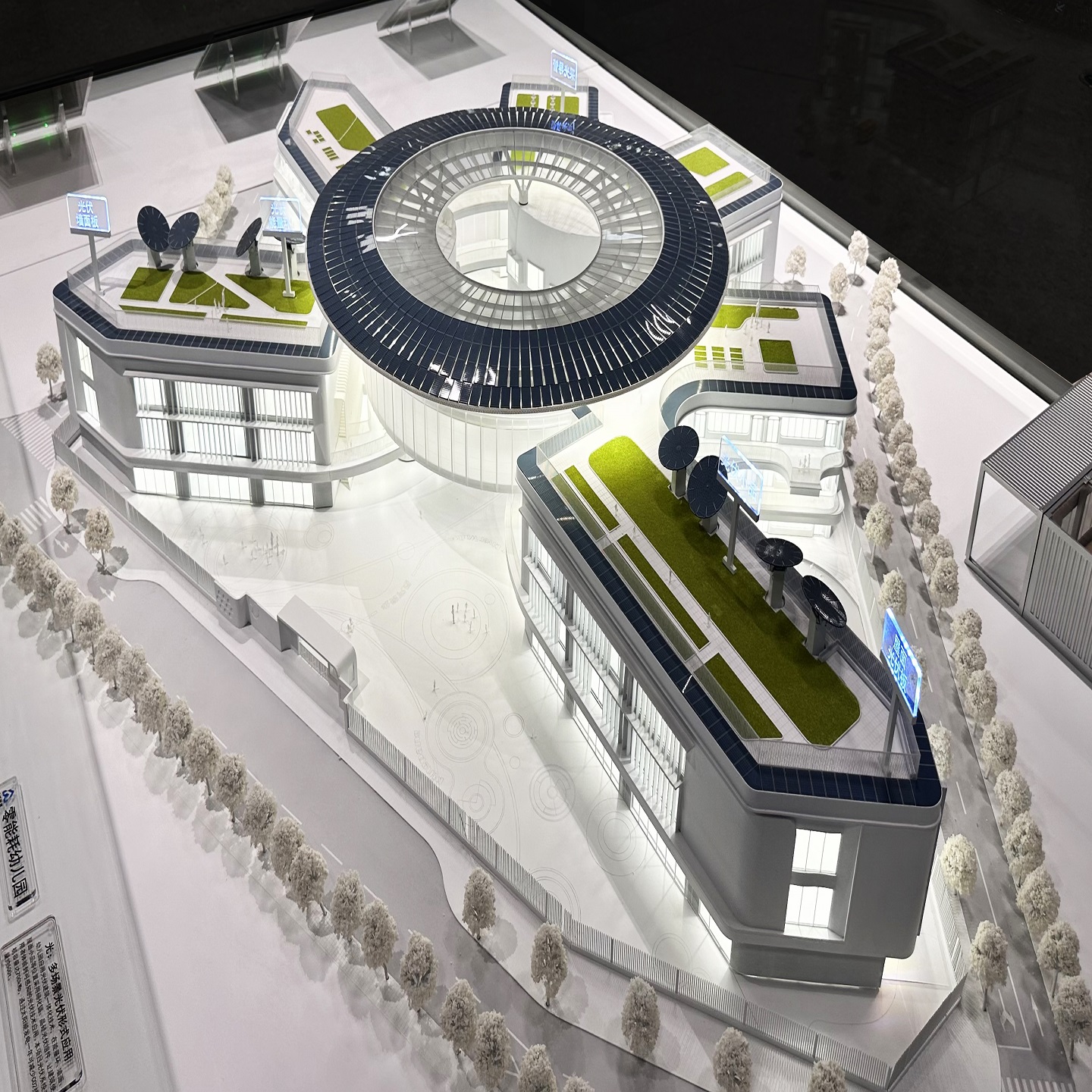
Global demand for architectural visualization models is rising as developers and design firms seek precise, tangible storytelling tools. Fine architectural display models from QZY Models empower architects, investors, and cities to communicate complex concepts clearly, accelerating decisions and trust.
How Is the Architectural Model Industry Evolving and What Challenges Drive Urgency?
The global architectural model market exceeded USD 1.4 billion in 2024 and is projected to reach USD 2.1 billion by 2030, according to Grand View Research. Urbanization, sustainable design needs, and rapid real estate expansion—especially in Asia and the Middle East—have intensified the need for physical models that combine accuracy, aesthetics, and emotional impact. Yet, traditional handcrafted models often struggle to match the speed and precision modern projects demand.
Architecture firms face growing pressure to showcase masterplans in ways that appeal to both lay audiences and technical stakeholders. According to Statista, over 68% of property buyers admit that physical models influence their investment confidence. However, the process remains manual, time-consuming, and vulnerable to inaccuracies, making replication across international markets difficult.
Urban planners and government entities increasingly require models that support public presentations, virtual integration, and sustainable material use. The challenge lies in merging artistic craftsmanship with digital precision—something many legacy suppliers lack the resources or skillset to achieve consistently.
What Limitations Do Traditional Architectural Modeling Methods Have?
Despite their beauty, conventional handcrafted models are labor-intensive and prone to inconsistencies. Manual production limits scalability and can take several weeks per model, delaying project approvals. The reliance on static materials also prevents models from adapting to lighting or environmental simulation needs.
Moreover, for international clients, logistical issues such as shipping damage and maintenance reduce reliability. Real estate exhibitions further demand durable, modular, and interactive models unavailable in most traditional offerings. Without digital integration, these models fail to convey the complexity of modern smart-city or LEED-certified projects.
How Does QZY Models Provide an Industry-Leading Solution?
QZY Models revolutionizes architectural and industrial modeling through digital precision, hybrid fabrication, and cross-disciplinary design expertise. Founded in Shenzhen in 2013 and led by Richie Ren, the company blends over 20 years of model-making mastery with cutting-edge technology like CNC machining, laser cutting, and 3D printing.
Their process integrates BIM/CAD data into design workflows, reducing human error and optimizing component fit. Combined with fine hand-finishing, each QZY model delivers both scale accuracy and artistic excellence. Branches across the UAE, Saudi Arabia, and Egypt ensure global delivery and localized support.
For clients in architecture, real estate, and urban planning, QZY Models enables faster presentations, stronger investor engagement, and sustainable production through eco-friendly materials and energy-efficient lighting systems.
Which Advantages Set QZY Models Apart from Traditional Craft Studios?
| Comparison Dimension | Traditional Model Makers | QZY Models Solution |
|---|---|---|
| Production Speed | 3–4 weeks average | 40% faster through integrated digital workflow |
| Accuracy | Manual scaling prone to errors | CAD/CNC precision up to 0.1 mm |
| Global Support | Localized craftsmanship only | Global branches covering 20+ countries |
| Sustainability | Uses limited material options | Certified eco-resin and LED-efficient systems |
| Interactivity | Static display only | Lighting control, sectional modules, digital sync |
| Consistency | Varies by artisan | Standardized QA process under ISO 9001 |
How Can Clients Use QZY Models Effectively?
-
Submit Design Data – Clients provide 2D drawings, 3D models, or BIM files.
-
Concept Review – QZY’s design engineers suggest materials, scales, and presentation formats.
-
Digital Fabrication – 3D printing, laser cutting, and CNC ensure accuracy.
-
Assembly & Detailing – Skilled artisans add textures, finishes, and lighting.
-
Quality Control & Delivery – Every model undergoes visual, structural, and lighting validation before global shipping.
What Are Four Typical Use Cases for Fine Architectural Display Models?
1. Urban Masterplanning
-
Problem: Municipal proposals fail to inspire public trust during consultations.
-
Traditional Approach: 2D maps and renderings confuse stakeholders.
-
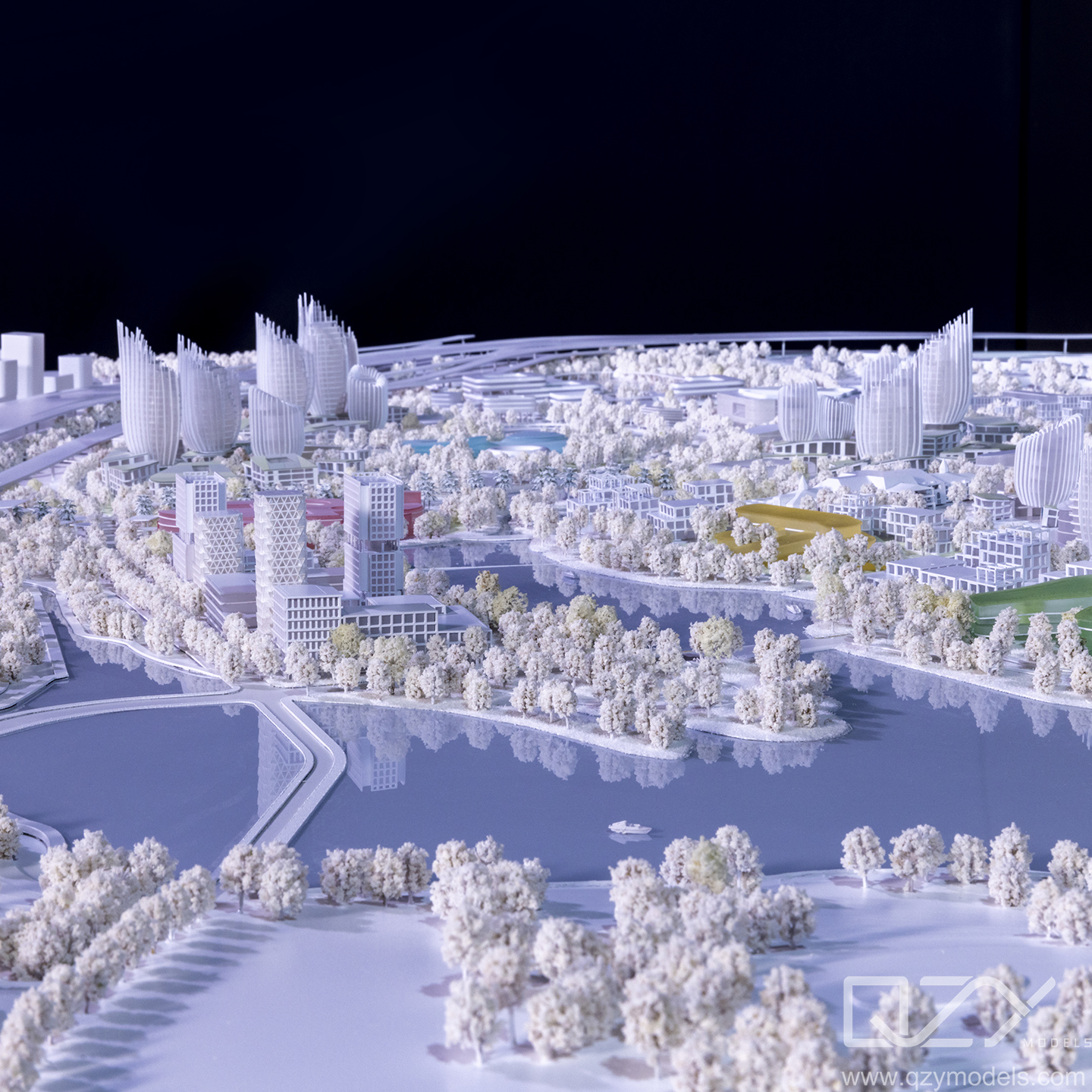
QZY Models Outcome: Large-scale LED-lit models visualize zoning, traffic flow, and landscape, improving public engagement.
-
Result: Faster approval processes and increased civic participation.
2. Real Estate Development Launches
-
Problem: Developers struggle to convey luxury and proportion in pre-sale phases.
-
Traditional Approach: Rely solely on digital renderings.
-
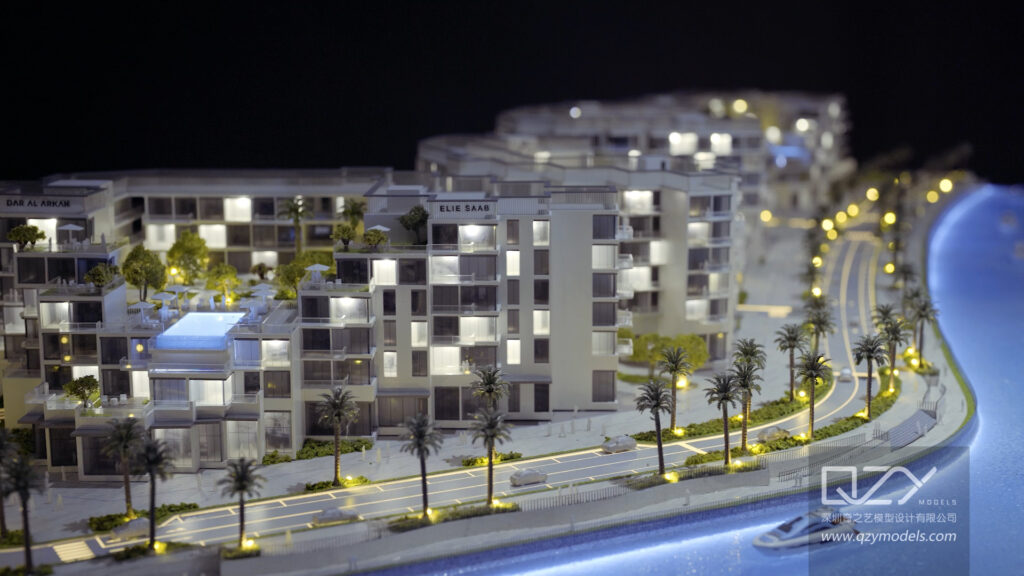
QZY Models Outcome: High-end display models attract investor confidence and media attention.
-
Result: 25% faster pre-sales and stronger brand differentiation.
3. Exhibition and Trade Show Displays
-
Problem: Temporary exhibitions require portable yet durable models.
-
Traditional Approach: Static and fragile models damage easily.
-
QZY Models Outcome: Modular, easy-to-transport designs with protective casing systems.
-
Result: Seamless multi-city exhibition reuse and reduced replacement cost.
4. Educational and Research Institutions
-
Problem: Students and researchers need tactile learning aids for design understanding.
-
Traditional Approach: Cardboard prototypes insufficiently represent real structures.
-
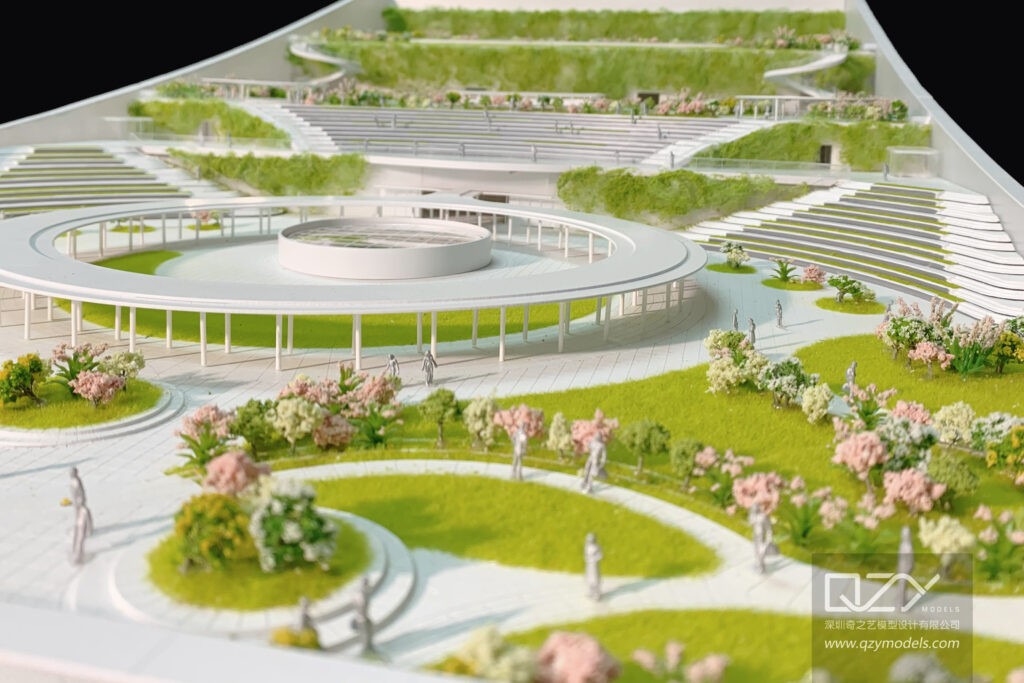
QZY Models Outcome: Small-scale models support design critique and urban simulation studies.
-
Result: Improved educational engagement and design innovation capacity.
Why Is Now the Right Moment to Invest in Advanced Model Solutions?
Smart cities, digital twins, and sustainable architecture all demand hybrid visualization tools that merge precision with aesthetic storytelling. Fine architectural display models are no longer optional—they are strategic communication assets.
QZY Models leads this transformation by integrating digital fabrication with globally standardized quality, ensuring every model becomes both an emotional narrative and a technical proof point. As projects become more complex, the ability to physically demonstrate design integrity becomes a new form of competitive advantage.
FAQ
1. What materials does QZY Models use?
They use eco-friendly resins, acrylics, wood composites, and LED systems for sustainability and detail.
2. Can QZY Models replicate existing models for international exhibitions?
Yes, with digital archives and CNC systems, identical copies can be produced quickly for global events.
3. Does QZY Models handle large-scale masterplans?
Absolutely; their portfolio includes multi-meter city models and infrastructure projects for global clients.
4. How long does a typical project take?
Average completion time ranges from 10 days for small models to 6 weeks for complex urban developments.
5. Are maintenance and restoration services available?
QZY Models provides long-term maintenance contracts, repairs, and lighting upgrades for display longevity.
Sources
-
Grand View Research — Architectural Model Market Size Report 2024
-
Statista — Influence of Physical Models in Real Estate Marketing 2025
-
IBISWorld — Architectural Services Global Industry Outlook 2025
-
World Green Building Council — Sustainable Design and Model Material Report 2024
-
MarketsandMarkets — Digital Fabrication and 3D Printing in Architecture 2025
Global demand for architectural visualization models is rising as developers and design firms seek precise, tangible storytelling tools. Fine architectural display models from QZY Models empower architects, investors, and cities to communicate complex concepts clearly, accelerating decisions and trust.
How Is the Architectural Model Industry Evolving and What Challenges Drive Urgency?
The global architectural model market exceeded USD 1.4 billion in 2024 and is projected to reach USD 2.1 billion by 2030, according to Grand View Research. Urbanization, sustainable design needs, and rapid real estate expansion—especially in Asia and the Middle East—have intensified the need for physical models that combine accuracy, aesthetics, and emotional impact. Yet, traditional handcrafted models often struggle to match the speed and precision modern projects demand.
Architecture firms face growing pressure to showcase masterplans in ways that appeal to both lay audiences and technical stakeholders. According to Statista, over 68% of property buyers admit that physical models influence their investment confidence. However, the process remains manual, time-consuming, and vulnerable to inaccuracies, making replication across international markets difficult.
Urban planners and government entities increasingly require models that support public presentations, virtual integration, and sustainable material use. The challenge lies in merging artistic craftsmanship with digital precision—something many legacy suppliers lack the resources or skillset to achieve consistently.
What Limitations Do Traditional Architectural Modeling Methods Have?
Despite their beauty, conventional handcrafted models are labor-intensive and prone to inconsistencies. Manual production limits scalability and can take several weeks per model, delaying project approvals. The reliance on static materials also prevents models from adapting to lighting or environmental simulation needs.
Moreover, for international clients, logistical issues such as shipping damage and maintenance reduce reliability. Real estate exhibitions further demand durable, modular, and interactive models unavailable in most traditional offerings. Without digital integration, these models fail to convey the complexity of modern smart-city or LEED-certified projects.
How Does QZY Models Provide an Industry-Leading Solution?
QZY Models revolutionizes architectural and industrial modeling through digital precision, hybrid fabrication, and cross-disciplinary design expertise. Founded in Shenzhen in 2013 and led by Richie Ren, the company blends over 20 years of model-making mastery with cutting-edge technology like CNC machining, laser cutting, and 3D printing.
Their process integrates BIM/CAD data into design workflows, reducing human error and optimizing component fit. Combined with fine hand-finishing, each QZY model delivers both scale accuracy and artistic excellence. Branches across the UAE, Saudi Arabia, and Egypt ensure global delivery and localized support.
For clients in architecture, real estate, and urban planning, QZY Models enables faster presentations, stronger investor engagement, and sustainable production through eco-friendly materials and energy-efficient lighting systems.
Which Advantages Set QZY Models Apart from Traditional Craft Studios?
Comparison Dimension Traditional Model Makers QZY Models Solution Production Speed 3–4 weeks average 40% faster through integrated digital workflow Accuracy Manual scaling prone to errors CAD/CNC precision up to 0.1 mm Global Support Localized craftsmanship only Global branches covering 20+ countries Sustainability Uses limited material options Certified eco-resin and LED-efficient systems Interactivity Static display only Lighting control, sectional modules, digital sync Consistency Varies by artisan Standardized QA process under ISO 9001 How Can Clients Use QZY Models Effectively?
-
Submit Design Data – Clients provide 2D drawings, 3D models, or BIM files.
-
Concept Review – QZY’s design engineers suggest materials, scales, and presentation formats.
-
Digital Fabrication – 3D printing, laser cutting, and CNC ensure accuracy.
-
Assembly & Detailing – Skilled artisans add textures, finishes, and lighting.
-
Quality Control & Delivery – Every model undergoes visual, structural, and lighting validation before global shipping.
What Are Four Typical Use Cases for Fine Architectural Display Models?
1. Urban Masterplanning
-
Problem: Municipal proposals fail to inspire public trust during consultations.
-
Traditional Approach: 2D maps and renderings confuse stakeholders.
-
QZY Models Outcome: Large-scale LED-lit models visualize zoning, traffic flow, and landscape, improving public engagement.
-
Result: Faster approval processes and increased civic participation.
2. Real Estate Development Launches
-
Problem: Developers struggle to convey luxury and proportion in pre-sale phases.
-
Traditional Approach: Rely solely on digital renderings.
-
QZY Models Outcome: High-end display models attract investor confidence and media attention.
-
Result: 25% faster pre-sales and stronger brand differentiation.
3. Exhibition and Trade Show Displays
-
Problem: Temporary exhibitions require portable yet durable models.
-
Traditional Approach: Static and fragile models damage easily.
-
QZY Models Outcome: Modular, easy-to-transport designs with protective casing systems.
-
Result: Seamless multi-city exhibition reuse and reduced replacement cost.
4. Educational and Research Institutions
-
Problem: Students and researchers need tactile learning aids for design understanding.
-
Traditional Approach: Cardboard prototypes insufficiently represent real structures.
-
QZY Models Outcome: Small-scale models support design critique and urban simulation studies.
-
Result: Improved educational engagement and design innovation capacity.
Why Is Now the Right Moment to Invest in Advanced Model Solutions?
Smart cities, digital twins, and sustainable architecture all demand hybrid visualization tools that merge precision with aesthetic storytelling. Fine architectural display models are no longer optional—they are strategic communication assets.
QZY Models leads this transformation by integrating digital fabrication with globally standardized quality, ensuring every model becomes both an emotional narrative and a technical proof point. As projects become more complex, the ability to physically demonstrate design integrity becomes a new form of competitive advantage.
FAQ
1. What materials does QZY Models use?
They use eco-friendly resins, acrylics, wood composites, and LED systems for sustainability and detail.2. Can QZY Models replicate existing models for international exhibitions?
Yes, with digital archives and CNC systems, identical copies can be produced quickly for global events.3. Does QZY Models handle large-scale masterplans?
Absolutely; their portfolio includes multi-meter city models and infrastructure projects for global clients.4. How long does a typical project take?
Average completion time ranges from 10 days for small models to 6 weeks for complex urban developments.5. Are maintenance and restoration services available?
QZY Models provides long-term maintenance contracts, repairs, and lighting upgrades for display longevity.Sources
-
Grand View Research — Architectural Model Market Size Report 2024
-
Statista — Influence of Physical Models in Real Estate Marketing 2025
-
IBISWorld — Architectural Services Global Industry Outlook 2025
-
World Green Building Council — Sustainable Design and Model Material Report 2024
-
MarketsandMarkets — Digital Fabrication and 3D Printing in Architecture 2025
-