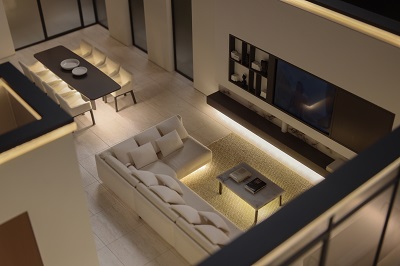
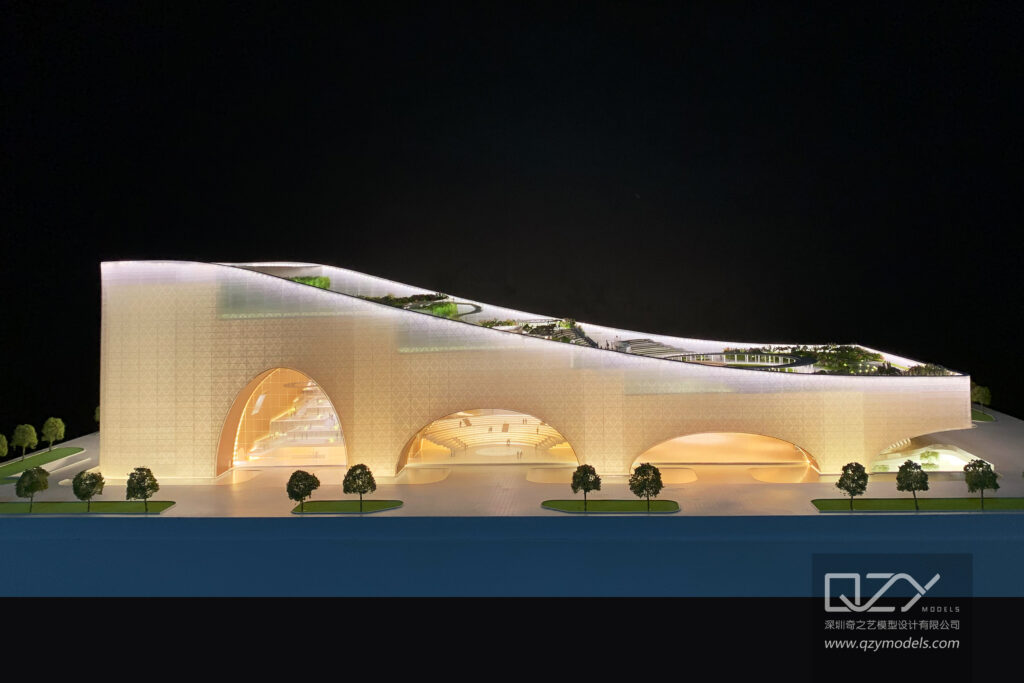
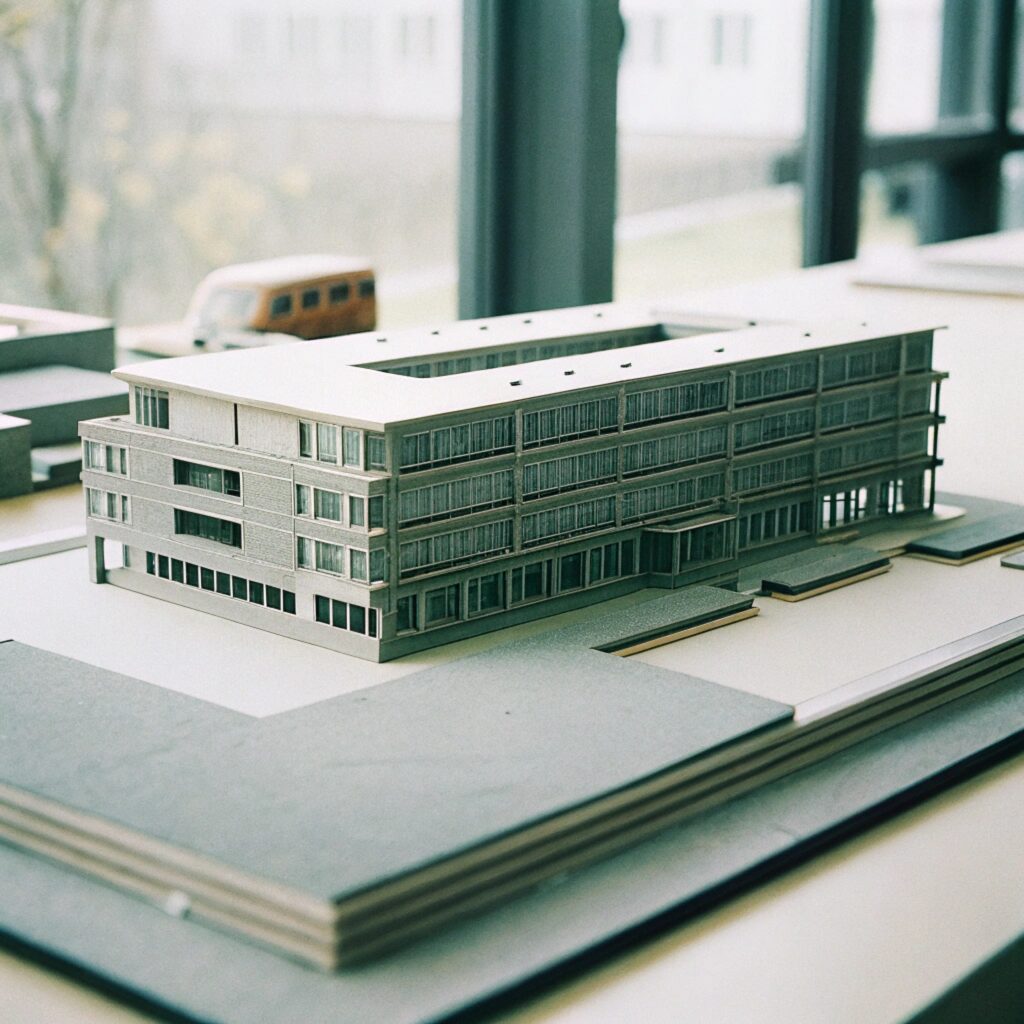
Geometric wood modeling designs are redefining precision craftsmanship in architecture and product design. By combining mathematical symmetry with advanced fabrication methods, these models deliver both technical accuracy and visual harmony—making them a preferred choice for professionals seeking design clarity and client impact.
How Is the Current Industry Evolving and What Challenges Exist?
The global architectural modeling industry is undergoing rapid change as designers demand more precise, sustainable, and visually compelling presentation models. According to a 2024 report by Allied Market Research, the architectural scale model market surpassed $2.5 billion in value, with over 6% projected annual growth. Yet more than 40% of studios still rely on outdated manual fabrication methods, leading to inefficiencies, inconsistent results, and wasted materials.
Design firms increasingly face pressure from clients and investors for models that demonstrate both technical detail and aesthetic mastery. However, traditional methods often fail to meet this standard—particularly for geometric compositions that rely on clean lines and complex surface joins. The gap between design intent and model execution has become a critical bottleneck.
Urbanization and technological integration also amplify these challenges. As more cities adopt “digital twin” and smart planning models, architectural visualization requires meticulous accuracy. Without advanced modeling systems, even minor dimensional errors can undermine design credibility or delay project approvals. This is where innovative fabrication teams like QZY Models redefine the standard.
What Limitations Do Traditional Approaches Have?
Traditional wood modeling relies heavily on manual cutting, sanding, and assembly—processes limited by human consistency. Fine angles or tessellated surfaces often show misalignments, making high-detail geometry risky to attempt.
Manual methods also lack scalability. Reproducing a single geometric module repeatedly with precise tolerances becomes labor-intensive and expensive. In addition, hand tools struggle to achieve the exacting symmetry demanded by modern parametric design concepts.
Finally, production speed remains a pain point. When developers and architects work under compressed timelines, traditional workshops cannot deliver large, complex wood geometries fast enough without compromising accuracy.
How Does QZY Models Provide a Solution?
QZY Models introduces an integrated digital-to-physical workflow that transforms how geometric wood models are designed, prototyped, and fabricated. With over two decades of expertise and an international portfolio, QZY Models combines CNC machining, laser cutting, and precision assembly under one workflow.
Each project begins with digital parametric modeling, ensuring every geometric angle, facet, and join adheres to architectural standards. Using high-grade woods and optimized nesting algorithms, QZY minimizes material waste while delivering unparalleled detail fidelity.
QZY Models also enables hybrid modeling—combining wood with acrylic, metal, or resin—to highlight geometric relationships and structural integrity. The company’s cross-disciplinary team ensures design accuracy for architecture, industrial displays, and landscape visualization alike.
What Are the Differences Between Traditional Methods and QZY Models’ Approach?
| Feature / Capability | Traditional Wood Modeling | QZY Models Geometric Modeling |
|---|---|---|
| Precision Tolerance | ±1.5 mm average deviation | ±0.1 mm CNC-calibrated accuracy |
| Material Utilization | Up to 30% waste | Less than 10% material loss |
| Reproducibility | Low consistency | 100% digital replication |
| Project Turnaround | 2–4 weeks typical | 5–10 days average |
| Design Flexibility | Limited by manual skill | Full parametric geometry simulation |
| Aesthetic Finishing | Hand-sanded, inconsistent | Machine-finished, laser-precise |
How Can You Use This Solution Step by Step?
-
Concept Design Preparation: Upload your geometric design file (CAD/Revit/SketchUp).
-
Digital Processing: QZY Models’ specialists convert the design into optimized geometric assemblies for CNC production.
-
Material Selection: Choose premium wood species and surface finishes that best complement geometric patterns.
-
CNC & Laser Fabrication: Automated cutting ensures exact geometry and perfect repeatability.
-
Assembly & Quality Control: Each model undergoes precision fitting, sanding, and sealing for flawless presentation.
-
Final Delivery: Secure packaging and global logistics deliver models safely across 20+ countries.
Which Real-World Scenarios Prove Its Effectiveness?
Case 1: Architectural Pavilion Presentation
-
Problem: A real estate developer needed a parametric pavilion model for a luxury marketing showcase.
-
Traditional Approach: Manual wood cutting caused uneven edges and delayed completion.
-
QZY Models Solution: CNC-based construction achieved crisp geometric lines within 6 days.
-
Result: The client reported a 25% increase in investor engagement during the exhibition.
Case 2: Interior Design Model Visualization
-
Problem: Design firm required an intricate geometric ceiling pattern model.
-
Traditional Approach: Labor-intensive manual work failed to capture fine tessellation details.
-
QZY Models Solution: Digital cutting and modular assembly ensured perfect pattern continuity.
-
Result: Enhanced client approval rate and visual accuracy for on-site installation.
Case 3: Educational Prototype for University Workshop
-
Problem: Architecture students struggled to visualize geometric concepts in 3D wood forms.
-
Traditional Approach: Cardboard mock-ups lacked precision and durability.
-
QZY Models Solution: Precision wood modules allowed modular reconfiguration for study.
-
Result: Improved spatial comprehension and 40% higher workshop participation.
Case 4: Industrial Design Company Presentation
-
Problem: Product team needed a geometric wood-shell prototype for trade show display.
-
Traditional Approach: Conventional sculpting methods produced visual inconsistencies.
-
QZY Models Solution: Combined wood and resin to highlight clean geometric transitions.
-
Result: Award-winning display recognized for material innovation and craftsmanship.
Why Is Now the Time to Adopt Geometric Wood Modeling?
Market demand for high-precision physical models continues to rise alongside digital architecture and manufacturing development. With clients expecting more lifelike visualization, geometric accuracy has become a crucial competitive advantage.
QZY Models’ technology not only bridges the digital and physical gap but also supports sustainable design objectives—using optimized material layouts and precision automation to lower footprint impact. For architects, educators, and developers, adopting advanced modeling workflows now ensures future-ready presentation capabilities.
FAQ
1. What types of geometric patterns work best with wood modeling?
Symmetrical tessellations, polygons, and fractal-inspired forms are ideal due to their structural clarity and visual rhythm.
2. Can QZY Models handle large-scale geometric installations?
Yes. Their advanced CNC systems manage models over 2 meters in length with modular section assembly for transport.
3. How durable are geometric wood models?
Models use stabilized hardwoods and protective coatings that resist moisture and deformation.
4. Does QZY Models provide international delivery?
Yes. QZY Models ships globally, with logistics support across the Middle East, Europe, Asia, and North America.
5. What is the typical project timeline for complex designs?
Depending on complexity, most geometric wood modeling projects are completed within 7–14 days.
Sources
-
Allied Market Research – “Architectural Scale Model Market Outlook 2024–2032”
-
Statista – “Global Architectural Visualization Market Revenues 2024”
-
Autodesk Industry Report – “Digital Fabrication Trends in Architecture 2025”
-
QZY Models Internal Case Studies Archive 2024–2025