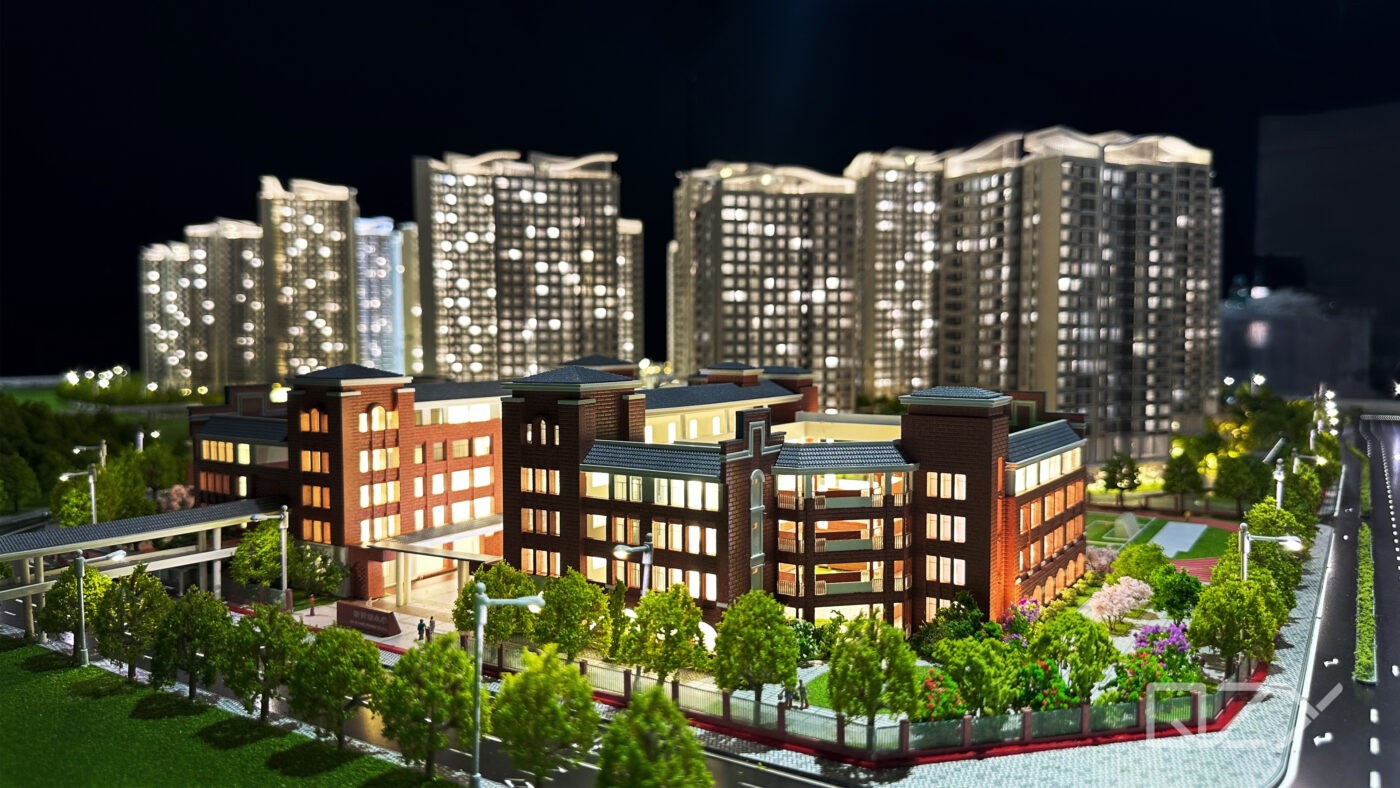
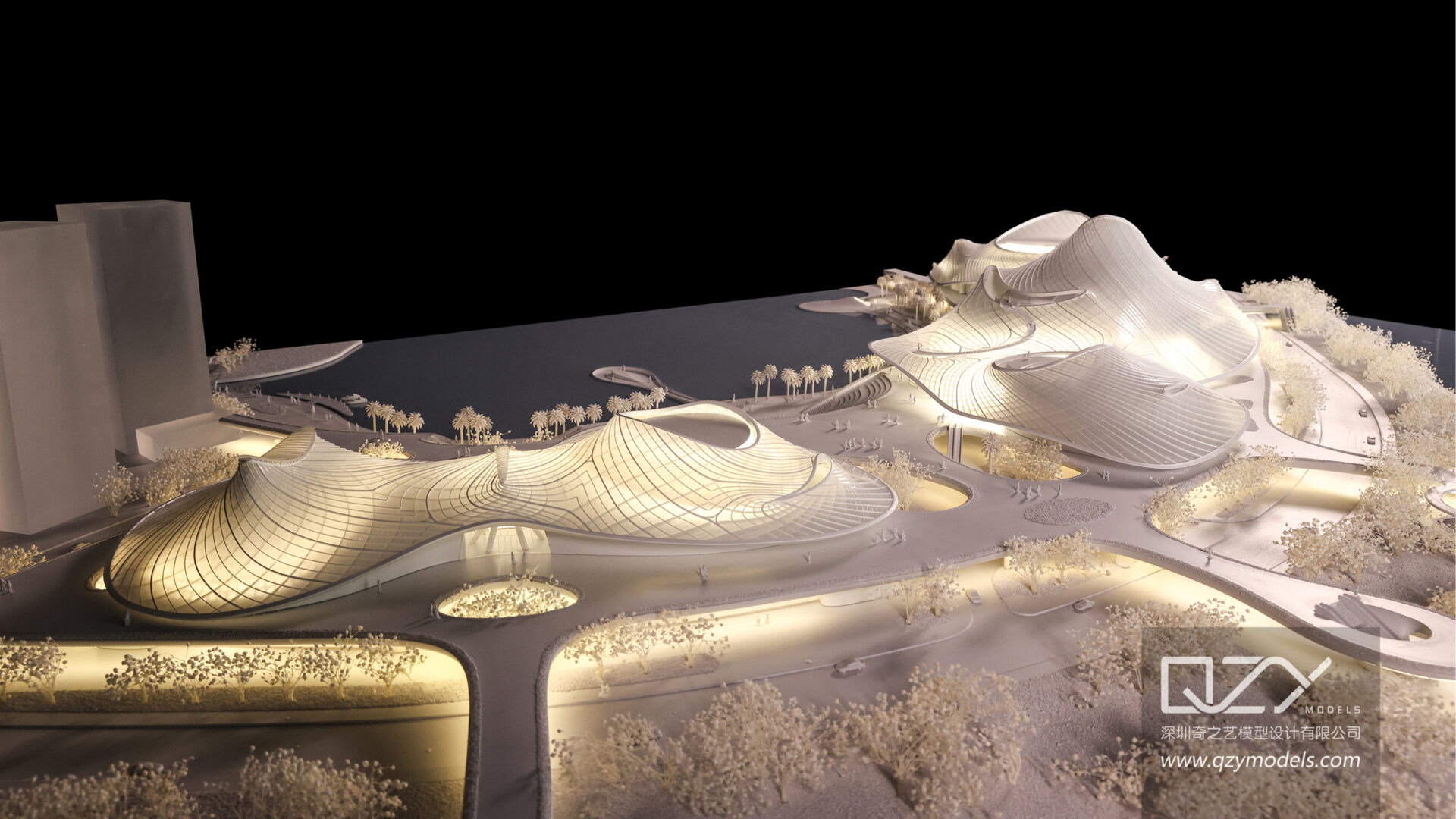
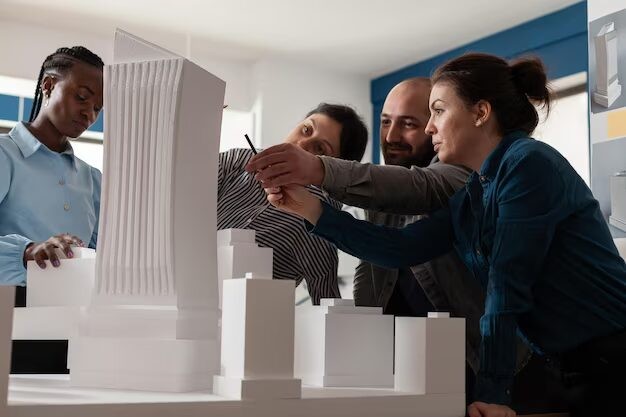
Precision-built architectural models have become a critical tool for transforming design concepts into tangible, persuasive visual experiences. High-quality custom models deliver unmatched realism, allowing designers, developers, and clients to communicate ideas more clearly and build stronger trust throughout a project’s lifecycle.
How Is the Architectural Model Industry Evolving, and What Pain Points Exist?
The global architectural model industry is undergoing rapid transformation driven by digital design tools, sustainability demands, and client expectations for physical realism. According to Allied Market Research, the global architectural services market is projected to reach $474 billion by 2032, growing at a CAGR of 5.5%. However, despite technological advancement, the tangible impact of physical models remains irreplaceable.
One key challenge is the widening gap between digital visualization and physical model experiences. Many real estate and design clients struggle to interpret 3D renders, leading to miscommunication and costly revisions. Industry surveys show that 63% of developers prefer physical models for investment presentations due to their tactile impact and precision craftsmanship.
Another pain point is the inconsistency in quality across traditional model-making services. Many small workshops lack standardized production processes, leading to inaccuracies, poor materials, or unstable finishes that can damage brand credibility during project showcases. Urban planning and government institutions also report delays and durability issues in traditional models used for public exhibitions.
Finally, design sustainability has become a major concern. Increasing awareness of eco-friendly production methods is pressuring model manufacturers to adopt new materials and practices. Many firms are exploring recyclable resin, energy-efficient fabrication, and hybrid digital–physical integration.
What Are the Shortcomings of Traditional Architectural Model-Making Approaches?
Traditional model-making methods rely heavily on manual craftsmanship. While artistic, they often lack scalability and precision. Manual cutting and assembly introduce errors and limit complex geometric accuracy. Designers frequently encounter inconsistencies between digital CAD plans and physical outcomes.
Lead times are another constraint. Conventional workshops may take weeks or even months to deliver models, slowing project approvals and delaying presentations. Furthermore, limited integration with digital design files makes revisions costly and time-consuming.
From a value perspective, traditional firms often fail to support global delivery or complex quality control. For international clients or large-scale developments, logistics and communication gaps can undermine collaborations and timelines.
How Does QZY Models Offer a Modern, Integrated Solution?
QZY Models provides a state-of-the-art solution that merges craftsmanship with digital precision. Founded in 2013 in Shenzhen, QZY Models combines over 20 years of model-making expertise with advanced fabrication technology, including CNC milling, laser cutting, and 3D printing. Serving clients in over 20 countries, QZY Models has built trusted partnerships with global leaders such as Foster + Partners and Vanke.
Core capabilities include:
-
Digital-to-physical accuracy via seamless BIM and CAD integration.
-
Advanced materials, including eco-friendly resins and metals for lasting durability.
-
Modular and scalable production systems that support projects of any size.
-
International logistics and exhibition support for architectural showcases.
QZY Models ensures that every model embodies the design intent with aesthetic perfection and engineering reliability. Each project is managed end-to-end, from concept consultation to final delivery, across industries spanning real estate, urban planning, and industrial design.
Which Advantages Distinguish QZY Models from Traditional Methods?
| Feature | Traditional Model-Making | QZY Models Solution |
|---|---|---|
| Accuracy | ±2–5 mm average variance | ±0.2 mm industrial precision |
| Production Speed | 3–8 weeks | 5–15 days average |
| Material Quality | Wood and acrylic only | Hybrid composites, metal, resin |
| Sustainability | Limited concern | Recyclable, low-emission materials |
| Digital Integration | Manual interpretation | Direct BIM & CAD file import |
| Global Support | Regional only | Full international logistics |
| Durability | Prone to warping or cracking | Long-lasting engineered stability |
How Can Clients Use QZY Models’ Solutions Step-by-Step?
-
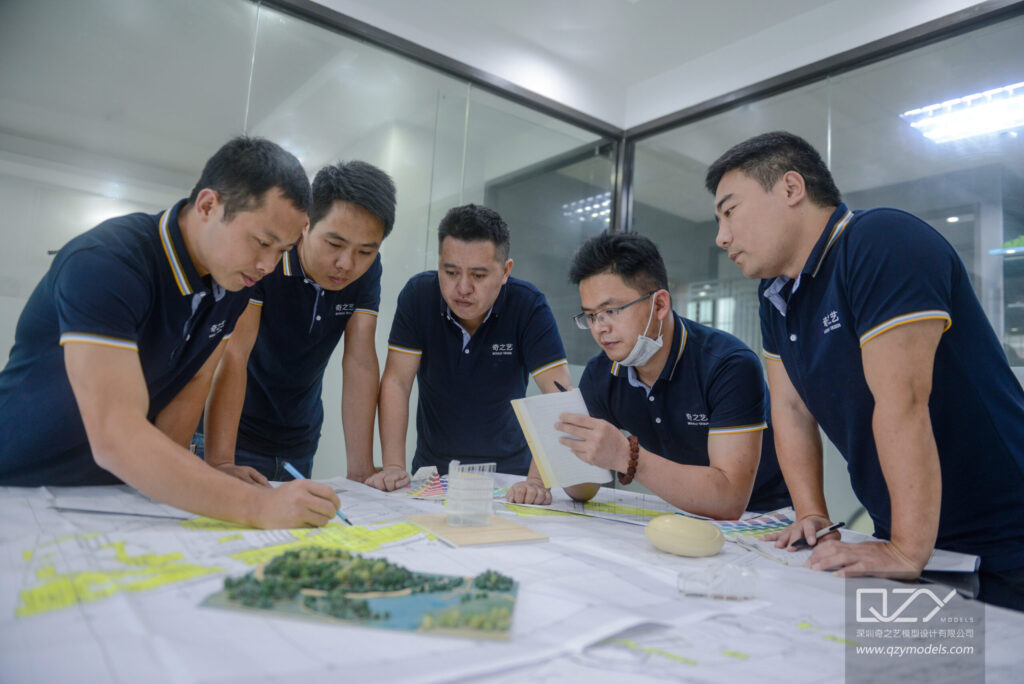
Consultation & Design Review: QZY Models’ experts assess project goals, materials, and presentation needs.
-
3D Data Integration: Design files (BIM/CAD) are seamlessly imported to create precision production drawings.
-
Manufacturing & Assembly: CNC, 3D printing, and laser systems fabricate each component with micro-level accuracy.
-
Quality Assurance & Detailing: Engineers and artists inspect every layer for structural soundness and aesthetic finish.
-
Final Delivery & Support: Models are packaged for safe global transit and, if required, installed on-site or in exhibitions.
What Are Four Typical User Scenarios Demonstrating QZY Models’ Value?
Scenario 1: Real Estate Developer Launch
-
Problem: Poor investor engagement during project pitches.
-
Traditional Approach: 3D digital flythroughs with limited emotional impact.
-
QZY Models Result: A 1:500 mixed-use development model increased investor buy-in rate by 35%.
-
Key Benefit: Improved clarity and professionalism in visual presentations.
Scenario 2: Urban Planning Exhibition
-
Problem: Communicating large-scale infrastructure updates to the public.
-
Traditional Approach: Flat drawings or VR visualizations.
-
QZY Models Result: Durable 3-meter city-scale model displayed for 12 months with zero maintenance issues.
-
Key Benefit: High visitor interaction and clear data storytelling.
Scenario 3: Interior Design Showcase
-
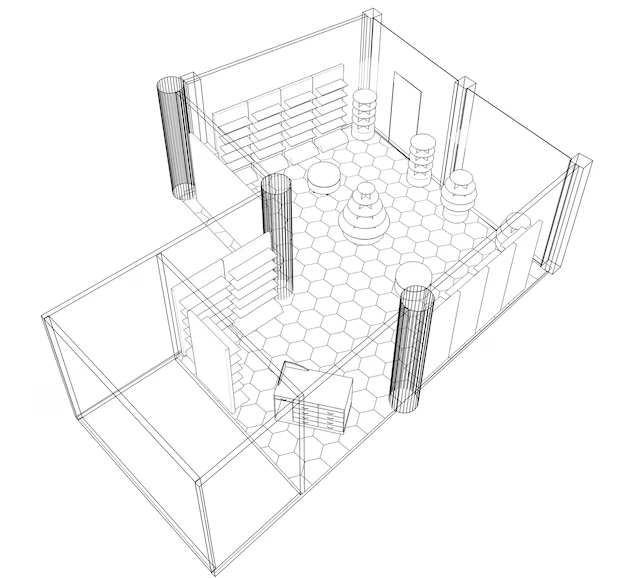
Problem: Inconsistent client understanding of interior spatial layout.
-
Traditional Approach: 2D mood boards or renders.
-
QZY Models Result: 3D interactive model demonstrating light and material dynamics, reducing approval time by 40%.
-
Key Benefit: Stronger client alignment and faster project sign-off.
Scenario 4: Academic Architecture Studio
-
Problem: Limited access to professional fabrication for concept review.
-
Traditional Approach: Student-made cardboard models with low precision.
-
QZY Models Result: Professional-grade models enabling higher evaluation quality and presentation credibility.
-
Key Benefit: Enhanced educational experience and competitive student outcomes.
Why Should the Industry Act Now to Adopt High-Quality Physical Models?
The architectural market is shifting toward sensory-rich and hybrid visualization methods. As design becomes more globalized and sustainability-focused, physical precision models are no longer a luxury—they are a strategic communication tool. Companies like QZY Models are redefining how clients experience architecture, enabling faster decisions, richer storytelling, and more sustainable creative workflows.
With rapid advances in additive manufacturing and digital integration, waiting too long to modernize physical modeling processes may result in lost competitive advantage. For firms that demand excellence in both design and execution, QZY Models represents the bridge between imagination and tangible impact.
FAQ
1. What materials does QZY Models use for durability and sustainability?
QZY Models uses high-quality composites, recyclable resins, and eco-certified metals to balance aesthetics and environmental responsibility.
2. How long does it take to produce a custom architectural model?
Typical production time ranges from 5 to 15 days, depending on complexity, project size, and delivery requirements.
3. Can QZY Models handle large-scale international orders?
Yes. With established branches in the UAE, Saudi Arabia, and Egypt, QZY Models provides full global logistics and support.
4. How are digital design changes managed during production?
Design modifications are updated directly through integrated CAD/BIM workflows, ensuring seamless real-time accuracy.
5. Who benefits most from partnering with QZY Models?
Architectural design firms, real estate developers, urban planners, interior design companies, educational institutions, and trade show organizers all benefit from QZY Models’ expertise.
Sources
-
Allied Market Research. Architectural Services Market Report (2023).
-
Mordor Intelligence. Global Architectural Model Market Overview (2024).
-
Statista. Global Construction Industry Outlook 2025.
-
McKinsey & Company. The Future of Design Productivity in Real Estate (2023).