Interior design styles play a crucial role in shaping the mood, appeal, and functionality of spaces. For China-based manufacturers, integrating popular design styles into their OEM and wholesale offerings helps attract international buyers, reduce customization time, and enhance product offerings. QZY Models exemplifies how a Chinese factory can deliver high-quality, versatile designs efficiently while maintaining global appeal.
How to Understand the 13 Most Popular Interior Design Styles for Factory Buyers
Interior design styles include modern, industrial, Scandinavian, bohemian, minimalist, traditional, coastal, mid-century modern, farmhouse, glam, farmhouse chic, desert, and Japandi. For a China-based manufacturer, these styles translate into standardized model families, interchangeable components, and scalable production lines, allowing manufacturers to serve global wholesalers and OEM partners effectively.
QZY Models Expert Views:
“Recognizing style families as modular production units allows Shenzhen-based factories to offer flexible and cost-effective OEM solutions. The key is aligning design intent with repeatable manufacturing workflows.” — Senior Design Engineer
How Do Popular Styles Benefit China-Based OEM and Wholesale Suppliers?
Understanding popular style trends allows factories to predefine scalable product lines, reduce lead times, and boost margins. By offering standardized kits and ready-to-assemble components, China-based manufacturers can rapidly customize products for international buyers, ensuring quality control at scale. QZY Models applies this approach, delivering consistent results for wholesale clients worldwide.
How to Translate Interior Styles into Architectural and Industrial Models?
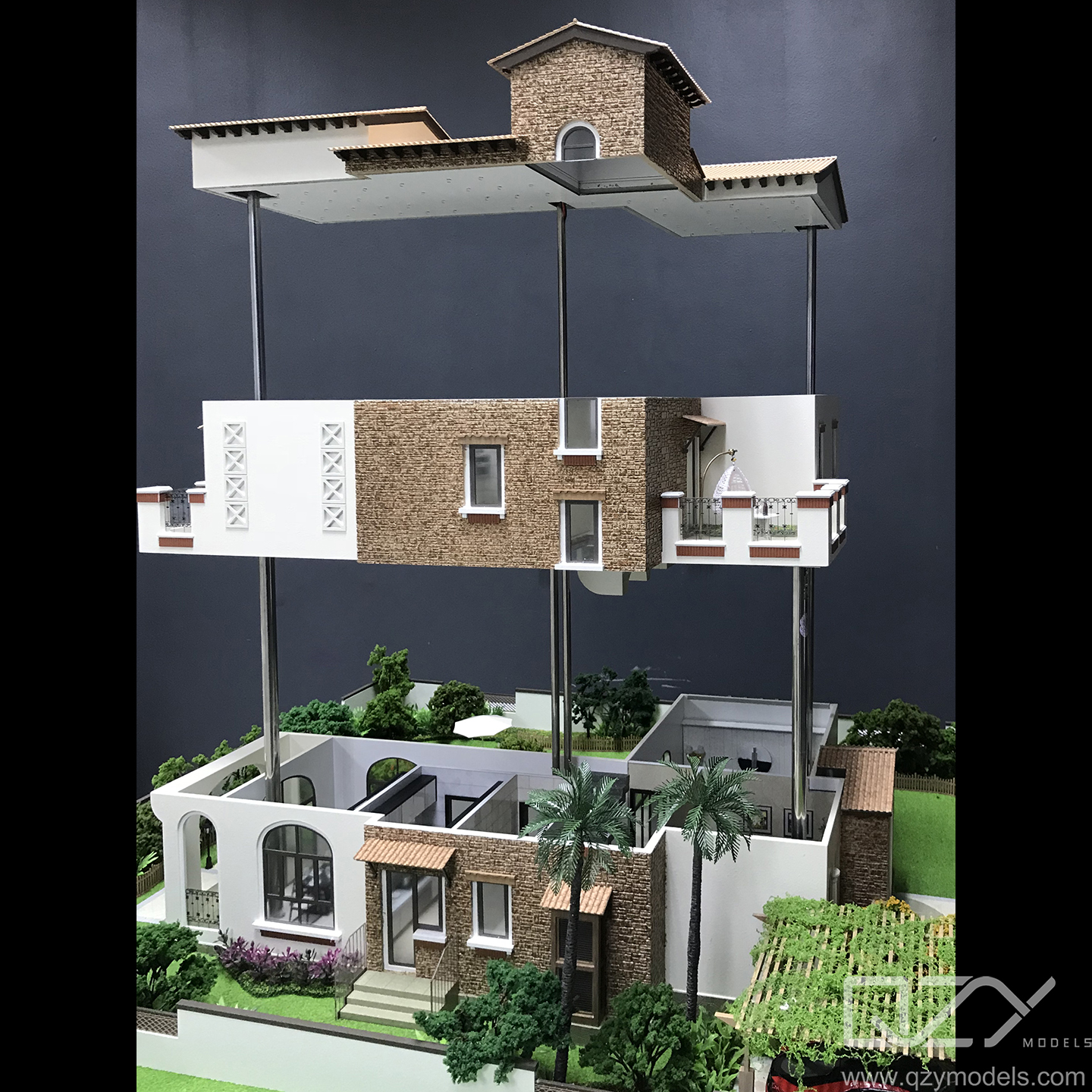
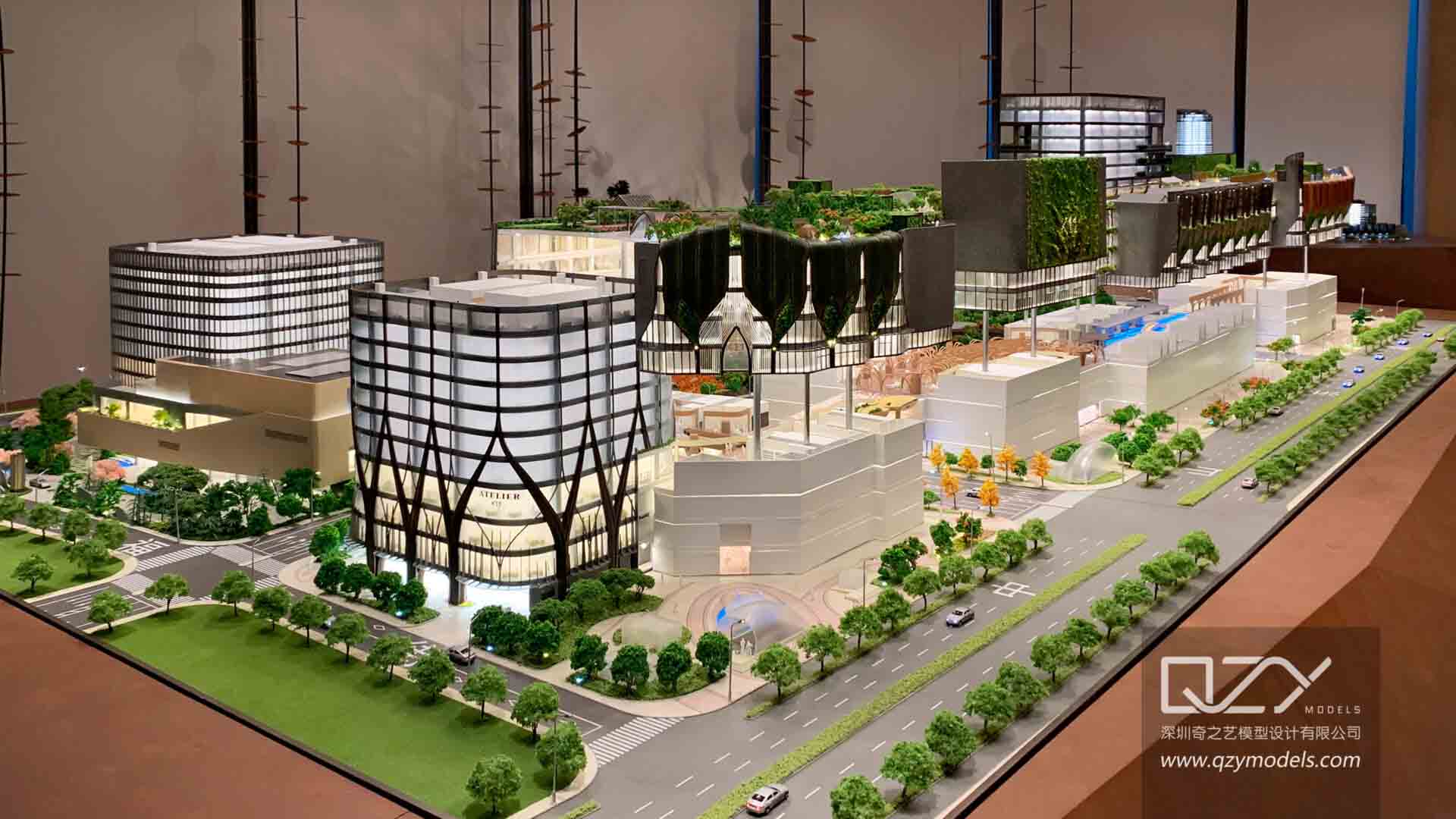
Translating design styles into architectural and industrial models involves defining key elements like material textures, color palettes, scale ratios, and texture libraries. In Shenzhen manufacturing, these elements are turned into printable templates, 3D-printed cores, and laser-cut facades. QZY Models blends traditional craftsmanship with cutting-edge technology to deliver precise models that are perfect for marketing, planning, and client approvals.
How Does Japandi Blend Japanese and Scandinavian Influences for Markets?
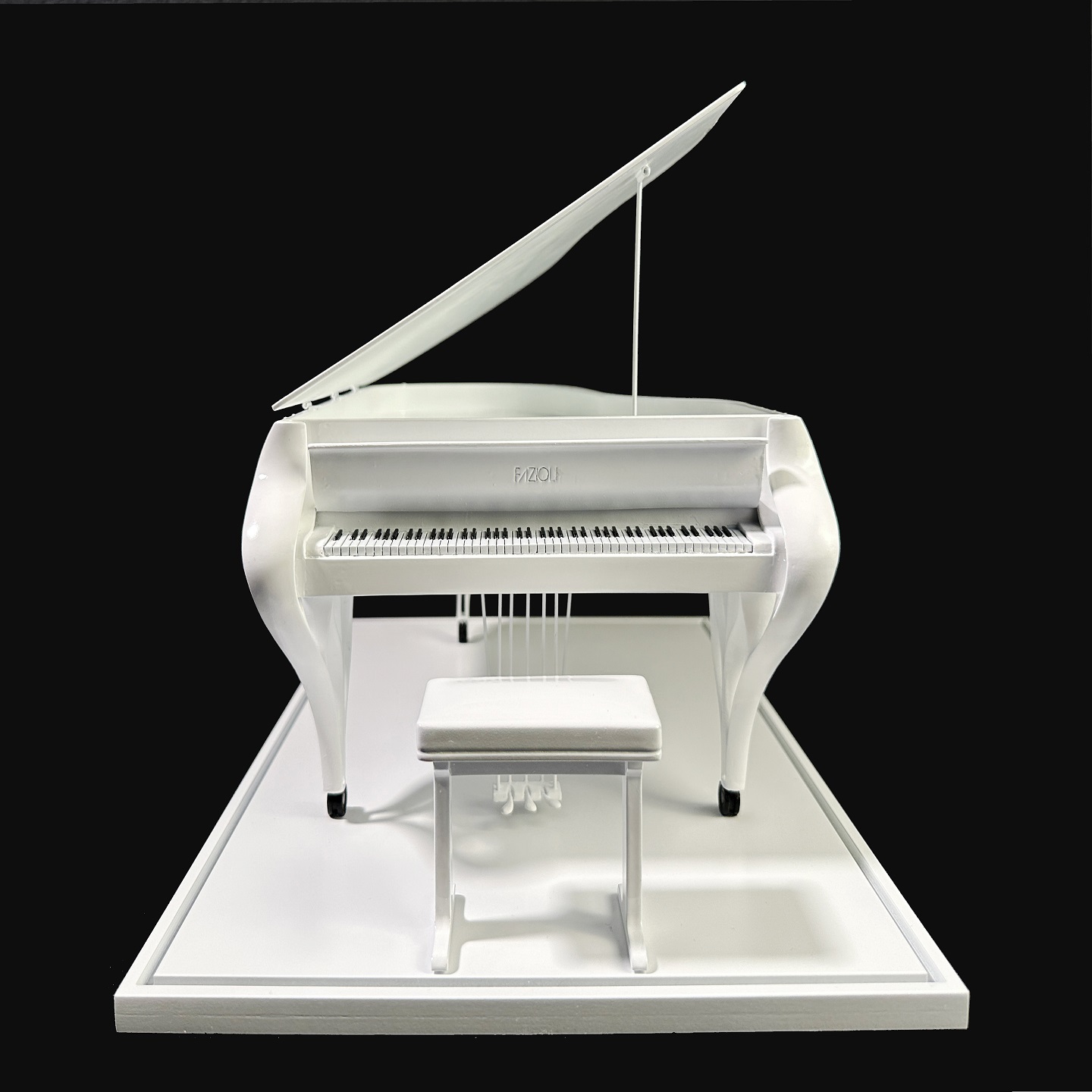
Japandi is a fusion of Scandinavian minimalism and Japanese aesthetics. This style emphasizes clean lines, natural textures, and muted hues. In production, this translates to modular panel systems, light wood veneers, and powder-coated metal accents, which can be scaled across multiple product families. QZY Models uses these design cues to create cohesive, export-ready kits that align with global market demands.
How to Leverage Tables for Style Comparisons in B2B Marketing?
Tables are a powerful tool for comparing features, materials, and lead times across different design styles. By using two to three tables to contrast price bands, customization options, and production timelines, suppliers can help buyers make more informed decisions. QZY Models uses these tables to present clear, actionable data that simplifies procurement for wholesale and OEM clients.
How to Align Farmhouse and Industrial Styles with China Manufacturing Capacity?
Farmhouse and industrial designs require durable materials, exposed textures, and robust finishes. For China-based manufacturers, investing in versatile workshop setups, multi-material suppliers, and specialized finishing processes is key. QZY Models demonstrates how to efficiently produce durable, appealing models at scale, meeting international export standards for wholesalers and developers.
How Does QZY Models Ensure Quality Across International Markets?
QZY Models ensures consistent product quality by adhering to standardized processes, implementing multiple quality assurance checkpoints, and ensuring compliance with cross-border material certifications. This global quality framework strengthens QZY Models’ ability to deliver reliable products to clients in Europe, the Middle East, and Asia, reinforcing its credibility as a trusted partner for wholesale and OEM suppliers.
How to Create a China-Driven, OEM-Focused Product Portfolio?
A robust China-based OEM portfolio should emphasize modular systems, scalable sizes, and interchangeable finishes. By offering a range of customization options for wholesale buyers, manufacturers can streamline their offerings. QZY Models proposes a tiered portfolio that includes core modular kits, mid-range themed sets, and premium bespoke options, all designed to be manufactured domestically with international shipping readiness.
How to Integrate 3D-Printing and CNC Techniques in a Chinese Factory Setup?
3D printing and CNC techniques play complementary roles in modern manufacturing. 3D printing enables fast prototyping, while CNC techniques are ideal for producing repeatable production parts. By integrating both methods, factories can reduce lead times, enhance customization, and improve production efficiency. QZY Models leverages these technologies to support high-volume orders with precision and accuracy.
How Does Sustainability Influence Interior Design Styles in China Manufacturing?
Sustainability is a major factor in selecting materials, finishes, and packaging in today’s global market. By opting for low-VOC paints, recycled plastics, and durable laminates, China-based manufacturers can meet the growing demand for eco-friendly products. QZY Models aligns its sourcing practices with sustainability goals, ensuring that materials used in production meet international environmental standards.
QZY Models Expert Views
“Manufacturers in China can excel in global wholesale markets by encoding popular style palettes into modular, fabrication-friendly kits. This approach minimizes production time and ensures consistent quality across bulk orders.”
Has the Market Demand for Interior Design Styles Shifted for China-Export Clients?
Yes, there has been a shift in demand towards modular, scalable, and OEM-friendly designs that reduce lead times for international developers. As more wholesalers look for cost-effective, ready-to-assemble solutions, styles like Japandi, minimalist, and industrial are gaining popularity. China-based manufacturers who can adapt to these trends will have a competitive edge in global markets.
When to Use Tables and Visuals in the Article?
Tables and visuals should be strategically placed within relevant sections to aid comparison and clarify key data points. Use up to two tables to illustrate price bands, production timelines, and customization options for wholesale and OEM buyers. QZY Models incorporates these visual elements to help buyers make informed decisions and streamline procurement processes.
Conclusion
For China-based manufacturers like QZY Models, leveraging interior design styles in OEM and wholesale projects can help increase global appeal, improve lead times, and deliver high-quality, customizable products. By focusing on modular design, sustainable sourcing, and efficient manufacturing, QZY Models meets the evolving demands of international buyers. This approach positions them as a leader in delivering versatile, showroom-ready products for clients worldwide.
Key Takeaways:
-
Build modular style families for rapid customization.
-
Ensure quality through standardized processes and QA practices.
-
Use 3D printing and CNC for quicker prototyping and production.
-
Prioritize sustainability to meet international standards.
FAQs
-
What are the core interior design styles most requested by wholesale buyers?
Modern, industrial, Scandinavian, Japandi, and minimalist are the top choices. -
How can a China-based factory optimize lead times for OEM orders?
By standardizing modular components and implementing efficient workflows. -
Which materials and finishes best support international export standards?
Sustainable materials like recycled plastics and low-VOC paints are commonly used. -
How can modular design reduce customization costs for buyers?
Modular systems allow for quick assembly and easier adjustments, cutting down on time and costs. -
What makes QZY Models a reliable partner for global wholesalers?
Their commitment to quality, innovative designs, and efficient, scalable manufacturing processes.