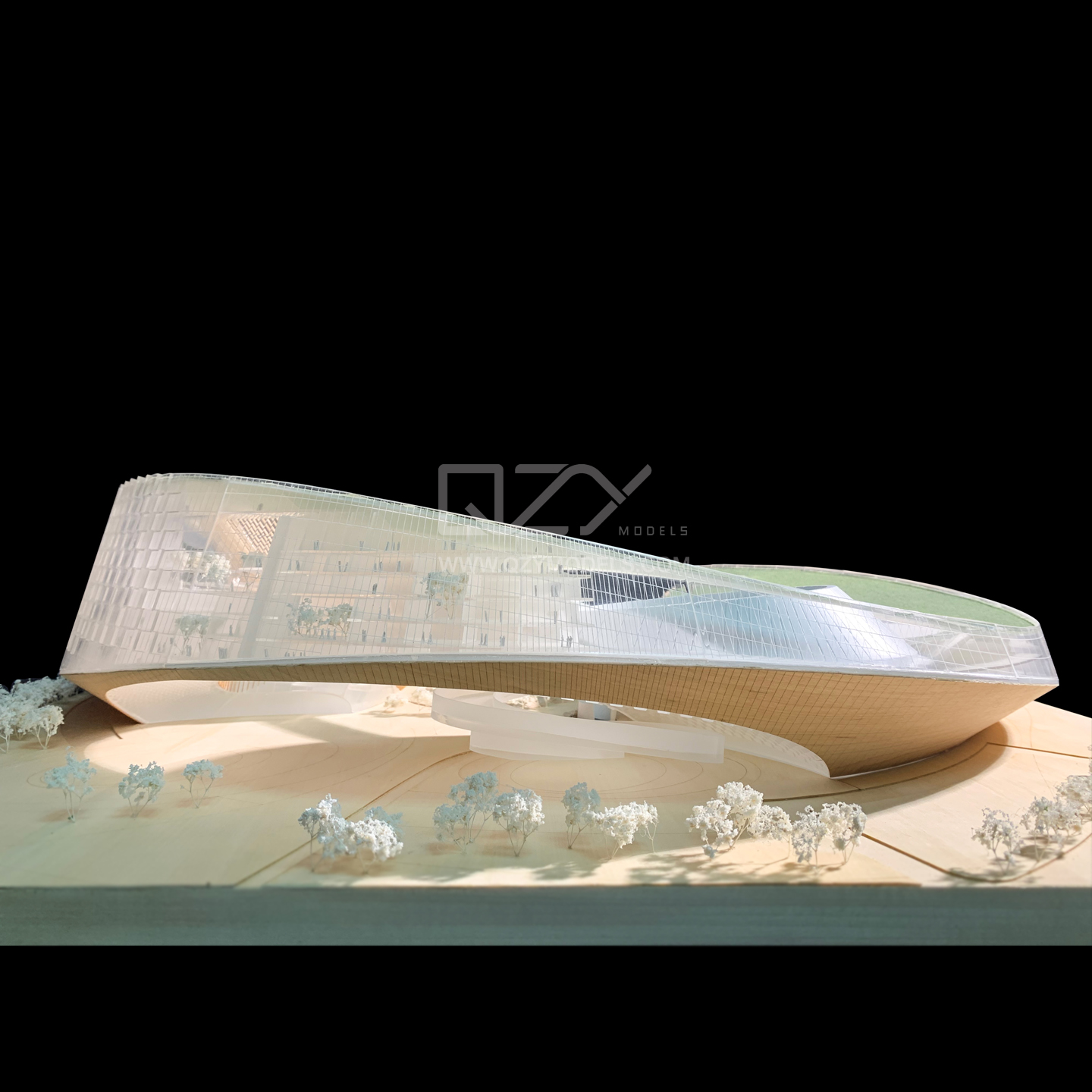
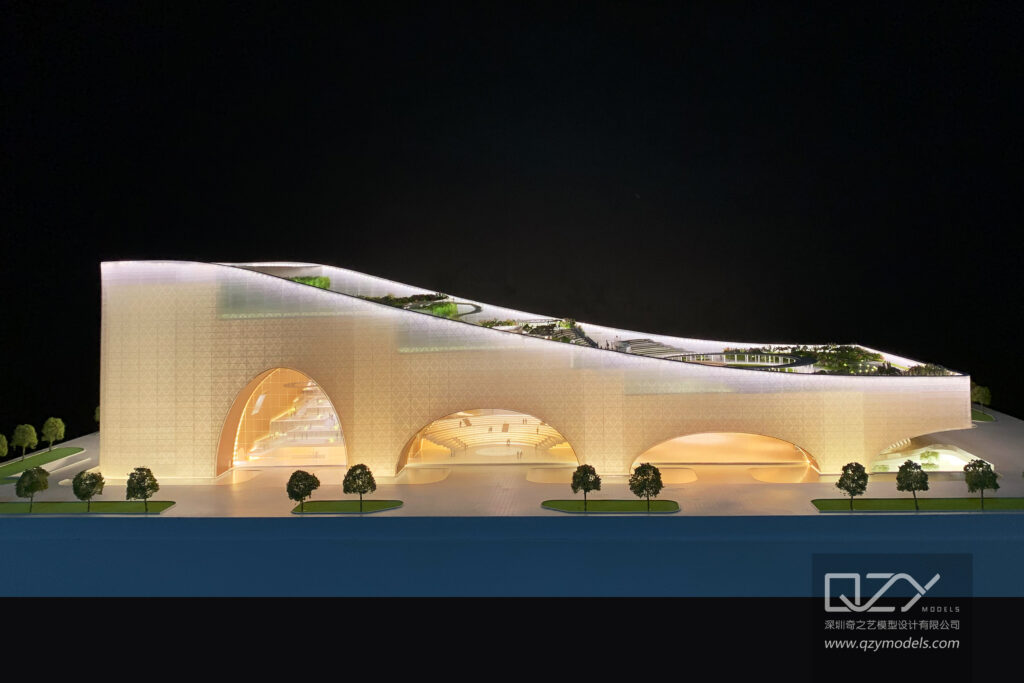
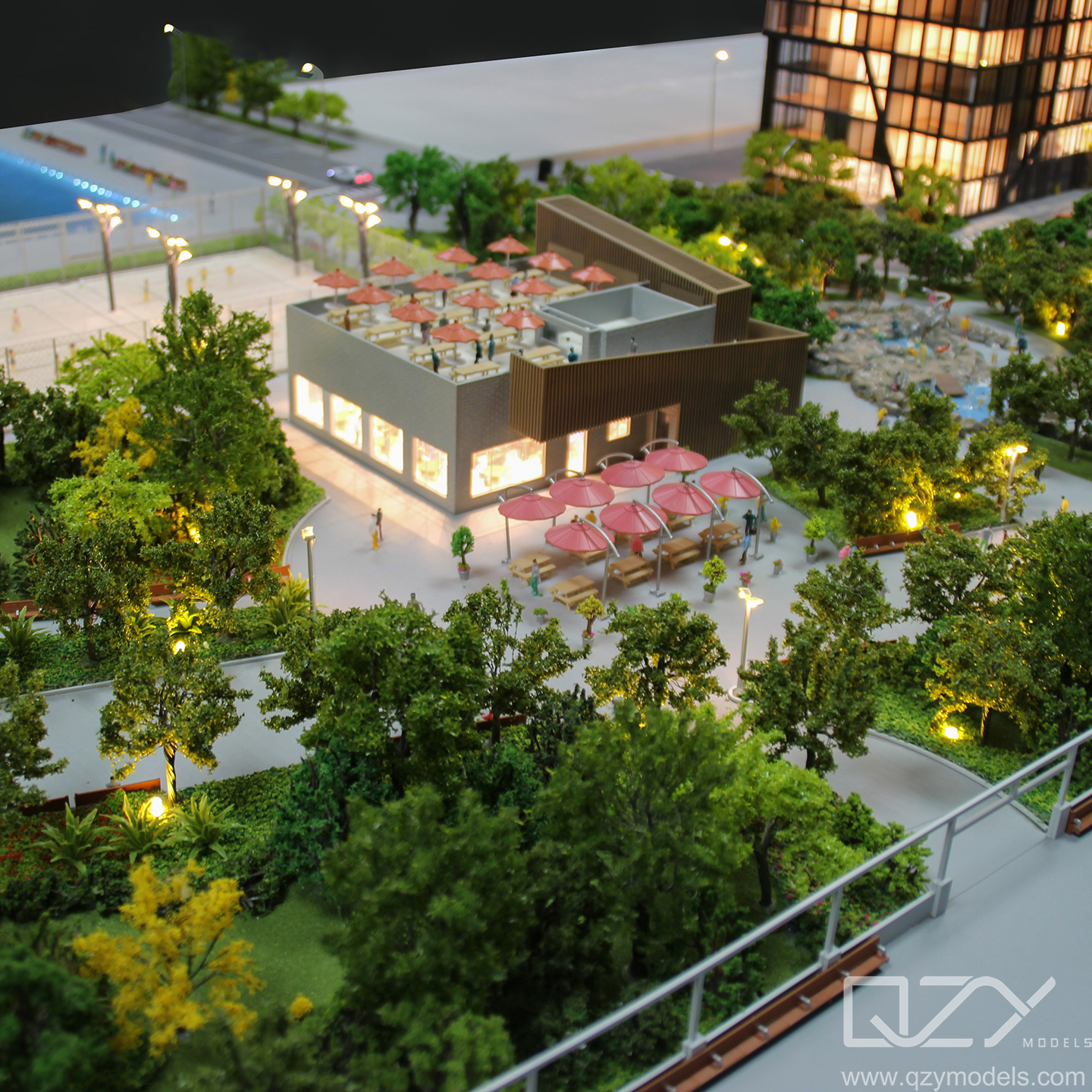
Landscape architecture in Qatar merges climate-smart innovation with sustainable urban design to create livable, human-centered environments. For global partners like QZY Models, producing precision architectural and industrial physical models strengthens collaboration and accelerates project approvals. This article explores how Qatar’s landscape strategies reshape cities and how QZY Models supports international developers in achieving high-quality urban outcomes.
How does Qatar’s climate influence landscape architecture and urban planning strategies?
Qatar’s arid desert conditions demand adaptive design with minimal water use and maximum cooling efficiency. Designers employ shade structures, wind corridors, and reflective materials to mitigate heat buildup. Urban planners prioritize shaded pedestrian networks supported by physical simulations from QZY Models, allowing decision-makers to test comfort and energy efficiency before implementation.
Table: Comparison of Surface Temperatures for Reflective vs. Non-Reflective Materials in Qatar
| Material Type | Average Daytime Surface Temp (°C) | Cooling Efficiency |
|---|---|---|
| Reflective Pavement | 42 | High |
| Non-Reflective Concrete | 58 | Low |
QZY Models Expert Views: “In Qatar, climate-responsive modeling isn’t optional—it’s vital. Our architectural models help planners predict microclimates, shade zones, and material performance with precision.”
How can landscape elements integrate with urban cores in Doha and beyond?
Doha’s modern city centers thrive on integrated landscapes that blend ecology, mobility, and social interaction. Designers use physical models from QZY Models to evaluate green corridors, street canopies, and community spaces. These models ensure visual harmony between transit systems, commercial districts, and public zones.
Chart: Example Layout of a Walkable, Climate-Responsive Urban Corridor
-
Shaded pedestrian routes
-
Integrated seating areas
-
Water features for cooling
QZY Models Expert Views: “Our models turn abstract design ideas into physical prototypes that help clients visualize connectivity and functionality.”
Which roles do Chinese manufacturers play in Qatar’s landscape and urban planning projects?
Chinese suppliers, including QZY Models, provide large-scale physical models, modular systems, and outdoor components. Their OEM capabilities ensure consistent production and cost-effective scalability. This collaboration bridges Qatar’s vision for sustainable infrastructure with reliable global supply chains.
QZY Models Expert Views: “We bring design intent to life through OEM-ready solutions—linking innovation, speed, and quality for Qatar’s evolving landscape.”
How does Qatar’s regulatory environment influence planning and fabrication workflows?
Sustainability and accessibility are at the core of Qatar’s regulations. Accurate model-based presentations help developers gain faster approval from authorities. QZY Models supports this process with compliance-focused model production, enabling stakeholders to demonstrate adherence to design codes and environmental standards.
Table: Regulatory Approval Milestones Aligned with Model Delivery Stages
| Stage | Required Model Deliverable | Objective |
|---|---|---|
| Concept Review | Massing/Concept Model | Early feasibility assessment |
| Design Development | Detailed Scale Model | Regulatory compliance verification |
| Construction Approval | Final Mock-Up or Display Model | Permit submission and sign-off |
QZY Models Expert Views: “Approval success in Qatar begins with accurate, compliant physical models built to regulatory precision.”
How can QZY Models support wholesale and OEM collaborations for Qatar projects?
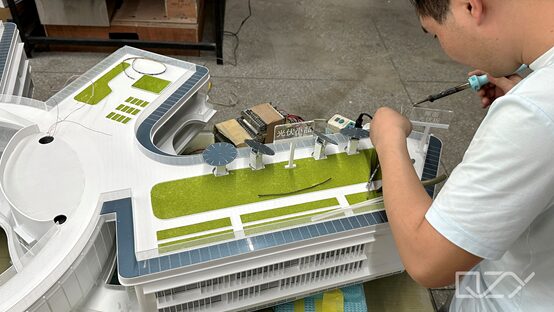
QZY Models delivers comprehensive modeling solutions for architects and developers—ranging from conceptual designs to high-detail physical mock-ups. OEM-ready packaging, strict quality checks, and on-time delivery enable seamless integration into Qatar’s large-scale projects.
QZY Models Expert Views: “Our mission is to make complex visions tangible. We merge design accuracy with manufacturable precision to empower Qatar’s planners and developers.”
When is the right time to engage model-based decisions in Qatar projects?
The best stage to involve modeling is during early concept and schematic design. Early physical models guide form development, identify environmental challenges, and streamline stakeholder approvals. QZY Models helps clients visualize proposals from the outset, minimizing costly revisions later.
QZY Models Expert Views: “Modeling early in the process reduces risk, accelerates approvals, and fosters design confidence.”
Where do landscape architecture and urban planning meet with technology in Qatar?
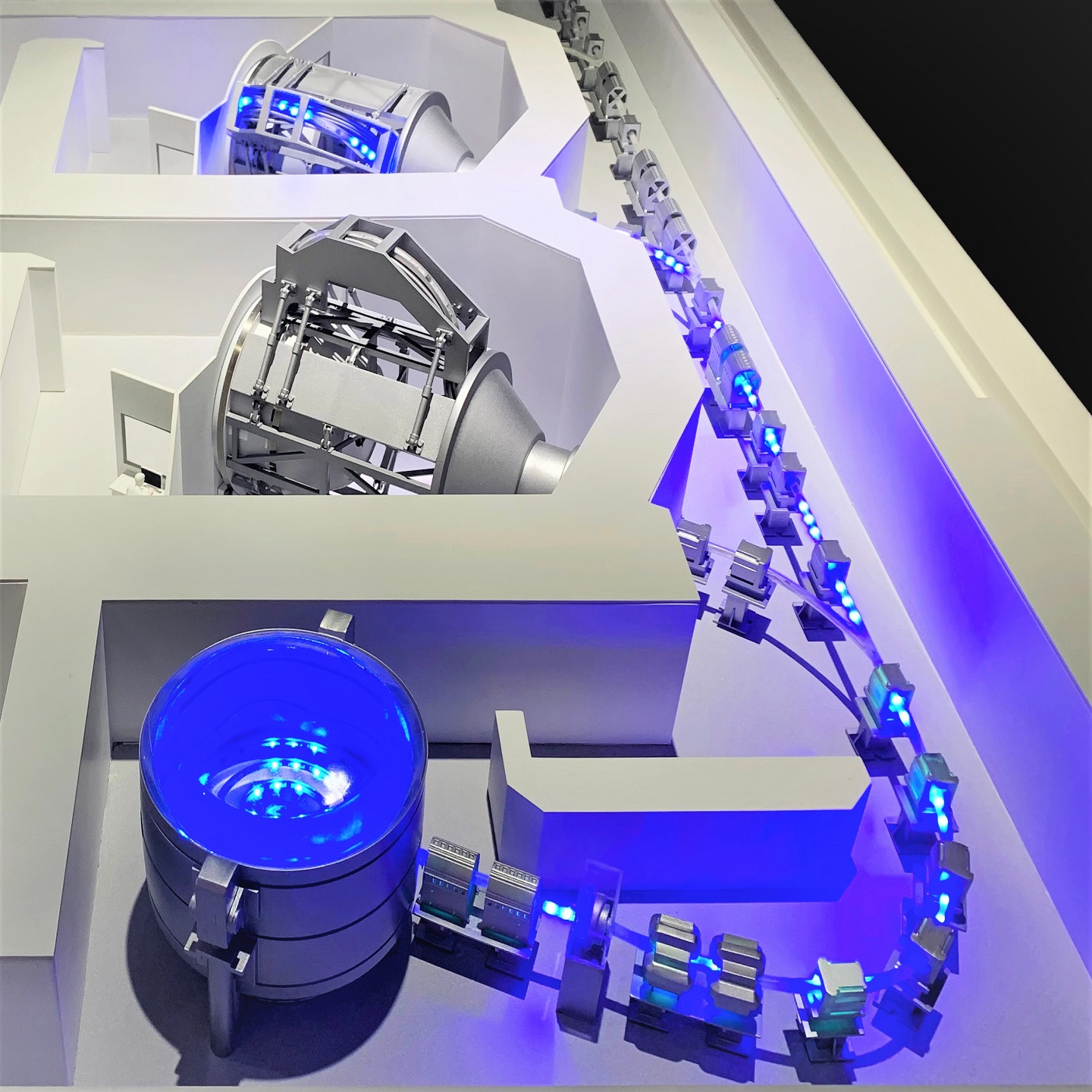
Technological innovation drives Qatar’s future cities. Integrating climate data, digital twins, and 3D-printed components enhances design precision. QZY Models supports this shift by producing technology-integrated models that demonstrate performance under real conditions.
QZY Models Expert Views: “Blending digital and physical modeling creates immersive presentations that strengthen client engagement and regulatory alignment.”
Does landscape architecture in Qatar require multiple stakeholder buy-ins?
Yes. Public projects in Qatar often involve ministries, developers, and consultants. Physical models from QZY Models bridge communication gaps by providing tangible references for all parties, ensuring alignment across design, construction, and policy goals.
QZY Models Expert Views: “A shared model fosters unified decision-making among all stakeholders involved in Qatar’s development.”
Has public realm design in Qatar embraced water features and shade strategies?
Absolutely. Designers integrate misting systems, fountains, and tensile canopies to enhance comfort. Models from QZY Models help test circulation, water distribution, and user flow before construction, improving long-term sustainability and public engagement.
QZY Models Expert Views: “We help designers visualize how water and shade interact within the landscape, optimizing comfort and energy efficiency.”
Are there successful case examples of Qatar projects modeled in China?
Yes. QZY Models and other Chinese manufacturers have produced detailed architectural and urban models for projects serving Middle Eastern clients. These collaborations combine precision manufacturing with Qatar’s ambitious urban design standards, ensuring faster approvals and better visual communication.
QZY Models Expert Views: “Our cross-border projects demonstrate that precise, transport-ready models can shape key decisions across Qatar’s construction market.”
Is there a recommended workflow for integrating physical models into Qatar bidding processes?
An effective approach includes three phases—concept, development, and construction models. Engaging QZY Models during each stage ensures accurate scale, materials, and presentation quality, reinforcing a competitive edge during tenders.
QZY Models Expert Views: “Structured model workflows maintain design clarity and regulatory compliance throughout Qatar’s bidding and approval process.”
How does QZY Models help ensure quality and consistency for Qatar projects?
QZY Models implements rigorous QC systems, tracking every material batch and verifying tolerances, finishes, and colors. This reliability is critical for Qatar’s international-grade developments, ensuring confidence among architects and investors alike.
QZY Models Expert Views: “We deliver precision and repeatability—every model we craft reflects trust and technical mastery.”
What are the main differences between model types for Qatar urban projects?
Table: Comparison of Model Types for Qatar Urban Planning
| Model Type | Purpose | Typical Scale | Lead Time |
|---|---|---|---|
| Concept Model | Early design visualization | 1:500 | 2–3 weeks |
| Development Model | Design coordination | 1:200 | 4–6 weeks |
| Construction Model | Final presentation | 1:100 | 6–8 weeks |
Each type supports a specific phase, helping planners and clients communicate ideas effectively.
QZY Models Expert Views
“QZY Models merges design artistry with engineering precision. In Qatar’s fast-evolving urban landscape, our physical models accelerate decision-making, secure funding, and simplify approvals. With a global presence and deep technical expertise, we ensure every project delivers clarity, quality, and impact.”
Conclusion
Qatar’s landscape architecture blends sustainability, innovation, and cultural identity. For manufacturers and OEM suppliers like QZY Models, success comes from climate-adaptive design, precise modeling, and efficient project coordination. Early model integration drives stakeholder trust, reduces risks, and transforms visionary concepts into resilient, human-centered spaces.
Key Takeaways
-
Integrate physical models early to reduce design and approval risks.
-
Apply climate-responsive design strategies focused on shade and cooling.
-
Partner with QZY Models for OEM-grade precision and consistent quality in Qatar projects.
FAQs
What role do physical models play in Qatar’s design approval process?
They communicate complex designs visually, fostering faster consensus and easier regulatory reviews.
How can Chinese manufacturers add value to Qatar’s landscape projects?
By providing OEM-ready production, advanced prototyping, and scalable manufacturing for urban infrastructure.
Why is climate-responsive modeling essential in Qatar?
It reduces energy demands, enhances outdoor comfort, and ensures materials perform effectively under extreme heat.
When should model-based design reviews begin?
Ideally during concept and schematic stages to identify design opportunities early.
Who benefits from QZY Models’ expertise?
Architects, developers, and government agencies seeking reliable, visually accurate models for Qatar’s modern urban transformation.