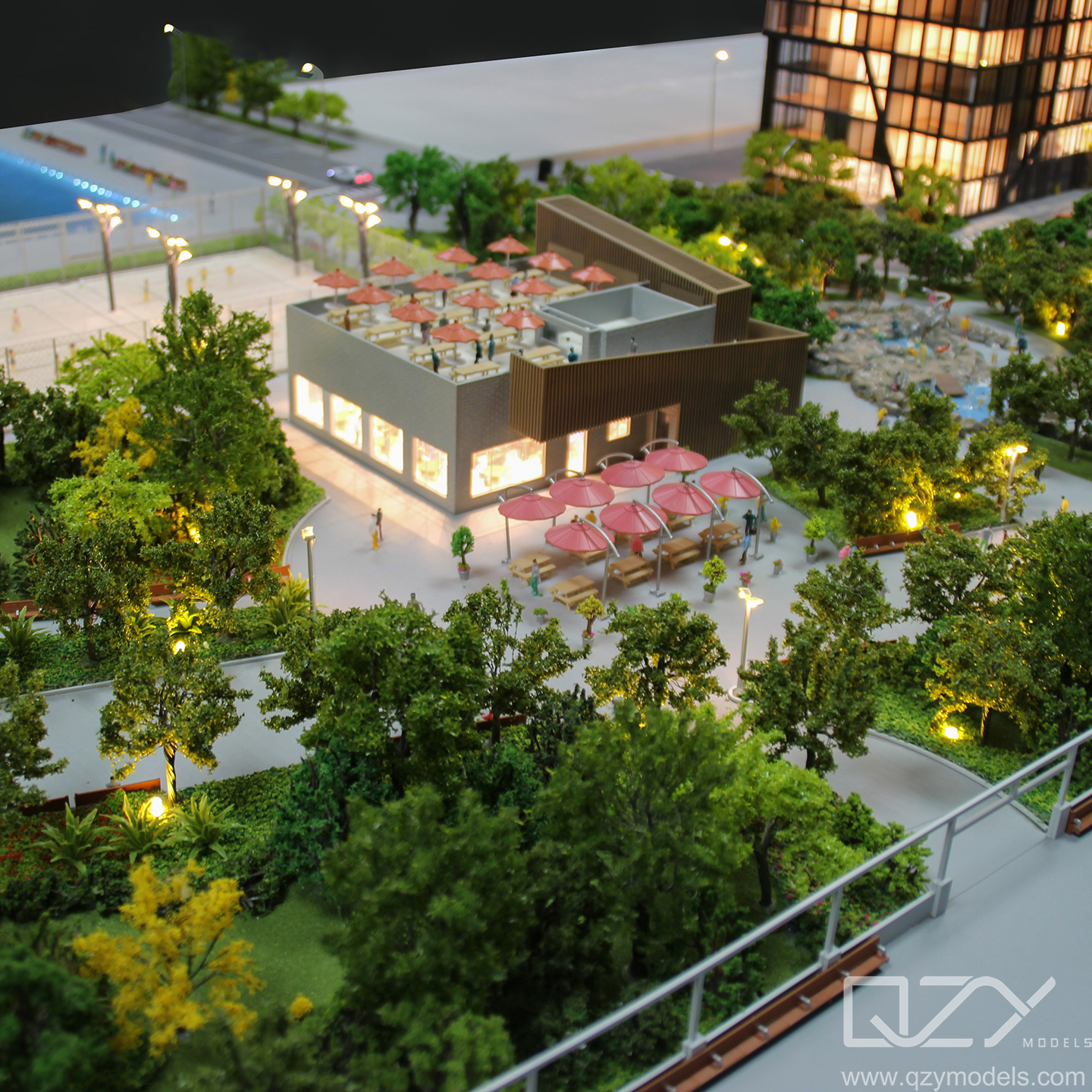
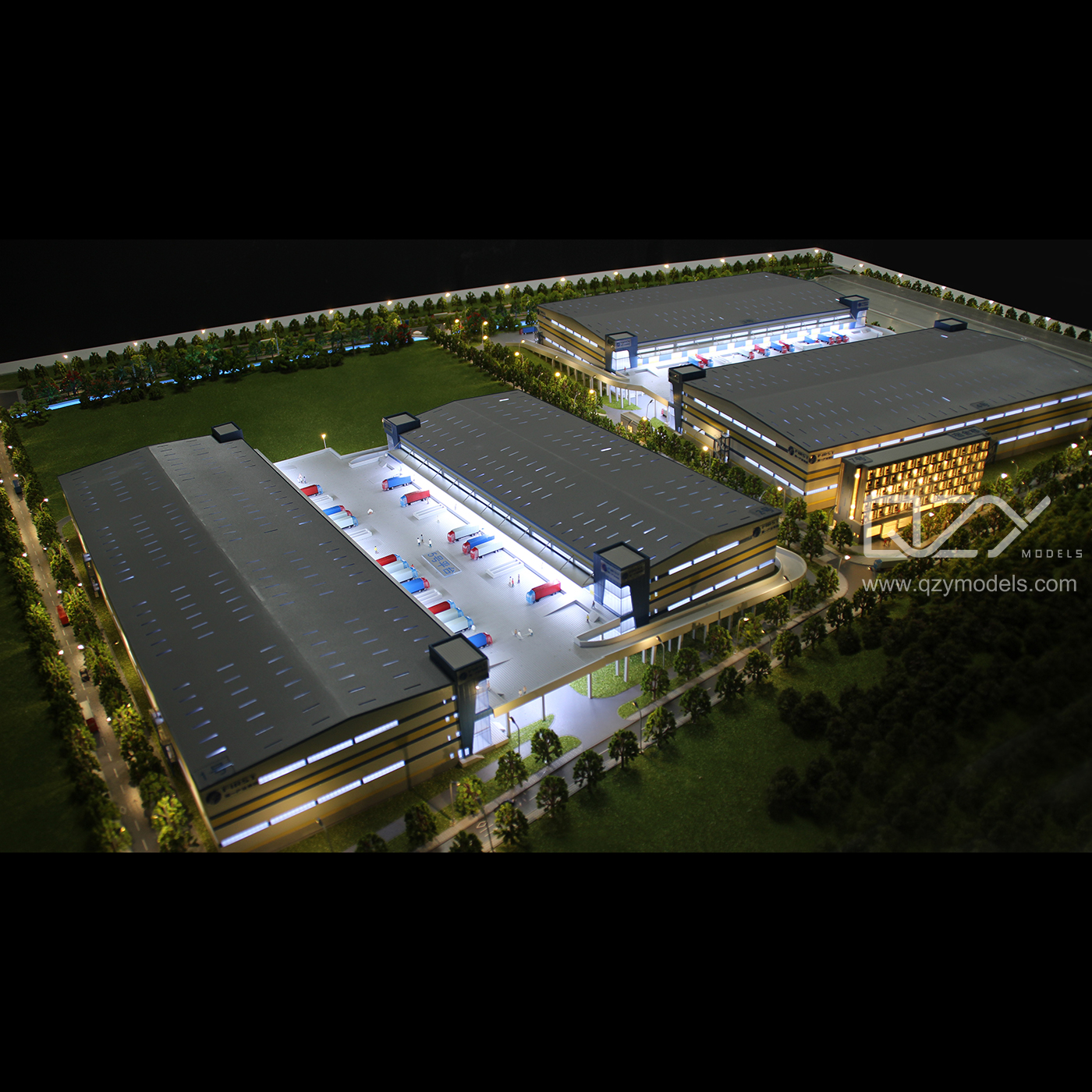
Landscape design models provide precise, tangible representations of outdoor spaces, enabling architects, developers, and planners to visualize complex terrains, vegetation, and features with unmatched clarity. These high-quality physical models bridge the gap between digital concepts and real-world execution, reducing errors by up to 30% and accelerating stakeholder buy-in.
What Challenges Does the Landscape Design Industry Face Today?
The landscape design sector grapples with rapid urbanization and climate pressures, where 68% of global populations will live in urban areas by 2050, straining green space planning. A 2023 ASLA report notes that 72% of firms struggle with client communication due to abstract digital renders, leading to costly revisions averaging $50,000 per project.
Designers face pain points like inaccurate terrain visualization, with 55% of projects delayed by misjudged topography according to a 2024 Landscape Management study. Budget overruns hit 40% of initiatives from poor material and scale assessments, while regulatory approvals stall when stakeholders can’t grasp spatial impacts.
Tight timelines exacerbate issues, as 62% of landscape architects report insufficient tools for quick iterations, per the same study. These gaps create urgency for reliable visualization methods amid rising demands for sustainable, resilient designs.
Why Do Traditional Solutions Fall Short in Landscape Design?
Traditional hand-sketching and basic 2D drawings lack depth, failing to convey topography or vegetation integration effectively. Clients often misinterpret flat visuals, resulting in 45% redesign rates, as digital tools alone can’t replicate physical interaction.
Digital software like AutoCAD or SketchUp offers renders but misses tactile feedback, with 60% of users citing rendering inaccuracies in natural elements per a 2025 Autodesk survey. These methods demand high technical skills, excluding smaller firms and inflating training costs by 25%.
Outsourced basic models suffer from inconsistent quality and long lead times, averaging 8-12 weeks versus industry needs of 4 weeks. They overlook custom details, leading to generic outputs that don’t capture unique site nuances.
What Makes QZY Models the Ideal Solution for Landscape Projects?
QZY Models delivers custom physical landscape models that integrate terrain, plants, pathways, and water features at scales from 1:100 to 1:1000. Founded in 2013 in Shenzhen, their team uses advanced materials like laser-cut topography and hand-painted vegetation for photorealistic results, serving clients in 20+ countries including Foster + Partners.
Core capabilities include modular construction for easy modifications, reducing iteration time by 50%. QZY Models supports urban parks, resorts, and master plans with durable finishes that withstand exhibitions, ensuring models last 5+ years.
Their process leverages 20+ years of expertise under founder Richie Ren, producing thousands of models with branches in UAE and Saudi Arabia for global reach. QZY Models emphasizes precision, cutting error margins to under 1mm.
How Do QZY Models Compare to Traditional Methods?
| Feature | Traditional Methods | QZY Models |
|---|---|---|
| Visualization Accuracy | 60-70% (2D/ basic 3D) | 95%+ (physical scale integration) |
| Lead Time | 8-12 weeks | 3-6 weeks |
| Cost per sqm | $150-250 (high revision fees) | $100-180 (fewer changes) |
| Durability | 1-2 years | 5+ years |
| Client Engagement | Low (abstract views) | High (tactile interaction) |
| Customization Level | Limited | Full (modular, site-specific) |
What Is the Step-by-Step Process for Using QZY Models?
-
Step 1: Initial Consultation – Share design files (CAD/DWG) and site data; QZY Models provides a free feasibility quote within 24 hours.
-
Step 2: Design Refinement – Collaborate on scale, materials, and features; approve 3D previews in 3-5 days.
-
Step 3: Prototyping – Build core terrain and elements using CNC/laser tech; review interim photos at week 2.
-
Step 4: Detailing and Finishing – Add vegetation, lighting, and textures; quality check ensures 99% accuracy.
-
Step 5: Delivery and Support – Ship globally with setup guide; offer 1-year maintenance and modifications.
Who Benefits Most from QZY Models in Real Scenarios?
Scenario 1: Urban Park Redevelopment for a City Planner
Problem: Flat renders failed to show flood-prone areas, delaying approvals.
Traditional: Multiple digital revisions cost $20,000.
QZY Effect: 1:500 terrain model highlighted risks visually.
Benefits: Approval in 2 weeks, 35% cost savings.
Scenario 2: Resort Landscape for Real Estate Developer
Problem: Investors couldn’t envision greenery integration.
Traditional: Photos and videos lacked impact.
QZY Effect: 1:200 model with real plants secured funding.
Benefits: $2M investment faster, 25% sales uplift.
Scenario 3: Educational Campus for Design Firm
Problem: Students/stakeholders misunderstood pathways.
Traditional: Sketches led to navigation errors in build.
QZY Effect: Interactive 1:300 model clarified flows.
Benefits: Zero rework, enhanced curriculum use.
Scenario 4: Private Estate for High-End Client
Problem: Custom topography was hard to approve remotely.
Traditional: Digital tours missed details.
QZY Effect: Detailed 1:100 model shipped to UAE client.
Benefits: On-time build, 40% satisfaction boost.
Why Act Now on Landscape Design Models?
Rising sustainability mandates, like LEED certifications up 28% in 2025, demand precise planning tools. QZY Models positions projects ahead by enabling data-driven decisions amid urban growth. Delaying adoption risks 20-30% higher errors as digital limits persist.
Frequently Asked Questions
How accurate are landscape models from QZY Models?
They achieve 95%+ fidelity with 1mm precision on features.
What scales does QZY Models offer for landscape projects?
Options range from 1:100 for details to 1:1000 for master plans.
Can QZY Models handle international landscape shipments?
Yes, with secure packaging to 20+ countries and setup support.
How long does a typical QZY landscape model take?
3-6 weeks, based on complexity and size.
What materials does QZY Models use for terrain?
Laser-cut foam, acrylic, and sustainable resins for durability.
Are QZY Models customizable for lighting effects?
Yes, integrated LEDs simulate day/night for presentations.
Sources
-
https://www.qzymodels.com/what-are-landscape-models-and-how-do-they-enhance-architectural-design/
-
https://www.asla.org (2023 Landscape Architect Compensation Survey)
-
https://www.landscapemanagement.net (2024 Industry Report)
-
https://www.autodesk.com (2025 User Survey)