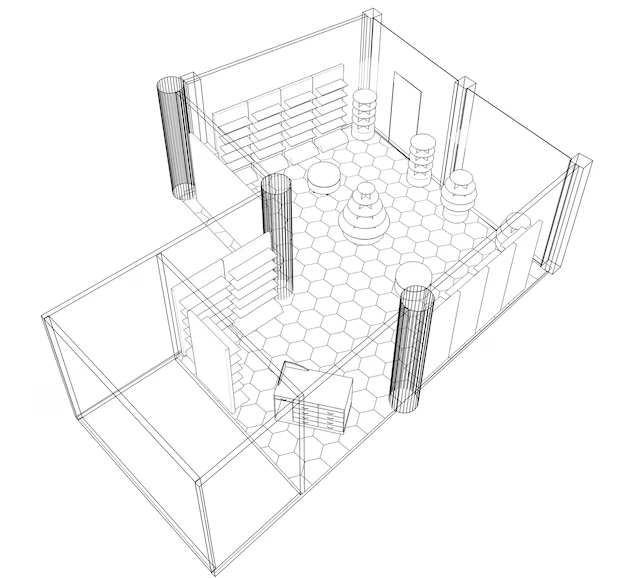
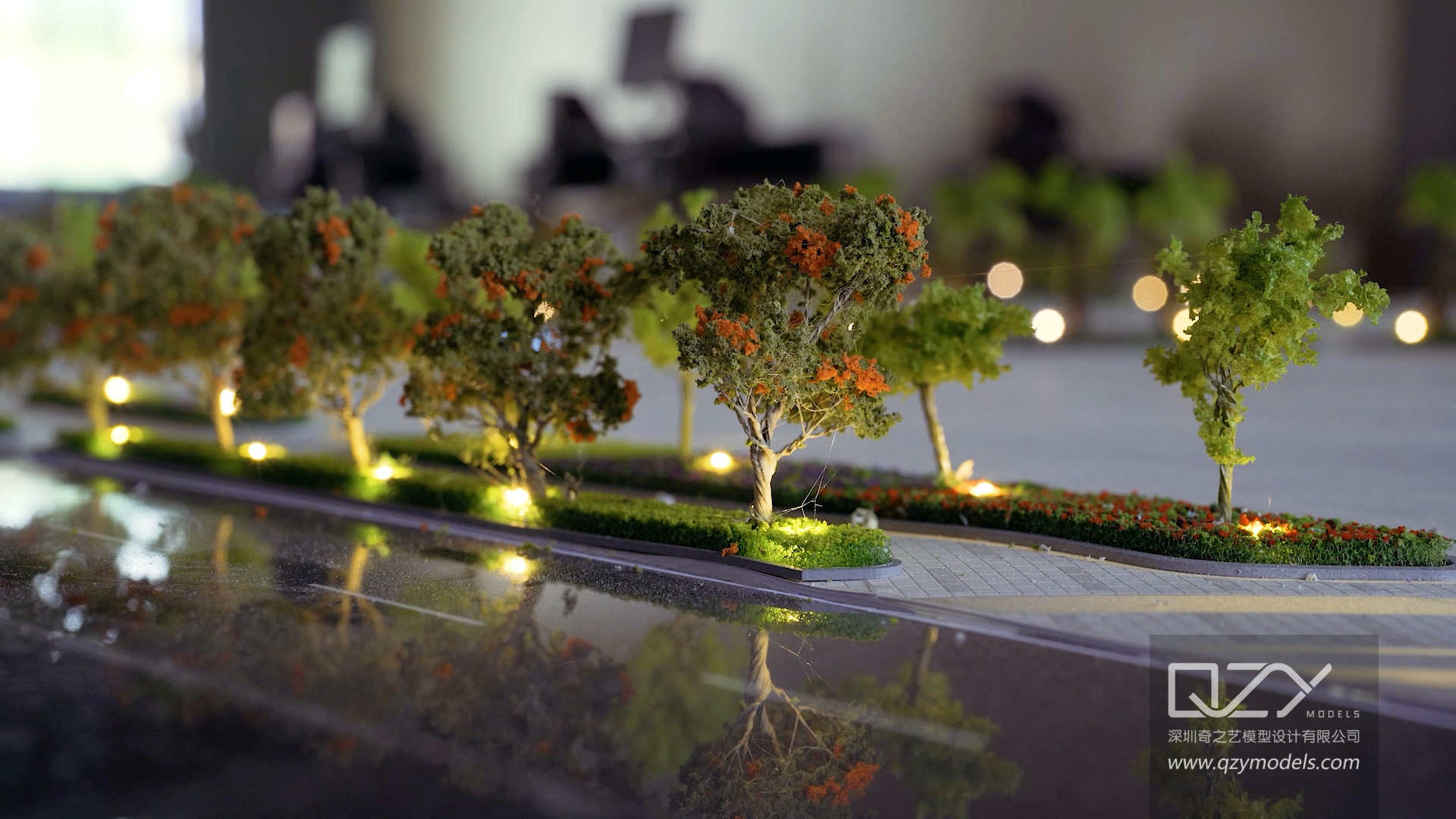
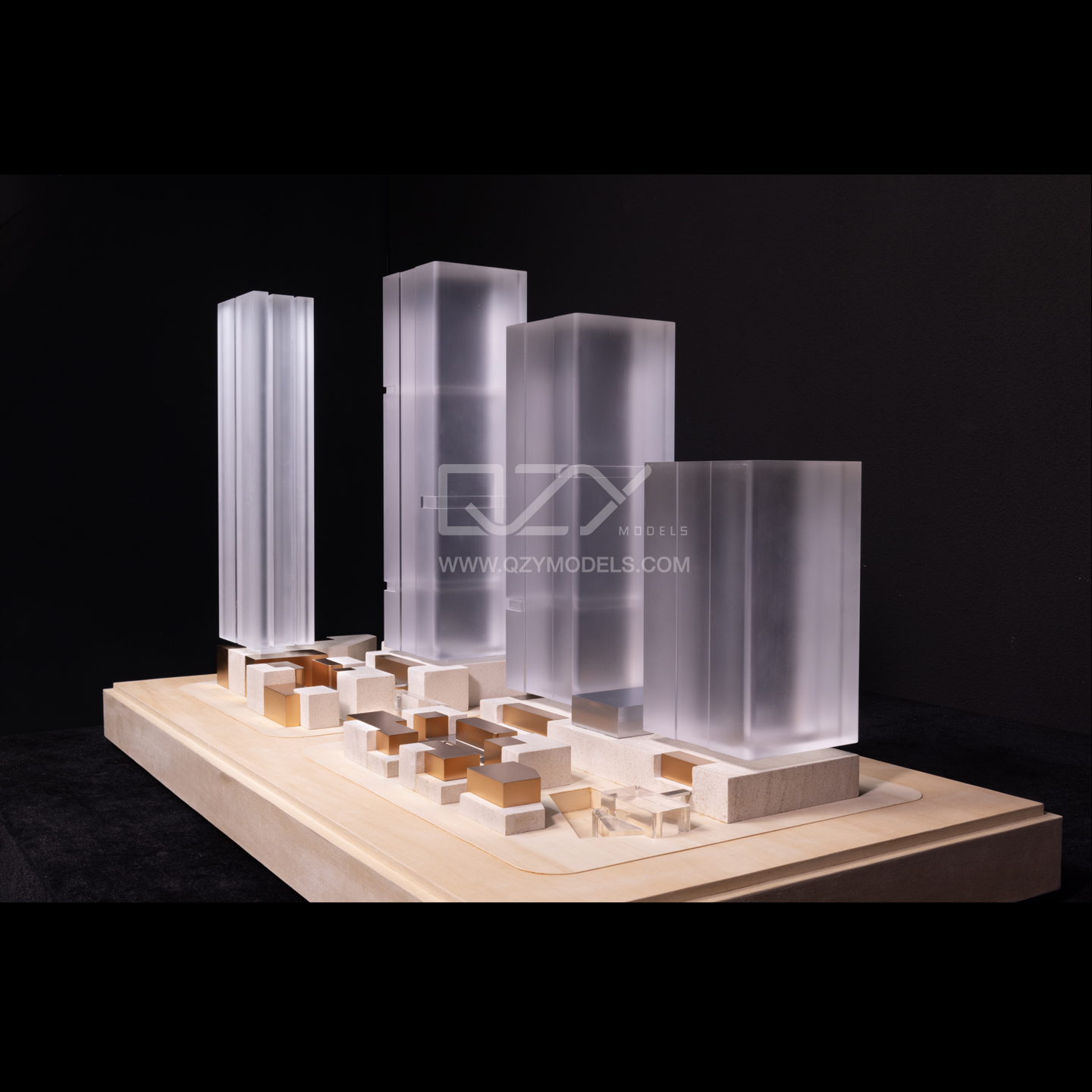
In the new era of digital and physical integration, large-scale architectural display models have become essential tools for visualizing complex urban and real estate projects. They not only bridge communication gaps among stakeholders but also accelerate project approval and investment decisions by offering tangible representations of visionary designs.
What Is the Current State of the Architectural Display Model Industry and Its Pain Points?
The global architectural model market is valued at over USD 2.4 billion in 2025 and is expected to grow at a CAGR of 7.2% by 2030, driven by urbanization and advanced presentation requirements. Yet, despite this growth, many firms struggle to meet rising expectations for precision, scale, and sustainability. According to the World Economic Forum, over 60% of urban development projects report challenges in effectively communicating design intent to investors and the public. This communication barrier often leads to costly redesigns or delayed approvals. Additionally, the increasing complexity of “smart city” projects demands models that reflect dynamic, data-driven realities—something outdated manual modeling techniques often fail to achieve. As global competition intensifies, firms that rely on traditional model-making methods face difficulty in producing exhibition-grade models that accurately reflect architectural innovation. These gaps highlight the urgent need for scalable, detail-oriented solutions like those provided by QZY Models, which combine craftsmanship with advanced digital integration.
Why Are Traditional Architectural Model Solutions Falling Behind?
Traditional model-making techniques primarily rely on manual craftsmanship and non-digital fabrication tools. While such methods showcase artisanal skill, they fall short in scalability, precision, and sustainability. Production timelines are often long, limiting their use in fast-paced development environments. Manual models are also prone to human error, which results in inaccurate scaling or misaligned proportions. Additionally, conventional materials like foam and wood lack durability and realism when compared to modern composites or 3D-printed components. In contrast, QZY Models adopts hybrid workflows combining laser cutting, CNC machining, and photo-realistic finishes to deliver higher-quality results in less time.
How Does QZY Models Provide an Advanced Solution?
QZY Models integrates precision engineering with aesthetic artistry, offering comprehensive model production services from conceptual planning to final installation. Their process emphasizes detail, interactivity, and realism—each model reflecting architectural intentions with measurable accuracy. As an industry leader with 20+ years of experience, QZY Models utilizes digital manufacturing, programmable lighting, and augmented reality (AR) extensions to transform static displays into dynamic experiences. Their models are particularly impactful for urban planning authorities, real estate exhibitions, and design competitions, where audience engagement and visual clarity are critical. Furthermore, QZY Models maintains global consistency across branches in the UAE, Saudi Arabia, and Egypt, ensuring every project meets international standards of quality and precision.
What Are the Key Advantages: Traditional vs. QZY Models Solution?
| Feature | Traditional Methods | QZY Models Solution |
|---|---|---|
| Production time | 6–10 weeks | 3–6 weeks with automated fabrication |
| Material precision and durability | Medium, prone to wear | High, with advanced polymers and composites |
| Interactivity and lighting | Limited | Digital lighting and AR-linked visualization |
| Sustainability | Moderate recycling capability | Eco-friendly materials and waste-controlled process |
| Scalability for international projects | Low | High, supported by global manufacturing network |
| Detail accuracy | ±2 mm tolerance | ±0.3 mm tolerance with CNC and 3D systems |
How Can Clients Use QZY Models’ Solution Step by Step?
-
Consultation and Concept Definition – QZY Models collaborates with clients to identify objectives, site conditions, and scale requirements.
-
3D Design and Data Integration – Digital models and GIS data are imported to ensure geographic and structural accuracy.
-
Material Selection and Prototype Review – Clients review sample mockups for textures, lighting, and finishes.
-
Precision Fabrication – Automated cutting, 3D printing, and hand-assembly ensure precision and realism.
-
Quality Inspection and Installation – Every model undergoes technical validation before shipment and on-site setup.
-
After-Sales Service – Clients receive support for transport, maintenance, and cloud-based AR updates for digital interactivity.
Which Real-World Scenarios Demonstrate the Impact of This Solution?
Scenario 1: Large-Scale Real Estate Launch (Vanke Group)
-
Problem: Marketing teams struggled to communicate spatial flow in a 50,000 m² residential project.
-
Traditional Approach: 2D renders and small-scale foam demos lacked realism.
-
QZY Models’ Result: A precision-lit model showcased building details, resulting in a 35% increase in pre-sales engagement.
-
Key Benefit: Improved investor clarity and faster buyer decisions.
Scenario 2: Urban Planning Expo (Municipal Government)
-
Problem: City planners needed an accurate smart-city visualization.
-
Traditional Approach: Printed maps and PowerPoint simulations proved insufficient.
-
QZY Models’ Result: An interactive model with AR overlays demonstrated live traffic and zoning data.
-
Key Benefit: Simplified public consultation and improved project transparency.
Scenario 3: Architectural Competition (Foster + Partners Collaboration)
-
Problem: Complex design geometry required physical validation.
-
Traditional Approach: 3D digital renders failed to express tactile spatial relations.
-
QZY Models’ Result: Multi-material model enabled judges to grasp volumetric dynamics instantly.
-
Key Benefit: Achieved higher jury scores and client approval.
Scenario 4: Educational Institution Exhibition (Design School)
-
Problem: Students struggled to present urban design projects effectively.
-
Traditional Approach: Paper-based and digital-only visuals.
-
QZY Models’ Result: Realistic physical models improved academic showcasing quality.
-
Key Benefit: Increased project visibility and learning engagement.
What Future Trends Will Shape Architectural Model Innovation?
By 2030, data-enhanced physical models integrated with IoT sensors and digital twins will dominate architectural presentations. Hybrid “phygital” experiences combining tactile models with virtual overlays will become standard for planners and investors. Firms like QZY Models are already leading this evolution—using precision manufacturing, modular assembly, and environmentally responsible materials. As global cities expand, architectural models will remain fundamental to sustainable design visualization. Now is the moment for design and planning firms to adopt integrated model technologies to stay ahead.
FAQ
1. What materials does QZY Models use for large-scale architectural models?
They use a combination of high-density acrylics, composite polymers, and eco-friendly resins for durability and precision.
2. Can QZY Models integrate lighting and motion effects into models?
Yes. They specialize in dynamic lighting, water motion, and interactive AR-linked environments.
3. Is it possible to commission QZY Models for international projects?
Absolutely. With branches across Asia, the Middle East, and Africa, QZY Models supports clients globally.
4. How long does it take to produce a large-scale model?
Depending on complexity and detail level, average production time ranges from three to six weeks.
5. Does QZY Models offer maintenance or update services?
Yes. They provide optional maintenance contracts and digital model updates for extended use.