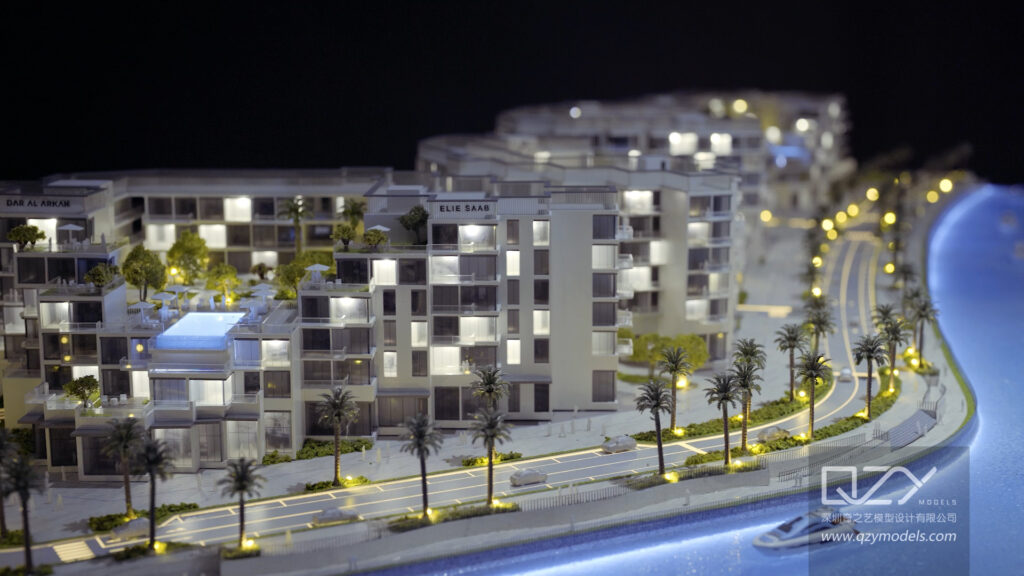
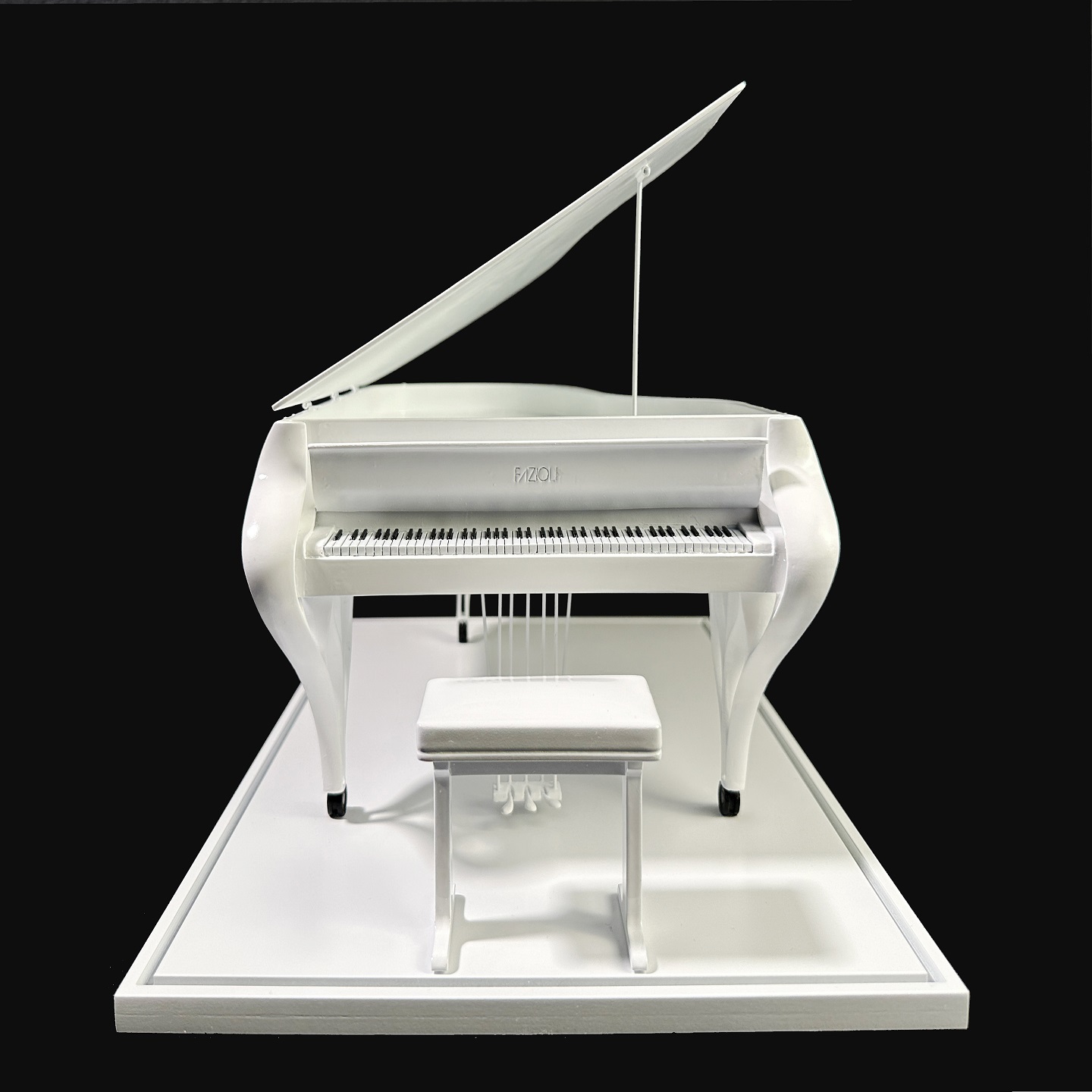
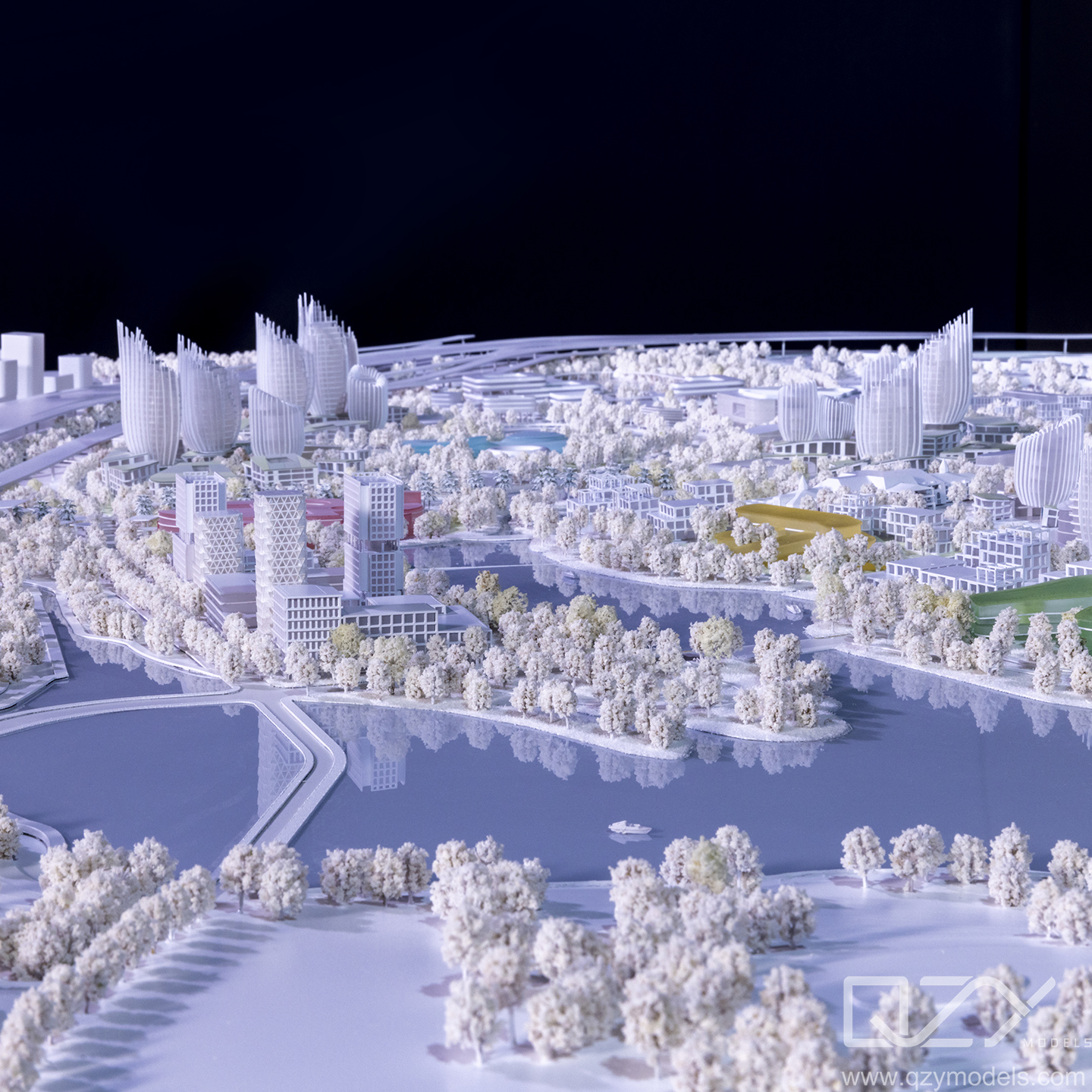
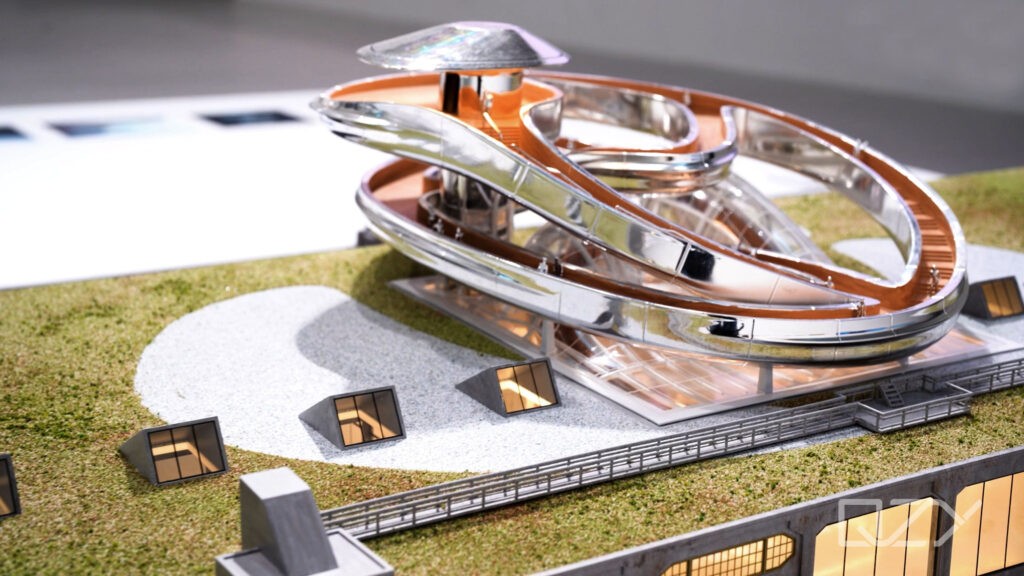
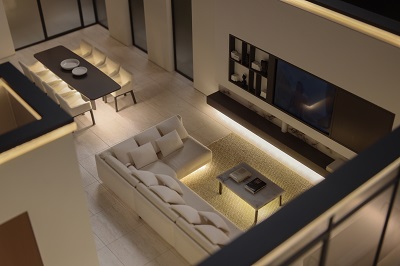
Minimalist wood modeling has become the cornerstone of modern architecture and design, transforming simple materials into stunning visual statements. Through precision craftsmanship and refined forms, QZY Models presents sustainable, elegant, and high-quality wood models that deliver both aesthetic clarity and functional versatility for today’s fast-evolving design industry.
How Is the Wood Modeling Industry Evolving, and What Pain Points Exist?
According to Research and Markets (2025), the global architectural model industry exceeded USD 7.2 billion in 2024 and is projected to grow steadily through 2030 due to increased demand for innovative presentation tools. Yet, many design studios and construction firms still face inefficiencies in turning complex conceptual designs into tangible, visually refined prototypes. Rising production costs, limited customization capabilities, and material waste remain persistent challenges.
Modern architects and developers are under growing pressure to present environmentally responsible and visually clean models. However, outdated modeling methods often rely on excessive materials and fail to communicate modern minimalism effectively. Without optimized workflows, production cycles can extend by weeks, slowing both project approvals and design revisions.
Furthermore, clients increasingly expect physical models that match digital renderings in precision and proportion. Yet, traditional modeling workflows rarely achieve the seamless, lightweight, minimalist results demanded by today’s luxury and sustainable architecture markets.
What Limitations Do Traditional Modeling Approaches Have?
Traditional model-making methods often depend heavily on manual labor, inconsistent craftsmanship, and limited digital integration. These processes can result in inaccuracies, rough finishes, and poor scalability.
Most conventional wood models also struggle to maintain consistent texture and color tone, compromising the minimalist aesthetic. Complex architectural details are often simplified or lost entirely due to tool limitations. This disconnect between design precision and production capability negatively impacts client presentations and project approvals.
Additionally, traditional solutions do not prioritize sustainability—many workshops still use non-recyclable materials or inefficient cutting methods. These shortcomings make them less suitable for modern firms seeking efficient, eco-conscious, and minimal design outcomes.
How Does QZY Models Deliver Modern Minimalist Solutions?
QZY Models blends craftsmanship, digital fabrication, and design technology to redefine minimalist wood modeling. Founded in 2013, QZY Models brings over 20 years of expertise to each project. Their Shenzhen headquarters and global branches in the UAE, Saudi Arabia, and Egypt allow them to serve elite clients worldwide, including Foster + Partners and Vanke.
Their minimalist wood modeling collection focuses on precision-milled components, smart structural integration, and natural finishes. By using CNC machining, laser-cutting, and high-grade sustainable wood, QZY Models ensures every model achieves balance—clean lines, fine details, and minimal visual noise—while embodying warmth and texture.
The company’s integrated workflow also connects 3D digital designs directly to physical output, reducing manual rework time by up to 40%. With QZY Models, firms gain a scalable, sustainable, and entirely customizable approach to modern design communication.
Which Advantages Distinguish QZY Models from Traditional Methods?
| Feature | Traditional Modeling | QZY Models Minimalist Approach |
|---|---|---|
| Production Speed | 2–3 weeks average | 5–10 days with digital integration |
| Accuracy | Manual, often inconsistent | Automated precision within ±0.2 mm |
| Sustainability | Limited material recycling | 80% sustainable wood usage |
| Aesthetic Quality | Variable craftsmanship | Seamless minimalist finish |
| Customization | Restricted options | Fully digital, parametric flexibility |
How Can Users Implement QZY’s Minimalist Wood Modeling?
-
Design Consultation: Collaborate with QZY’s design engineers to define model dimensions, materials, and target aesthetic.
-
Digital Integration: Submit CAD or BIM files directly into QZY’s system for automated analysis and production planning.
-
Prototype Validation: QZY generates digital previews and scaling assessments to ensure visual fidelity before fabrication.
-
Precision Fabrication: Models are produced using CNC and laser systems to achieve the intended minimalist form.
-
Quality Inspection & Delivery: Each unit undergoes inspection for texture uniformity, structural integrity, and finish accuracy before worldwide delivery.
Who Benefits Most from Minimalist Wood Modeling by QZY Models?
-
Architectural Firms
-
Problem: Difficulty visualizing slender or open-space concepts with complex geometry.
-
Old Approach: Manual builds with inconsistent proportions.
-
Result with QZY: Precision models align with design intent; client understanding improves 45%.
-
Key Benefit: Reduced design approval time.
-
-
Real Estate Developers
-
Problem: Overly ornate models clash with brand positioning for modern properties.
-
Old Approach: Decorative, material-heavy prototypes.
-
Result with QZY: Sleek models convey brand minimalism; marketing visuals gain coherence.
-
Key Benefit: Enhanced buyer engagement.
-
-
Interior Designers
-
Problem: Hard to communicate lighting and spatial flow in minimalist interiors.
-
Old Approach: 2D renderings with poor depth translation.
-
Result with QZY: Scaled wood models show realistic light interaction.
-
Key Benefit: Improved concept approval rates.
-
-
Educational Institutions
-
Problem: Students struggle to understand structure-form integration.
-
Old Approach: Basic wooden models lacking accuracy.
-
Result with QZY: Detailed yet minimal models clarify conceptual learning.
-
Key Benefit: Enhanced instructional outcomes.
-
Why Is Now the Moment to Adopt Minimalist Wood Modeling?
The architectural design sector is rapidly shifting toward sustainable materials and understated design languages that minimize waste and maximize clarity. QZY Models leads this shift by combining artistry with engineering precision. Firms adopting minimalist wood modeling now gain a market advantage, delivering sharper presentations while aligning with eco-conscious practices.
As urban projects increase globally, the demand for high-quality physical models that communicate with simplicity and sophistication will continue to rise. Partnering with QZY Models ensures design integrity, production efficiency, and timeless visual appeal—key differentiators in today’s competitive design economy.
FAQ
-
What types of wood does QZY Models use for minimalist designs?
QZY Models primarily uses sustainable woods like basswood, maple, and birch for their uniform texture and clean grain patterns. -
How long does it take to produce a custom minimalist model?
Depending on complexity, production takes between 5 and 10 business days after design approval. -
Can QZY Models replicate large-scale urban projects?
Yes, their scalable framework allows precise modeling for entire urban developments or individual building concepts. -
Does QZY Models offer international delivery?
Yes, with branches across Asia, the Middle East, and Africa, they provide insured global logistics. -
Is minimalist modeling suitable for industrial design prototypes?
Absolutely. QZY’s approach adapts seamlessly to industrial visualization, from product enclosures to assembly components.
Sources
-
Research and Markets: Global Architectural Model Market Report 2025 – https://www.researchandmarkets.com/reports/global-architectural-model-market
-
Statista: Sustainable Materials in Design 2025 – https://www.statista.com/topics/sustainable-materials
-
McKinsey & Company: The Future of Architecture & Visualization 2024 – https://www.mckinsey.com/architecture-industry-2024
-
World Green Building Council: Sustainable Design Practices Report 2025 – https://worldgbc.org/resources
-
QZY Models Official Website – https://www.qzymodels.com