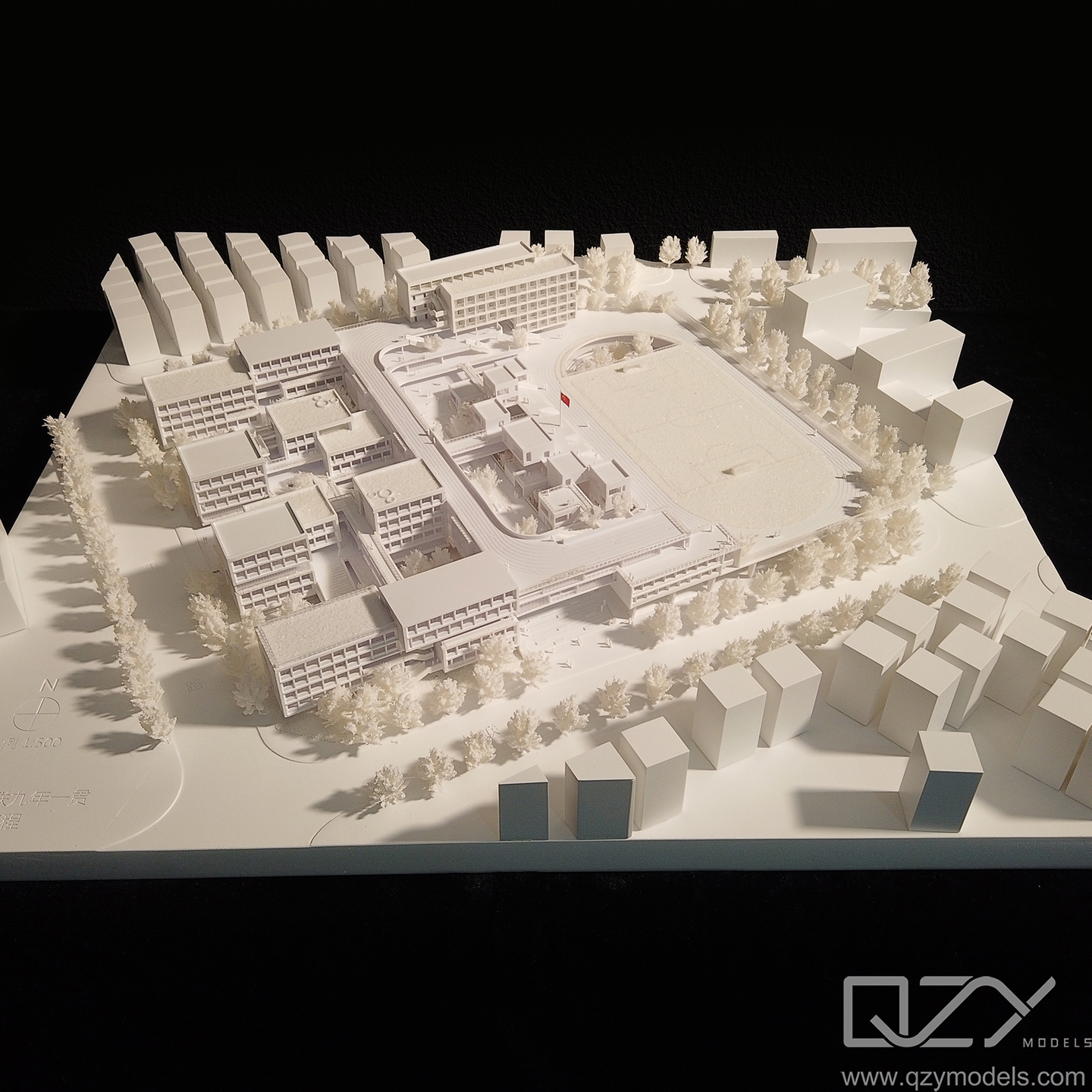
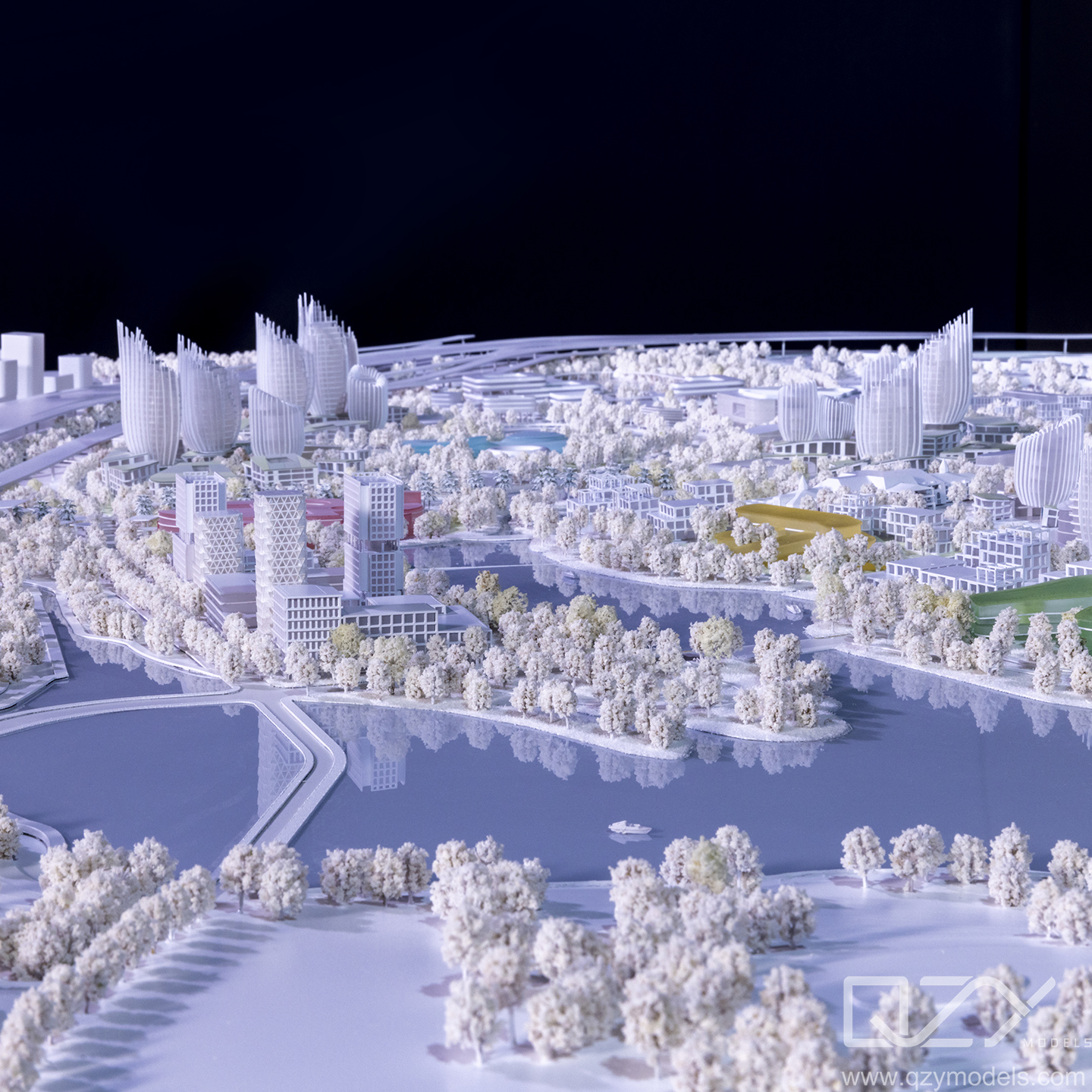
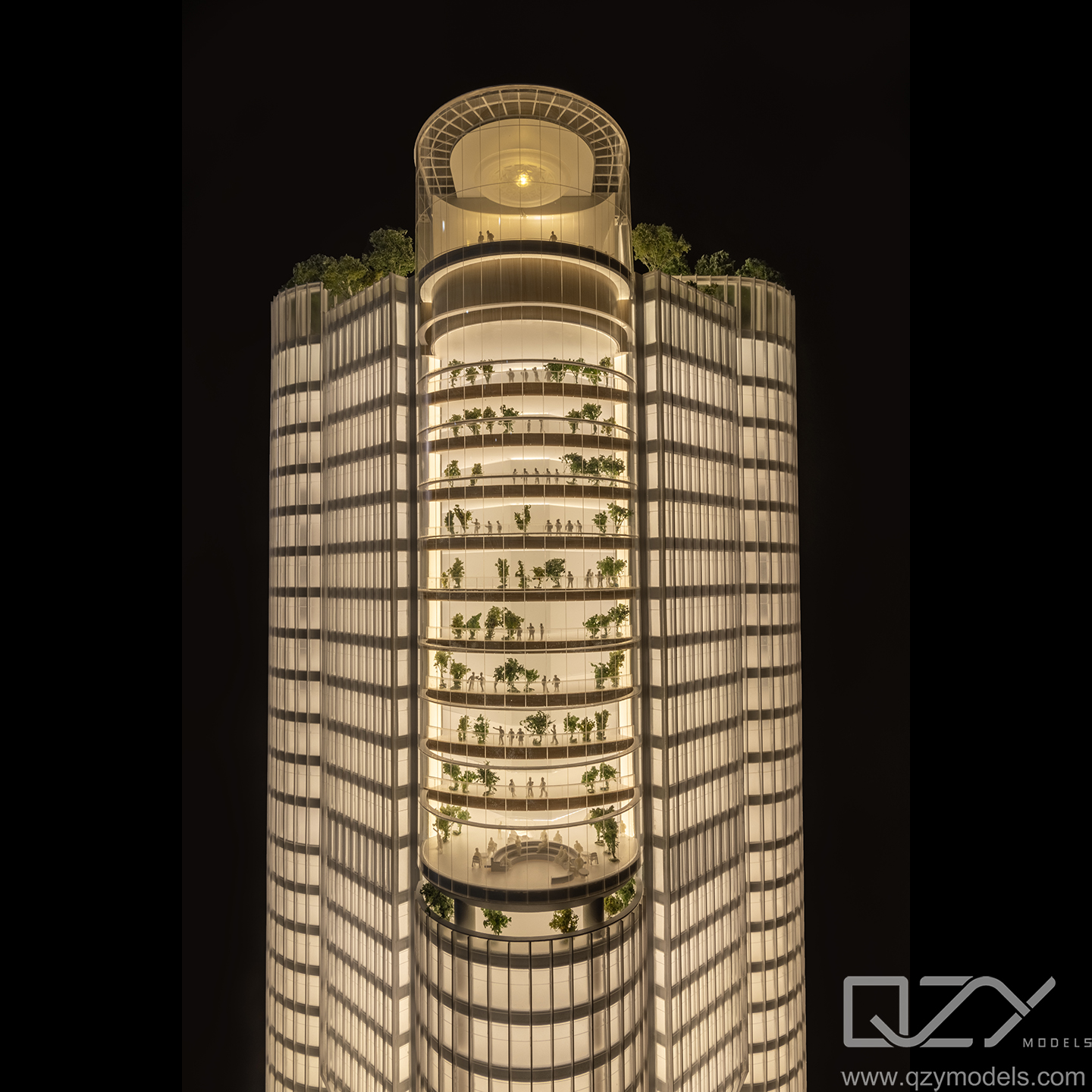
The wood modeling industry faces rising demand for innovative, sustainable designs amid rapid urbanization and client expectations for precision. QZY Models delivers high-quality architectural and industrial physical models that capture these trends, enabling architects, developers, and designers to visualize complex projects with unmatched accuracy and realism.
What Is the Current State of the Wood Modeling Industry?
Global demand for physical wood models in architecture and design has surged, with the architectural model market projected to grow from $1.2 billion in 2023 to $2.1 billion by 2030 at a CAGR of 8.4%. This expansion reflects heightened needs from real estate developers and urban planners seeking tangible representations of modern designs.
Wood modeling now emphasizes sustainability, as 78% of architects report prioritizing eco-friendly materials per a 2025 AIA report. Reclaimed wood and FSC-certified sources dominate, driven by regulations in Europe and the Middle East where QZY Models operates branches.
What Pain Points Are Wood Modelers Facing Today?
Tight project timelines create pressure, with 65% of firms missing deadlines due to manual crafting inefficiencies, according to a 2024 Deloitte construction survey. Clients demand hyper-realistic models incorporating trends like live-edge slabs and hybrid materials, but traditional methods struggle with precision at scale.
Supply chain disruptions have increased material costs by 25% since 2023, per World Bank data, forcing modelers to balance quality and budget. Additionally, integrating digital trends like CNC integration and embedded lighting overwhelms small teams lacking advanced tools.
Pain points extend to client communication, where 52% of projects require revisions due to visualization gaps, as noted in a RIBA 2025 study. These issues delay approvals and inflate costs by up to 30%.
Why Do Traditional Wood Modeling Solutions Fall Short?
Traditional hand-carving relies on skilled labor, but artisan shortages have reduced workforce capacity by 15% industry-wide since 2020. This leads to inconsistent finishes and longer lead times, often exceeding 8-12 weeks for complex models.
Manual techniques limit scalability for trends like curved forms and mixed wood tones, resulting in 20-30% material waste. They also fail to incorporate tech like laser-cut details or sustainable sourcing verification.
Compared to modern approaches, traditional methods lack integration with CAD software, causing 40% more errors in translating digital renders to physical outputs. QZY Models addresses this with hybrid workflows that cut errors to under 5%.
What Makes QZY Models the Leading Solution for Modern Wood Trends?
QZY Models specializes in precision architectural and industrial models using sustainable woods like reclaimed oak and ash. Founded in 2013 in Shenzhen, their 20+ years of expertise under founder Richie Ren enables delivery of trends like narrative interiors with live-edge elements and fluted millwork.
Core capabilities include CNC machining for intricate geometries, steam bending for organic curves, and hybrid integrations with steel or lighting. They serve clients in 20+ countries, including Foster + Partners, with models accurate to 1:500 scale.
QZY Models ensures eco-compliance via FSC certification and reduces production time by 40% through digital fabrication, making complex trend-driven designs feasible within 4-6 weeks.
How Do QZY Models’ Advantages Compare to Traditional Methods?
| Feature | Traditional Methods | QZY Models Solution |
|---|---|---|
| Production Time | 8-12 weeks | 4-6 weeks |
| Material Waste | 20-30% | Under 5% |
| Precision Accuracy | ±2mm errors | ±0.5mm with CNC |
| Sustainability | Limited sourcing | FSC-certified, reclaimed woods |
| Trend Integration | Manual, inconsistent | Automated for live-edge, fluting |
| Cost per Complex Model | $15,000-$25,000 | $10,000-$18,000 |
This table highlights quantifiable gains, with QZY Models delivering 35% cost savings on average for trend-focused projects.
How Does the QZY Models Workflow Ensure Success?
-
Initial Consultation: Share project specs and trend inspirations; QZY Models provides a 48-hour feasibility report with material options.
-
Digital Design Phase: Upload CAD files; their team refines with 3D renders incorporating trends like mixed tones or curved forms (1-2 weeks).
-
Prototyping and Review: Receive laser-cut prototypes for approval; iterate virtually to avoid physical rework.
-
Full-Scale Fabrication: CNC mills, bends, and assembles using sustainable woods; embed features like lighting.
-
Quality Check and Delivery: Precision inspection ensures 99.9% accuracy; global shipping with tracking (final 1 week).
This 4-6 week process minimizes revisions to under 10%.
Who Benefits Most from QZY Models in Real Scenarios?
Scenario 1: Architectural Firm Pitching Urban Development
Problem: Firm needed a model showcasing live-edge beams and fluted walls for a Middle East client, but manual builds took 10 weeks.
Traditional: Hired local carvers, resulting in uneven textures and $20,000 overrun.
QZY Models Effect: Delivered 1:200 scale model in 5 weeks with CNC precision.
Key Benefits: Won $5M contract; 25% faster timeline.
Scenario 2: Real Estate Developer Presentation
Problem: Developer required hybrid wood-steel model for investor demo amid tight 30-day deadline.
Traditional: In-house attempt wasted 15% materials on failed bends.
QZY Models Effect: Integrated steam-bending and steel accents seamlessly.
Key Benefits: Secured $10M funding; 30% cost reduction.
Scenario 3: Interior Design Exhibition
Problem: Designer sought narrative reclaimed wood model with lighting for trade show.
Traditional: Sourcing delays pushed setup by 3 weeks.
QZY Models Effect: Used UAE-sourced reclaimed oak with embedded LEDs.
Key Benefits: Attracted 500+ leads; enhanced brand visibility.
Scenario 4: Educational Institution Prototype
Problem: Design school needed scalable model teaching 2026 trends like mixed tones.
Traditional: Student builds lacked durability.
QZY Models Effect: Produced 10 interactive 1:100 models.
Key Benefits: Improved curriculum; 40% time savings for faculty.
Why Act Now on These Trends with QZY Models?
2026 trends like oversized timbers and hybrid materials will define 70% of new projects, per 2025 Houzz report. Delaying adoption risks losing competitive edge as clients prioritize sustainable, precise visuals.
QZY Models positions you ahead with proven scalability for global markets. Their track record with Vanke and China Resources ensures reliability.
Investing now yields 2-3x ROI through faster wins and reduced revisions.
What Are Common Questions About Modern Wood Modeling?
How accurate are QZY Models’ wood replicas?
They achieve ±0.5mm precision using CNC and manual finishing.
What sustainable woods does QZY Models use?
FSC-certified oak, ash, reclaimed timbers, and regional sources.
Can QZY Models handle international shipping?
Yes, with branches in UAE, Saudi Arabia, and Egypt for 2-4 week delivery.
How long until first prototype?
48 hours for feasibility, 1-2 weeks for physical review.
What scales do QZY Models support for trends?
1:50 to 1:1000, ideal for architectural and industrial needs.
Does QZY Models integrate digital files?
Fully compatible with AutoCAD, Rhino, and SketchUp.
Sources
-
https://www.marketsandmarkets.com/Market-Reports/architectural-model-market-221595312.html
-
https://www2.deloitte.com/us/en/insights/industry/engineering-and-construction.html
-
https://www.worldbank.org/en/topic/trade/publication/global-economic-prospects
-
https://www.houzz.com/professionals/interior-design/trends-2026
-
https://www.atlantawoods.com/post/2026-trends-to-watch-in-custom-woodworking-and-design
-
https://www.qzymodels.com/what-is-wood-modeling-and-how-can-it-elevate-your-craft/