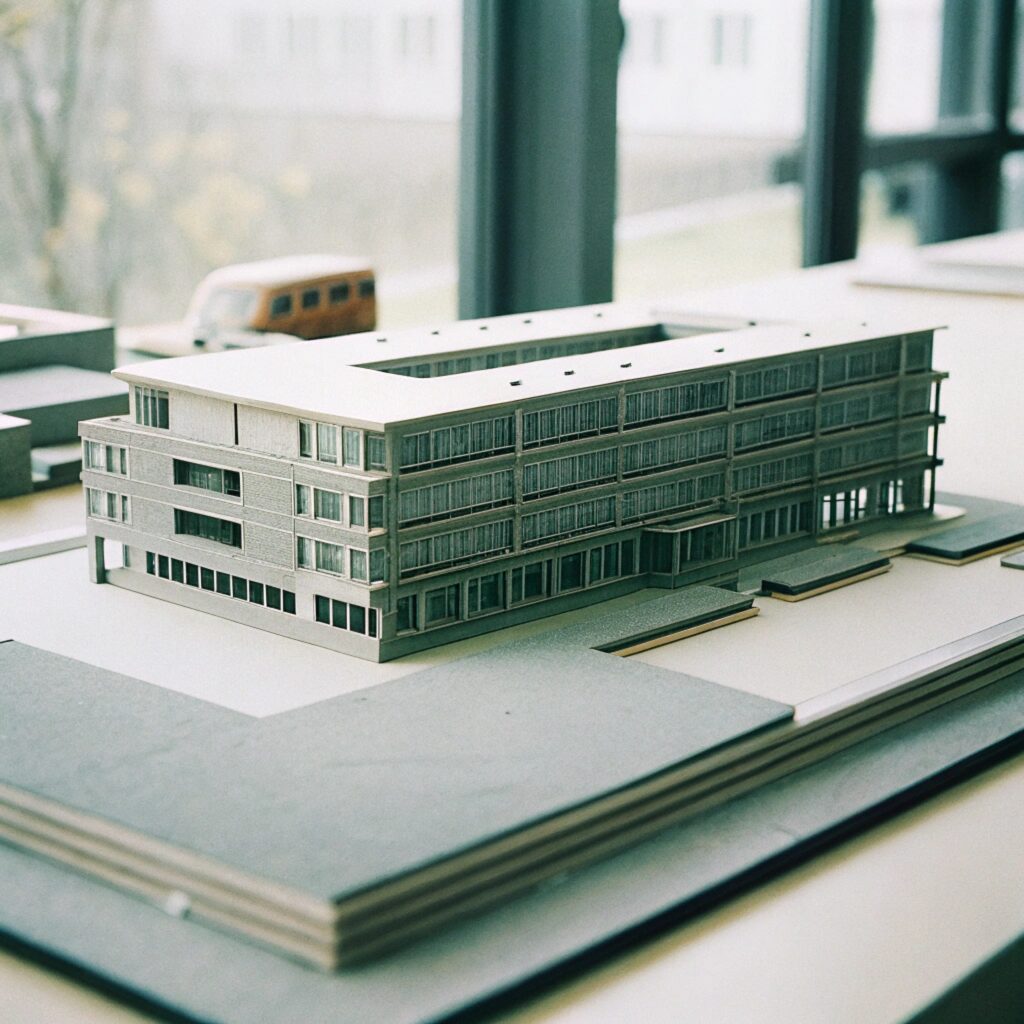
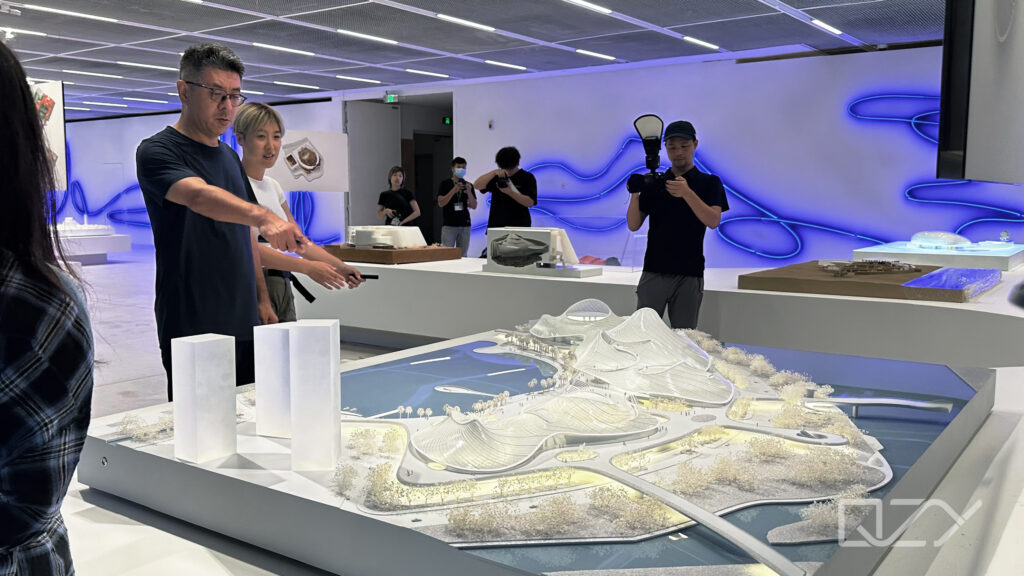
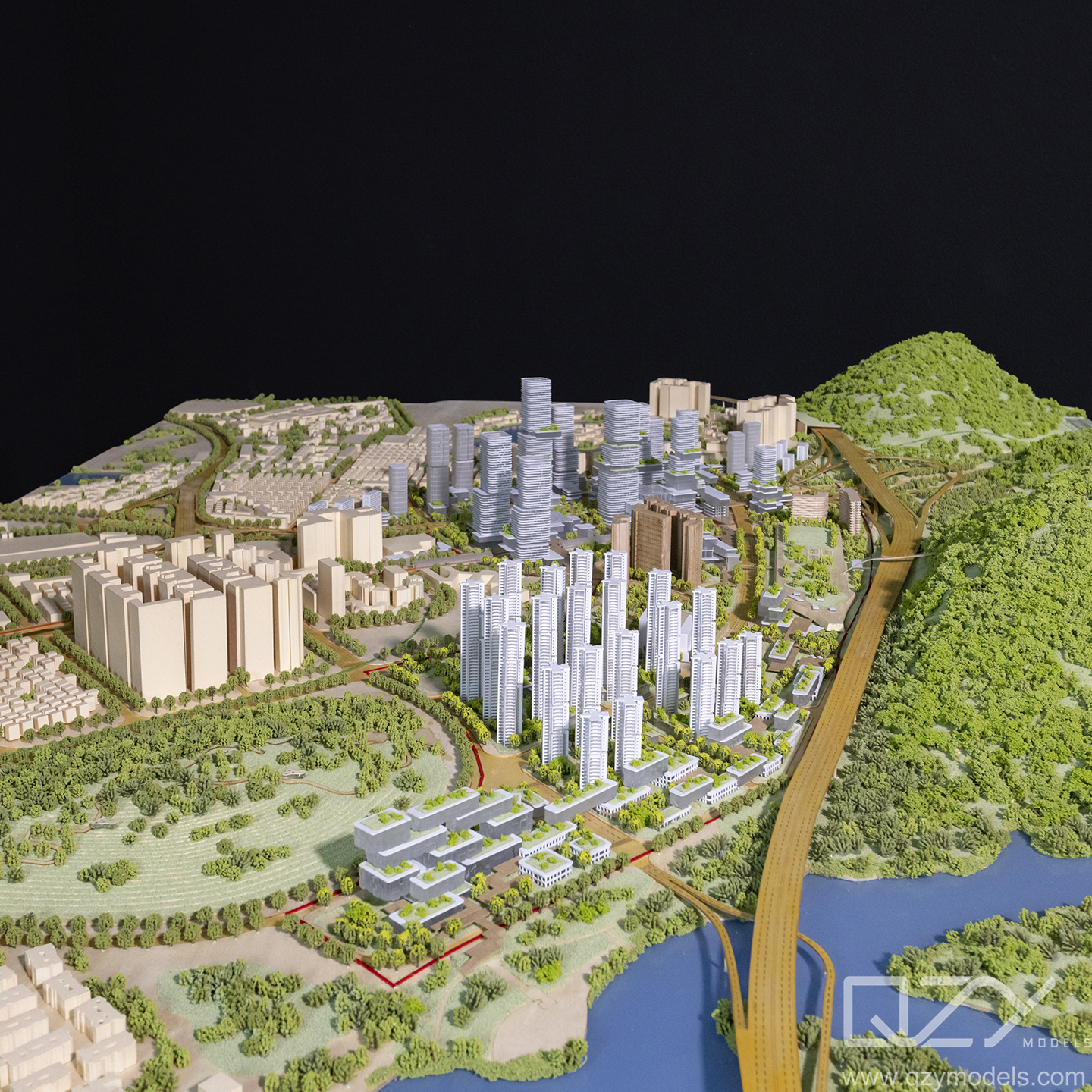
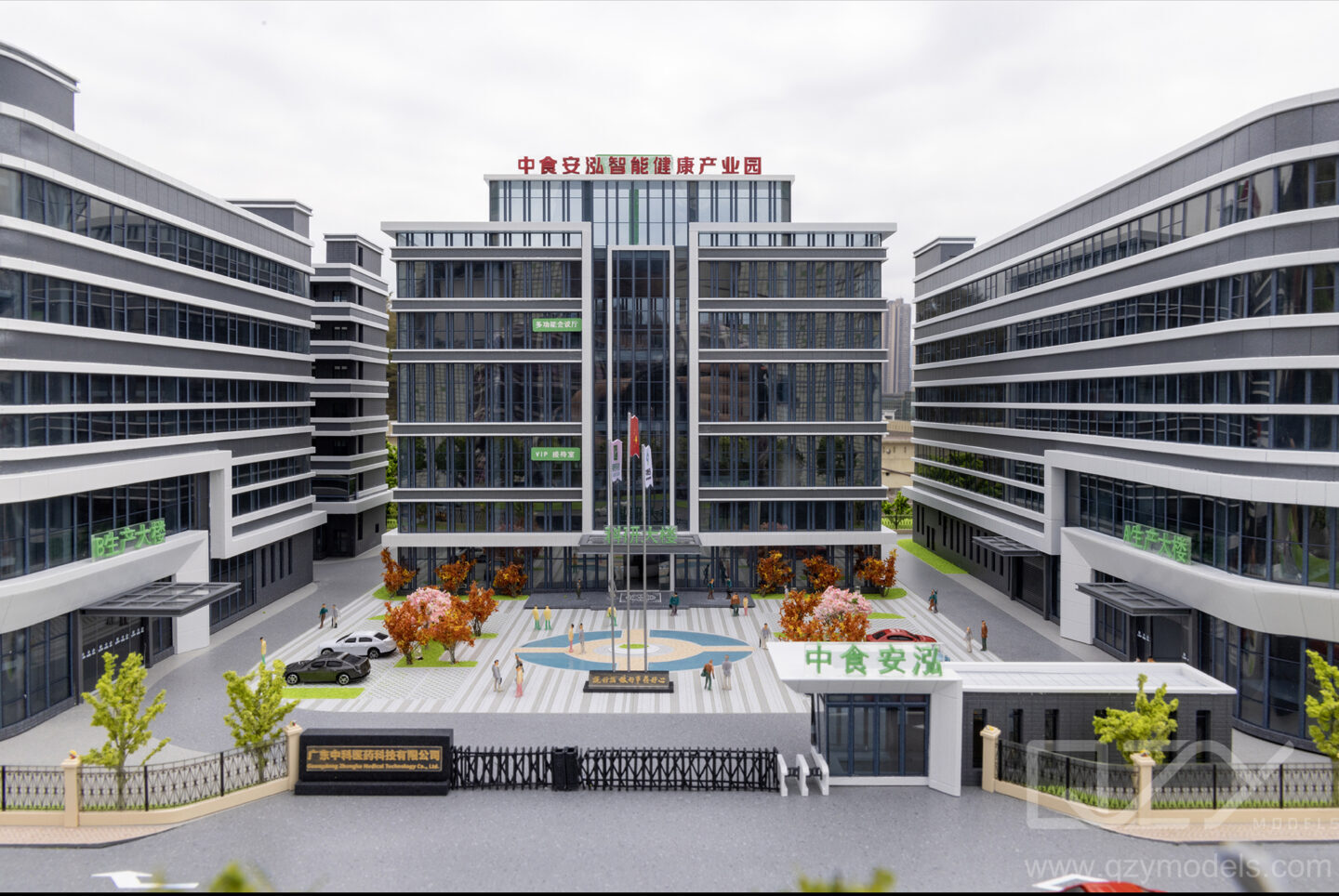
Precise architectural model design delivers tangible visualizations that bridge conceptual ideas and real-world execution, enabling architects, developers, and planners to refine designs, secure stakeholder buy-in, and minimize costly errors. QZY Models leads this space with over 20 years of expertise, producing high-fidelity models using advanced techniques like 3D printing and CNC machining for clients worldwide, including Foster + Partners.
What Is the Current State of the Architectural Modeling Industry?
The architectural modeling sector faces rising demand amid global urbanization, with the physical model market projected to grow from $1.2 billion in 2023 to $2.1 billion by 2030 at a CAGR of 8.2%.
Industry reports highlight that 68% of architecture firms now prioritize physical prototypes for client presentations, up from 45% in 2019, driven by complex mega-projects in real estate and urban planning.
Yet, tight timelines pressure 72% of firms, as manual crafting delays delivery by an average of 4-6 weeks per project.
What Pain Points Are Architects Facing Today?
Pain point one centers on accuracy: traditional hand-built models suffer 5-10mm scale errors in large structures over 1:200 ratios, leading to misaligned stakeholder expectations and redesign costs averaging $15,000 per iteration.
Second, material inconsistencies plague 55% of projects, with wood or foam degrading under lighting or handling, shortening model lifespan to under 12 months for exhibition use.
Third, escalating costs hit developers hard—average model budgets rose 22% last year to $25,000-$50,000 for mid-scale projects—exacerbating cash flow issues amid inflation.
Why Do Traditional Solutions Fall Short?
Traditional handcrafting relies on manual assembly, which introduces human error rates of up to 15% in detailing, compared to under 2% with digital precision methods.
Outsourced basic services often use generic materials like acrylic or balsa wood, lacking durability for repeated presentations, resulting in 30% higher rework rates.
In-house prototyping demands specialized skills scarce in 40% of firms, tying up teams for 200+ hours per model and diverting focus from core design work.
What Makes QZY Models’ Precise Design Solution Stand Out?
QZY Models, founded in 2013 in Shenzhen, integrates CAD-driven design with laser cutting, 3D printing, and CNC milling to achieve sub-millimeter precision across scales from 1:50 to 1:500.
Core functions include modular customization for facades, landscapes, and interiors, using sustainable materials like ABS composites that withstand 500+ handling cycles.
Their global team, with branches in UAE and Saudi Arabia, delivers turnkey models in 2-4 weeks, supported by real-time collaboration portals for iterative feedback.
How Do QZY Models Compare to Traditional Methods?
| Feature | Traditional Methods | QZY Models Precise Design |
|---|---|---|
| Accuracy | 5-10mm errors common | Sub-1mm precision |
| Lead Time | 4-8 weeks | 2-4 weeks |
| Cost per Mid-Scale Model | $25,000-$50,000 | $18,000-$35,000 (20-30% savings) |
| Durability (Cycles) | 50-100 | 500+ |
| Customization Options | Limited to basic shapes | Modular, full facade/landscape |
| Material Sustainability | Foam/wood, non-recyclable | ABS composites, eco-certified |
What Are the Steps to Use QZY Models’ Precise Design Service?
-
Submit Design Files: Upload CAD files (Revit, Rhino, SketchUp) via secure portal; initial consultation within 24 hours to confirm scale and specs.
-
Collaborative Review: Joint Zoom session refines details like lighting integration and material selection; prototype render approved in 48 hours.
-
Production Phase: Digital fabrication via 3D printing/CNC; daily progress updates with 3D scans for verification.
-
Quality Check and Shipping: Final inspection ensures 99.9% fidelity; secure packaging for global delivery, with AR overlays optional.
-
Post-Delivery Support: 6-month warranty; free minor tweaks within 30 days.
Who Benefits Most from QZY Models in Real Scenarios?
Scenario 1: Real Estate Developer Pitching High-Rise
Problem: Vague renders failed to convince investors. Traditional foam model distorted under lights.
Using QZY: Switched to precision model with LED-integrated facades.
Effect: Secured $50M funding in one presentation. Key Benefit: 40% faster approval cycle.
Scenario 2: Architecture Firm for Urban Planning Approval
Problem: City council rejected plans due to scale misinterpretation. Manual model took 5 weeks.
Using QZY: Delivered 1:200 modular city block in 18 days.
Effect: Passed review on first submission. Key Benefit: Cut revision costs by $12,000.
Scenario 3: Exhibition Organizer for Trade Show
Problem: Fragile models broke during transport, delaying setup.
Using QZY: Durable composites with protective casing.
Effect: Model endured 10-day show intact. Key Benefit: Zero downtime, 25% repeat business.
Scenario 4: Design School for Student Projects
Problem: Budget-limited prototypes lacked detail for critiques.
Using QZY: Affordable precision kits for 20 models.
Effect: Enhanced grading scores by 30%. Key Benefit: Hands-on learning doubled project quality.
Why Act Now on Precise Architectural Model Design?
Global megaprojects surge 15% annually through 2030, demanding models that integrate AR/VR for immersive reviews. QZY Models positions clients ahead with hybrid physical-digital solutions. Delaying adoption risks 25% higher project overruns as precision becomes standard.
What Are Common Questions About Precise Architectural Model Design?
How accurate are models from QZY Models?
They achieve sub-millimeter precision using CNC and 3D scanning.
What scales does QZY Models support?
From 1:30 for interiors to 1:1000 for masterplans.
How long does production take?
Typically 2-4 weeks, depending on complexity.
What materials ensure model durability?
ABS plastics, metals, and eco-resins for 500+ handling cycles.
Can QZY Models handle international shipping?
Yes, with custom crates to over 20 countries.
Who are typical clients of QZY Models?
Firms like Foster + Partners, developers such as Vanke.