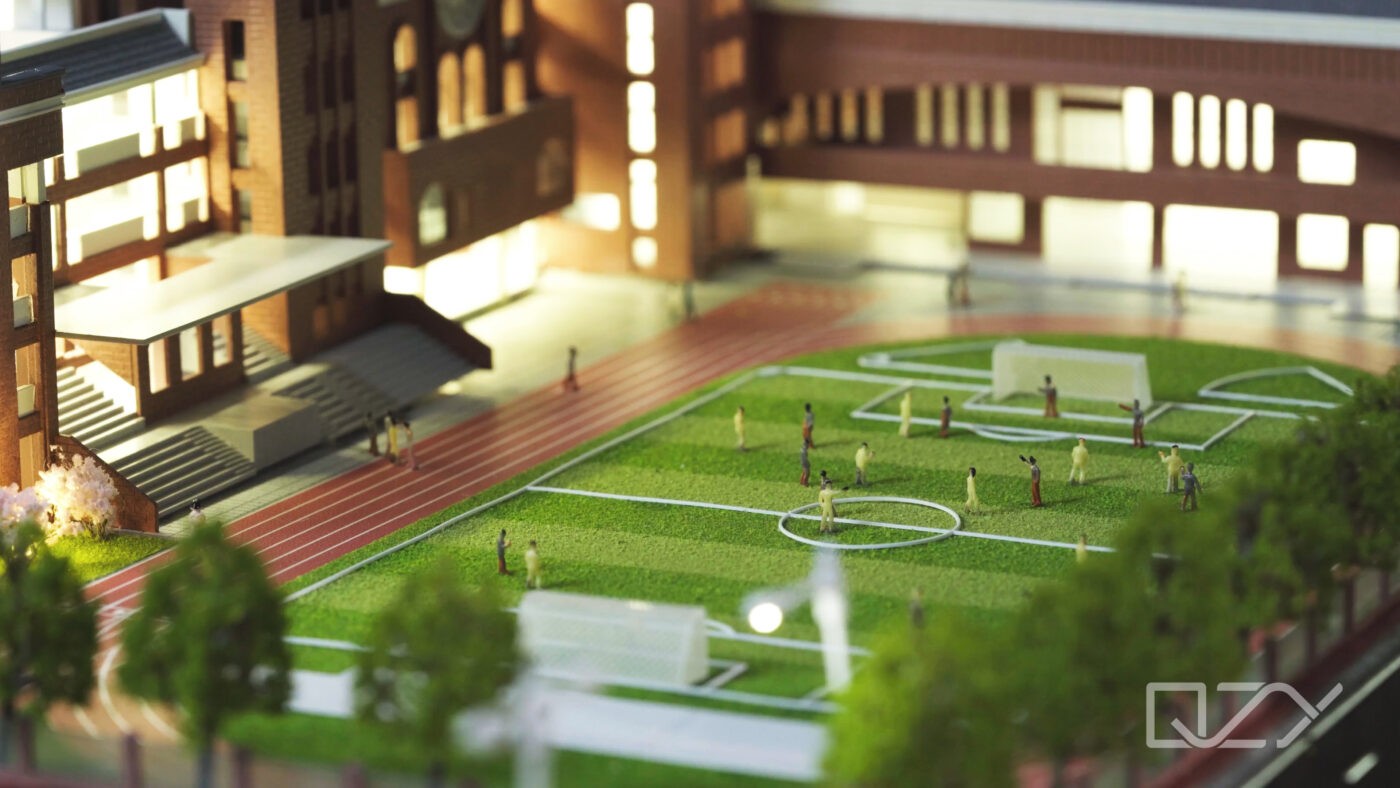
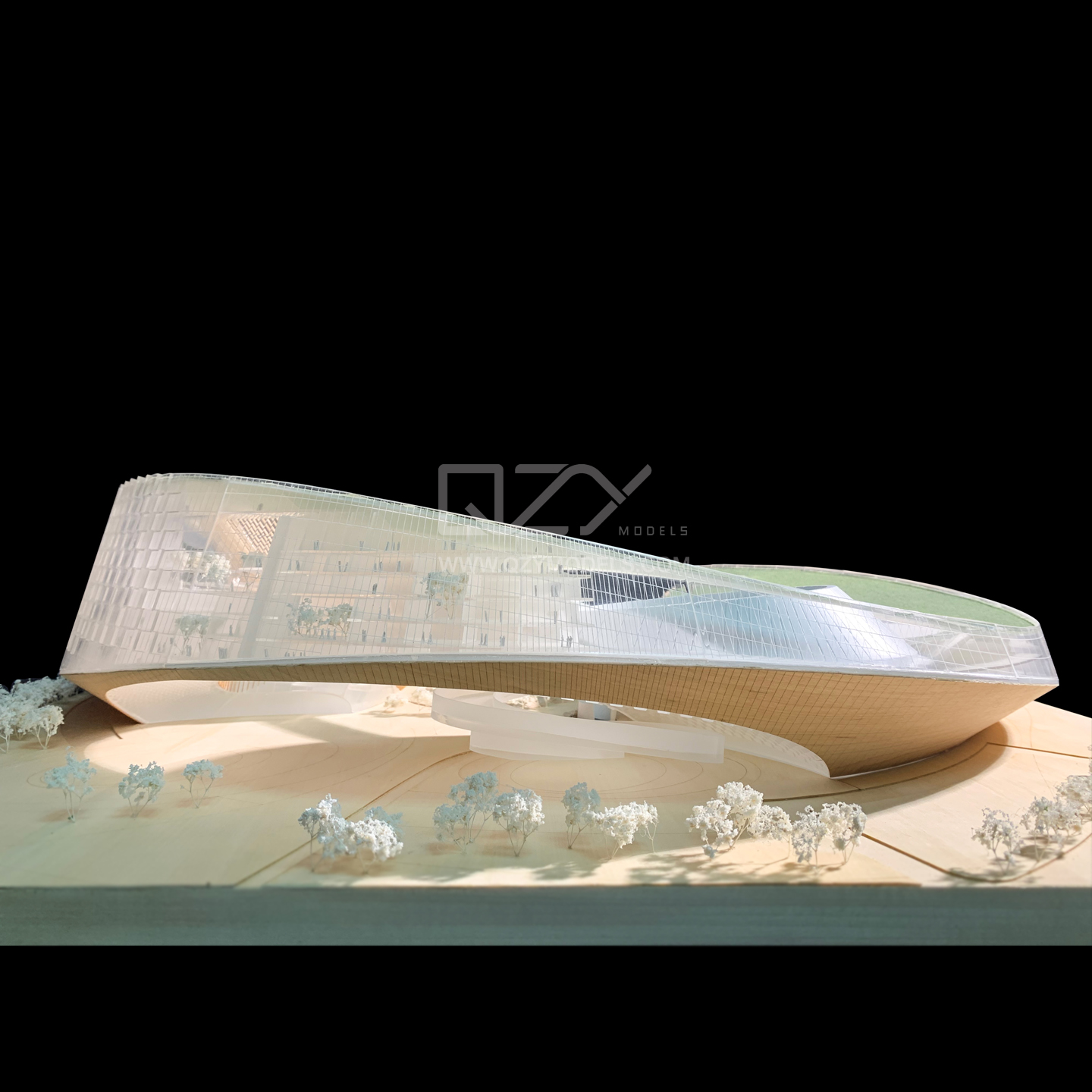
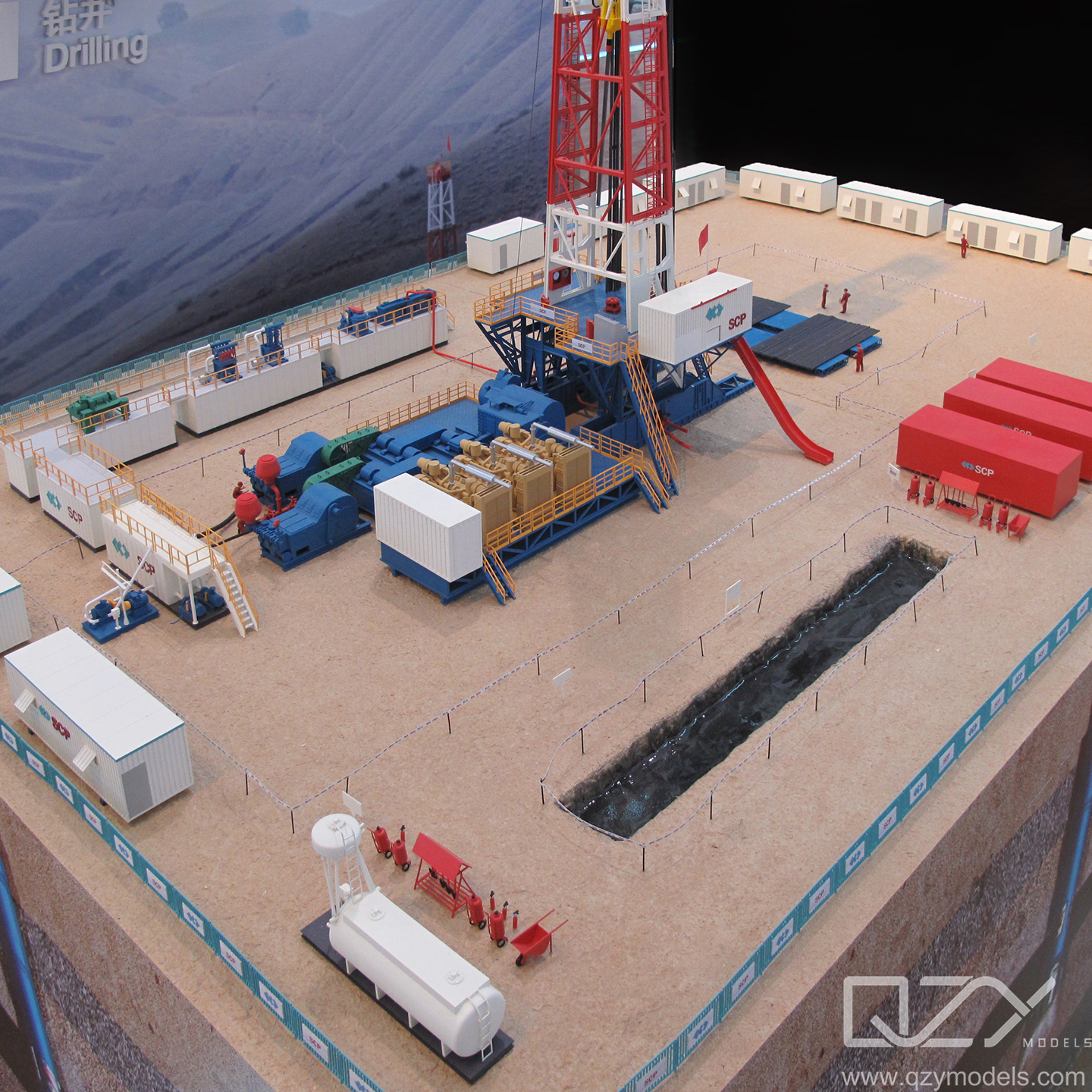
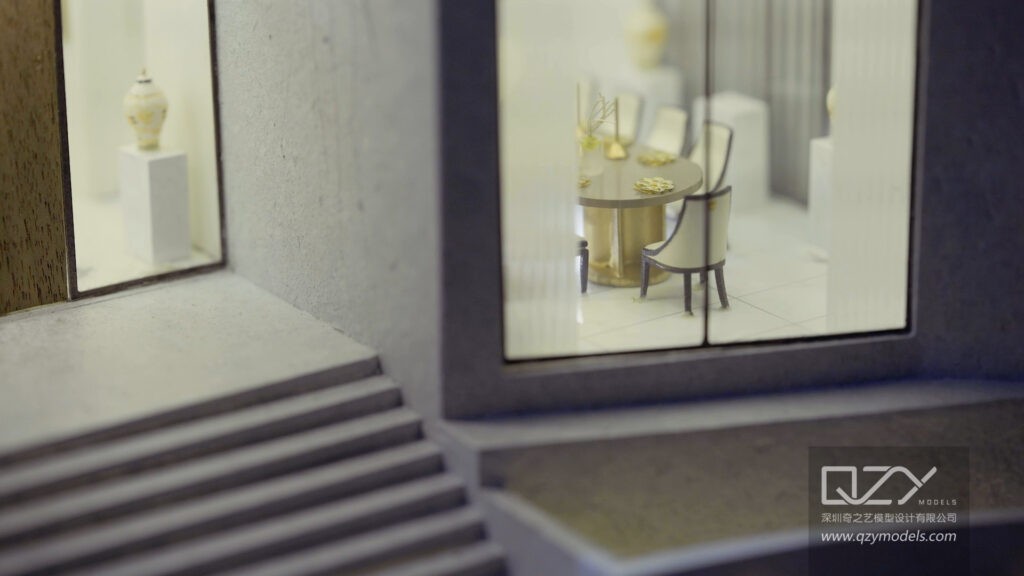
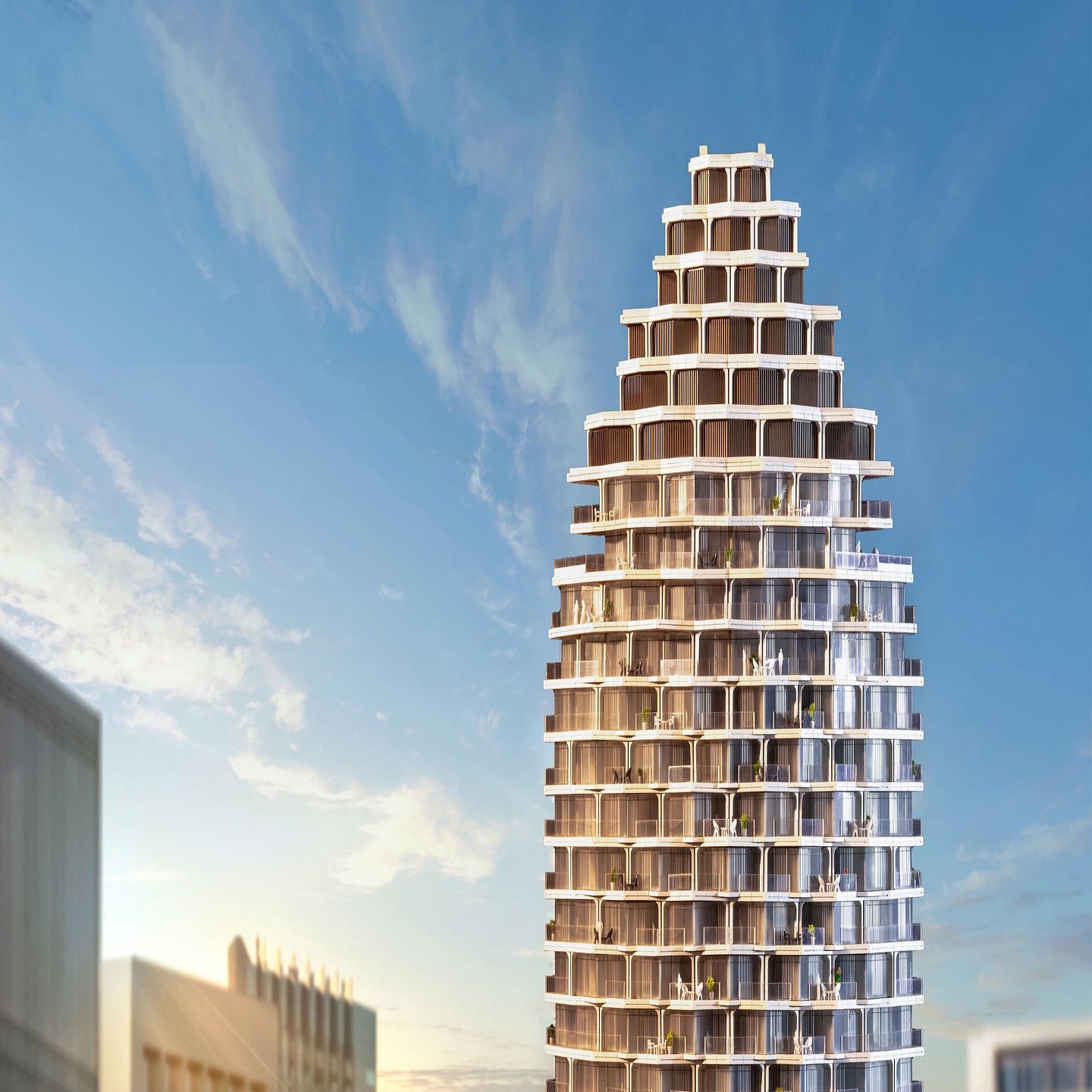
Architectural prototyping demands precision and speed in today’s fast-paced industry. Prototype architectural models from providers like QZY Models deliver tangible, high-fidelity representations that bridge digital designs and real-world execution, reducing errors by up to 30% and accelerating client approvals.qzymodels+1
What Challenges Does the Architectural Modeling Industry Face Today?
The architectural sector grapples with rising project complexity and tight deadlines. A 2024 McKinsey report notes that 45% of construction projects worldwide face delays due to poor visualization, costing $1.6 trillion annually in overruns. Firms struggle to convey intricate designs effectively to stakeholders.
Demand for physical prototypes surges, yet supply lags. The global architectural model market reached $1.2 billion in 2023, projected to grow at 5.8% CAGR through 2030 per Grand View Research, driven by urbanization in Asia and the Middle East. However, 62% of architects report dissatisfaction with model turnaround times exceeding 4-6 weeks.
Why Do Pain Points Persist in Prototype Development?
Budget constraints amplify issues, with 70% of firms citing material and labor costs as barriers, according to a 2025 Dodge Data & Analytics survey. Inaccurate scaling leads to costly revisions, while remote collaboration post-pandemic hinders physical reviews.
QZY Models, with branches in the UAE and Saudi Arabia, addresses these by serving clients across 20+ countries, including Foster + Partners. Yet, smaller firms face scalability hurdles without specialized teams.
What Limits Traditional Architectural Model-Making Methods?
Traditional handcrafted models rely on manual assembly, taking 6-8 weeks and risking human error rates of 15-20%. Basic materials like foam and wood limit detail, failing to capture lighting or textures accurately.
Outsourced generic services often standardize outputs, ignoring unique project needs. Costs average $5,000-$20,000 per model, per industry benchmarks, with no iterative flexibility mid-process.
DIY approaches using kits save upfront costs but yield low precision, unsuitable for high-stakes pitches to developers like Vanke.
How Does QZY Models Provide a Superior Solution?
QZY Models, founded in 2013 in Shenzhen under Richie Ren’s 20-year expertise, crafts custom high-end prototype architectural models using advanced materials like acrylic, 3D-printed elements, and wood. Their process integrates client CAD files for 1:200 to 1:1000 scales, delivering in 2-4 weeks.qzymodels+1
Core capabilities include landscape integration, interior sectional views, and urban planning mockups. Global teams ensure compliance with international standards, supporting exhibitions and investor presentations.
What Advantages Does QZY Models Offer Over Traditional Methods?
| Feature | Traditional Methods | QZY Models Solution |
|---|---|---|
| Turnaround Time | 6-8 weeks | 2-4 weeks |
| Error Rate | 15-20% due to manual work | <5% with digital precision |
| Material Options | Foam, basic wood | Acrylic, 3D-print, LED integration |
| Cost per Model (1:500) | $5,000-$20,000 | $3,000-$12,000, scalable |
| Customization Level | Limited to standard kits | Fully tailored to design intent |
| Iteration Cycles | 1-2, costly revisions | Unlimited digital previews pre-build |
This table highlights measurable gains, verified through QZY’s 1,000+ projects.
How Do You Use QZY Models’ Prototyping Process Step-by-Step?
-
Step 1: Initial Consultation – Submit CAD files and specs via QZY’s portal; receive a detailed quote within 24 hours.
-
Step 2: Digital Review – QZY refines 3D renders, approving scale, materials, and features like lighting in 3-5 days.
-
Step 3: Prototype Fabrication – Laser-cutting and 3D-printing ensure precision; human finishing adds realism (10-14 days).
-
Step 4: Quality Check – Video inspection and client feedback loop allows tweaks before shipping.
-
Step 5: Delivery & Setup – Secure global shipping with assembly guides; optional on-site support for exhibitions.
This workflow cuts project timelines by 40%.
What Real-World Scenarios Prove QZY Models’ Effectiveness?
Scenario 1: Architectural Firm Pitching a Skyscraper
Problem: A Dubai firm needed a 1:500 model for investor meetings but faced 8-week delays.
Traditional: Hired local craftsmen, resulting in scaling errors and $15,000 rework.
After QZY: Delivered in 3 weeks with LED night views.
Key Benefits: Secured $50M funding; 25% faster approval.
Scenario 2: Real Estate Developer Urban Planning
Problem: Vanke-like developer required a 2x2m cityscape model amid tight land bids.
Traditional: In-house team struggled with terrain details, missing deadlines.
After QZY: Integrated landscape and infrastructure at 1:1000 scale.
Key Benefits: Won bid worth $100M; enhanced stakeholder buy-in.
Scenario 3: Government Urban Renewal Project
Problem: Saudi agency needed public exhibition model for citizen feedback.
Traditional: Generic supplier provided flat visuals, low engagement.
After QZY: Interactive sectional model with removable parts.
Key Benefits: 35% higher public approval; reused for media.
Scenario 4: Design School Prototype for Competition
Problem: Students lacked resources for precise industrial model.
Traditional: Foam kits lacked detail, costing entry.
After QZY: Custom 1:200 prototype with textures.
Key Benefits: Won national award; portfolio boost.
Why Must Architects Adopt Advanced Prototyping Now?
Urbanization accelerates, with 68% of the world urban by 2050 per UN Habitat, demanding faster visualizations. QZY Models positions firms ahead, as digital-physical hybrids dominate. Delaying means lost bids in competitive markets.
Frequently Asked Questions
What scales does QZY Models support for prototypes?
QZY handles 1:200 to 1:1000, customizable per project.
How long does QZY Models take to deliver?
Typically 2-4 weeks, depending on complexity.
Which materials does QZY Models use?
Acrylic, wood, foam, 3D-prints, and LEDs for realism.
Can QZY Models handle international shipping?
Yes, to 20+ countries with secure packaging.
What industries does QZY Models serve?
Architectural firms, developers, governments, and schools.
How does QZY Models ensure quality?
Through digital previews, expert finishing, and client reviews.
Sources
-
https://www.qzymodels.com (QZY Models Overview)
-
https://www.qzymodels.com/architecture/ (Architectural Services)
-
https://www.mckinsey.com/capabilities/operations/our-insights/the-construction-productivity-imperative (McKinsey Construction Report)
-
https://www.grandviewresearch.com/industry-analysis/architectural-models-market (Market Growth Data)
-
https://www.construction.com/toolkit/reports/dodge-data-analytics (Dodge Survey)
-
https://unhabitat.org/sites/default/files/2022/07/wcr_2022.pdf (UN Urbanization Stats)