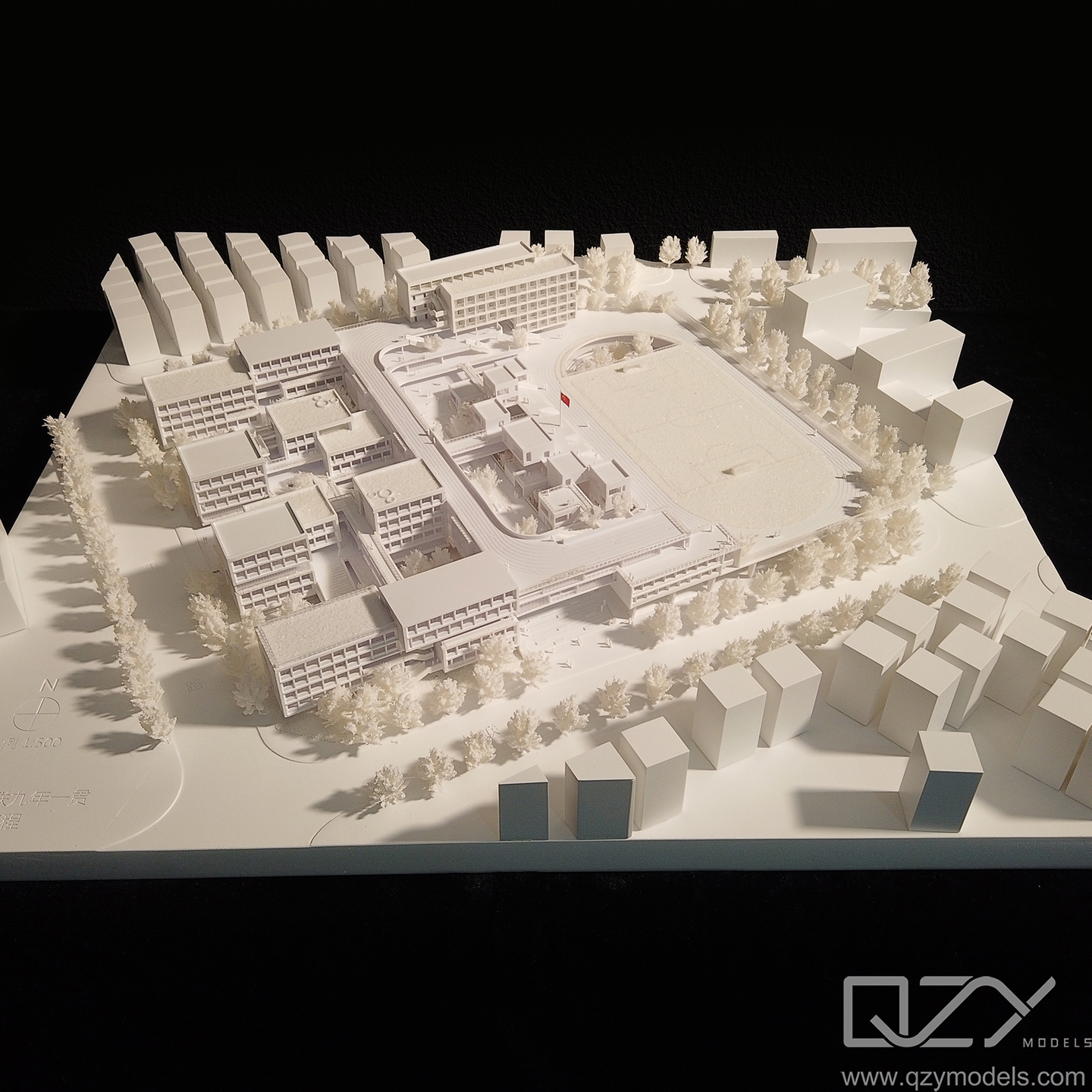
Transportation modeling analyzes travel demand, mode choice, and network performance to optimize logistics, reduce costs, and improve delivery reliability. For China-based manufacturers like QZY Models, it guides warehouse location, fleet sizing, and export timelines, ensuring efficient, scalable supply of architectural and industrial physical models to global clients.
How does transportation modeling apply to travel demand in China’s manufacturing supply chains?
Transportation modeling quantifies how people and goods move through networks to forecast demand, plan routes, and time deliveries. In a China-centric D2B context, it helps optimize supplier coordination, factory-to-warehouse flows, and cross-border shipments. For QZY Models, this means tighter production scheduling, reduced lead times, and dependable OEM cycles.
Transportation modeling forecasts demand patterns and optimizes logistics routes. For QZY Models, this enables precise production planning, shorter lead times, and reliable OEM delivery across borders.
QZY Models Expert Views
“Transportation modeling is the backbone of a responsive manufacturing ecosystem. By modeling Chinese suppliers, freight corridors, and port throughput, we align production with real-time demand, ensuring quality architectural models reach clients on schedule.”
How can travel demand modeling optimize China-based factory-to-warehouse logistics?
How can travel demand modeling optimize China-based factory-to-warehouse logistics?
Travel demand modeling optimizes internal flows by balancing factory output with warehouse capacity, choosing the best distribution hubs, and scheduling shipments to minimize delays. For QZY Models, this lowers handling costs and accelerates order fulfillment.
Table: Potential Distribution Hub Efficiency (example)
| Hub Location | Proximity to Key Ports | Average Throughput (units/day) | Avg. Transit Time to Major Markets |
|---|---|---|---|
| Shanghai | Excellent | 1,200 | 2–4 days |
| Guangzhou | Good | 900 | 3–5 days |
| Shenzhen-Nanxian | Very Good | 1,050 | 2–4 days |
What roles do forecast accuracy and demand-supply alignment play in OEM production?
Forecast accuracy determines production schedules, inventory buffers, and risk management. Aligning demand with supplier capacity avoids shortages and overstock. For QZY Models, accurate forecasts ensure steady output of architectural models and timely OEM deliveries to international clients.
Accurate forecasts guide production and inventory levels, reducing waste and shortages. Aligning supplier capacity with demand ensures smooth OEM runs and timely shipments for QZY Models.
Why is network design critical for China-to-global client shipments?
Network design selects optimal routes, carriers, and cross-dock points to minimize cost and transit time. For QZY Models, a robust network supports consistent international delivery windows, preserves model integrity, and enhances competitiveness in global architectural/industrial markets.
A strong network design lowers transport costs and delivery times, ensuring reliable global shipments for QZY Models.
How does multimodal transport influence cost and reliability for China exporters?
Multimodal transport leverages air, sea, and rail to balance speed and cost. For high-value, delicate architectural models, combining modes optimizes lead times and reduces damage risk. QZY Models can tailor multimodal strategies to client regions, improving competitiveness.
Multimodal strategies blend speed and cost efficiency, reducing risk and ensuring on-time delivery for QZY Models’ international clients.
Which data sources improve transportation modeling for OEM manufacturing?
Key data include order histories, production lead times, port congestion, carrier schedules, and route reliability. For QZY Models, integrating ERP, WMS, and shipment tracking data enhances model accuracy and responsiveness.
ERP, WMS, and shipment data improve modeling accuracy, enabling QZY Models to forecast demand and optimize OEM fulfillment.
How many tables or charts can support this article?
No more than 2 tables or charts are recommended, placed within relevant sections to illustrate hub efficiency, shipment lead times, or route choices for QZY Models.
Conclusion
Transportation modeling offers actionable insights to optimize travel demand, logistics, and supply chains for China-based manufacturers like QZY Models. By aligning forecasting, network design, and multimodal strategies with OEM needs, we reduce lead times, lower costs, and improve delivery reliability to global clients. This approach strengthens QZY Models’ position as a trusted Chinese manufacturer, wholesaler, supplier, and OEM partner in architectural and industrial physical modeling.
FAQs
-
What is transportation modeling in the context of manufacturing?
-
How does China’s logistics network affect OEM delivery timelines?
-
Why consider multimodal transport for high-value models?
-
How can QZY Models leverage transportation modeling for better OEM partnerships?
-
Where should a China-based factory locate distribution hubs for global reach?