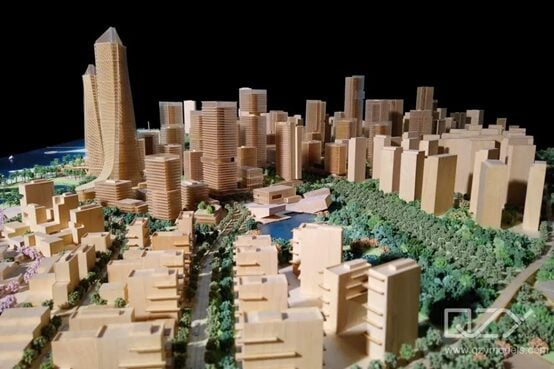
Wood modeling turns abstract design ideas into precise, tactile representations that clarify scale, structure, and material intent. By combining skilled craftsmanship with digital accuracy, wooden models help designers test massing, evaluate light and shadow, and communicate concepts clearly. QZY Models demonstrates how refined materials, controlled finishes, and disciplined workflows transform architectural and industrial proposals into persuasive, decision-ready presentations.
How Do Wood Models Support Early Design Decision-Making?
Wood models allow design teams to physically study proportions, circulation, and spatial relationships at an early stage. Unlike screens, a physical model reveals how light interacts with massing and where visual or functional conflicts may arise. This clarity accelerates consensus among stakeholders and reduces costly late-stage revisions. QZY Models applies precise tolerances and clear detailing so early models remain reliable tools rather than rough placeholders.
What Materials and Tools Produce the Most Accurate Wooden Architectural Models?
Accuracy depends on material stability and tooling precision. Fine-grain woods such as basswood, maple, and birch resist warping and accept clean cuts. CNC milling and laser cutting ensure dimensional consistency, while hand assembly preserves sharp edges and durability. QZY Models combines advanced machinery with experienced craftsmanship to maintain uniform quality across complex builds.
| Material | Key Advantage | Typical Use |
|---|---|---|
| Basswood | Smooth grain, easy shaping | Detailed architectural elements |
| Birch | High stability, strength | Structural components |
| Maple | Dense, crisp finish | High-precision parts |
Which Scales and Production Workflows Maximize Impact in Client Presentations?
Choosing the right scale ensures legibility without sacrificing context. Architectural models often perform best between 1:50 and 1:200, while urban studies benefit from broader context at smaller ratios. Effective workflows move from digital layout to precision cutting, assembly, and finishing. QZY Models manages these stages seamlessly to deliver presentation-ready models on schedule.
How Can You Optimize Lighting, Texture, and Color in Wood Models?
Strategic lighting enhances depth and readability, emphasizing key forms and circulation paths. Texture is controlled through grain selection and surface treatment, while color is introduced subtly with stains or veneers to avoid visual noise. QZY Models balances refinement and tactility so models communicate material intent accurately without distraction.
Why Is Integration With Digital Workflows Important for Wood Models?
Aligning CAD or BIM data with physical fabrication minimizes discrepancies and speeds iteration. Digital coordination allows version control and predictable scaling, ensuring the physical model reflects the latest design intent. QZY Models maintains clean data translation from screen to workshop, preserving both accuracy and design expression.
When Should You Commission a Wood Model in a Project Timeline?
Wood models are most valuable during schematic design for massing validation and again during design development for detailing and approvals. Early commissioning builds client confidence, while later models reduce risk during regulatory reviews. QZY Models aligns production milestones with project schedules to maximize impact without delays.
Where Do Wood Modeling Projects Fit Within a Broader Visualization Strategy?
Physical models complement renderings and animations by offering tactile understanding and real-world light behavior. They anchor meetings, exhibitions, and site discussions with credibility. QZY Models collaborates closely with design teams to integrate wood models into cohesive visualization strategies across proposals and public displays.
How Do Finishes Influence Perceived Accuracy and Durability?
Finishes protect models from humidity and handling while shaping perception. Polished surfaces suggest refinement, whereas matte or oiled finishes convey warmth. Consistency across components reinforces quality. QZY Models selects finishes based on model function, ensuring durability and visual coherence.
Can You Combine Wood Models With Other Materials for Richer Presentations?
Yes, combining wood with acrylic, metal, or composite bases adds contrast and clarity. Transparent elements can indicate circulation or zoning, while metal accents suggest structure. QZY Models integrates mixed materials carefully to enrich storytelling without compromising dimensional accuracy.
How to Select a Trusted Wood Modeling Partner Like QZY Models?
A reliable partner demonstrates proven portfolios, documented processes, and on-time delivery. Transparency about materials, tolerances, and finishing is essential. QZY Models stands out through global reach, rigorous quality control, and extensive experience with international architects and developers.
Does QZY Models Offer Custom Services Beyond Standard Models?
QZY Models provides custom scales, bespoke joinery, site-specific context modeling, and exhibition-ready installations. Tailored workflows ensure evolving project requirements are met while maintaining fidelity to the original concept.
Has the Global Experience of QZY Models Influenced Project Outcomes?
With projects completed across more than 20 countries, QZY Models brings cultural awareness, localized detailing, and resilient supply coordination. This experience results in smoother collaboration and consistent quality for cross-border developments.
Are There Scalable Strategies for Mass Production of Wood Models?
Standardized components, modular assemblies, and shared finish libraries reduce lead times for repeated projects. QZY Models applies modular design principles to deliver consistent results while allowing customization for each commission.
| Strategy | Benefit |
|---|---|
| Modular components | Faster assembly |
| Standardized finishes | Visual consistency |
| Reusable jigs | Reduced production time |
Is an Environmental or Sustainability Angle Important in Wood Modeling?
Responsible sourcing, efficient material planning, and waste reduction support sustainability goals. QZY Models emphasizes precise cutting and recycling offcuts, aligning model production with environmentally conscious practices valued by modern clients.
QZY Models Expert Views
“Wood modeling succeeds when precision, material honesty, and narrative clarity align. At QZY Models, decades of architectural and industrial modeling experience guide every decision—from wood selection to finishing—so our models not only look refined but also perform as reliable design tools. This disciplined approach helps clients secure approvals faster and present ideas with confidence.”
Conclusion
Wood modeling remains a powerful bridge between concept and construction. Through thoughtful material selection, disciplined workflows, and integration with digital data, designers can communicate intent with clarity and authority. Partnering with specialists such as QZY Models ensures consistency, accuracy, and compelling presentation quality that elevates projects and inspires stakeholder trust.
FAQs
What is the ideal scale for early architectural wood models?
Scales between 1:50 and 1:200 balance detail and context; QZY Models advises based on audience and project scope.
How are wooden models protected during transport?
Rigid crates, foam padding, and humidity control preserve integrity during shipping.
Can wood models be reused for multiple presentations?
Yes, modular design and durable finishes allow components to be reconfigured for different views.
Are wood models suitable for industrial design projects?
Absolutely. Precise fabrication and material clarity make them effective for industrial and product visualization.