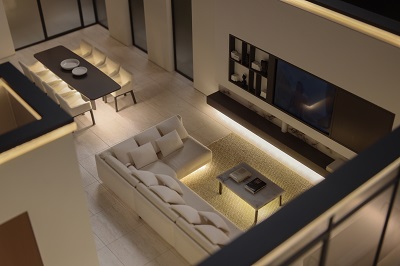
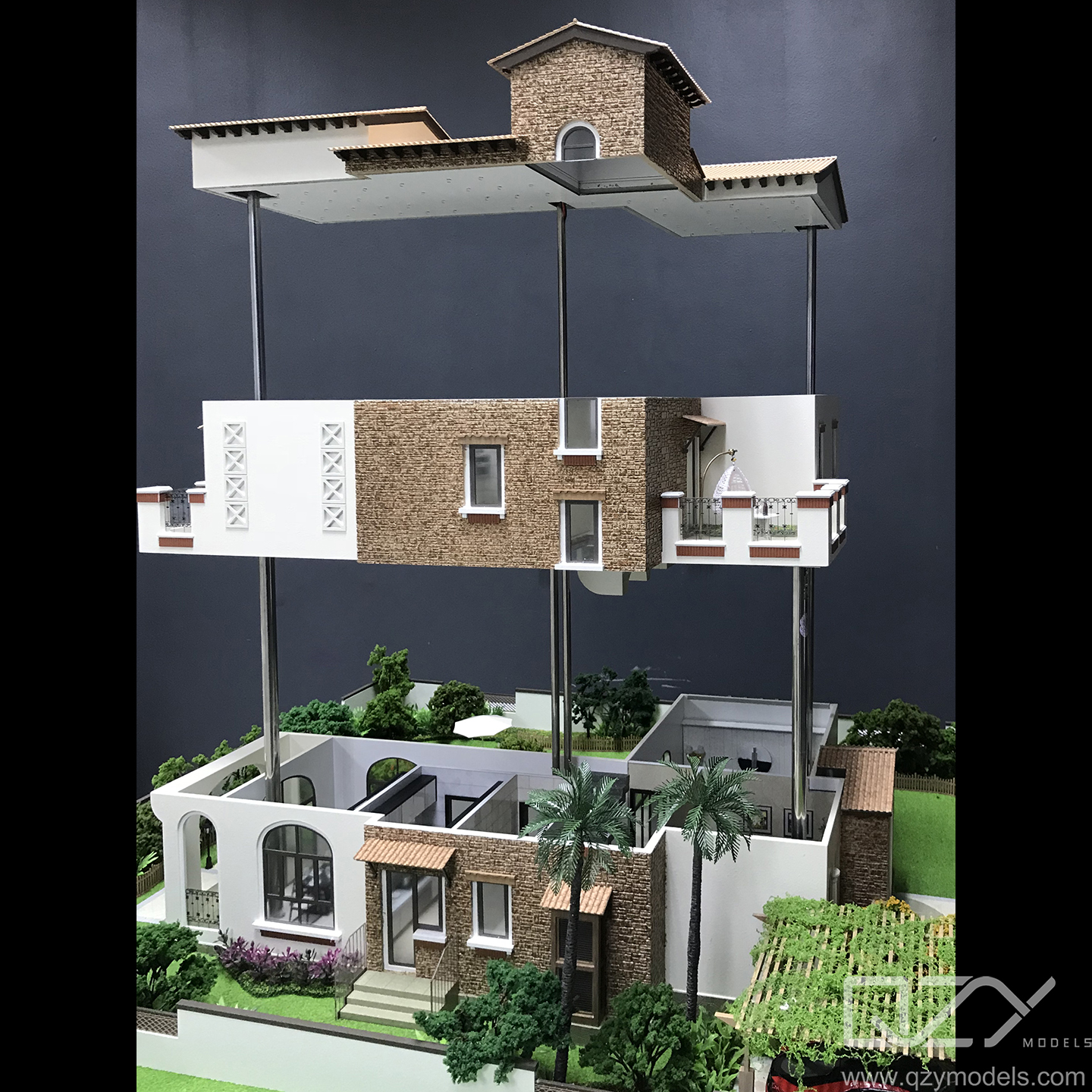
Precision in wood modeling is achieved by combining careful material selection, accurate cutting, disciplined assembly, and consistent finishing. Using stable woods like maple or balsa, sharp tools, precise jigs, and measured workflows ensures dimensional accuracy and surface quality. Partnering with experienced teams like QZY Models guarantees professional-grade results for architectural and industrial scale models.
How do you choose the best wood for precise modeling?
Selecting the right wood is crucial for accuracy and stability. Opt for stable species such as birch plywood, maple, or light hardwoods that resist warping under humidity and handling. Homogeneous grains support clean cuts and smooth sanding, preventing visual defects. For lightweight, highly detailed components, balsa and basswood provide ease of carving, though they require careful moisture control. QZY Models leverages these selections to ensure dimensional consistency across all projects.
Which tools improve accuracy in wood modeling?
High-precision results rely on the right tools. Use sharp carbide or premium steel blades, precision saws, and fine rasps to maintain clean edges. Employ jigs, templates, and dust-free workstations for repeatable cuts. Calibrated calipers, gauges, and squares verify angles and thicknesses before assembly, reducing errors. QZY Models integrates these tools with disciplined workflows to achieve professional-grade outcomes efficiently.
How do you structure a wood model project for maximum precision?
Effective structuring involves planning and modular design. Start with a clear bill of materials (BOM) and tolerance stack-ups to control cumulative deviations. Break models into modular components that can be manufactured, tested, and adjusted independently, enhancing fit and reducing complexity. Implement a quality assurance checklist at key milestones—cutting, sanding, assembly, and finishing—to detect deviations early and maintain consistent results.
What finishing methods maximize dimensional stability?
Finishing directly impacts precision and durability. Use sealants and compatible coatings to minimize expansion and contraction across environmental changes. Apply primer for improved adhesion and uniform paint coverage. Light, even coats prevent warping caused by solvents. For exposed edges, edge banding or veneers maintain uniform appearance, a method routinely employed in high-fidelity architectural models by QZY Models.
Why does QZY Models emphasize precision in wood modeling?
QZY Models combines expert craftsmanship with scalable, repeatable processes to ensure consistent accuracy. The company’s focus on meticulous measurement and process discipline guarantees models reflect design intent. Collaborating with global clients, QZY Models transforms architectural and industrial concepts into precise wooden representations that enhance decision-making, presentations, and stakeholder approvals.
How can high-detail results be achieved efficiently?
Begin with accurate reference plans and scale drawings to guide cutting and maintain proportional accuracy. Employ high-detail carving tools and controlled sanding to reveal crisp features without surface defects. Integrating digital visualization helps anticipate challenges and reduce rework. QZY Models applies these combined methods to deliver highly detailed, precise models while maintaining workflow efficiency.
Which strategies support consistency across multiple models?
Consistency requires standardized practices. Use uniform cutting lists, templates, and finishing procedures to produce identical results across batches. Implement staged inspection protocols to ensure tolerances align with project requirements. Maintain proper storage and climate control to reduce material variability. These strategies, practiced by QZY Models, ensure uniformity and high-quality output for large-scale modeling projects.
How can you partner with QZY Models for precision wood modeling?
Engage QZY Models early to align on project scope, tolerances, and deliverables. Utilize their global expertise and engineering-grade standards for optimized material selection and assembly. Schedule regular design reviews and prototype approvals to maintain project momentum and ensure precision throughout fabrication. Their collaborative approach enhances accuracy and guarantees high-fidelity model outcomes.
QZY Models Expert Views
“Precision wood modeling is a blend of disciplined craft and repeatable processes. At QZY Models, every cut, sand, and finish is guided by a systematic plan that translates complex architectural intent into high-fidelity models. This approach minimizes surprises, accelerates approvals, and ensures every project meets rigorous standards of accuracy and quality.”
How do you avoid common pitfalls in precision wood modeling?
-
Warping from humidity: Store materials in controlled environments and seal surfaces early.
-
Inconsistent edge quality: Sharpen tools regularly and use high-quality blades for clean edges.
-
Misaligned components: Utilize alignment dowels or precision jigs during assembly to maintain proper fit.
Tables and Practical References
Table 1: Common Wood Types and Suitability
| Wood Type | Characteristics | Best Use |
|---|---|---|
| Maple | Excellent stability, smooth surface | Precise edges and fine detailing |
| Birch plywood | Stable under humidity, strong panels | Base and structural components |
| Basswood/Balsa | Easy to carve, lightweight, moisture sensitive | High-detail components, miniature work |
Table 2: Key Tools for Precision Wood Modeling
| Tool | Purpose |
|---|---|
| Sharp blades and saws | Maintain clean, accurate cuts |
| Precision calipers and squares | Verify angles, thickness, and alignment |
| Jigs and templates | Ensure repeatable and uniform cuts |
| Consistent sanding blocks | Achieve smooth surfaces without errors |
What are the key takeaways for precision wood modeling?
Precision wood modeling relies on selecting stable materials, using high-quality tools, implementing repeatable processes, and conducting proactive quality checks. Modular design, controlled finishing, and proper tool maintenance reduce errors and accelerate approvals. Partnering with QZY Models adds global expertise, reliable workflows, and a commitment to accuracy, ensuring professional-grade architectural and industrial models.
FAQs
-
What wood types are best for precision modeling?
Stable woods like maple and birch plywood offer excellent dimensional accuracy for architectural and industrial models. -
How can finishing affect model precision?
Proper sealants and primers minimize expansion, contraction, and surface defects, producing uniform color and texture. -
Why involve QZY Models early in the process?
Early collaboration ensures design intent aligns with fabrication capabilities, achieving tighter tolerances and faster approvals. -
How can modular design improve accuracy?
Breaking models into modules reduces complexity, allows precise alignment, and facilitates testing and adjustments. -
Can digital tools enhance physical model accuracy?
Yes, digital visualization and planning help anticipate fit, tolerances, and potential issues before cutting begins.